
2026 Mack Garbage Trucks For Sale in Oklahoma
Have 2026 mack garbage truck to sell? List it here to reach thousands of buyers.
2026 Mack Garbage Trucks in Oklahoma
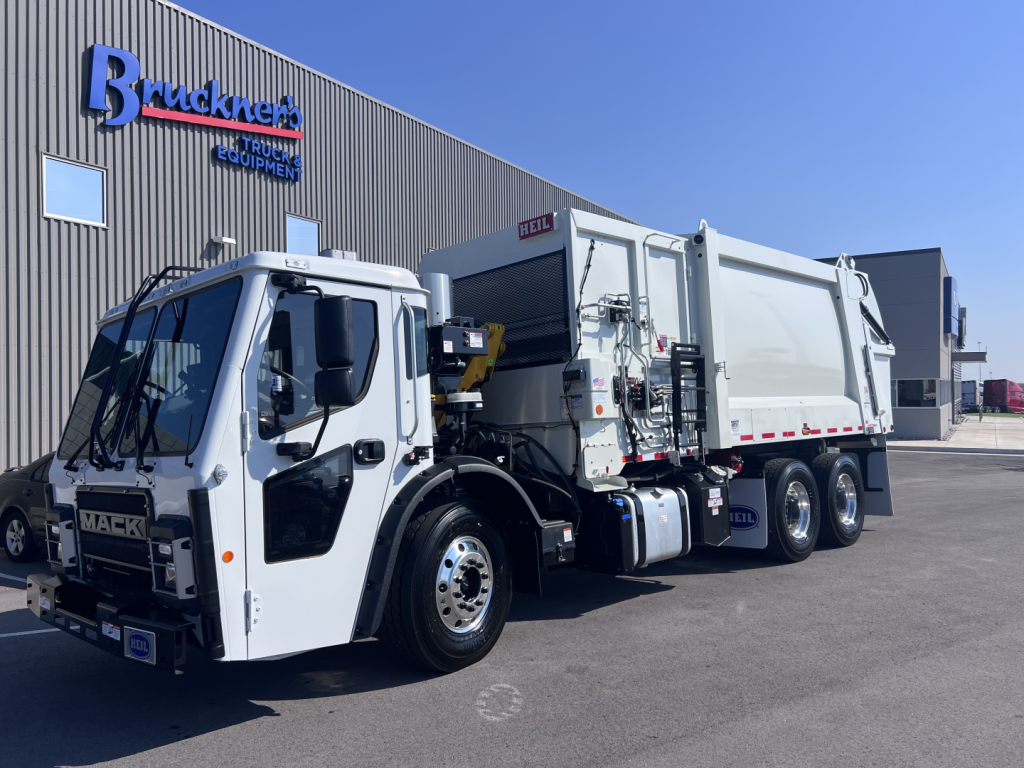
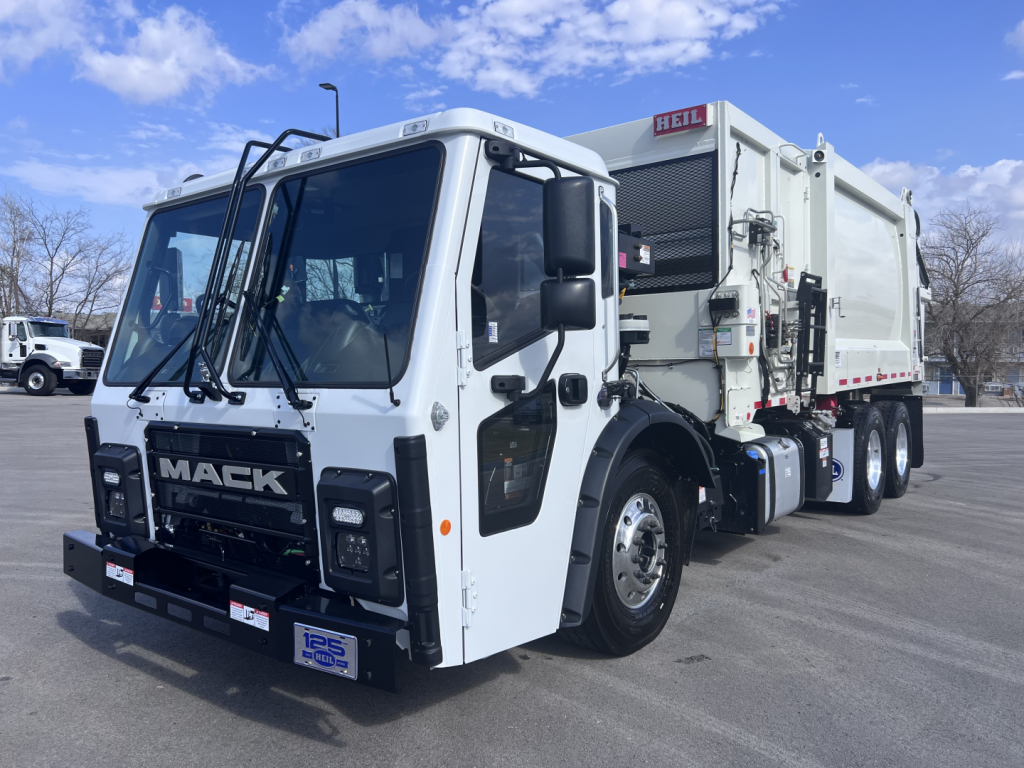
The Mack LR remains a strong fit for municipal and private haulers that need excellent cab access, low step-in height, and strong sightlines in dense neighborhoods. Typical specs in this class include the Mack MP7 engine around the mid-300 horsepower range, Allison 4500 RDS automatic transmissions, 20,000-pound front axles, 46,000-pound rear axles, and gearing such as a 5.31 ratio to balance launch performance with stop-and-go efficiency. On side loader builds, a 28-yard automated body is a common choice, often paired with full eject, body-mounted work lighting, cart grabber systems for 60- and 90-gallon containers, and multi-camera visibility packages. Those details matter because uptime on residential routes often comes down to arm reliability, hopper visibility, and easy driver operation at low speed.
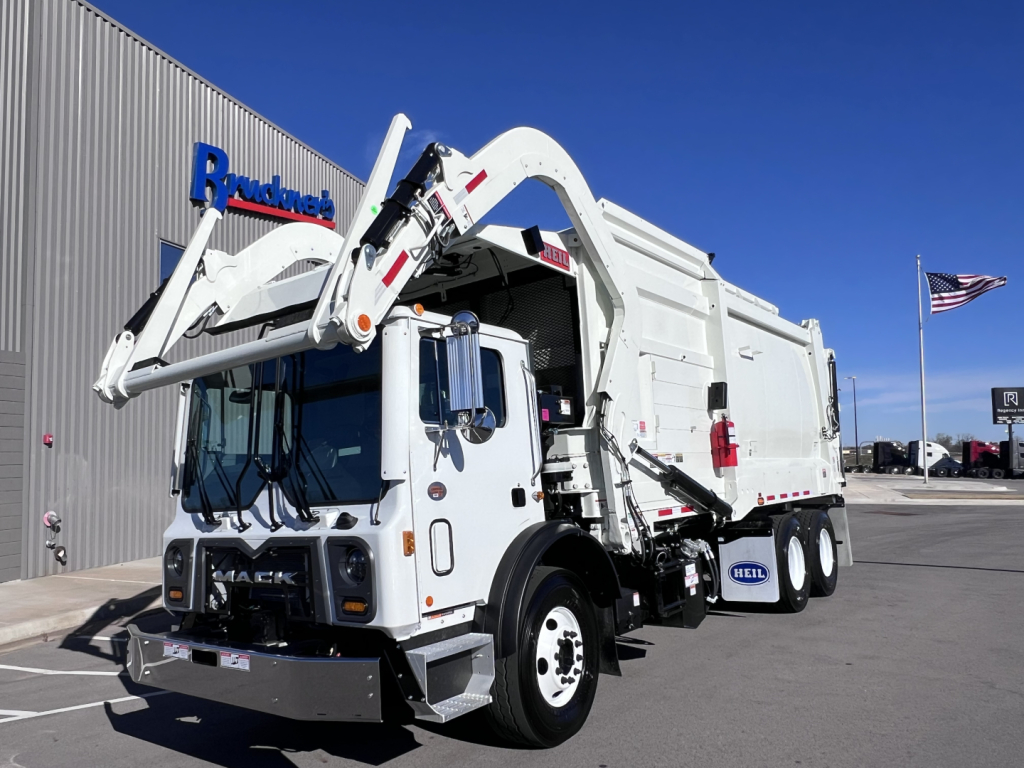
The Mack TE is commonly chosen for front loader applications where durability under repeated container pickups is the priority. Front loader buyers should pay close attention to body manufacturer integration, front axle capacity, frame reinforcement, hydraulic layout, and clearances around forks and cab shields. In Oklahoma and similar markets, route density, transfer distance, and seasonal heat can all influence spec decisions, especially cooling capacity, transmission calibration, and axle ratio. A refuse truck that spends all day in alleys, retail pads, and tight commercial lots needs a different setup than one running suburban residential miles between stops.
Across both Mack refuse platforms, useful buyer checkpoints include wheelbase matched to body length, PTO and pump setup, camera placement, remote controls, warning light packages, and service access for daily maintenance. Refuse buyers should also verify body style, eject system, cart compatibility, suspension rating, and legal payload expectations before comparing price alone. A properly spec'd 2026 Mack garbage truck can reduce driver fatigue, improve route productivity, and hold up better under the constant start-stop abuse that defines refuse service.
Frequently Asked Questions about 2026 Mack Garbage Trucks in Oklahoma
What is the difference between a Mack LR garbage truck and a Mack TE garbage truck?
The Mack LR is widely used for refuse applications that benefit from a low-entry cab, excellent side visibility, and frequent driver ingress and egress. It is commonly spec'd for automated side loader residential work. The Mack TE is often used in front loader applications where heavy commercial container service and repeated front fork lifting are the main priorities. The best choice depends on whether the truck will run cart routes, commercial dumpsters, or mixed service.
What engine and transmission are common in 2026 Mack garbage trucks?
A common setup in this category is the Mack MP7 engine paired with an Allison 4500 RDS automatic transmission. That combination is popular in refuse work because it supports strong low-speed drivability, reliable PTO operation, and easier operation in constant stop-and-go service. Actual horsepower can vary by application, so buyers should match engine output and gearing to route density, payload, and body type.
What should I look for in a side loader garbage truck?
On a side loader, the key items are arm design, cart compatibility, hopper layout, camera coverage, body capacity, and hydraulic responsiveness. Many residential side loaders are built to handle 60- and 90-gallon automated carts and may include full eject systems, hopper work lights, and operate-in-gear-at-idle functionality. Buyers should also confirm wheelbase, turning characteristics, and how well the body and chassis are integrated for service access and long-term durability.
What matters most when buying a front loader garbage truck?
For a front loader, focus on fork and body durability, front axle capacity, hydraulic performance, lift cycle stability, and cab protection. Commercial routes can be demanding because container weights vary and lift cycles are repetitive. A strong front loader spec should support the body manufacturer's requirements, maintain stable handling under load, and provide clear visibility around the forks and pickup area.
Are axle ratings and gear ratios important on garbage trucks?
Yes. Refuse trucks live in low-speed, high-start-stop conditions, so axle ratings and gearing directly affect durability, launch performance, and legal carrying capacity. Configurations such as 20,000-pound front axles, 46,000-pound rears, and ratios like 5.31 are common because they suit heavy bodies and repeated starts. Buyers should confirm that the axle and ratio package matches the intended route, body type, and payload profile rather than treating these numbers as minor details.