
Freightliner Trucks For Sale in Washington
Browse Freightliner trucks for sale in Washington, including vocational and highway models with specs, applications, and buying considerations.
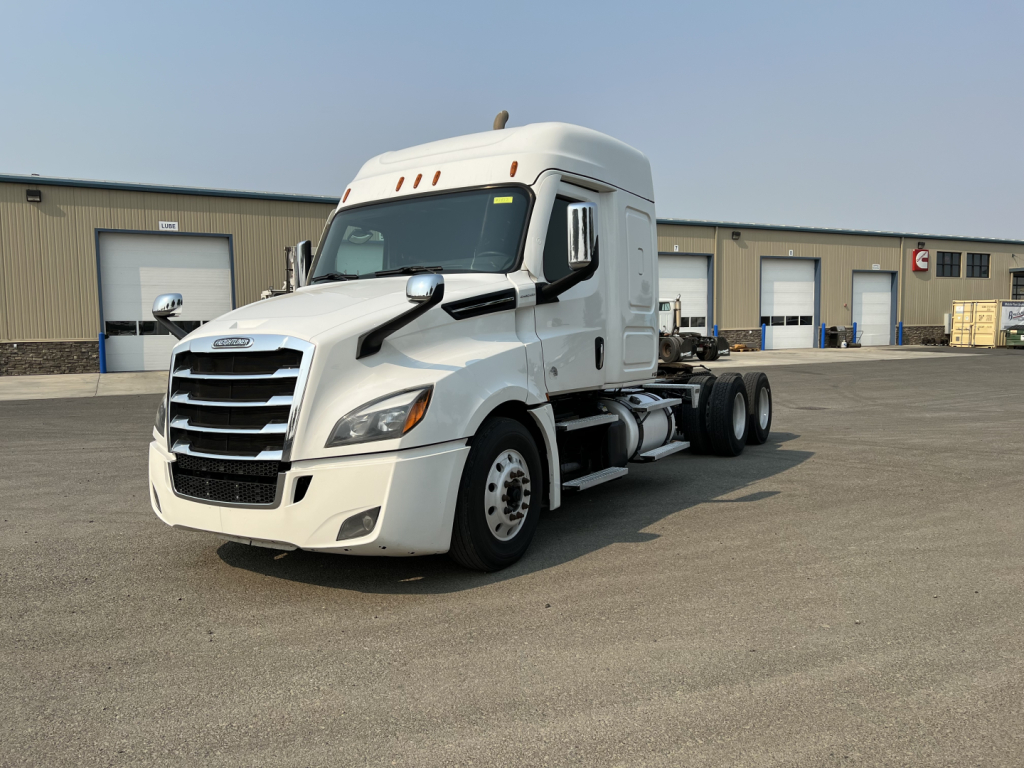
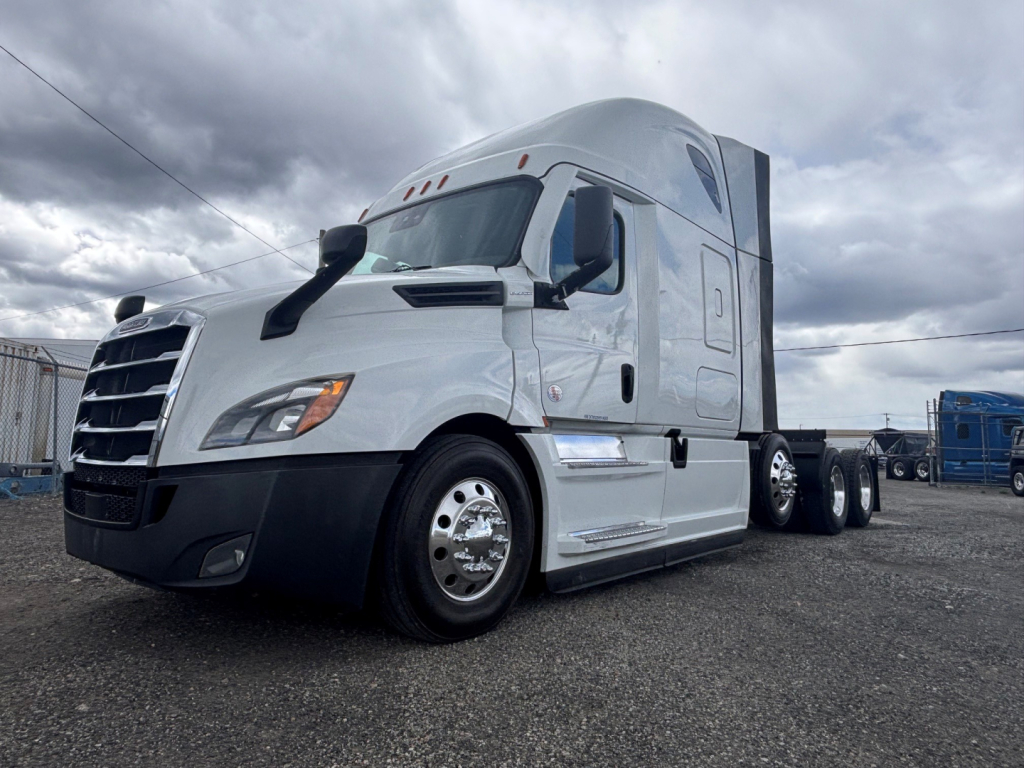
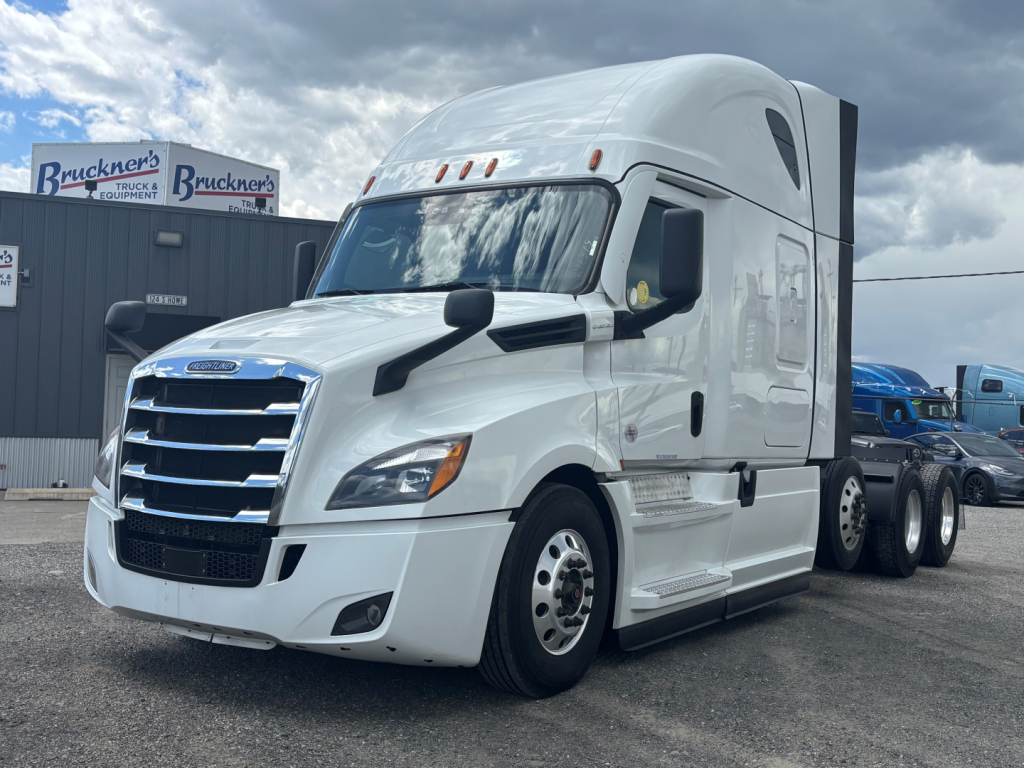
Selling a freightliner truck? List your freightliner truck for sale and reach thousands of commercial buyers.
Freightliner Trucks in Washington
On the spec side, the right Freightliner starts with the job. For over-the-road use, buyers usually focus on sleeper or day cab configuration, wheelbase, axle ratio, transmission type, and engine family such as Detroit power paired with automated manual transmissions. For medium-duty and vocational work, the priority often shifts to GVWR, front axle capacity, frame rail strength, PTO capability, and body-ready layout. Models like the M2 106 are common in utility and municipal fleets because they can be outfitted for digger derricks, aerial equipment, flatbeds, van bodies, or fuel and lube service. Severe-duty SD models are more likely to show up with heavier suspensions, locking rears, set-forward front axles, and upfit-friendly frame options for dump, mixer, or construction work.
Washington buyers should also pay attention to application-specific wear. A Freightliner used in line work, utility service, or municipality service may have low miles but high PTO hours, hydraulic usage, and idle time. That makes the inspection different from a highway tractor. On vocational units, look closely at frame condition, boom or body mounting points, electrical systems, hydraulic leaks, outrigger function, and cab rust or corrosion from year-round weather exposure. On road tractors, check emissions history, transmission calibration, suspension wear, tire pattern, and signs of heavy mountain operation such as brake condition and driveline stress. If the truck is already upfitted, confirm that the body or equipment matches the chassis ratings rather than assuming the installation tells the whole story.
Freightliner remains a practical choice because buyers can find anything from a basic fleet-spec day cab to a specialized work truck built around one purpose. The best value usually comes from matching the truck’s original vocation to your own, then verifying axle ratings, engine and transmission combination, wheelbase, and body integration before purchase. A well-spec’d Freightliner can be easier to put to work quickly because operators, technicians, and upfitters already know the platform. That familiarity is a real advantage when downtime, parts access, and service support matter as much as purchase price.
Frequently Asked Questions about Freightliner Trucks in Washington
What are the most common Freightliner truck models buyers look for?
The most common Freightliner models depend on the job. The Cascadia is the best-known highway tractor for regional and long-haul freight. The M2 106 is one of the most common medium-duty platforms for box trucks, flatbeds, utility bodies, and municipal equipment. The 108SD and 114SD are severe-duty models used in construction, dump, mixer, crane, and other vocational applications where heavier axles, stronger frames, and more robust suspension options are important.
Is a Freightliner M2 a good choice for utility or digger derrick work?
Yes. The Freightliner M2 is widely used for utility applications because it offers a practical balance of chassis strength, maneuverability, and upfit flexibility. Buyers should confirm front axle rating, frame specifications, PTO setup, wheelbase, and cab-to-axle measurement to make sure the truck properly supports the boom, outriggers, auger system, and any material handling gear. On used units, equipment hours and hydraulic condition matter as much as engine miles.
What should I inspect first on a used Freightliner truck?
Start with the truck’s original application and duty cycle. A highway Freightliner should be checked for engine fault history, emissions system condition, transmission performance, suspension wear, and tire and brake life. A vocational Freightliner needs closer attention on PTO operation, hydraulic systems, frame integrity, body mounts, electrical accessories, and any installed equipment such as cranes, booms, or augers. Service records are especially valuable because they help separate a low-mile truck from a low-use truck.
Are Freightliner trucks a good fit for Washington operating conditions?
They can be a strong fit because the lineup covers urban delivery, regional hauling, mountain routes, municipal work, and utility service. In Washington, buyers should consider spec choices that match terrain and weather, including axle ratio, engine brake performance, tire selection, suspension type, and corrosion condition. Trucks that have spent time in wet or mountainous environments may show different wear patterns than similar units used on flatter, drier routes.
Why do so many fleets choose Freightliner trucks?
Freightliner has a large market share because the brand offers broad model coverage, familiar systems, and strong parts and service availability. That matters to fleets and owner-operators alike because downtime is expensive and support access affects total operating cost. The large installed base also makes it easier to find technicians, replacement parts, and comparable units when evaluating resale value or adding similar trucks to a fleet.