
Used Freightliner Trucks For Sale in North Carolina
Browse used Freightliner trucks in North Carolina, including Cascadia, Coronado, and 114SD models for highway, vocational, and regional work.
Learn more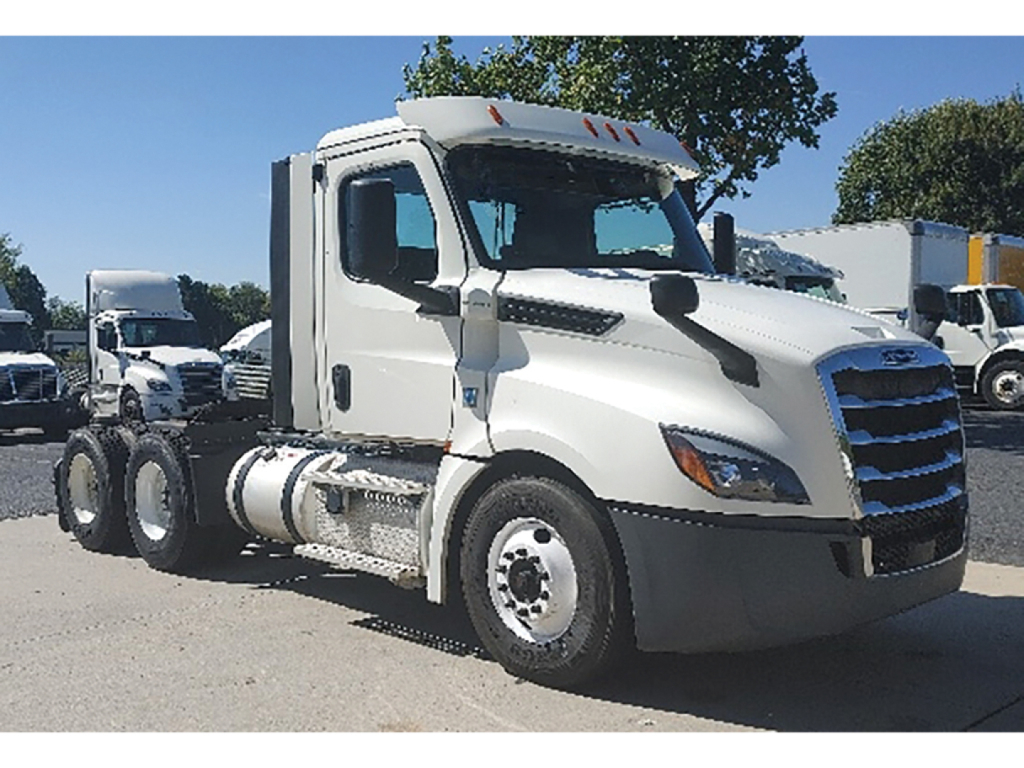
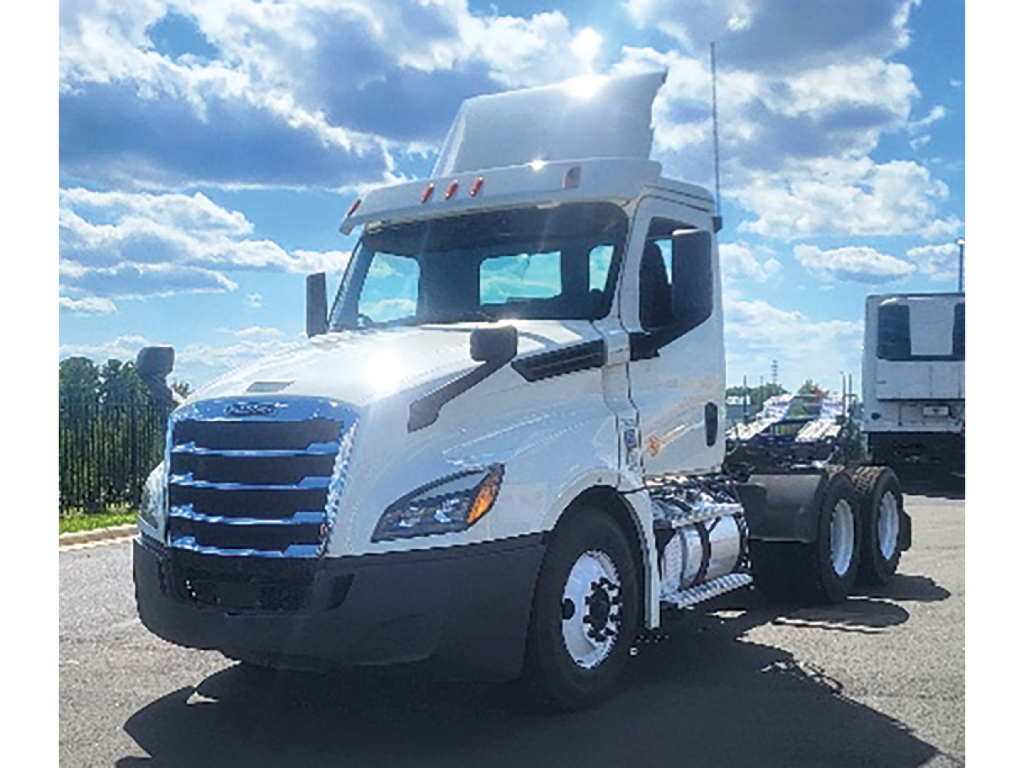
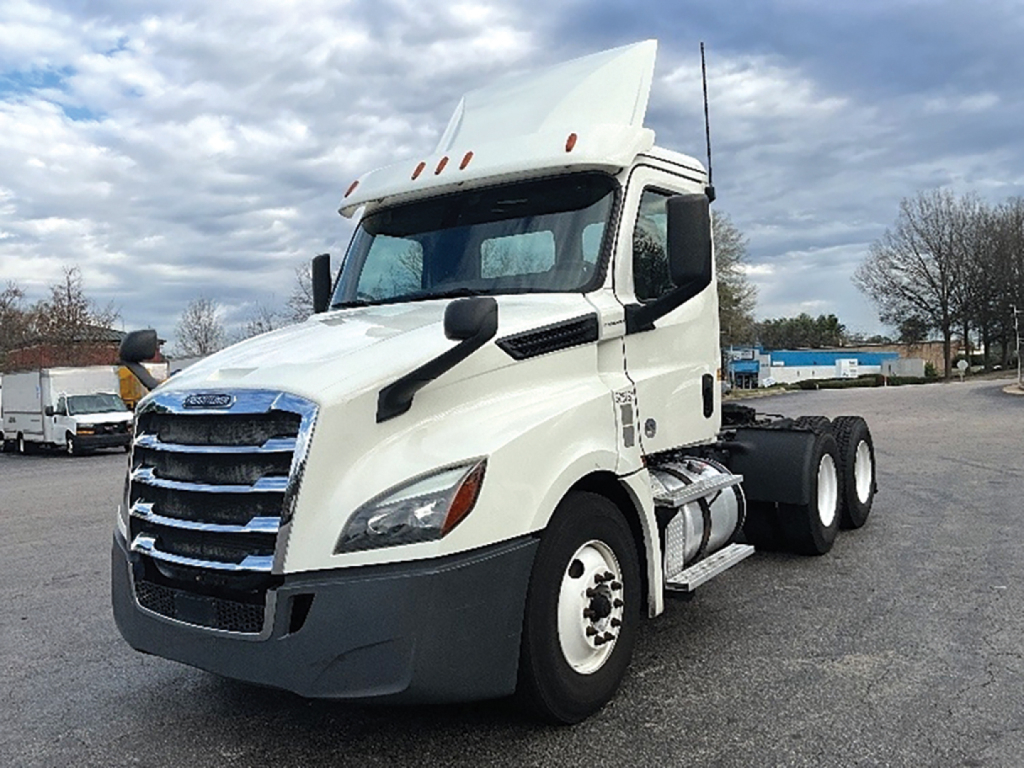
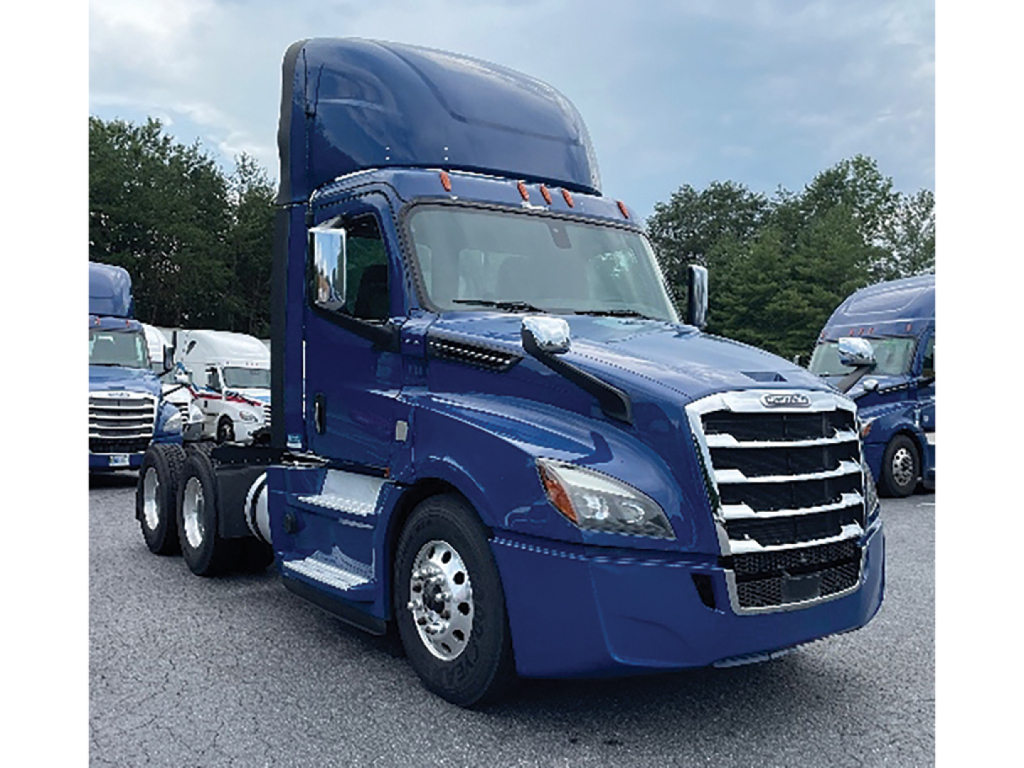
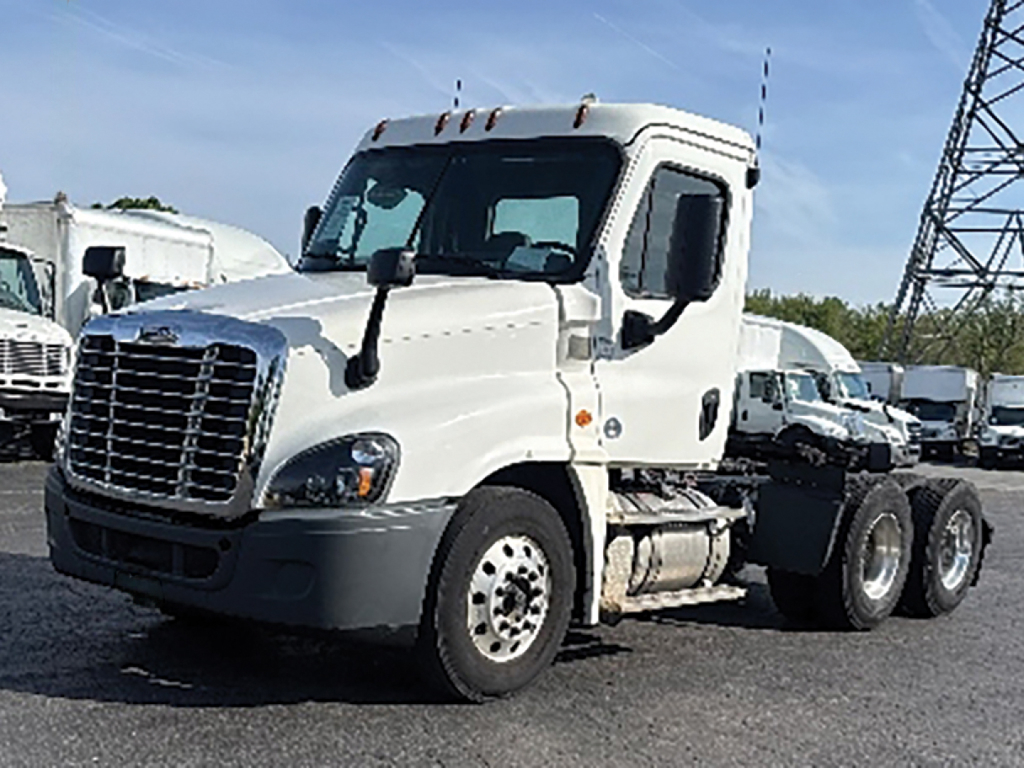
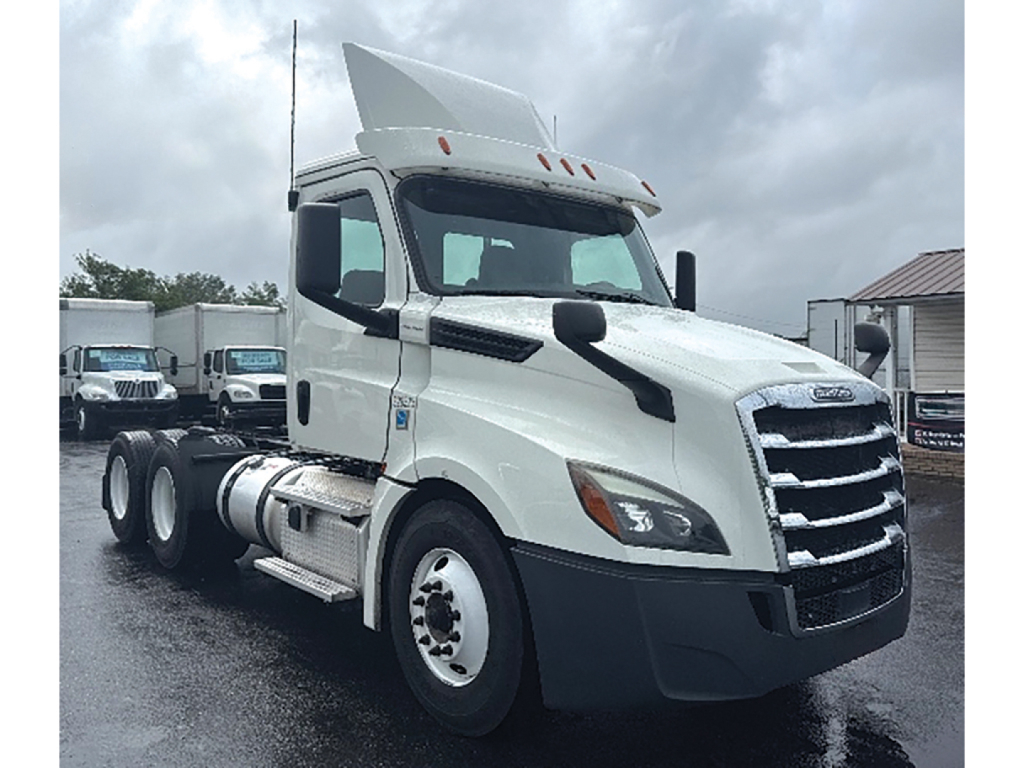
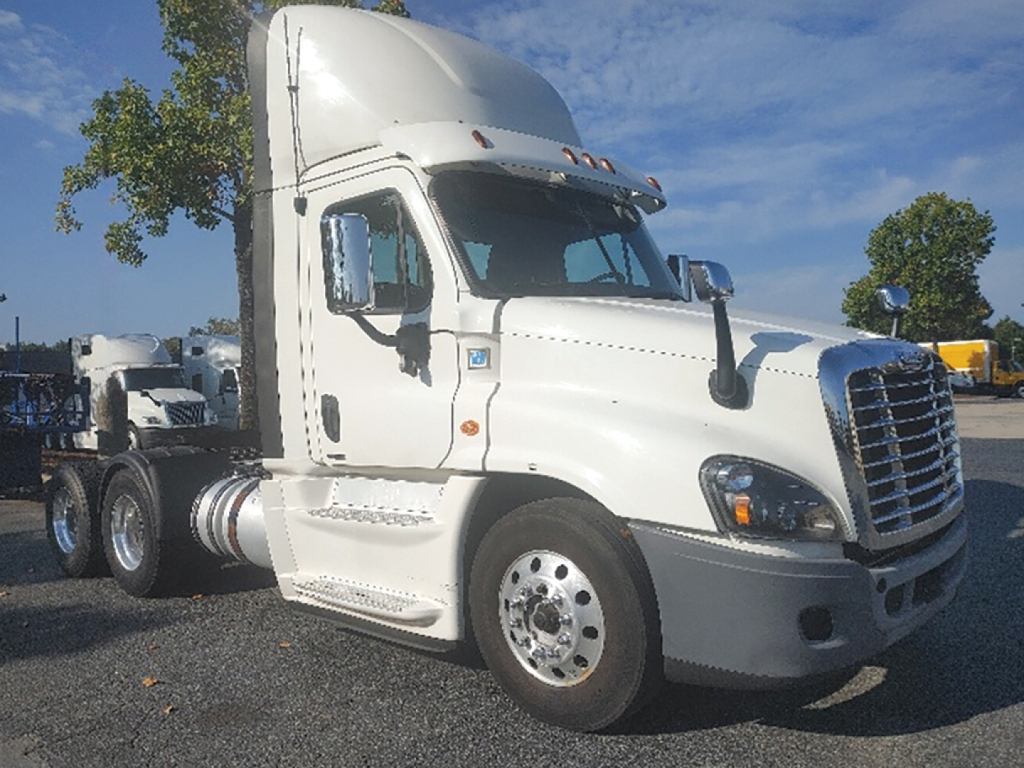
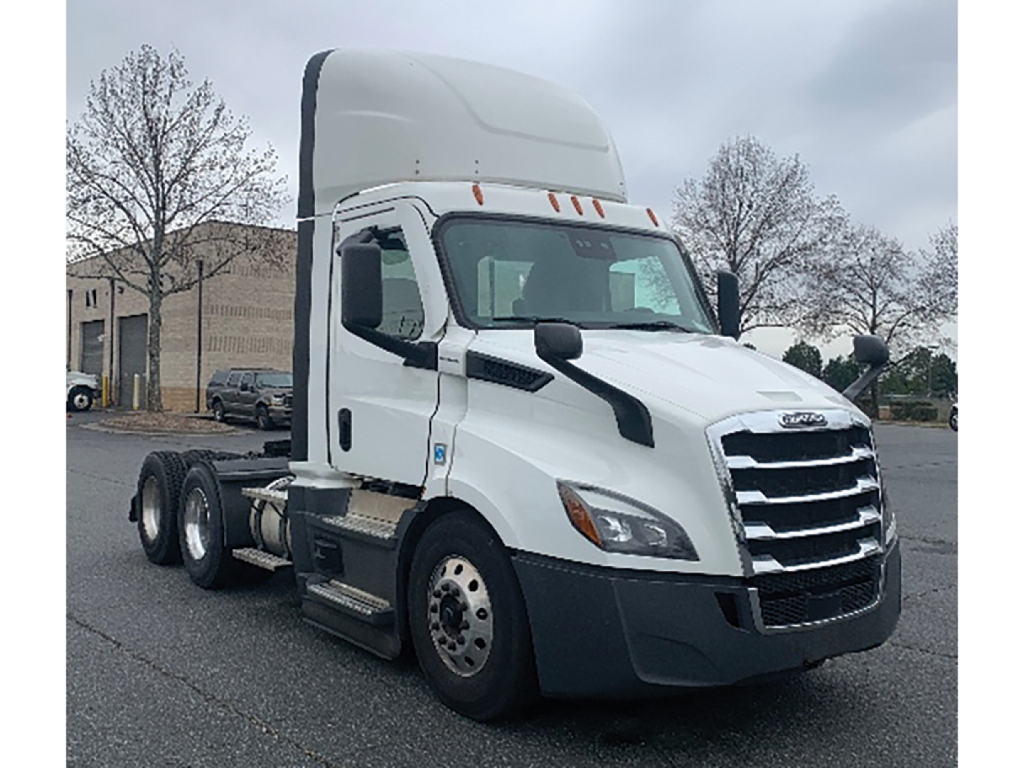
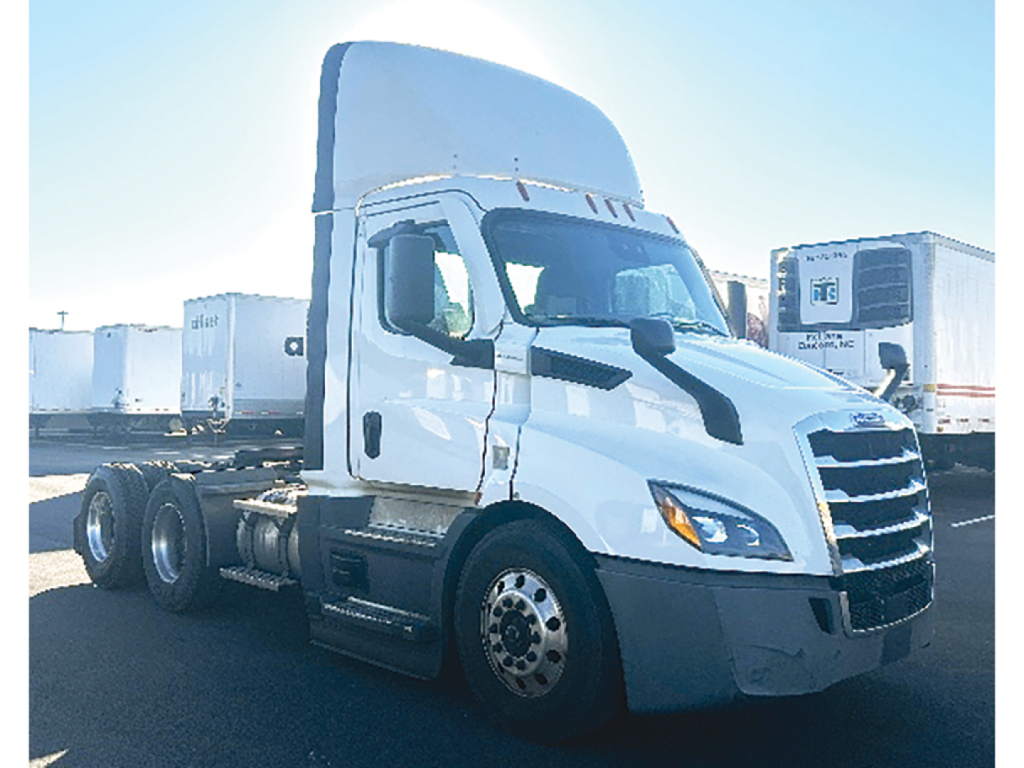
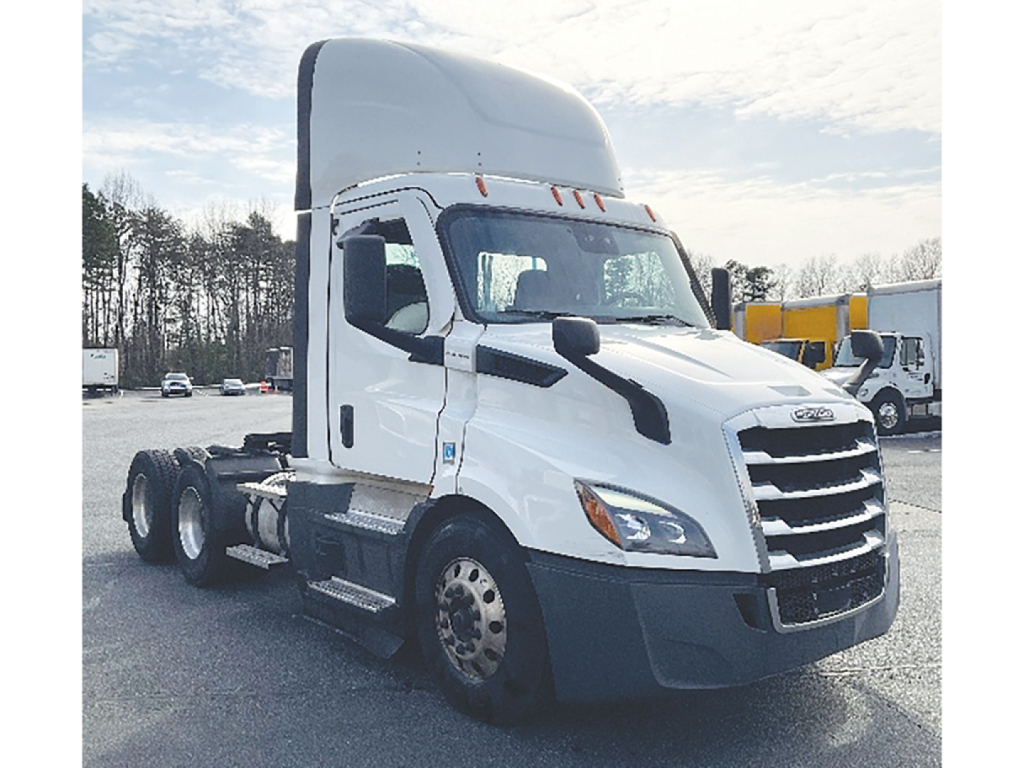
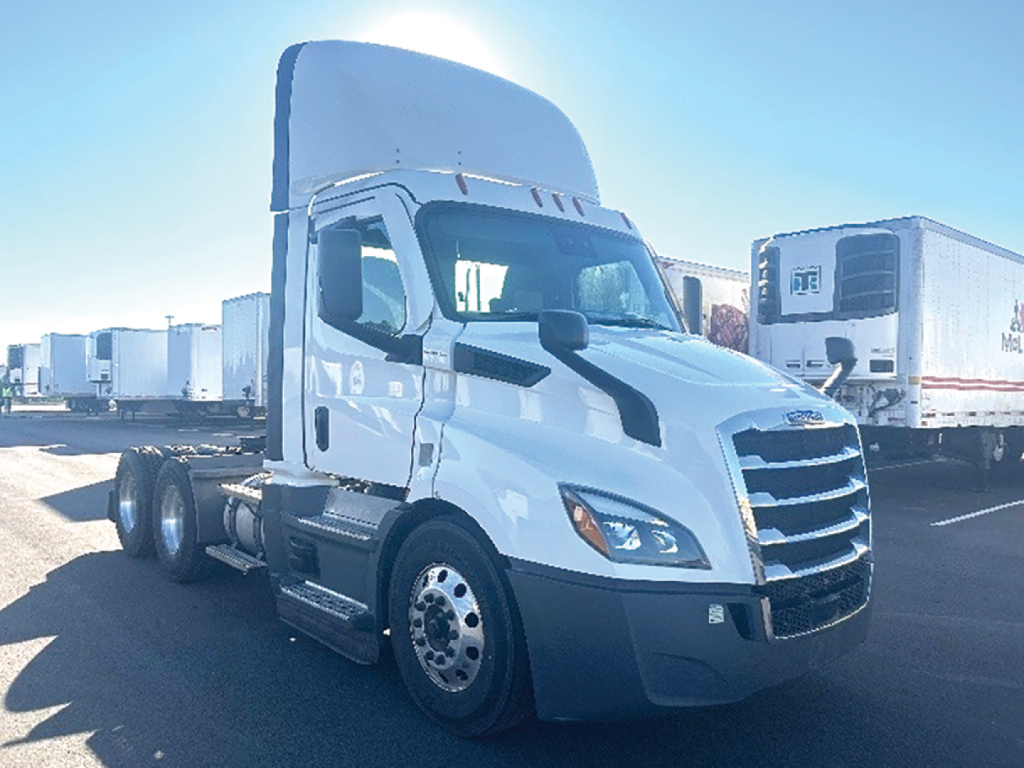
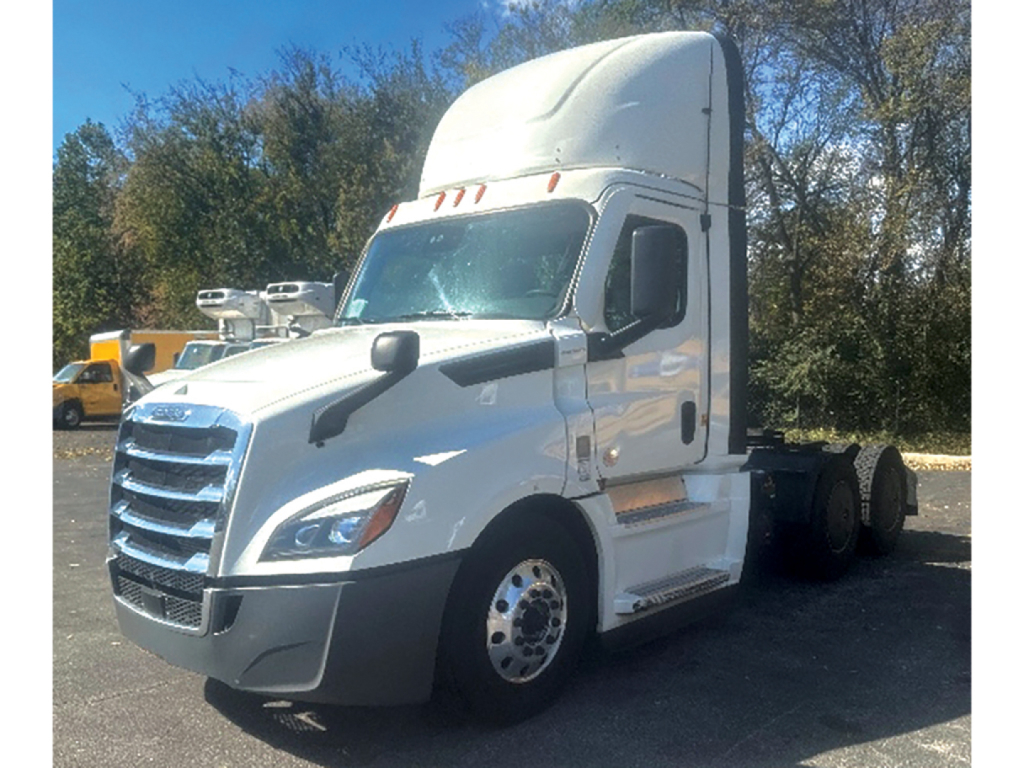
Showing 49 to 60 of 65 results
Have used freightliner truck to sell? List it here to reach thousands of buyers.
About Used Freightliner Trucks in North Carolina
For freight applications, used Freightliner conventional trucks are often configured as 6x4 tandem axle road tractors with 40,000 lb rears, air ride suspension, sliding or fixed fifth wheels, and ratios that reflect their intended job. A 2.79 or 3.08 ratio usually points toward fuel-conscious linehaul service, while a 3.42 or deeper ratio can make more sense for heavier pulls, mixed terrain, or specialized hauling. Day cabs like the Cascadia 113 or 125 fit port work, regional van, flatbed, tanker, and dedicated local lanes where sleeper space is not needed. Sleeper models such as the Cascadia 126 or Coronado are better suited to over-the-road operations, team service, expedited freight, or owner-operator applications where cab comfort, bunk size, and fuel capacity matter.
Vocational Freightliner trucks deserve a different buying lens. Models such as the 114SD are built for heavier front axle ratings, jobsite durability, PTO use, body installations, and severe-service applications including vacuum, dump, municipal, utility, and construction work. On these trucks, buyers should pay close attention to engine hours, PTO operation, cooling system condition, front axle capacity, transmission type, and body integration rather than focusing only on mileage. In North Carolina, application matters because a truck running I-85 regional freight has a very different wear pattern than a municipal vacuum truck or a heavy spec hauler working in quarries, utilities, or infrastructure service.
When comparing used Freightliner trucks, the smart evaluation is not just model year. Look at emissions system history, maintenance records, brake and tire wear, suspension condition, wheelbase suitability, and cab configuration for the freight you plan to haul. Detroit-powered Cascadias are often chosen for fleet commonality and dealer support, while Coronado models still appeal to buyers who want a more traditional hood, higher-owner spec trim, or heavy-haul image. Freightliner remains one of the most active used truck brands because it offers scalable specs across regional, long-haul, and vocational work, which gives buyers a better chance of matching the truck to the route, payload, and operating cost target.
Frequently Asked Questions
What are the most common used Freightliner truck models buyers look for in North Carolina?
The most common used Freightliner truck models in North Carolina are usually Cascadia day cabs, Cascadia sleeper tractors, Coronado conventionals, and vocational trucks such as the 114SD. Cascadia models are the volume leaders for fleet and owner-operator highway use because they are widely supported and available in many specifications. Coronado trucks are less common but remain popular with buyers who want a classic conventional look, heavier owner-operator trim, or specialized haul setup. The 114SD is typically chosen for severe-duty and body-equipped applications rather than general over-the-road freight.
What should I check first on a used Freightliner Cascadia?
Start with the engine and emissions history, then verify the transmission type, rear axle ratio, and maintenance records. On a used Cascadia, buyers should pay close attention to aftertreatment service, fault codes, engine brake operation, clutch or automated transmission performance, suspension wear, and fifth wheel condition. It is also important to match the truck's wheelbase, fuel capacity, and axle ratings to the freight lane it will actually run. A clean interior and good tires matter, but drivetrain condition and service documentation matter more.
Is a Freightliner day cab or sleeper better for my operation?
A Freightliner day cab is usually the better fit for local and regional work where lower weight, shorter wheelbase, and easier maneuverability are priorities. A sleeper is the better fit for over-the-road freight, longer dwell times, team driving, or routes that require overnight flexibility. The right choice depends on how many nights the truck will be away from home, how much fuel and storage capacity you need, and whether cab comfort affects driver retention. Buyers should also consider resale, since some markets are much stronger for highway sleepers than for local day cabs.
Are used Freightliner vocational trucks evaluated differently than highway tractors?
Yes. A used Freightliner vocational truck should be evaluated more by application history, PTO function, body condition, front axle rating, and severe-service wear than by odometer reading alone. A vacuum truck, dump truck, or municipal unit may have lower miles but much harder duty cycles. Buyers should inspect the frame, hydraulic or PTO systems, cooling system, body mounts, and any signs of contamination, overheating, or corrosion. In vocational service, the truck and body have to be assessed as a working system.
Which engine and transmission combinations are common in used Freightliner trucks?
Common engine choices in used Freightliner trucks include Detroit DD13 and DD15 engines, along with Cummins ISX-series engines in many highway and vocational units. Transmission choices often include the Detroit DT12 automated manual, Allison automatics in vocational applications, and Fuller manual gearboxes in older or heavy-haul specifications. The best combination depends on the work. DT12 and DD15 setups are common in fleet highway service, while manual transmissions and deeper ratios still appeal to some specialized or owner-operator buyers.