
Used 2019 Freightliner Trucks For Sale in North Carolina
Shop used 2019 Freightliner trucks in North Carolina, including on-highway and vocational models with popular Detroit, Cummins, and Allison specs.
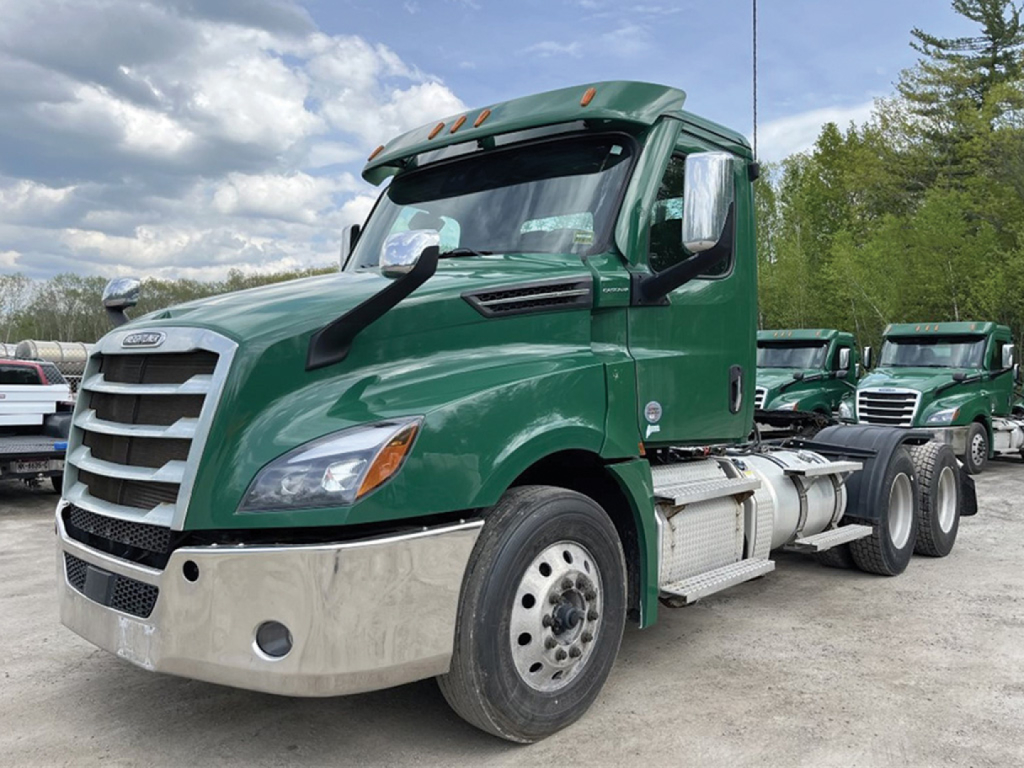
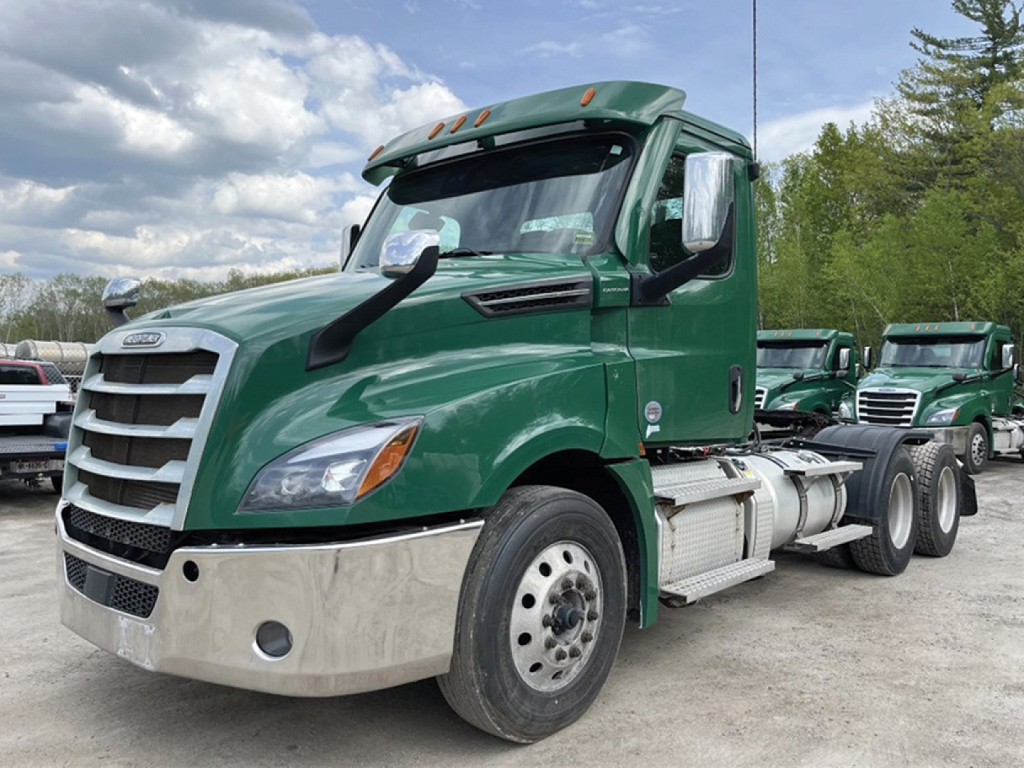
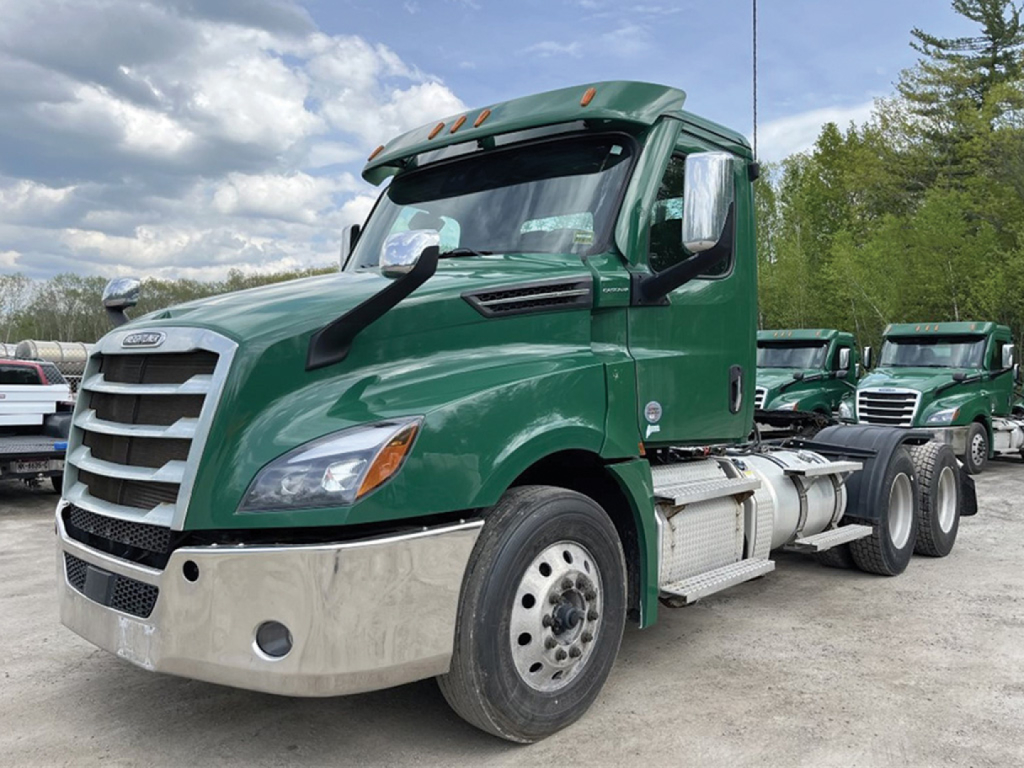

Selling a used 2019 freightliner truck? List your used 2019 freightliner truck for sale and reach thousands of commercial buyers.
Used 2019 Freightliner Trucks in North Carolina
On the highway side, 2019 Freightliner sleeper and day cab trucks are often spec'd with Detroit power, especially the DD13 or DD15, paired with either the DT12 automated manual or a traditional manual transmission. Common rear axle ratings are around 40,000 pounds on tandem-axle road tractors, and rear ratios can vary significantly depending on intended use. A lower numerical ratio such as 2.47 or 2.85 generally points to fuel-economy highway service, while a deeper ratio like 3.36 or 3.58 can be better suited for heavier starts, mixed terrain, or vocational crossover work. Buyers should also look closely at wheelbase, fuel capacity, fifth wheel type, and sleeper size. Raised-roof sleepers in the 70-inch to 72-inch range are common for over-the-road use, while shorter wheelbase day cabs usually make more sense for regional and local lanes.
For medium-duty and straight truck buyers, 2019 Freightliner models such as the M2 series remain a staple for van bodies, box trucks, flatbeds, and municipal or contractor applications. These trucks are often powered by Cummins engines with Allison automatic transmissions, a combination that appeals to fleets focused on stop-and-go routes, driver turnover, and lower training complexity. Key checks in this class include GVWR, front and rear axle ratings, suspension type, body length, liftgate capacity, and interior body specs such as E-track, liner condition, and floor wear. If the truck is near CDL thresholds like 26,000 pounds GVWR, registration class and license requirements should be confirmed before purchase.
A used 2019 Freightliner is often a practical balance between modern emissions-era equipment and broad parts and service support. Freightliner has one of the deepest dealer and service networks in the country, which matters for uptime as much as purchase price. Buyers in North Carolina should pay attention to idle hours, maintenance history, aftertreatment service records, tire and brake condition, and any signs the truck spent its life in severe stop-start or heavy gross weight service. For tractors, engine brake operation, clutch or automated transmission performance, and suspension wear are high-value inspection points. For straight trucks, body condition and liftgate function can matter just as much as the chassis. The best 2019 Freightliner truck is usually the one with the right spec for the route, not simply the highest horsepower or the newest interior.
Frequently Asked Questions about Used 2019 Freightliner Trucks in North Carolina
What are the most common 2019 Freightliner truck models buyers look for?
The most common 2019 Freightliner trucks on the used market are typically Cascadia highway tractors and M2 medium-duty trucks. The Cascadia is widely used for long-haul, regional, and dedicated freight, while the M2 platform is common in box truck, flatbed, utility, and municipal applications. Model choice usually comes down to whether the buyer needs a Class 8 road tractor or a medium-duty chassis for local delivery and vocational work.
Is a 2019 Freightliner Cascadia a good choice for fuel-efficient highway operation?
A 2019 Freightliner Cascadia is often a strong fuel-efficiency choice because it was designed around aerodynamic highway use and is commonly equipped with Detroit powertrains matched to overdrive gearing. Specs such as a DD15 engine, DT12 automated transmission, side fairings, cab extenders, and lower rear axle ratios can support lower fuel consumption on long interstate runs. Actual operating cost still depends on weight, speed, idle time, and maintenance history.
What should I inspect first on a used 2019 Freightliner truck?
Start with the engine, transmission, emissions system, and maintenance records. On a highway tractor, pay close attention to aftertreatment service history, engine brake operation, suspension wear, tire condition, and fifth wheel function. On a straight truck, inspect the body, floor, roll-up door, liftgate, and signs of water intrusion or heavy dock damage. A strong used truck usually shows consistent preventive maintenance and a spec that matches its prior job.
Are 2019 Freightliner trucks good for North Carolina regional hauling and local delivery?
Yes, 2019 Freightliner trucks are well suited to North Carolina operations because the lineup covers both regional highway work and local delivery routes. Sleeper and day cab tractors fit interstate and port-related freight movement, while M2 straight trucks are common in city delivery, service fleet, and contractor use. The wide service network is also a practical advantage for fleets running across Charlotte, the Triad, the Triangle, and eastern freight corridors.
What is more important when buying a used 2019 Freightliner truck: mileage or spec?
Spec is often just as important as mileage, and in some cases more important. A properly maintained truck with the right axle ratio, wheelbase, engine rating, transmission, and suspension for the intended application can outperform a lower-mile truck with the wrong setup. Buyers should compare mileage with engine hours, maintenance records, wear items, and how closely the truck's original configuration fits the work it will do next.