
Used 2025 Freightliner Trucks For Sale
Shop used 2025 Freightliner trucks for sale, including Cascadia and vocational models with Detroit power, sleeper and day cab setups.
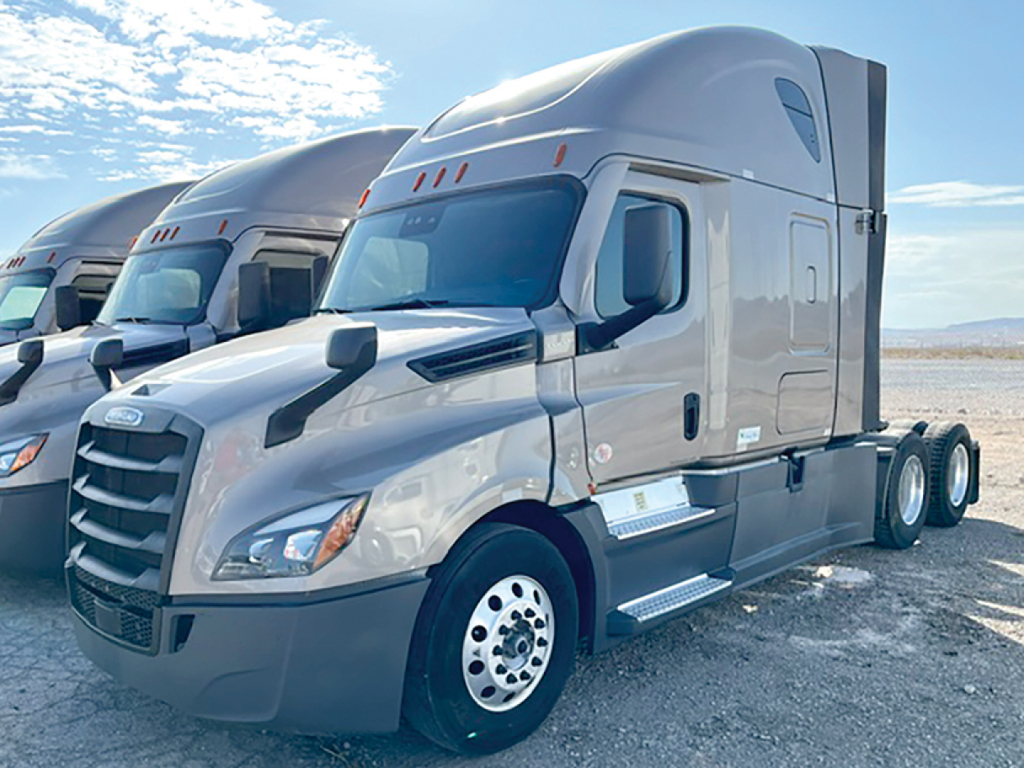
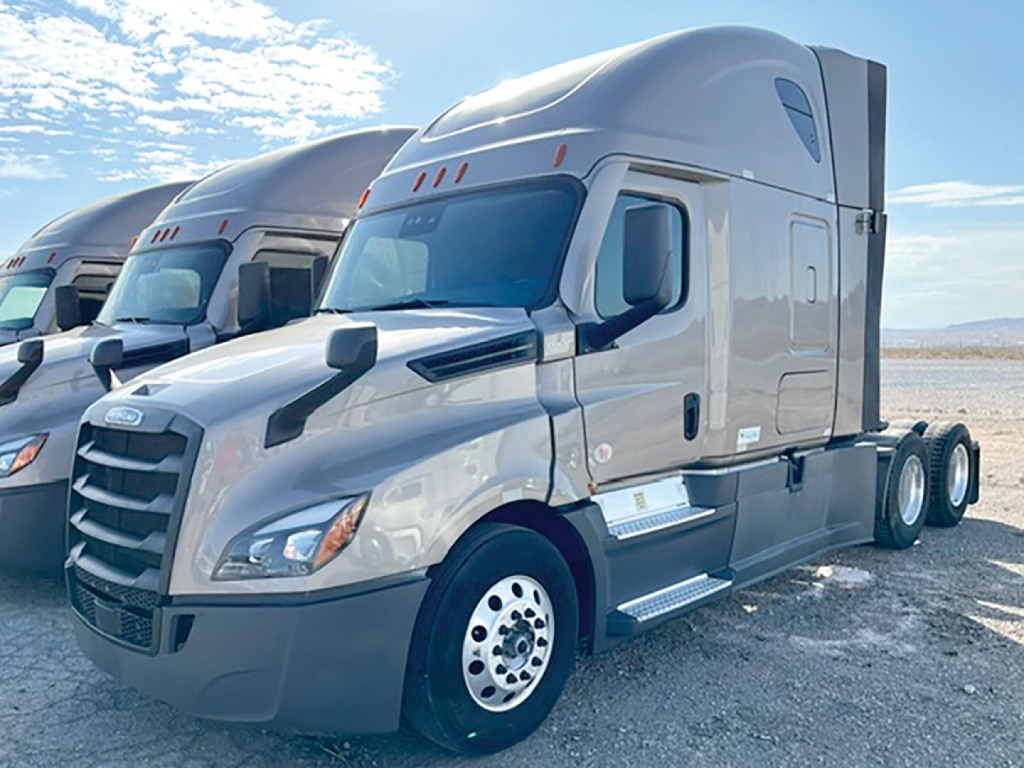
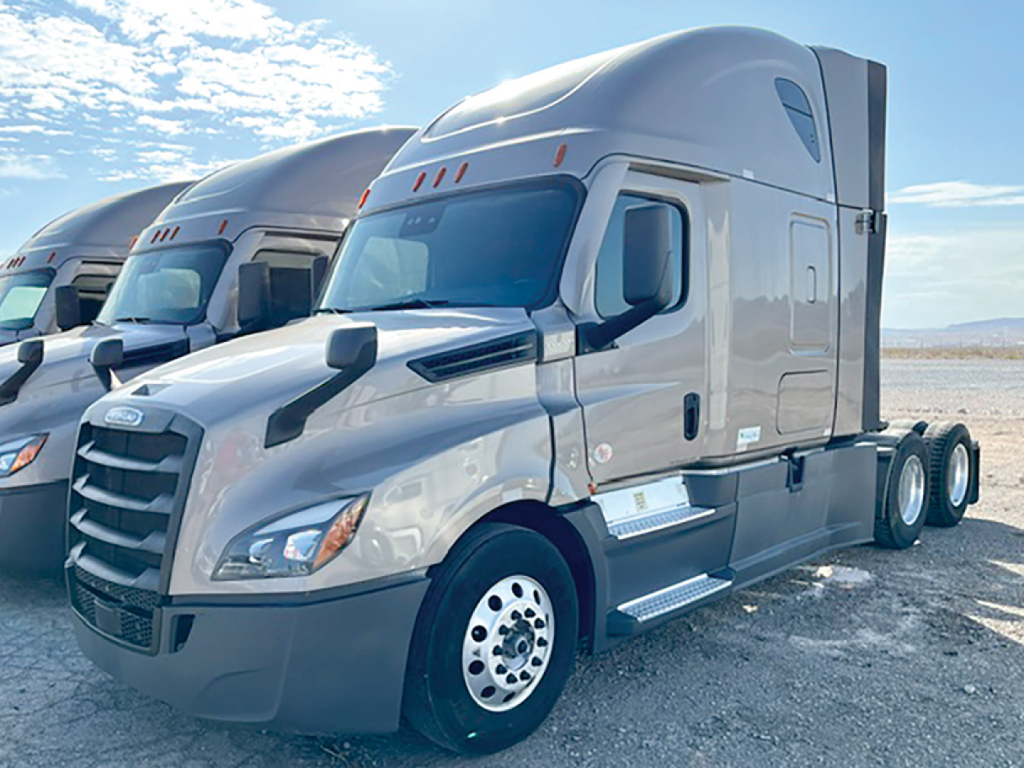
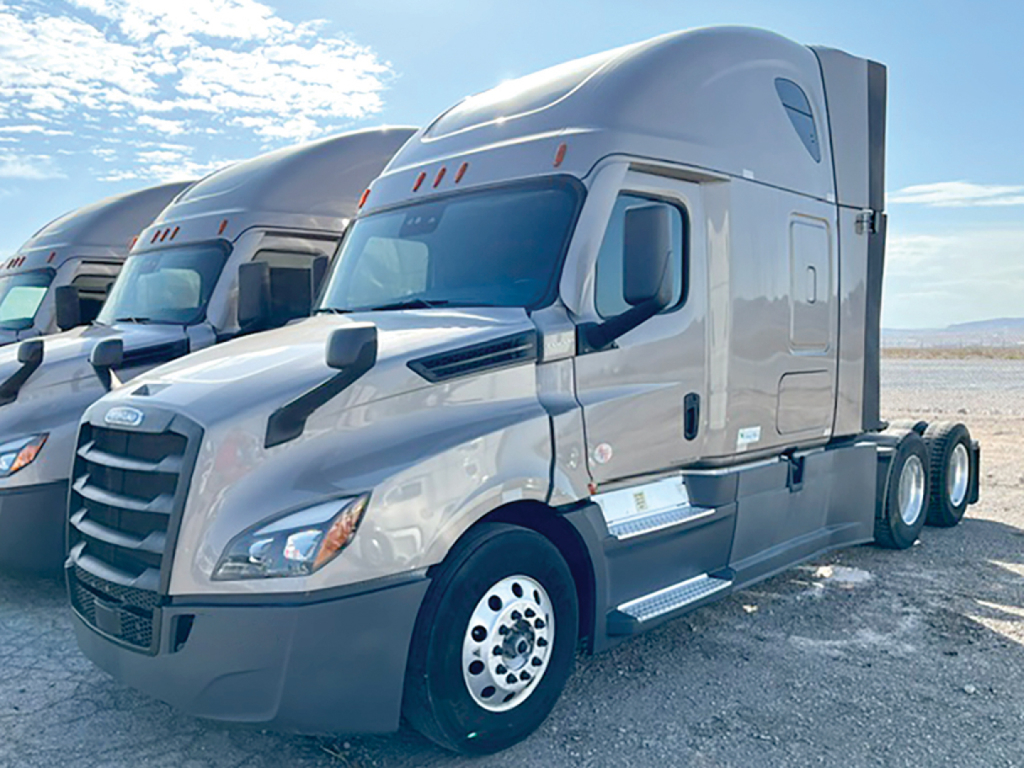
Have used 2025 freightliner truck to sell? List it here to reach thousands of buyers.
Used 2025 Freightliner Trucks
The first decision is usually application and cab layout. A 2025 Freightliner day cab fits local and regional freight, drayage, private fleet delivery, and routes with frequent trailer swaps. Sleeper configurations are the better match for over-the-road lanes where bunk size, fuel capacity, fairing package, and idle-reduction equipment affect driver retention and operating cost. Buyers comparing Cascadia 113, 125, and 126 variants should pay attention to axle spread, fifth wheel position, frame spec, and kingpin setting compatibility with the trailers they plan to pull. For cab and chassis units, cab-to-axle and cab-to-end dimensions matter just as much as engine and transmission spec because body installation options depend on those measurements.
Powertrain and efficiency are where late-model Freightliner trucks usually stand out. Detroit diesel engines in this class are commonly paired with automated manuals for fuel economy and easier driver onboarding, while some used trucks may still carry manual transmissions in fleet or specialty specs. Rear axle ratio, tire size, and cruise speed target have a direct impact on fuel burn and gradeability, so a buyer should look beyond horsepower alone. It is also worth checking for front disc brakes, full aerodynamic packages, adaptive cruise, lane departure warning, collision mitigation, and idle management systems such as battery HVAC or APUs. On a used 2025 truck, these factory options can materially change total operating cost and driver acceptance.
Condition still decides the deal, even on a recent model year. Review maintenance records, remaining warranty coverage if any, aftertreatment history, software campaign completion, brake and tire wear, and fault-code activity from the ECM. On sleeper units, inspect bunk HVAC performance, inverter setup, and signs of hard idle hours. On day cabs and vocational chassis, focus on PTO readiness, frame modifications, suspension wear, and evidence of heavy-site use. Freightliner trucks are popular because they are straightforward to service, widely understood by technicians, and available in specs that fit both large fleets and owner-operators, but the right used 2025 truck is the one whose wheelbase, axle ratings, engine rating, and duty cycle match the work from day one.
Frequently Asked Questions about Used 2025 Freightliner Trucks
What are the most common used 2025 Freightliner truck configurations?
The most common used 2025 Freightliner trucks are typically Cascadia highway tractors in day cab and sleeper form, with some cab and chassis units configured for body installation or vocational work. Buyers will usually see Detroit-powered specs with automated transmissions, tandem drive axles, and aerodynamic packages aimed at fuel economy. The exact mix depends on where the trucks came from, but highway fleet specs tend to dominate the late-model used market.
What engine and transmission combinations are typical in a 2025 Freightliner truck?
Most used 2025 Freightliner trucks are likely to be equipped with Detroit DD13 or DD15 diesel engines paired with the DT12 automated manual transmission, especially in fleet tractor applications. These combinations are popular because they balance fuel economy, driver familiarity, and service network support. Some units may have different horsepower ratings, axle ratios, or manual transmissions, so buyers should verify the complete driveline rather than assuming all late-model Freightliner specs are the same.
What should I inspect first on a used 2025 Freightliner Cascadia or similar Freightliner truck?
Start with the ECM history, fault codes, maintenance documentation, and aftertreatment service record. Then inspect brake life, tire condition, windshield and aero damage, suspension wear, and any signs of collision repair or frame modification. On sleeper trucks, check bunk systems, idle hours, inverter function, and HVAC operation. A recent model year does not eliminate the need for a full inspection because route type, idle time, and maintenance discipline can vary widely from one truck to another.
Are used 2025 Freightliner trucks a good fit for owner-operators as well as fleets?
Yes, if the spec matches the intended freight and operating radius. Fleet-configured Freightliners often appeal to owner-operators because they are fuel-efficient, easy to service, and supported by a large dealer and parts network. The key is to avoid buying a truck solely because it is late-model. Owner-operators should confirm fuel tank capacity, bunk setup, axle ratio, warranty status, and driver-assist features to make sure the truck supports the lanes they actually run.
How do I choose between a day cab and a sleeper in a used 2025 Freightliner truck?
Choose a day cab if the truck will stay in local or regional service, return to base regularly, or handle drayage and dedicated freight with frequent stops. Choose a sleeper if the truck will run over-the-road, stay out multiple nights, or need higher fuel capacity and driver amenities. The right choice affects payload, wheelbase, maintenance needs, and driver comfort, so it should be based on duty cycle rather than purchase price alone.