
Used 2020 Freightliner Trucks For Sale in Pennsylvania
Shop used 2020 Freightliner trucks in Pennsylvania, including Cascadia day cabs and sleepers with DD15, X15, DT12, and fleet-ready specs.
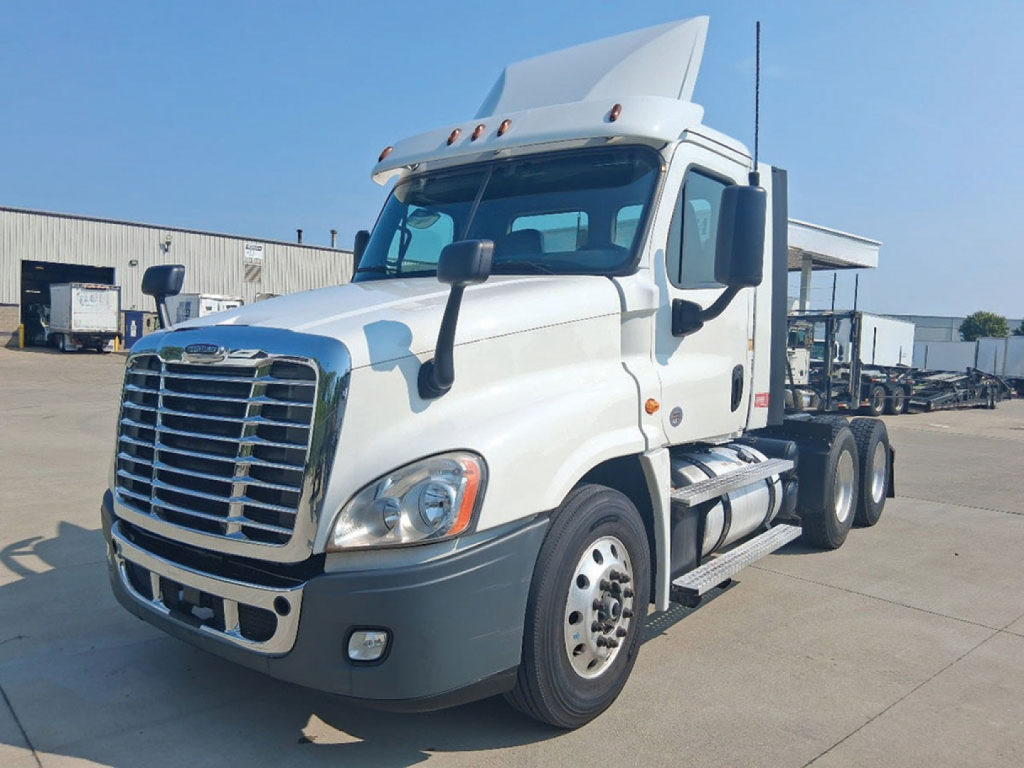
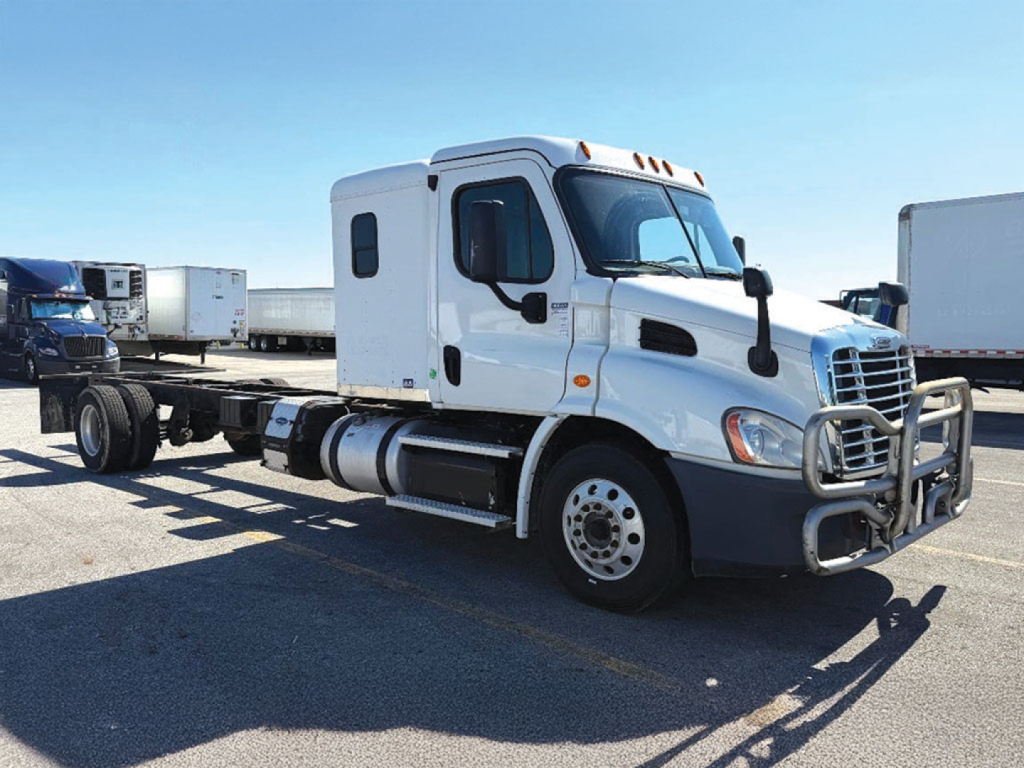
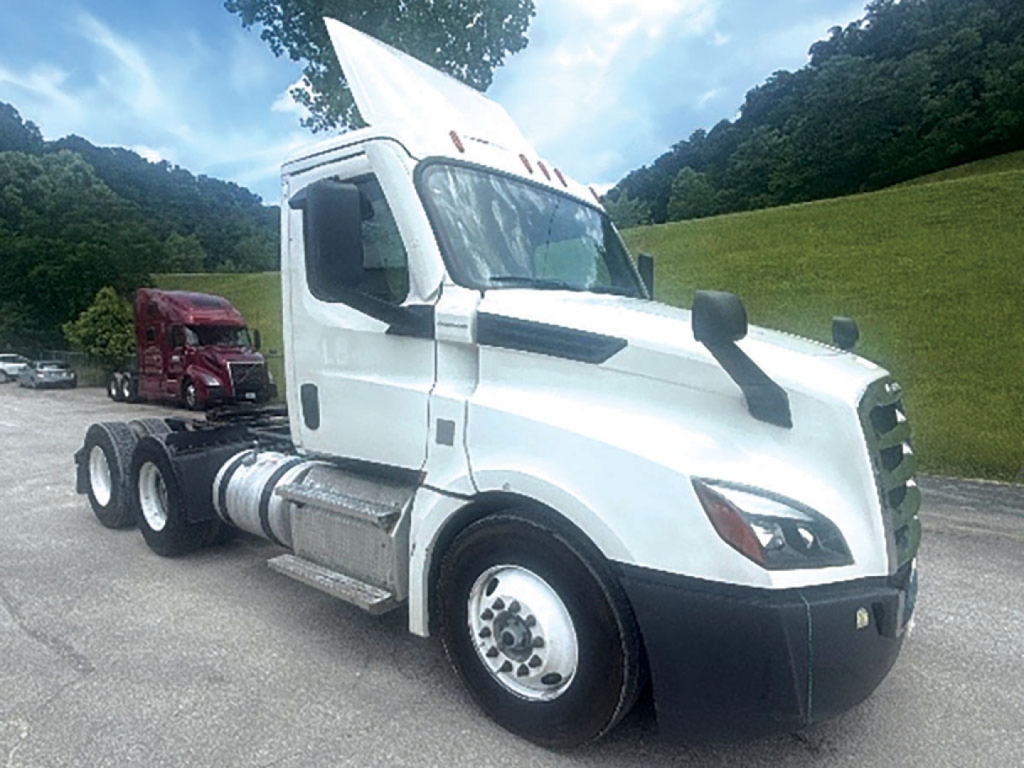
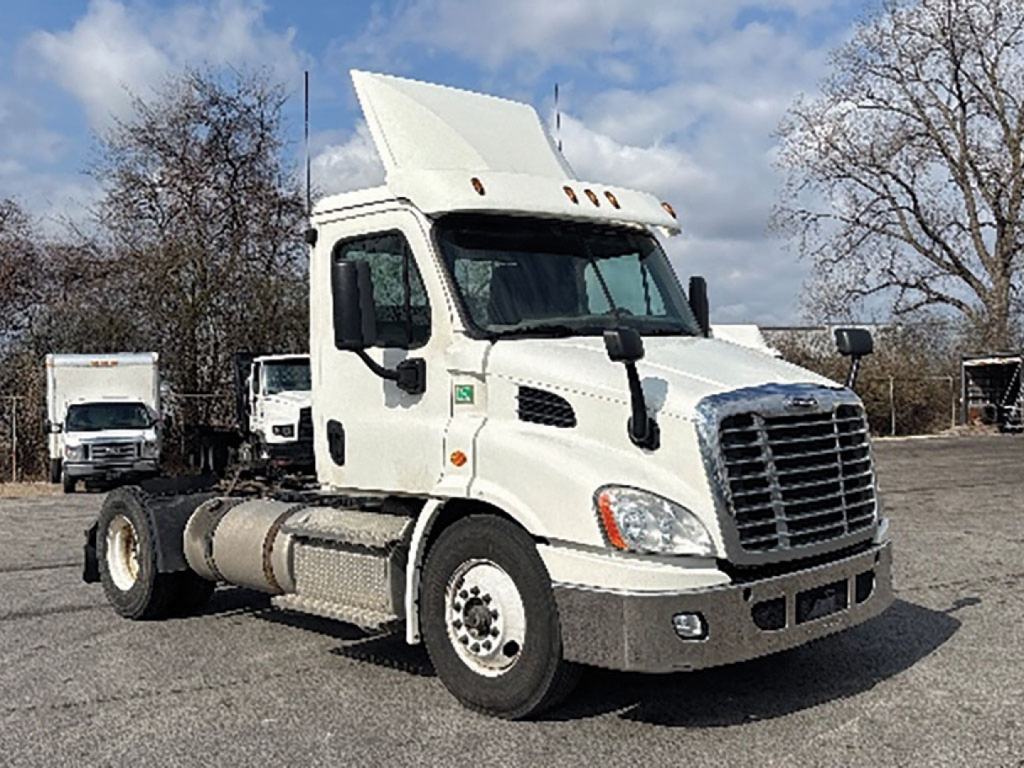
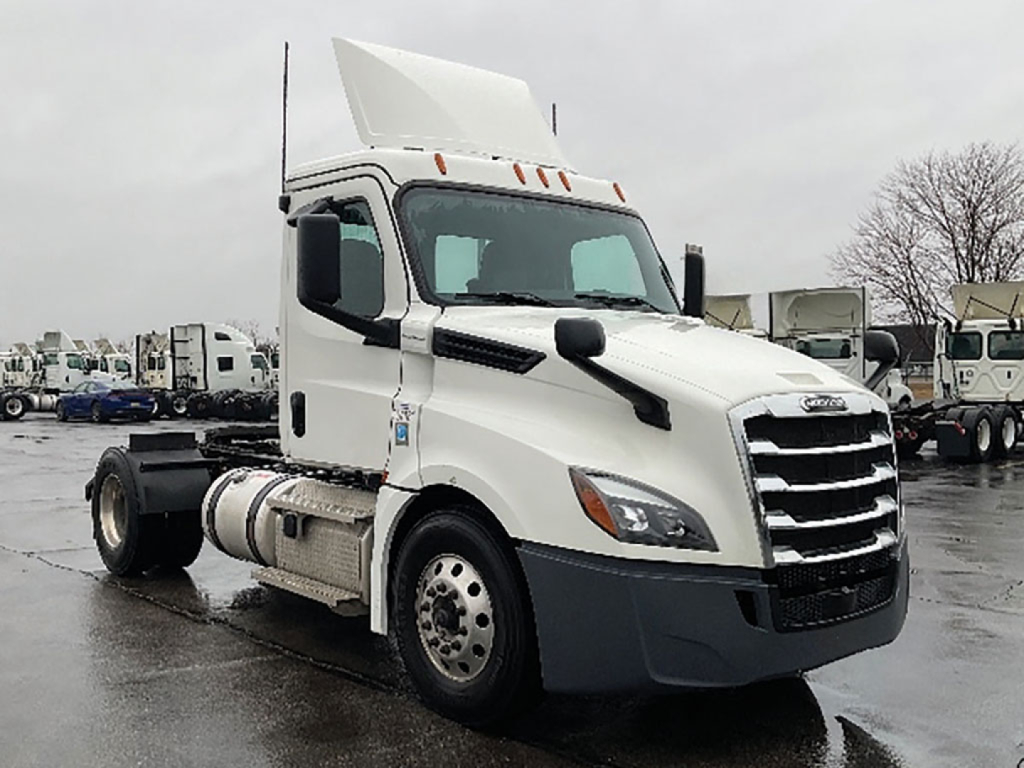
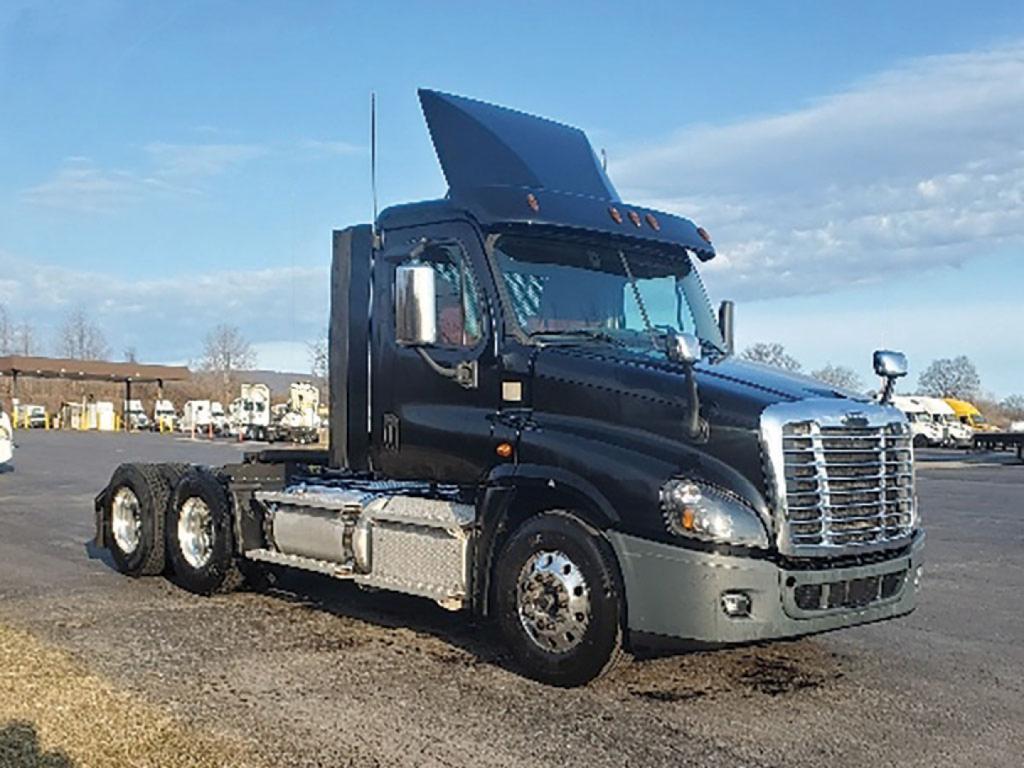
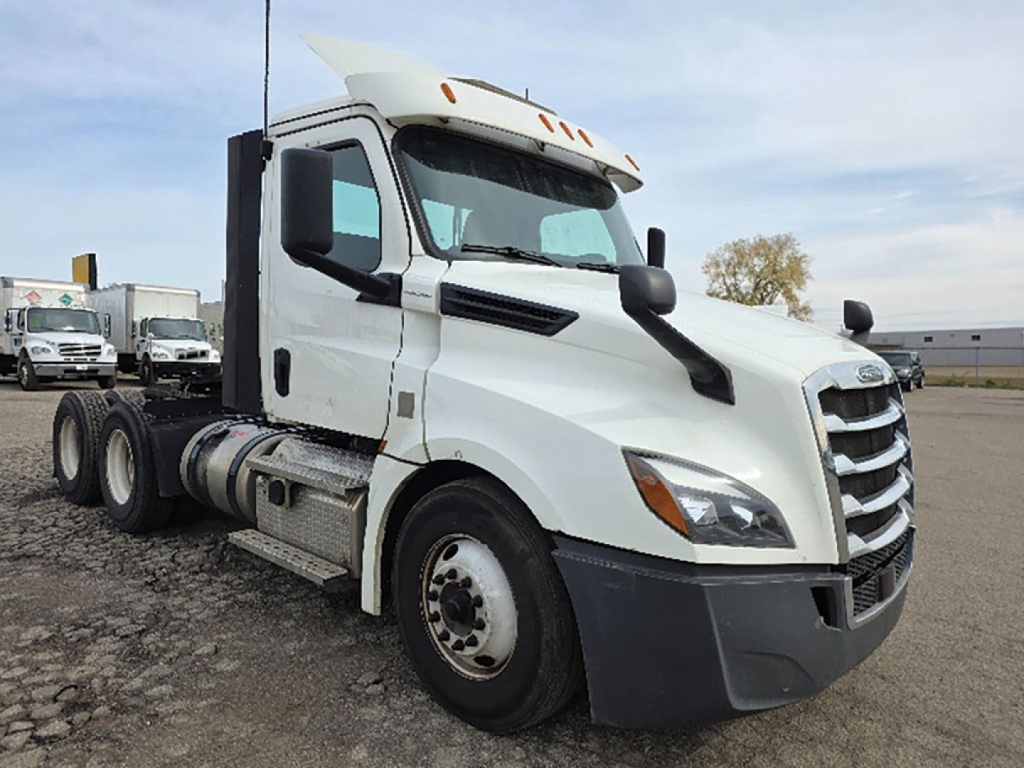
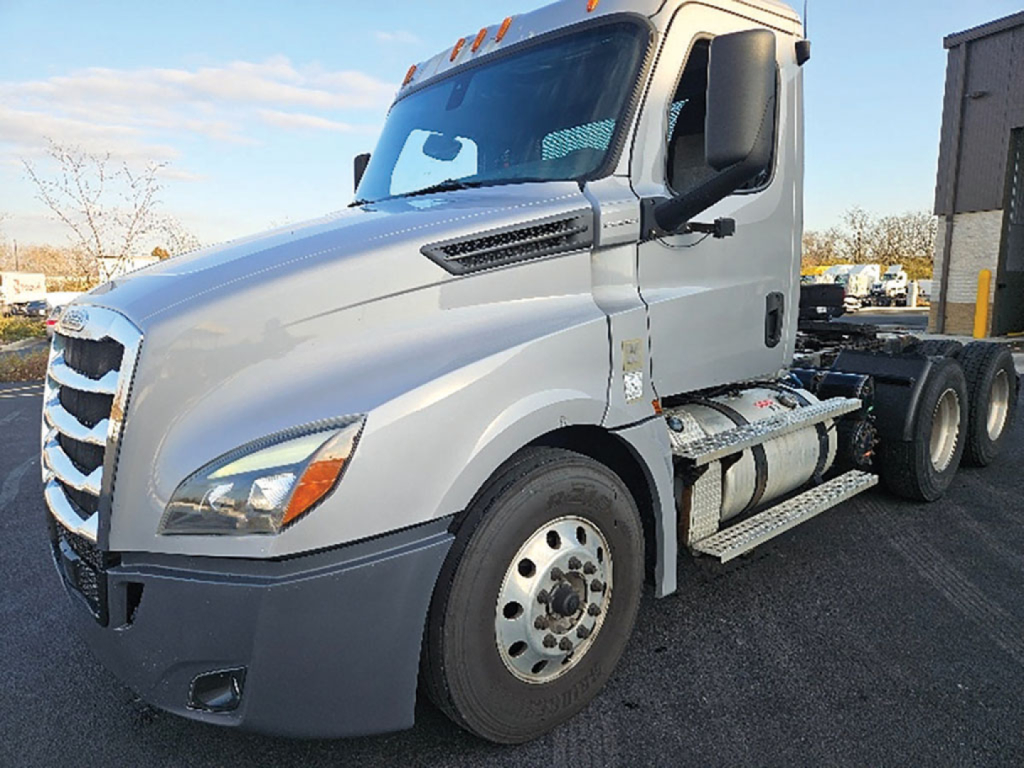

Have used 2020 freightliner truck to sell? List it here to reach thousands of buyers.
Used 2020 Freightliner Trucks in Pennsylvania
A 2020 Freightliner Cascadia often shows up with Detroit DD15 power, though some are spec'd with Cummins X15 engines. Horsepower commonly falls in the 400 to 505 HP range, with 40,000-pound rears and air ride suspension being typical fleet specs. DT12 automated manuals are common in 2020 model-year Freightliners, but some trucks still carry manual transmissions for operations that prefer driver-controlled shifting. Rear axle ratios such as 2.28, 3.08, or 3.42 matter more than many buyers think. Lower numerical ratios generally favor fuel economy at highway speed, while deeper ratios can better suit heavier pulls, mixed terrain, or shorter regional routes. Wheelbase, sleeper size, and fifth wheel setup also affect how well the truck fits a van, reefer, flatbed, or dedicated lane application.
For Pennsylvania operators, rust, frame condition, and exposure to road treatment should be part of every inspection. Look closely at crossmembers, battery box mounts, cab steps, fairing brackets, deck plates, and suspension components. On a used 2020 Freightliner, it also makes sense to review aftertreatment service history, fault codes, DEF system performance, and any records tied to the one-box system, sensors, or emissions-related downtime. If the truck has collision mitigation, lane-assist features, or other driver-assistance systems, confirm that cameras and radar components are intact and calibrated. Tire wear patterns, brake condition, kingpins, bushings, and signs of fifth wheel movement can tell you a lot about prior maintenance discipline.
A well-matched 2020 Freightliner truck can still deliver strong operating economics for fleets and owner-operators alike. Sleeper models are usually the better fit for long-haul freight, while day cabs make more sense for local delivery, intermodal, terminal work, and short regional turns. Freightliner’s large service network is a practical advantage, especially for buyers who prioritize uptime and straightforward parts sourcing. The best listing is not just the cleanest truck on the page. It is the one with the right powertrain, axle ratio, wheelbase, and maintenance history for the freight you actually plan to haul.
Frequently Asked Questions about Used 2020 Freightliner Trucks in Pennsylvania
What is the most common 2020 Freightliner truck model on the used market?
The 2020 Freightliner Cascadia is the most common used model buyers will find, especially in sleeper configurations. It was widely spec'd by large and midsize fleets for over-the-road service, which means there is usually a broad mix of engine ratings, sleeper heights, wheelbases, and transmission types available. Day cab variants are also common for regional and dedicated applications.
Which engine is better in a used 2020 Freightliner, the Detroit DD15 or Cummins X15?
Both are proven heavy-duty platforms, but the better choice depends on your operation and service preference. The Detroit DD15 is extremely common in Freightliner chassis and can be attractive for buyers who want an integrated Detroit powertrain with DT12 automated transmission compatibility. The Cummins X15 is also well respected for power and service familiarity across many fleets. The smarter buying decision is usually based on maintenance records, fault history, emissions-system condition, and how the truck was spec'd rather than engine badge alone.
Is a DT12 automatic transmission a good choice in a used 2020 Freightliner?
A DT12 automated manual can be a very good fit for linehaul and fleet work because it supports fuel efficiency, standardized shifting behavior, and reduced driver fatigue. Buyers should still verify clutch life, software update history, shift quality, and any transmission fault codes before purchase. A DT12 that has been properly maintained can be a solid option, but service history matters more than transmission type by itself.
What should Pennsylvania buyers inspect on a used 2020 Freightliner truck?
Pennsylvania buyers should pay close attention to corrosion and undercarriage condition because winter road treatment can accelerate rust on exposed components. Check the frame rails, crossmembers, suspension parts, cab mounts, battery box supports, fairing brackets, and brake components carefully. It is also important to inspect emissions equipment, review diagnostic reports, and look for uneven tire wear, which can point to alignment or suspension issues.
What axle ratio is best for a used 2020 Freightliner Cascadia?
The best axle ratio depends on average load, terrain, and cruising speed. Ratios like 2.28 are usually aimed at fuel-efficient highway operation with lighter RPM at road speed, while 3.08 or 3.42 can be better for heavier freight, hillier routes, or more stop-and-go work. Buyers should match the ratio to their lanes and trailer type instead of assuming one ratio is universally better.