
Used 2020 Freightliner Trucks For Sale in North Carolina
Browse used 2020 Freightliner trucks in North Carolina, including day cabs and sleepers with Detroit power, DT12 options, and fleet-ready specs.
Learn more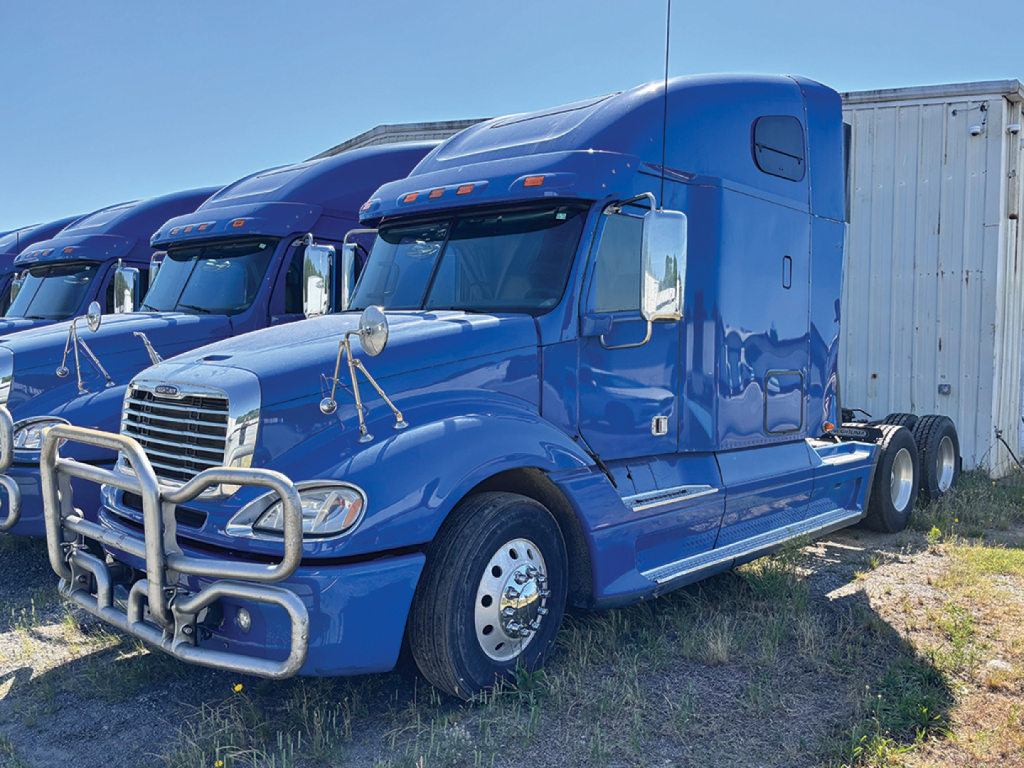

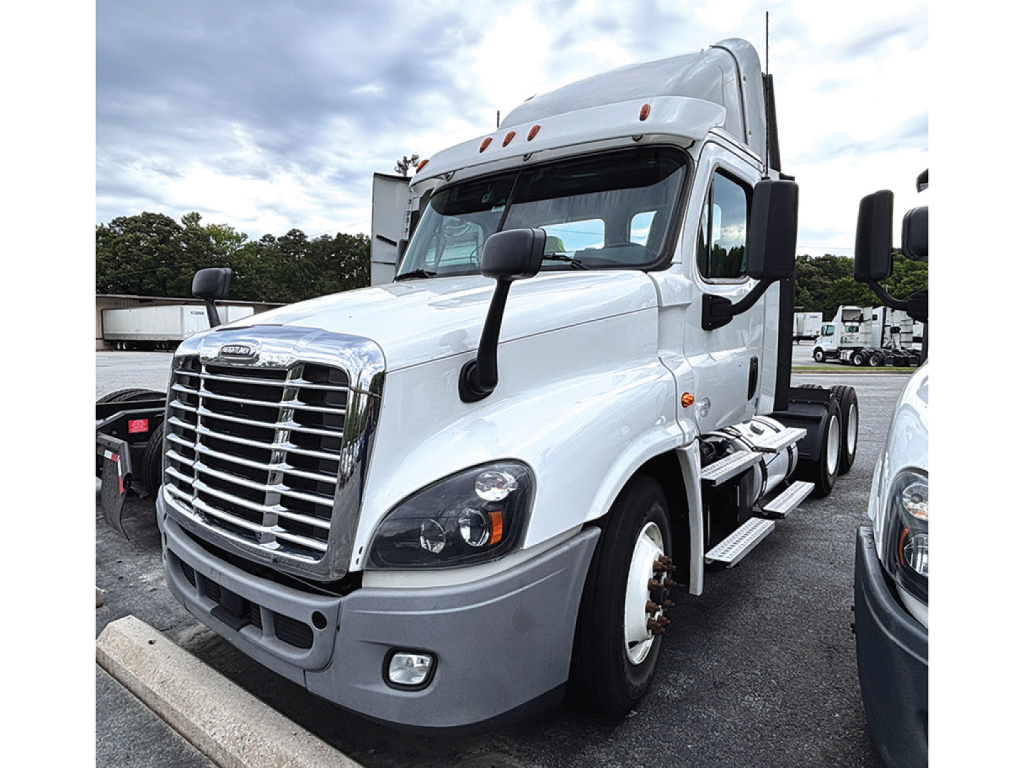
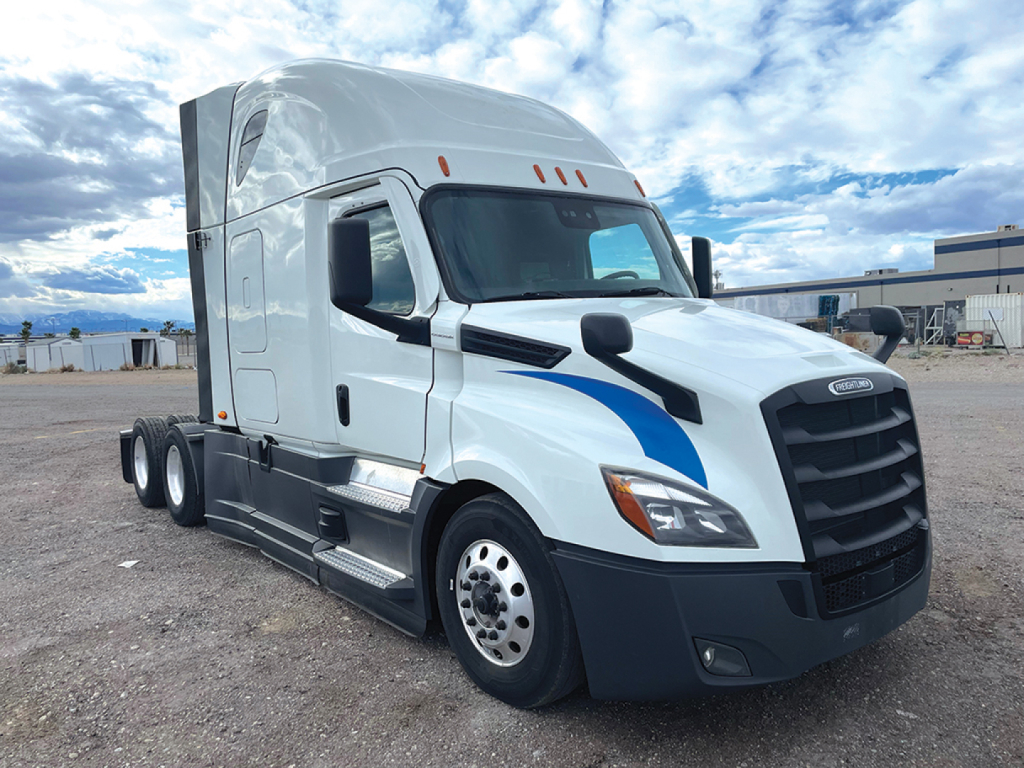
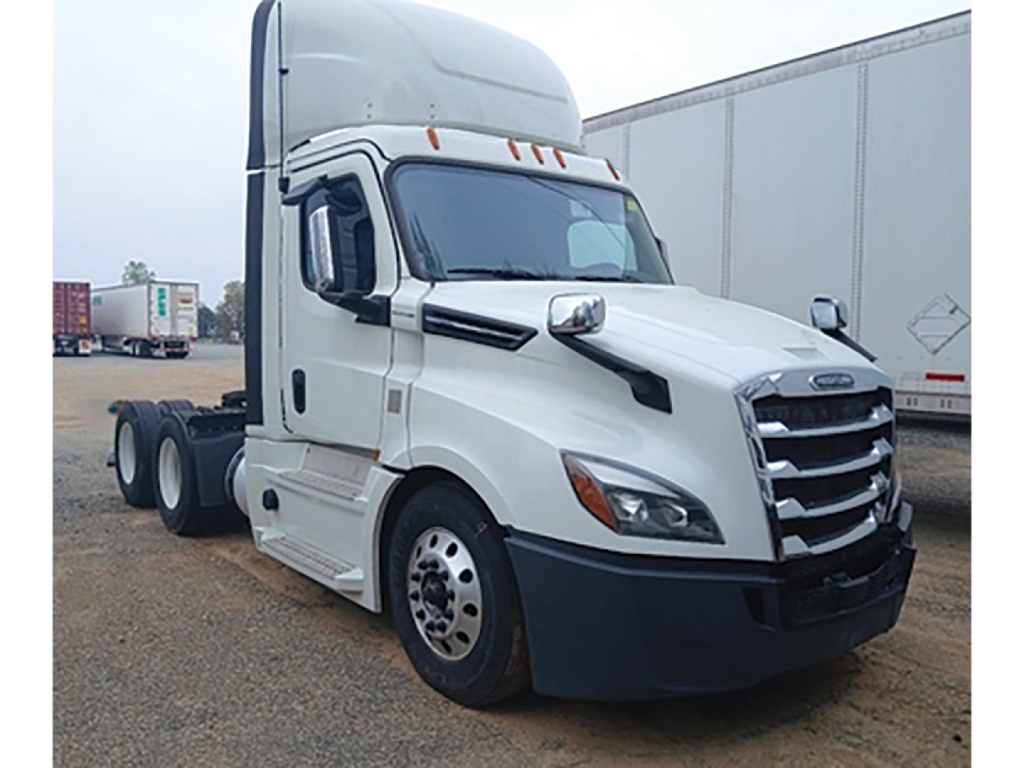
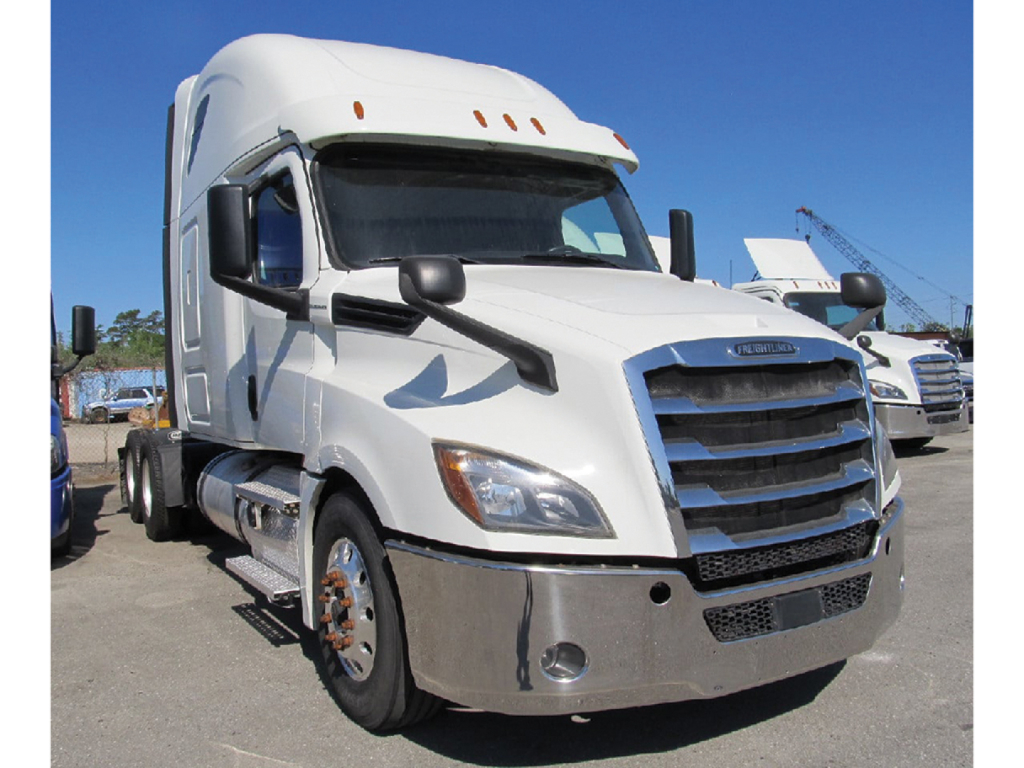
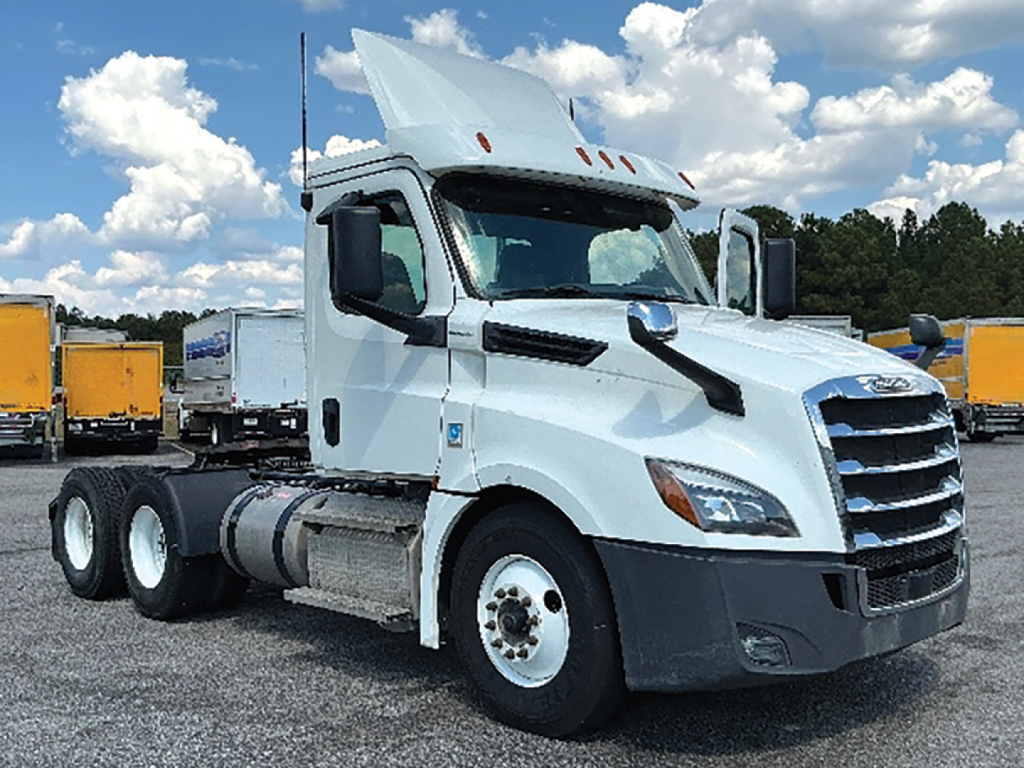
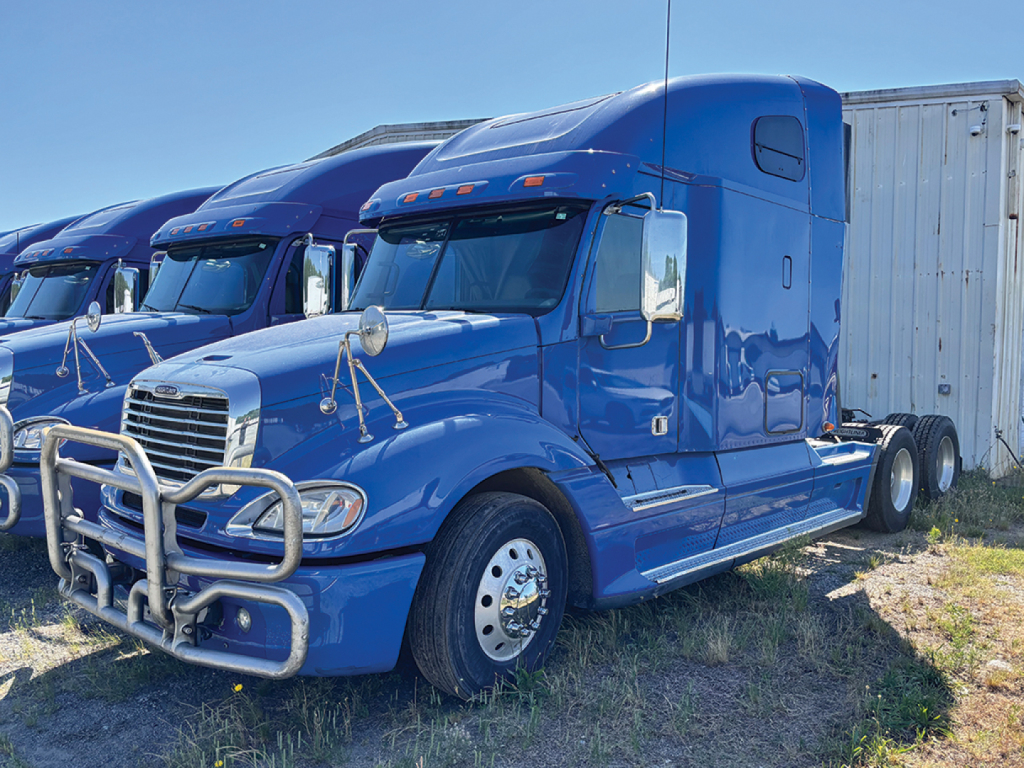
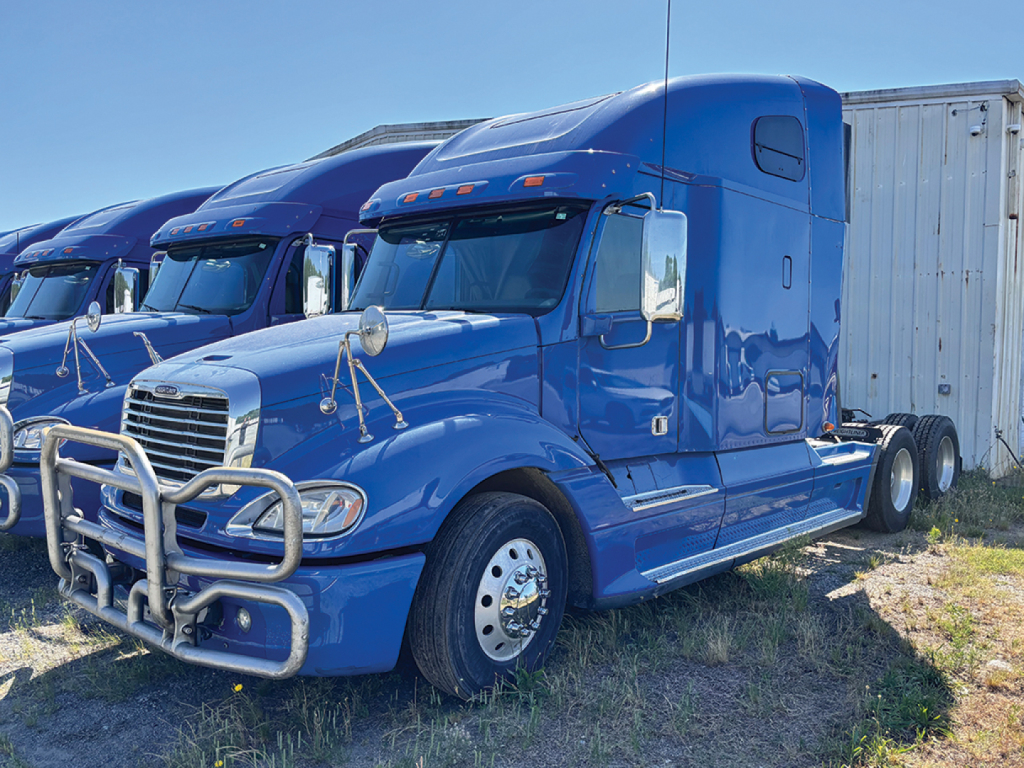
Showing 1 to 12 of 16 results
Have used 2020 freightliner truck to sell? List it here to reach thousands of buyers.
About Used 2020 Freightliner Trucks in North Carolina
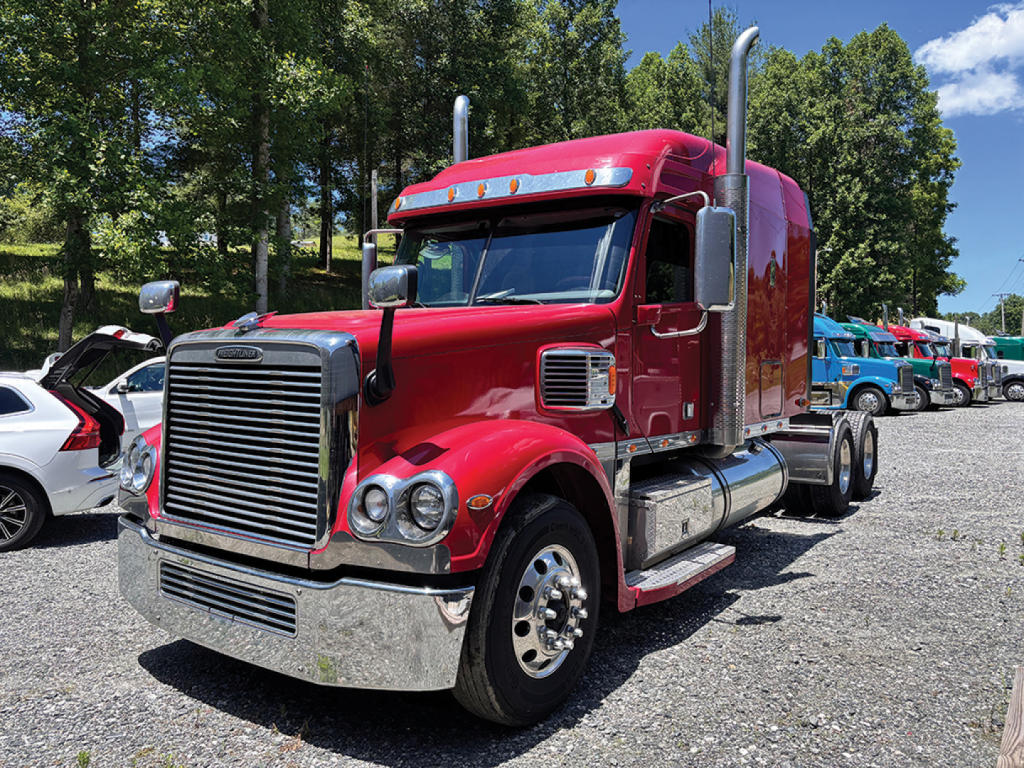
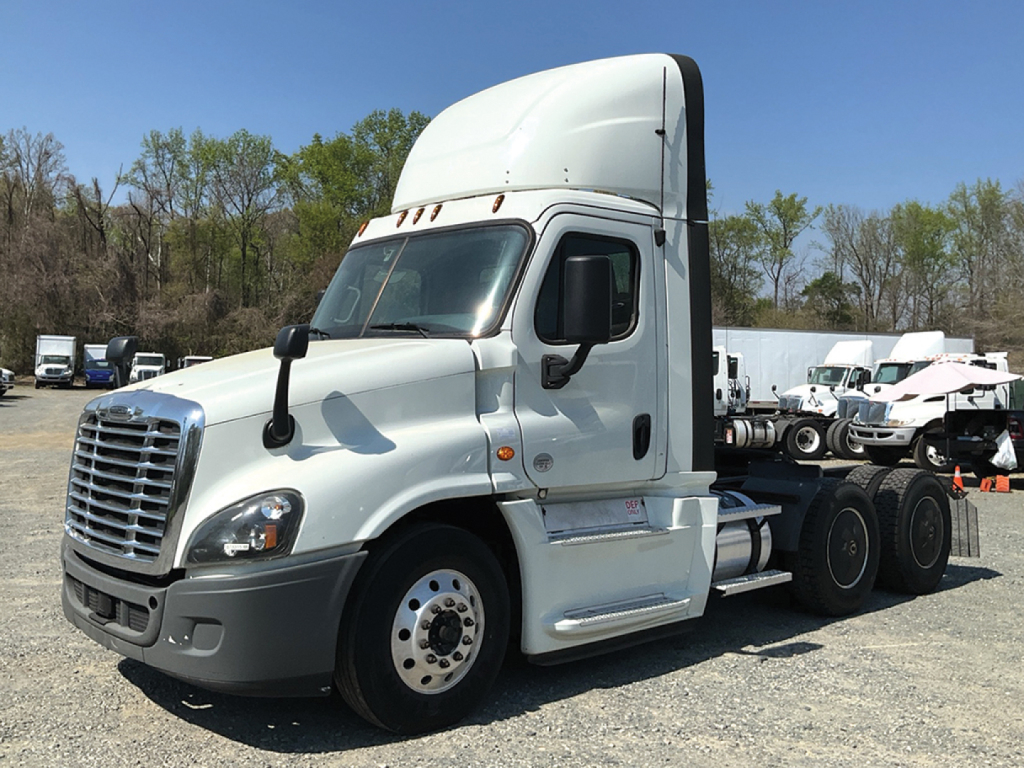
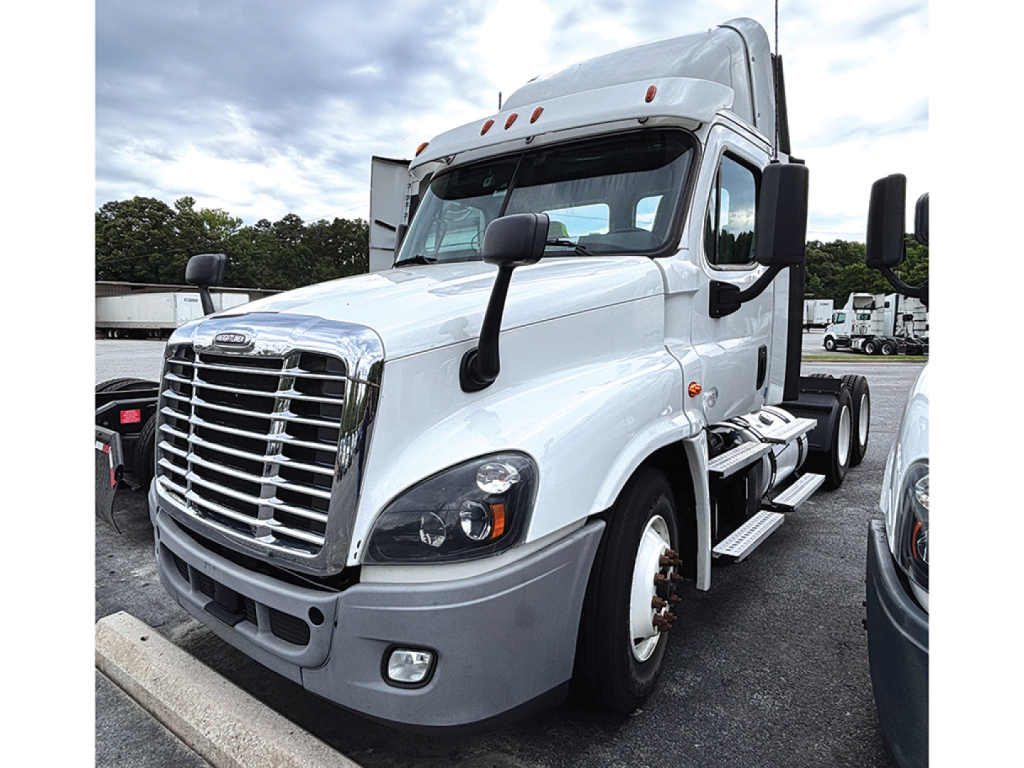
For regional and local freight, a 2020 Freightliner day cab often shows up with a shorter wheelbase, tandem 40,000 lb rears, and ratios such as 3.08 or 3.36 that balance launch performance with highway efficiency. Sleeper tractors in the same year are commonly set up for over-the-road lanes with mid-roof or raised-roof sleepers, larger fuel capacity, fairings, and longer wheelbases. Detroit engine brake, air ride suspension, air slide fifth wheel, and disc or drum brake configurations are all common points to verify. If the truck will pull van, reefer, flatbed, or bulk trailers, it is worth checking rear suspension spec, fifth wheel travel, and kingpin-to-rear-axle setting so the tractor matches bridge law requirements and trailer swing clearance needs.
A major advantage of used 2020 Freightliner trucks is the technology package compared with older platforms. Many were equipped with collision mitigation, lane-related safety features, automated transmissions, and more integrated dash diagnostics. That can improve driver acceptance and reduce training time, but it also makes service history more important. Look closely at aftertreatment performance, idle hours, transmission calibration records, and any fault history tied to sensors, radar, or camera systems. North Carolina buyers should also pay attention to cooling system condition, APU or idle management setup, and tire spec if the truck is expected to run a mix of I-40, I-85, port freight, mountain grades, and urban delivery routes.
The best used 2020 Freightliner truck is not simply the one with the highest horsepower. It is the one with a spec that matches the freight. A DD13 day cab with an efficient ratio can be the right tool for regional lanes and distribution work, while a DD15 sleeper with the proper rear ratio and fuel capacity fits longer haul operations better. Cab condition, emissions maintenance, brake and tire life, frame integrity, and ECM-backed mileage and hours should carry more weight than polished tanks or appearance items. Freightliner trucks from this period remain popular because they are easy to place into fleet service, familiar to drivers and technicians, and available in configurations that cover everything from local haul to long-distance over-the-road work.
Frequently Asked Questions
What models are most common when shopping for a used 2020 Freightliner truck?
The most common 2020 Freightliner trucks on the used market are typically Cascadia day cabs and Cascadia sleeper tractors. Day cabs are usually targeted at local and regional freight, while sleepers are built for longer over-the-road service. The exact configuration matters more than the badge alone, so buyers should compare engine, transmission, wheelbase, rear axle ratio, suspension, and fuel capacity before deciding which truck best fits the job.
What engine and transmission combinations are common in 2020 Freightliner trucks?
Many 2020 Freightliner trucks were spec'd with Detroit DD13 or DD15 diesel engines, often paired with the DT12 automated manual transmission. These combinations are common because they support fuel efficiency, consistent shift logic, and broad serviceability. Some trucks may have manual transmissions, but DT12-equipped units are especially common in fleet service. Buyers should confirm horsepower, torque rating, rear axle ratio, and transmission programming because those details have a direct effect on drivability and operating cost.
Is a used 2020 Freightliner truck a good fit for North Carolina operations?
A used 2020 Freightliner truck can be a strong fit for North Carolina because these trucks are commonly spec'd for mixed operating conditions such as interstate runs, regional distribution, port freight, and mountain terrain. Buyers should match the truck to the route profile. Shorter wheelbase day cabs work well in tighter terminals and urban deliveries, while sleepers with higher fuel capacity and aerodynamic packages fit longer lanes. Cooling system condition, brake spec, tire setup, and engine brake performance are especially important for trucks expected to run both flat corridors and grade-heavy western parts of the state.
What should buyers inspect first on a used 2020 Freightliner truck?
The first priorities are service records, engine hours, idle hours, aftertreatment history, and ECM data. On a 2020 truck, emissions system condition and electronic diagnostics matter as much as visible wear. Buyers should also inspect brake life, tire wear pattern, suspension condition, frame rails, fifth wheel operation, and signs of prior collision repair. If the truck has collision mitigation or other driver-assist systems, those components should be checked for proper calibration and fault history before purchase.
How do I choose between a 2020 Freightliner day cab and sleeper?
The choice comes down to route length, trailer type, and operating pattern. A day cab is usually the better tool for local or regional work where lower weight, easier maneuvering, and shorter wheelbase matter. A sleeper is the better choice for over-the-road operations that require driver rest space, larger fuel capacity, and more flexibility on longer lanes. Buyers should also consider resale demand in their region, because some markets favor fuel-efficient day cabs while others consistently move mid-roof and raised-roof sleeper tractors faster.