
Used 2020 Freightliner Conventional Sleeper Trucks For Sale in North Carolina
Shop used 2020 Freightliner conventional sleeper trucks in North Carolina. Compare Cascadia specs, sleepers, powertrains, mileage, and axle setups.
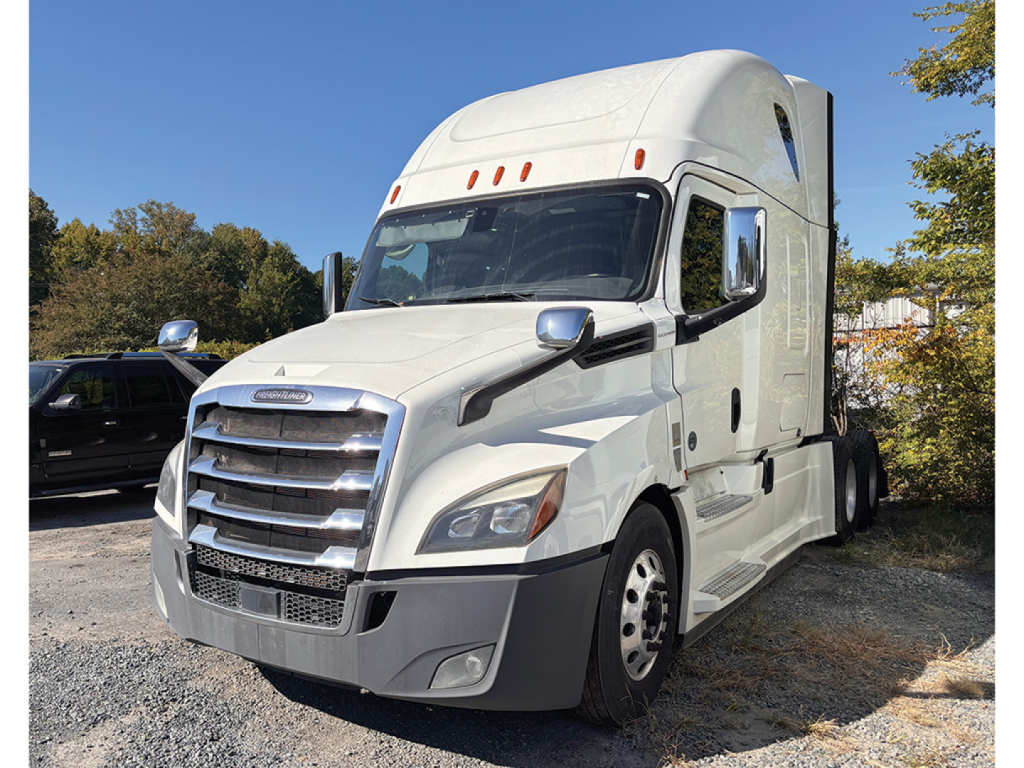
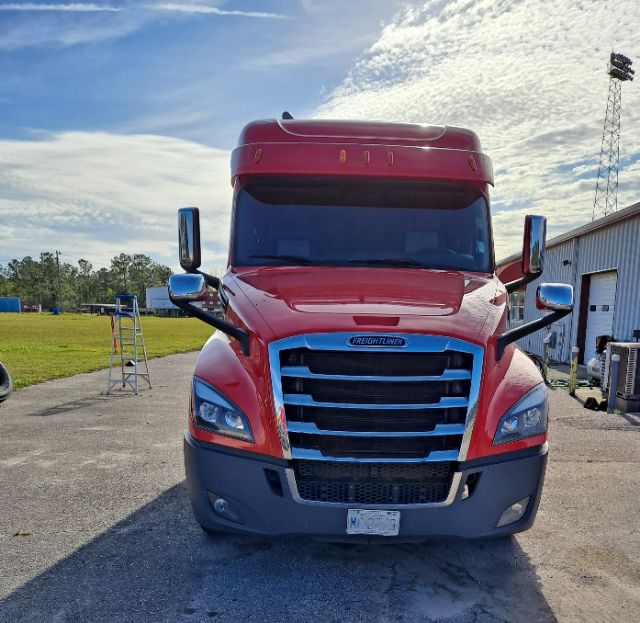
Selling a used 2020 freightliner conventional sleeper truck? List your used 2020 freightliner conventional sleeper truck for sale and reach thousands of commercial buyers.
Used 2020 Freightliner Conventional Sleeper Trucks in North Carolina
Mileage and idle time matter as much as model year on a used sleeper. A 2020 truck may still have strong value if the maintenance history is clean and the aftertreatment system, transmission calibration, and emissions components have been properly serviced. Buyers should pay close attention to DPF service intervals, DEF system history, check engine and aftertreatment fault records, and any evidence of downtime tied to sensors or regen issues. On Freightliner Cascadia sleepers, it also pays to verify collision mitigation and lane departure systems are functioning correctly, since many 2020 models were spec'd with driver-assist technology that affects both safety and repair cost.
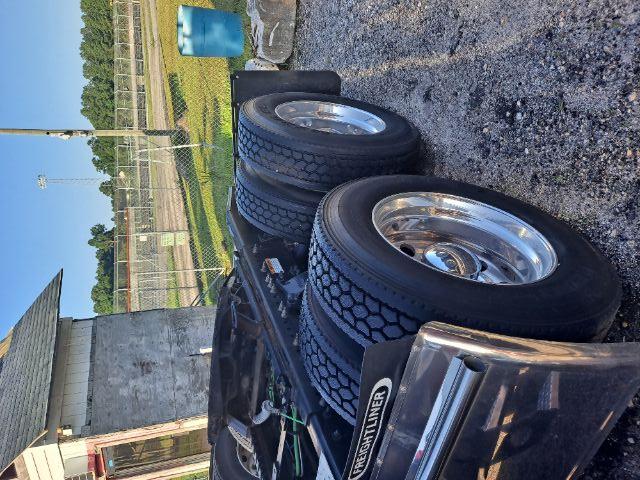
Cab and chassis spec can change how well the truck fits your freight. A used 2020 Freightliner conventional sleeper may be set up with a 6x4 axle configuration, 3.08 to 3.42 rear axle ratios, and wheelbases commonly suited to van and reefer work. Buyers pulling heavier loads or running mixed terrain should look closely at horsepower, torque rating, and GCWR, not just fuel economy. Interior condition also matters on a sleeper. Check bunk layout, HVAC performance, inverter setup, cabinet condition, and signs of excessive wear from long-haul service. Features like an air-slide fifth wheel, disc or drum brake spec, tire condition, and remaining tread depth can directly affect startup cost after purchase.
Freightliner conventional sleepers remain popular because parts support is broad, service networks are strong, and many technicians know the Cascadia platform well. That can make a real difference for owner-operators and small fleets trying to control operating cost. The best used 2020 Freightliner sleeper truck is not just the lowest-mile unit. It is the one with the right sleeper configuration, documented maintenance, engine and transmission spec matched to the lane, and a chassis setup that supports the trailer and freight you plan to haul.
Frequently Asked Questions about Used 2020 Freightliner Conventional Sleeper Trucks in North Carolina
What engine and transmission are common in a used 2020 Freightliner conventional sleeper?
Most used 2020 Freightliner conventional sleeper trucks, especially Cascadia models, are equipped with a Detroit DD13 or DD15 engine paired with a DT12 automated manual transmission. Horsepower ratings commonly fall in the 400 to 505 HP range depending on the original fleet or owner-operator spec. The exact setup affects fuel economy, loaded performance, and maintenance cost, so buyers should confirm engine rating, torque output, rear axle ratio, and transmission calibration before purchase.
Is a 2020 Freightliner Cascadia sleeper a good choice for over-the-road freight?
Yes. The 2020 Freightliner Cascadia sleeper is widely used in over-the-road service because it combines an aerodynamic hood, efficient Detroit powertrain options, and a cab designed for long hours on the highway. It is commonly spec'd for dry van and reefer work, and it generally offers good driver comfort, strong dealer support, and broad parts availability. The better buy is the truck with the right sleeper size, axle ratio, and maintenance history for your lane, not simply the newest or cheapest one.
What should I inspect first on a used 2020 Freightliner sleeper truck?
Start with maintenance records, fault codes, and emissions system history. On a used 2020 truck, buyers should verify DPF cleaning intervals, DEF system repairs, regen performance, and any active or stored aftertreatment faults. After that, inspect tire wear, brakes, suspension, fifth wheel condition, coolant and oil leaks, and signs of collision repair. In the cab and sleeper, confirm HVAC operation, bunk condition, inverter function, and any electronic safety systems that may affect uptime or repair cost.
What sleeper and axle specs matter most when comparing used 2020 Freightliner conventional sleepers?
Sleeper size, wheelbase, axle ratio, and fuel capacity are the main fitment items. A mid-roof or raised-roof sleeper changes driver comfort and storage, while wheelbase affects maneuverability and trailer clearance. Rear axle ratios such as 3.08, 3.25, or 3.42 influence cruise RPM, gradeability, and fuel burn. Buyers should also confirm tandem axle capacity, fifth wheel position, and tank size to make sure the truck matches the trailer type, payload, and range requirements of the operation.
Why do used 2020 Freightliner sleeper trucks stay popular in North Carolina?
They remain popular in North Carolina because they fit the freight mix well, especially regional and long-haul van and refrigerated work moving through major distribution corridors. Freightliner service support is extensive, parts are readily available, and many shops are familiar with the Cascadia platform. That combination can reduce downtime and simplify maintenance planning for owner-operators, small fleets, and larger carriers alike.