
Freightliner Trucks For Sale in Oregon
Used Freightliner trucks in Oregon. Compare Cascadia, M2, and SD specs, engines, and transmissions for highway, regional, logging, and vocational work.
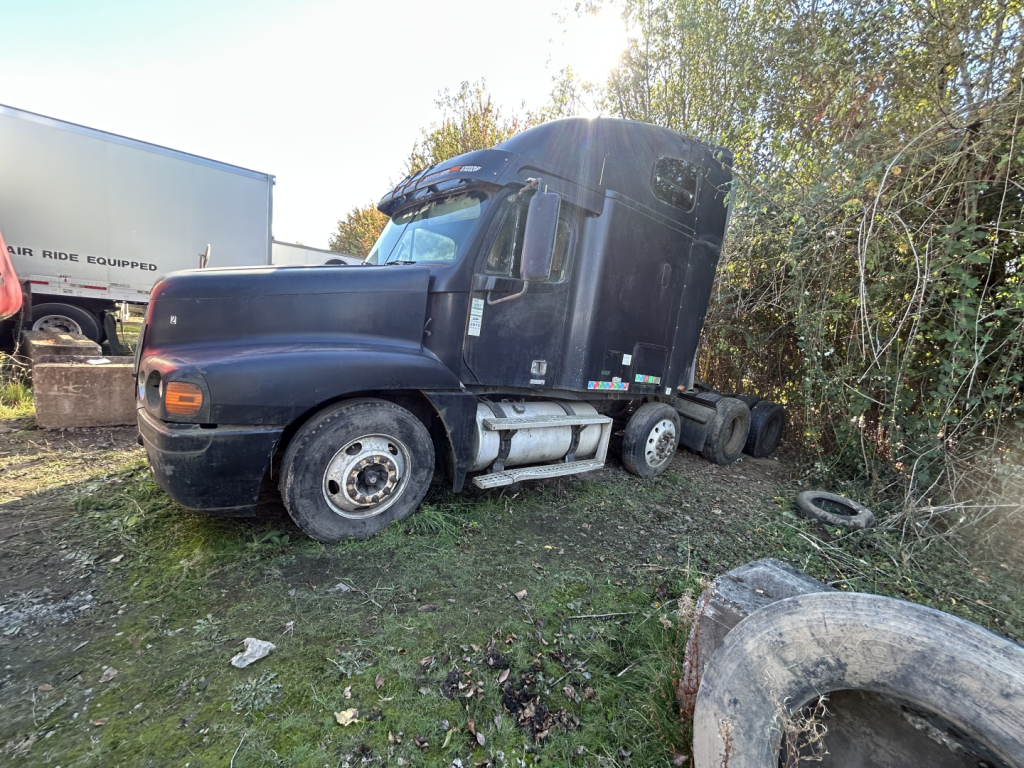
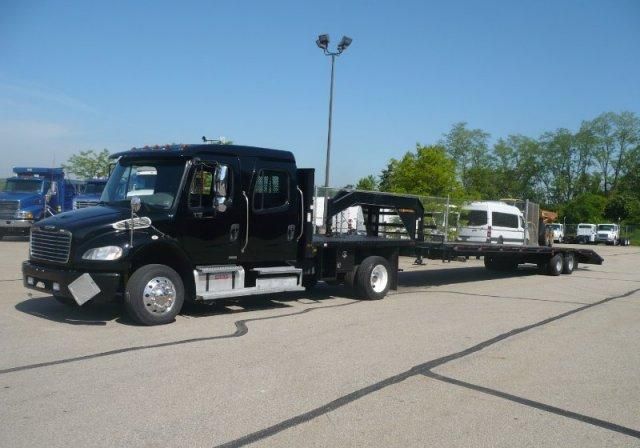
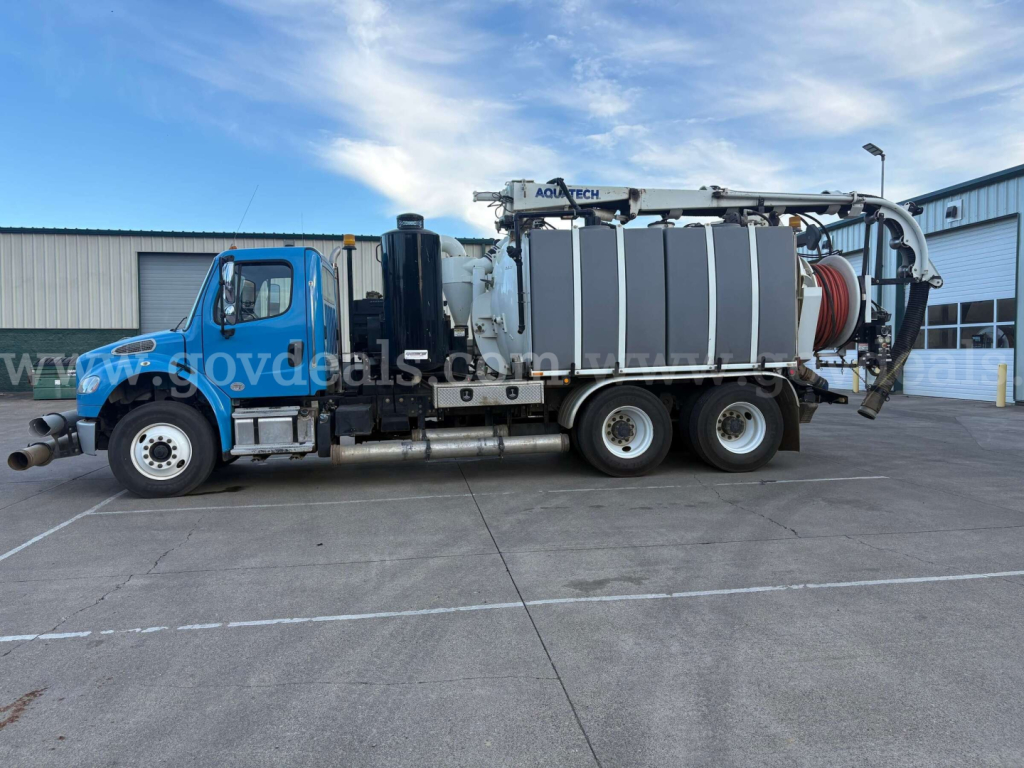
Selling a freightliner truck? List your freightliner truck for sale and reach thousands of commercial buyers.
Freightliner Trucks in Oregon
Across applications, the lineup is broad. Cascadia day cabs and sleepers dominate long haul and regional haul with aerodynamic packages, battery HVAC options, and Detroit Assurance safety systems. The M2 106 and 108SD cover medium to heavy vocational and P&D with Allison automatics common in stop-and-go routes around the Willamette Valley. For logging, dump, and lowboy work east of the Cascades, the 114SD and 122SD Plus are frequent picks thanks to set-forward or set-back front axle options, double-frame or insert frames, 20k steer, 46k rears, drop axles, and high-capacity cooling. Common spec adds include aluminum wheels to trim tare, automatic tire inflation, disc brakes for wet weather performance, and scuff liners or hardwood floors in van bodies that see frequent forklift traffic.
Used buyers should focus on powertrain health and aftertreatment history. On Detroit-powered units, review one-box replacement dates, DPF ash load, NOx sensor and DEF pump history, and any SCR efficiency faults. On DT12 trucks, ask about clutch actuator service and software updates; on Eaton manuals, confirm clutch and input shaft condition. Inspect cab mounts, aero fairings, HVAC operation, and wiring for chafe points. In Oregon’s damp climate, check frame paint, crossmembers, brake hardware, and fifth wheel for corrosion, especially trucks that worked the coast. For vocational SD models, examine double-frame scaling, suspension bushings, hub seals, and evidence of off-road impacts.
Operating profile drives the best fit. Linehaul Cascadias with roof fairings, side extenders, chassis skirts, and 6x2 can deliver top fuel economy on I-5, but many fleets stick with 6x4 for winter traction. If the truck will cross into California, an EPA 2010 or newer engine with documented aftertreatment upkeep is essential for compliance. Oregon’s weight-mile tax makes tare weight and axle group ratings relevant to cost per mile, so items like aluminum hubs, wide-base singles, and lighter fifth wheels can pay back if they align with your lanes and trailer set. Telematics such as Detroit Connect help monitor fuel burn, idle time, and fault codes, and a strong Pacific Northwest dealer network supports parts and service planning from Medford to Portland to Pendleton.
Frequently Asked Questions about Freightliner Trucks in Oregon
Which Freightliner models make the most sense for Oregon routes?
For long haul and regional freight on I-5 and I-84, the Cascadia in day cab or sleeper form offers the best aerodynamics, driver amenities, and safety tech. Urban P&D, utility, and lighter vocational work often fit the M2 106 with Allison automatics. For logging, dump, mixer, and lowboy work east of the Cascades, the 114SD or 122SD Plus provide heavier frames, higher axle ratings, and better approach clearance.
What engine and transmission pairings work well in the Cascades and coastal ranges?
Detroit DD15 with the DT12 automated manual is a common, efficient pairing that manages grades well using predictive cruise and engine braking. DD13 suits regional hauls where weight and stop-start efficiency matter. Cummins X15 matched with Eaton Endurant or Fuller 13-speed is a strong choice for heavier vocational or mountainous work. If frequent slow-speed or off-road maneuvering is expected, an Allison automatic on M2 or SD models delivers smooth control and integrated hydraulic retarder options.
How should I choose axle ratios and configurations for Oregon terrain?
For primarily flat I-5 linehaul, ratios in the 2.47 to 2.85 range with direct or overdrive top gears optimize fuel economy when paired with high-torque engines and tall rubber. For mixed routes with significant grades, 3.08 to 3.55 improves startability and hill pull. Many buyers prefer 6x4 with inter-axle and cross-locking differentials for winter traction, while 6x2 can save weight and fuel on dry, predictable lanes. Tire size and transmission top gear should be considered together to hit target cruise RPM.
What should I inspect on a used Freightliner Cascadia before purchase?
Request aftertreatment service history, including DPF cleaning or replacement, one-box or SCR repairs, and sensor replacements. Scan for active and inactive fault codes, confirm DEF quality, and check for exhaust leaks. Test the DT12 or Eaton clutch engagement, verify PTO or APU operation if equipped, and look for wear on cab bushings, hood hinges, and aero fairings. Inspect steer tire wear for alignment or kingpin issues, check frame rails and crossmembers for corrosion, and assess fifth wheel condition and slider function.
Can an Oregon-based Freightliner operate in California or Canada without issues?
Trucks running into California should be powered by EPA 2010 or newer engines to align with emissions requirements, and many carriers also prefer SmartWay aerodynamic specs to reduce fuel burn. For British Columbia and Oregon mountain passes, confirm you have adequate engine braking, chain capability, and differential locks. Always verify current regulatory requirements for your lanes, permits, and weight limits before dispatch.