
Freightliner Trucks For Sale in Nevada
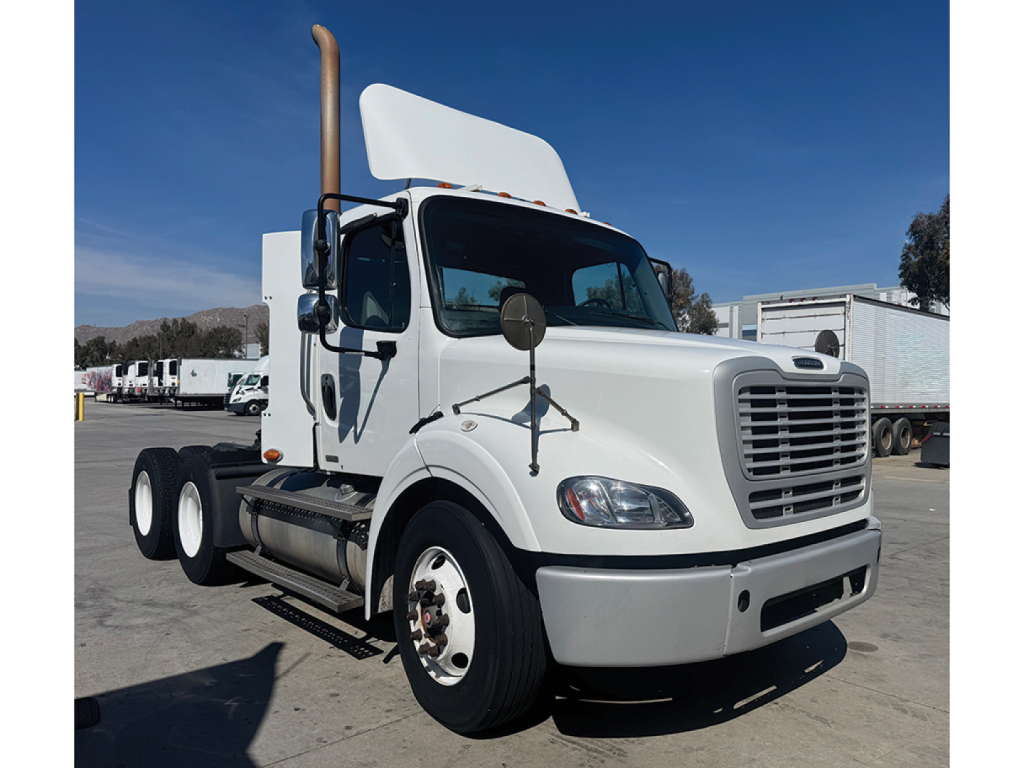
2014 Freightliner M2 112
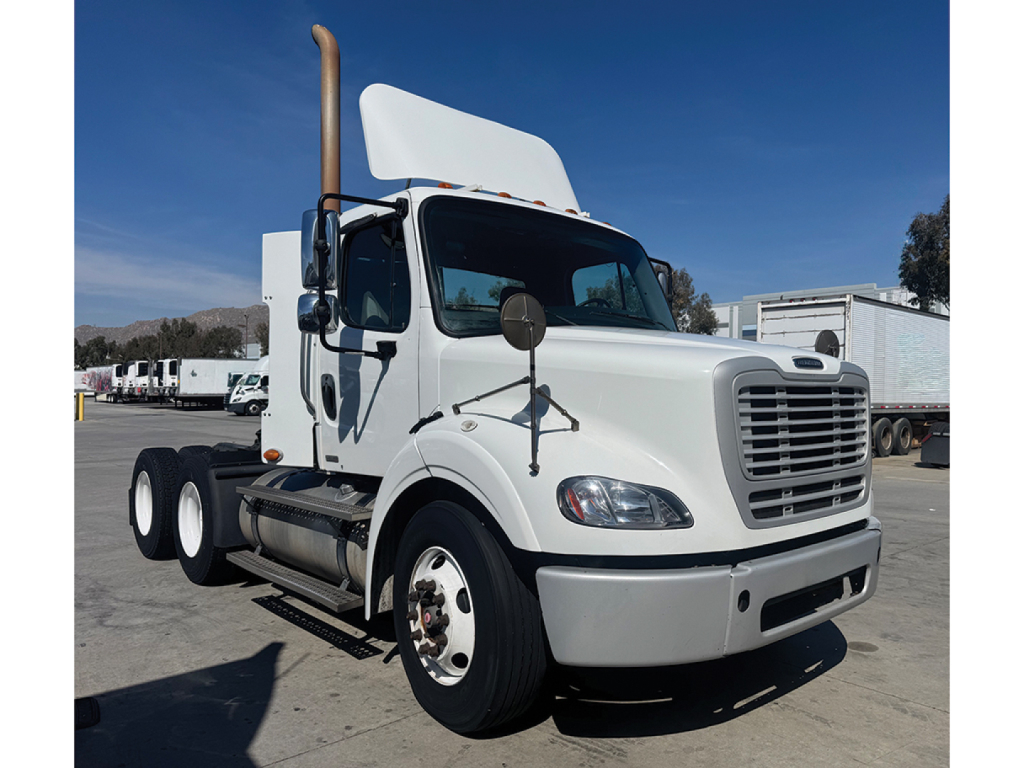
2014 Freightliner M2 112
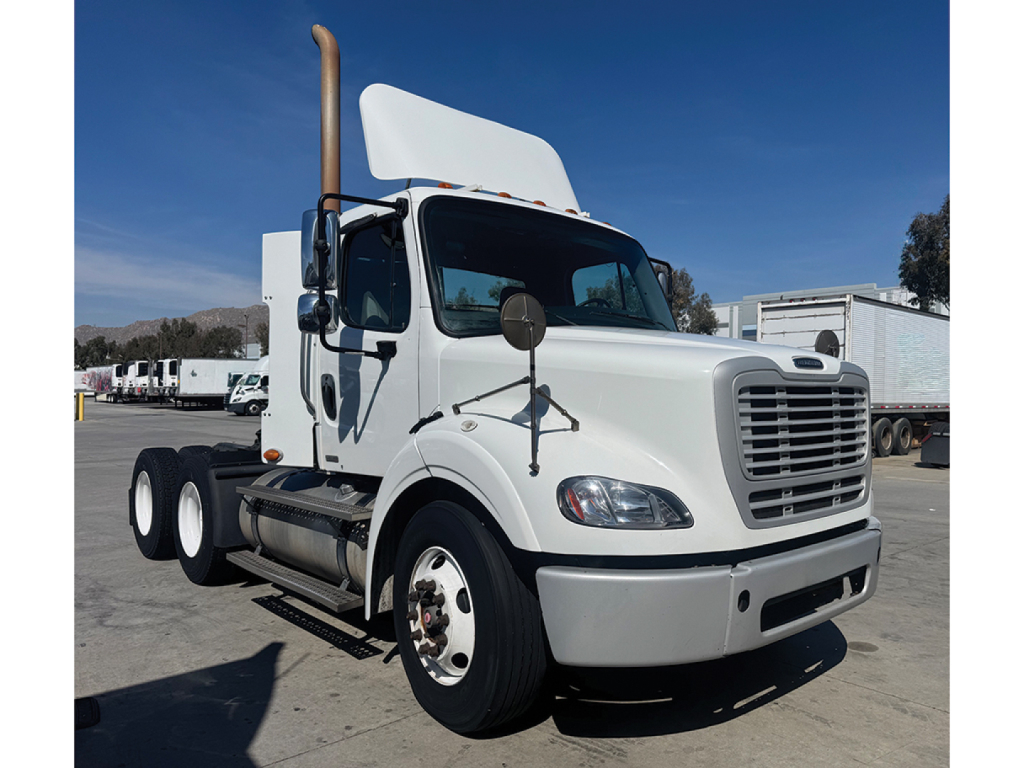
2014 Freightliner M2 112
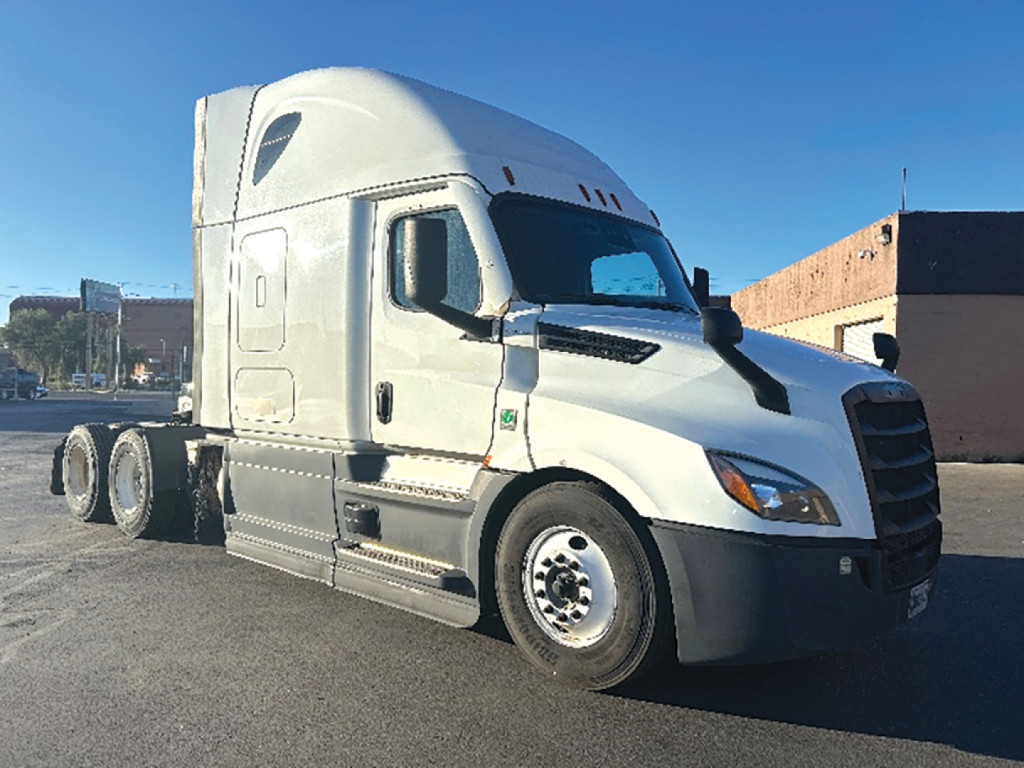
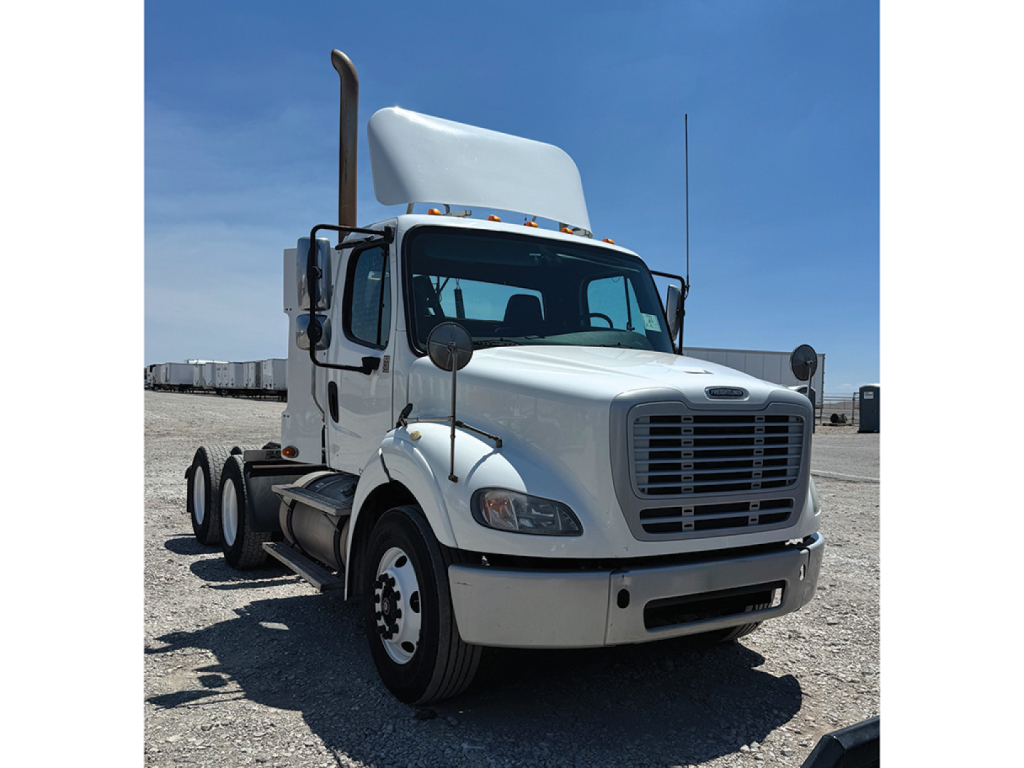
2012 Freightliner M2 112
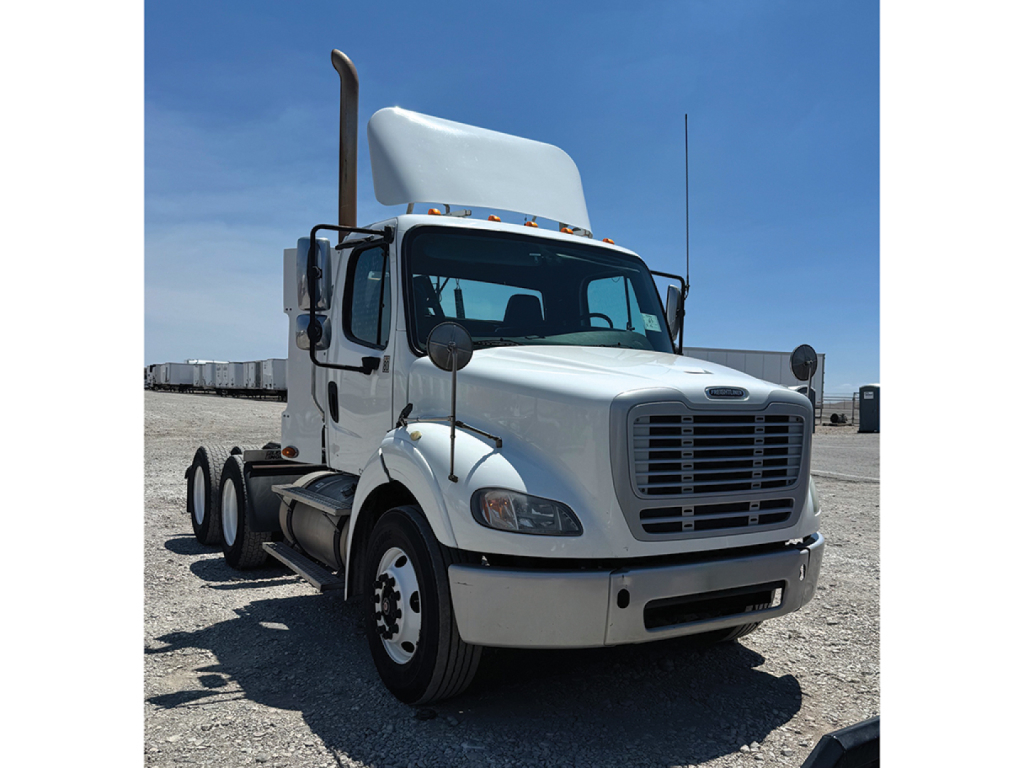
2012 Freightliner M2 112
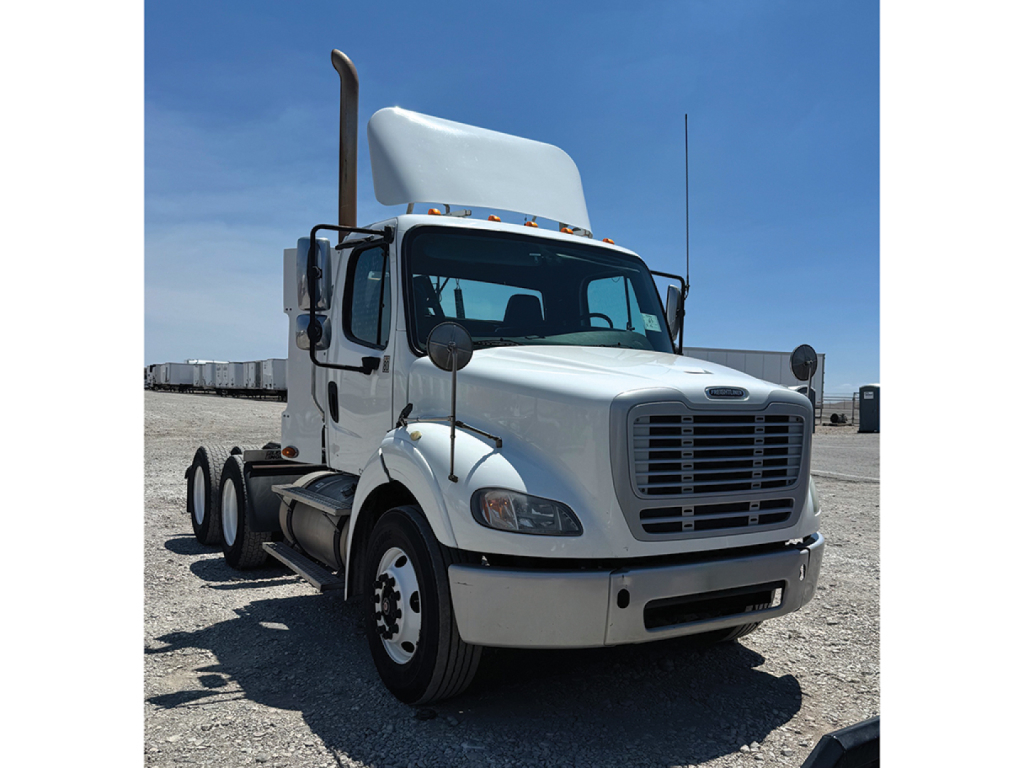
2012 Freightliner M2 112
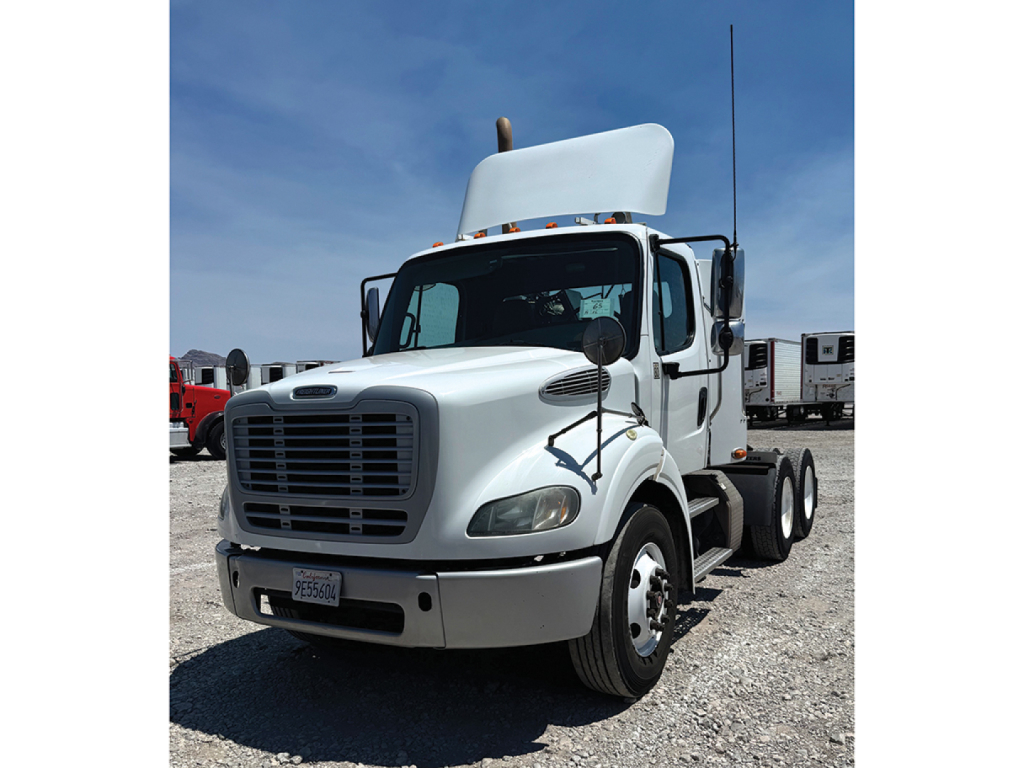
2013 Freightliner M2 112
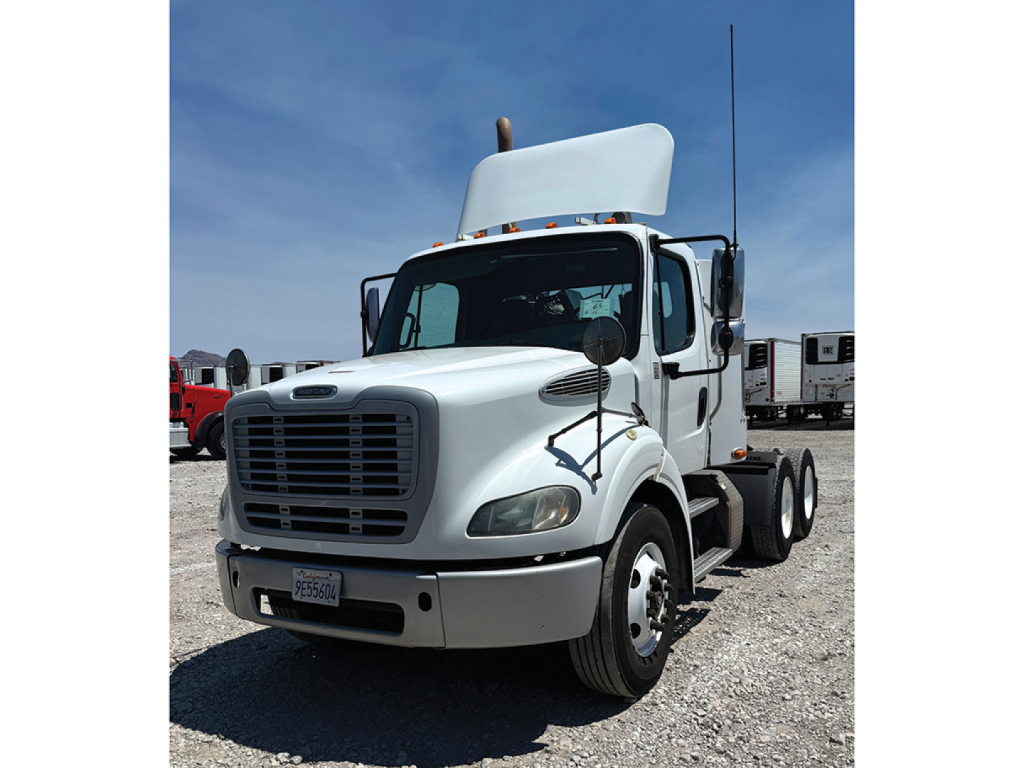
2013 Freightliner M2 112
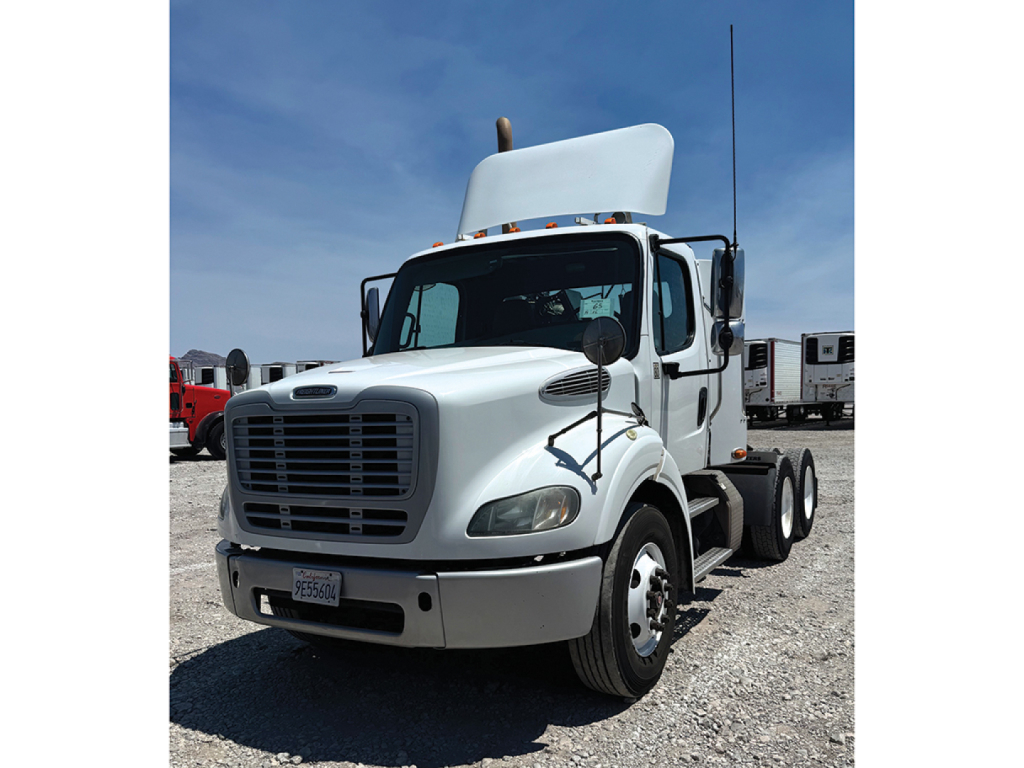
2013 Freightliner M2 112
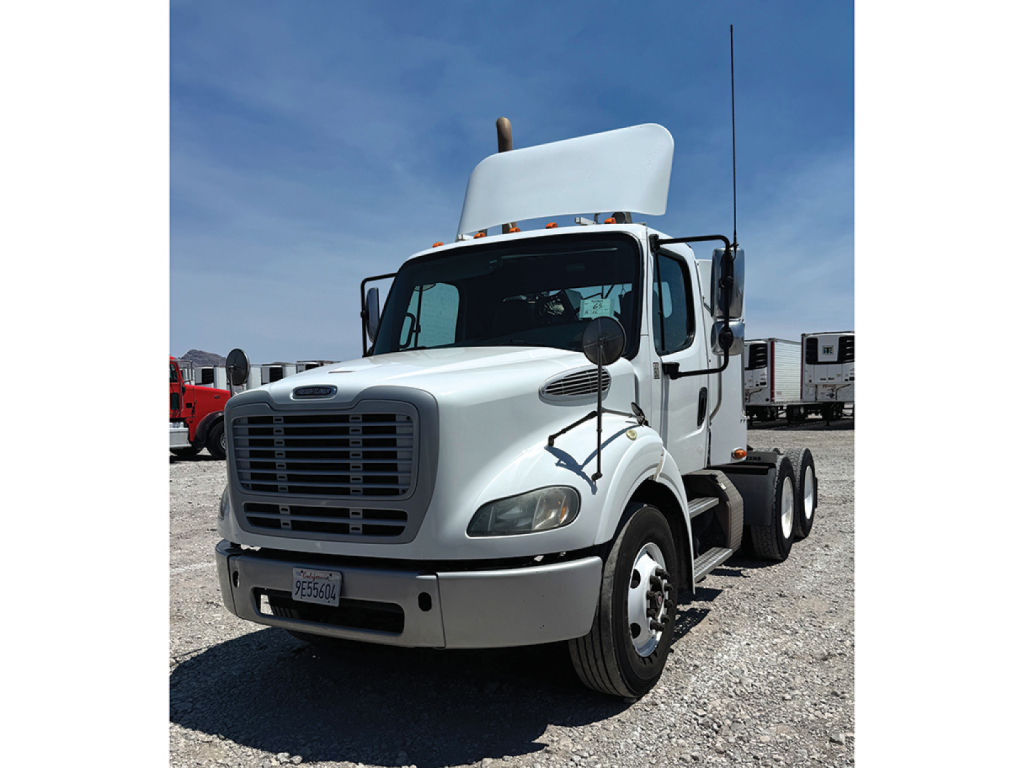
2013 Freightliner M2 112
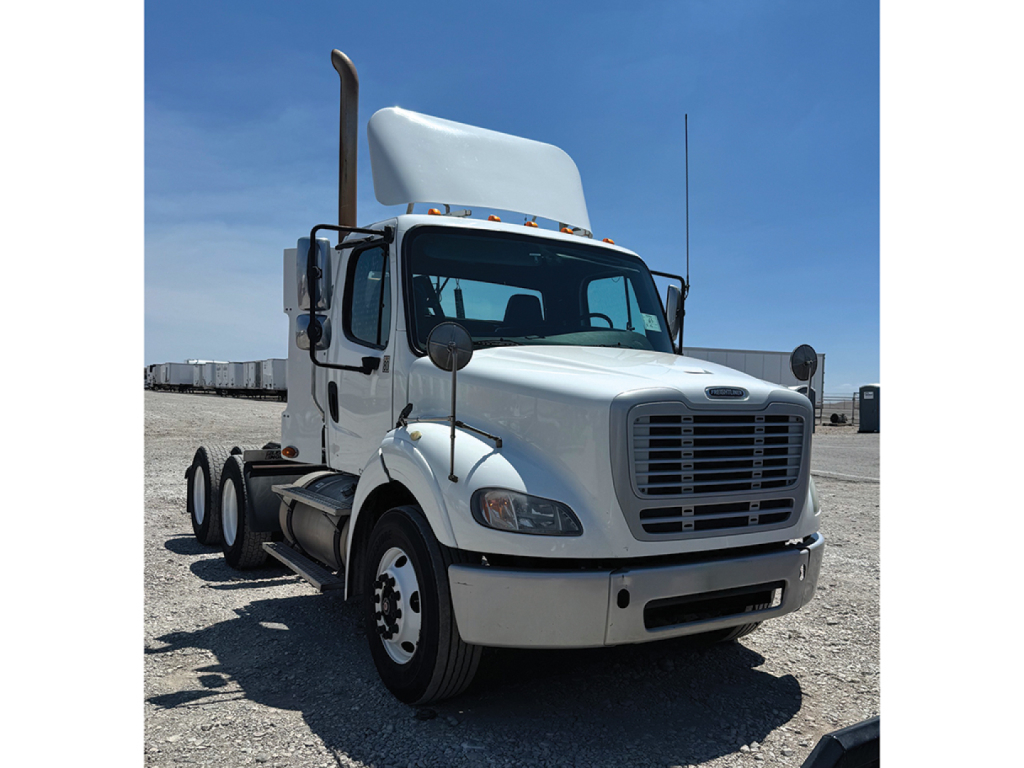
2012 Freightliner M2 112
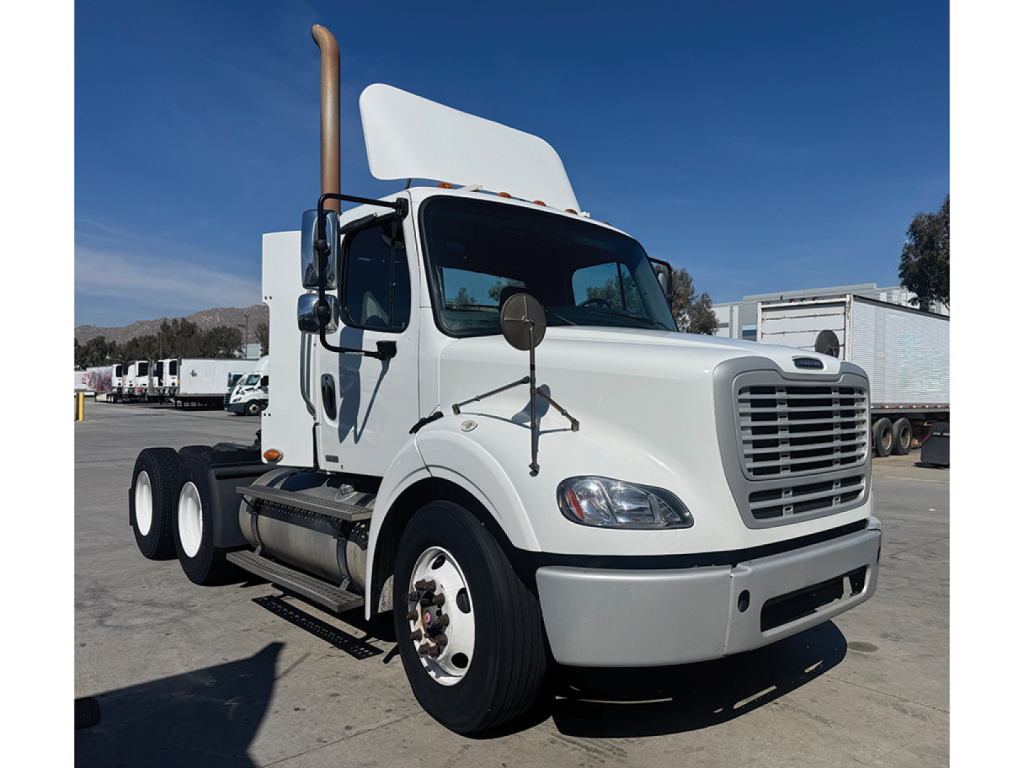
2014 Freightliner M2 112
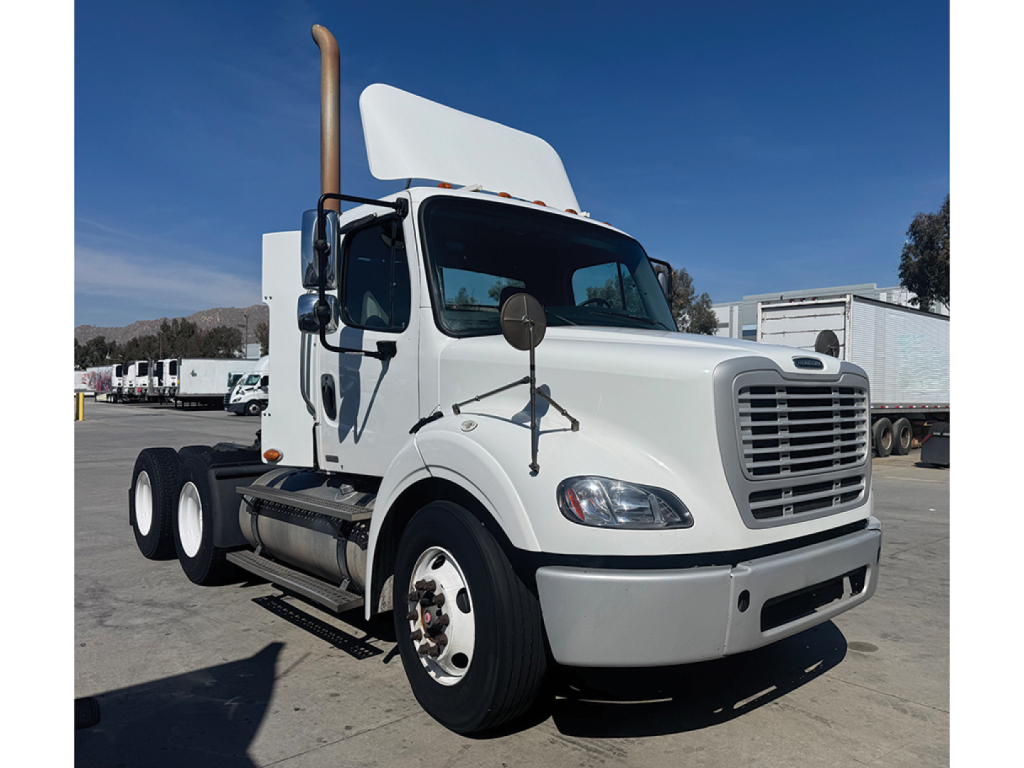
2014 Freightliner M2 112

2014 Freightliner M2 112
2014 Freightliner M2 112
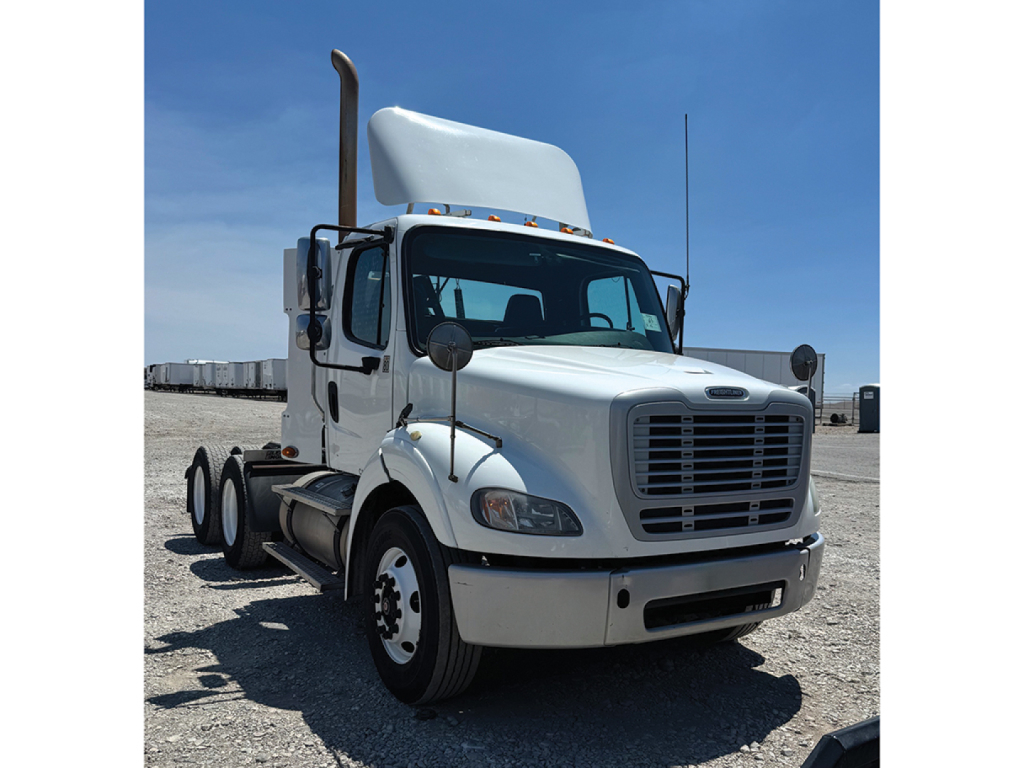
2012 Freightliner M2 112
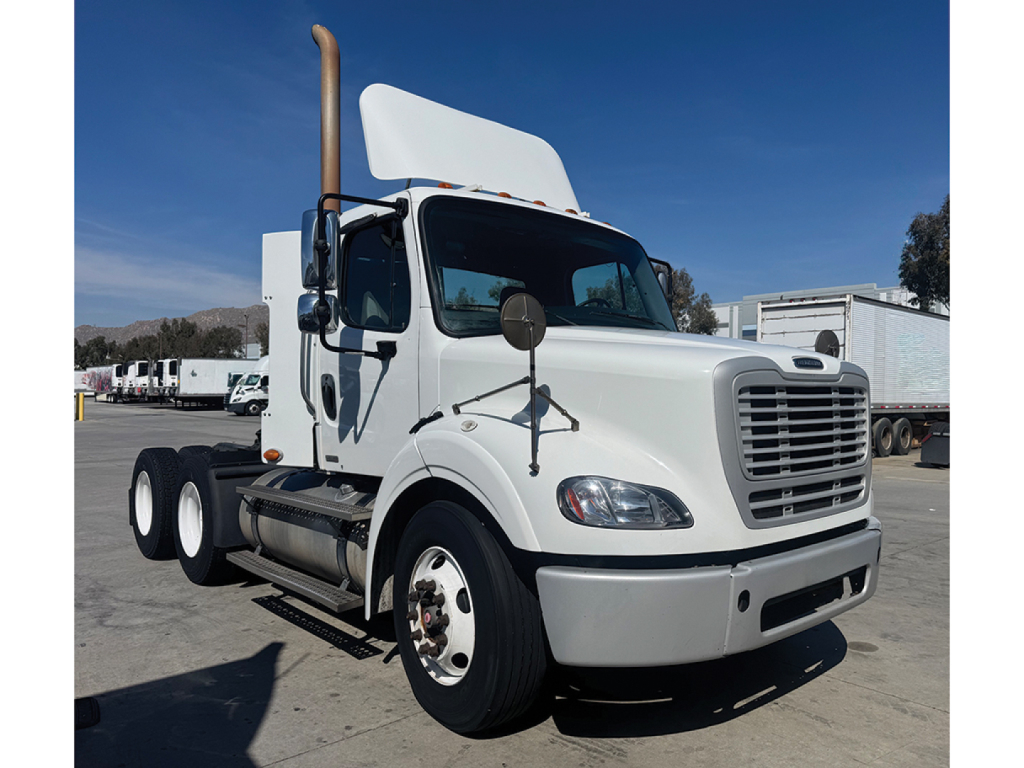
2014 Freightliner M2 112
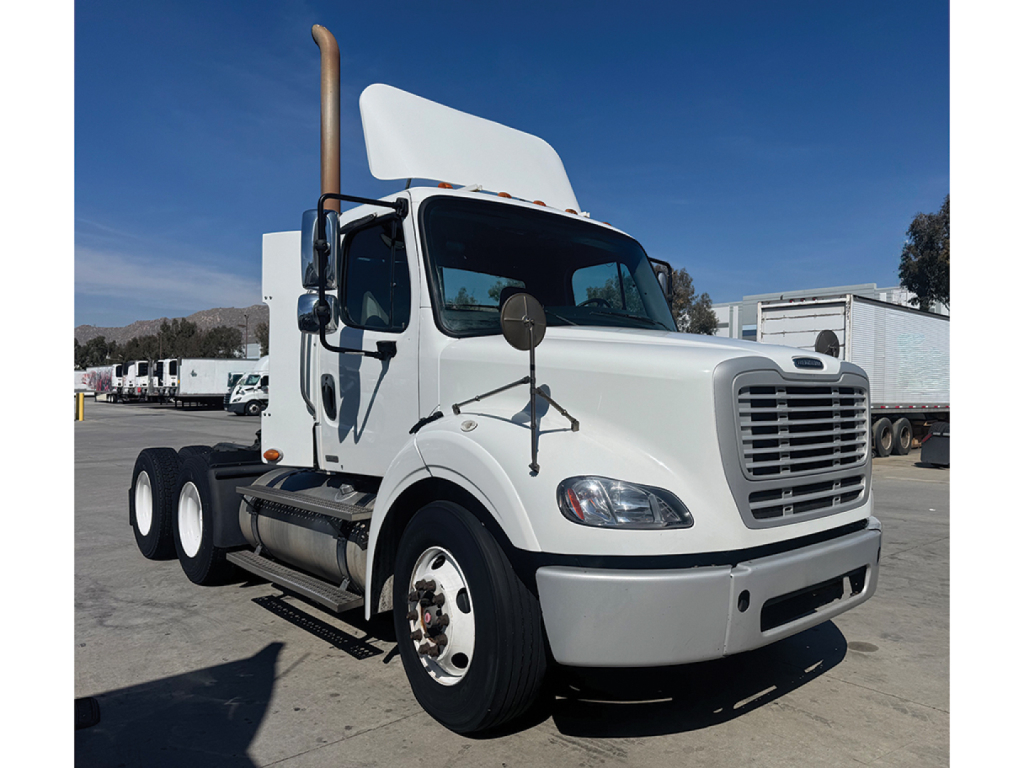
2014 Freightliner M2 112
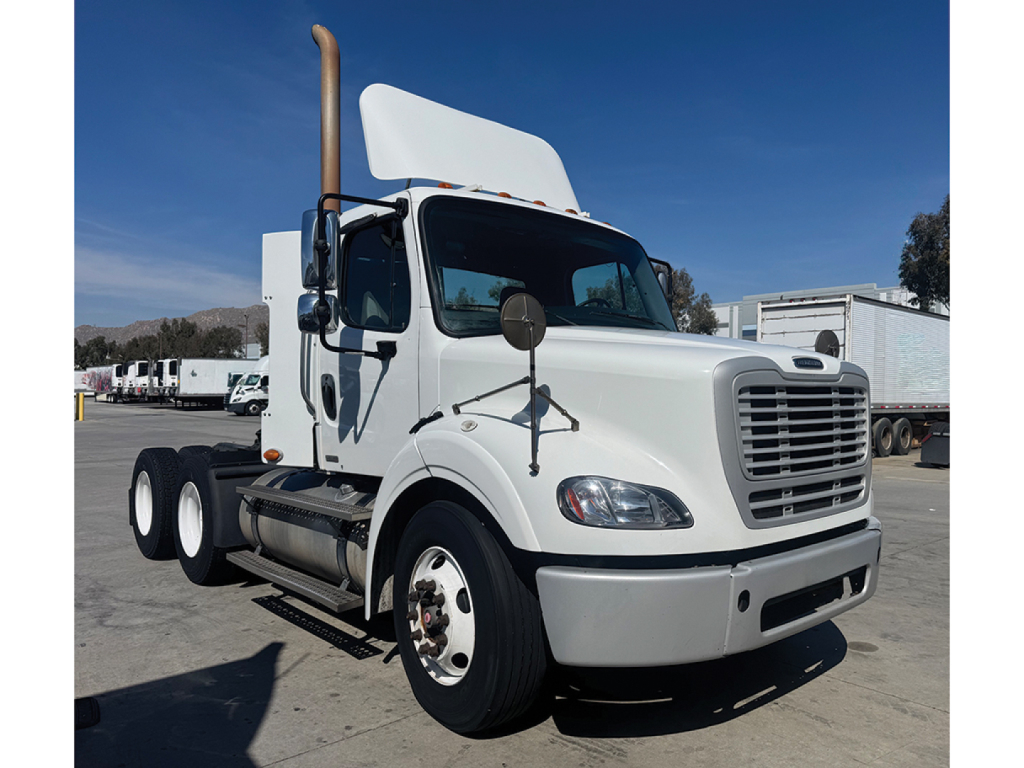
2014 Freightliner M2 112
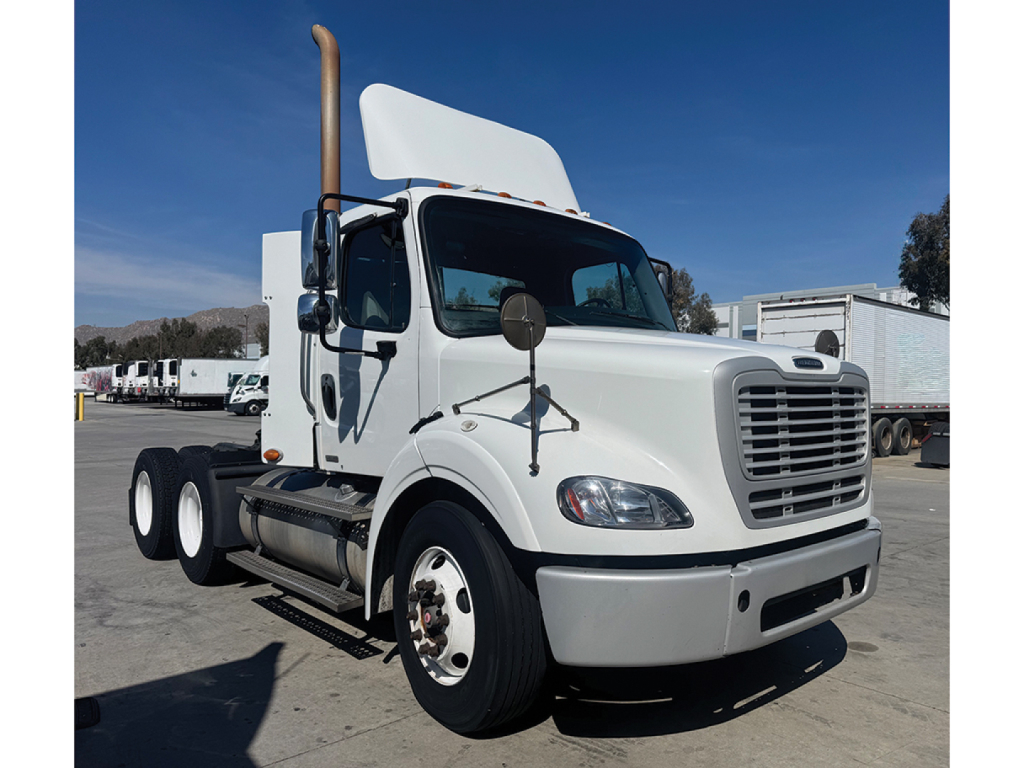
2014 Freightliner M2 112
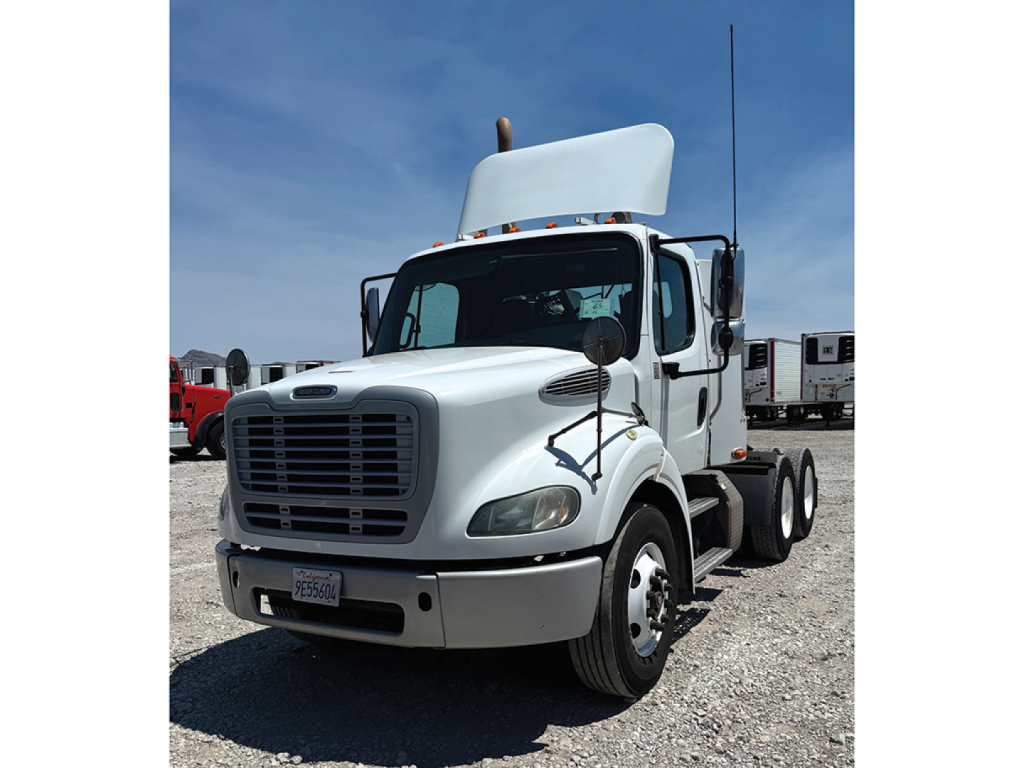
Showing 25 to 48 of 69 results
Have freightliner truck to sell? List it here to reach thousands of buyers.
Freightliner Trucks in Nevada
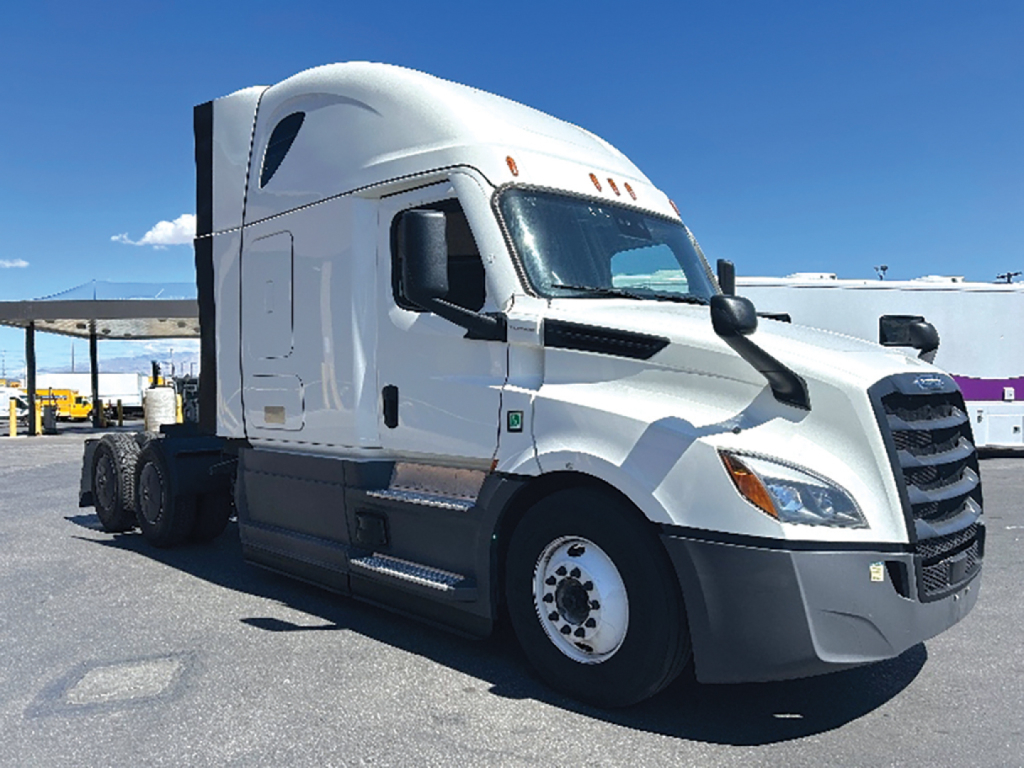
For highway tractors, the Freightliner Cascadia is the model most buyers start with. Day cab versions are common in local and regional haul, port work, drop-and-hook freight, and dedicated lanes where sleeper space is unnecessary. Sleeper configurations, including raised-roof setups, are more common in long-haul service and team operations. Typical specs include Detroit DD13 or DD15 engines, automated manual transmissions such as the DT12, and tandem rear axles rated around 40,000 pounds. Wheelbase, rear axle ratio, and fifth wheel type make a real difference here. A shorter wheelbase day cab with a stationary fifth wheel fits tight yard and regional work, while a longer wheelbase sleeper with an air-slide fifth wheel is better suited for van, reefer, and mixed trailer operations.
Freightliner M2 models fill a different role and are often chosen for medium-duty and heavy vocational work, though M2 112 day cab tractors also show up in regional pulling applications. Buyers should pay close attention to engine rating, transmission type, suspension, brake setup, and front axle capacity because the same model family can be spec'd for very different jobs. Manual transmissions still appeal to some operations that want direct driver control and lower replacement cost, while automated options tend to improve driver acceptance and consistency. Air ride suspension, disc brakes, aluminum tanks, fairings, and low-profile 22.5 tires are all common specs that affect ride quality, fuel economy, and ongoing maintenance.
The smart way to compare Freightliner trucks is by matching the spec to the route and trailer, not just the badge. Horsepower in the 350 to 505 range, axle ratios in the high-2s, engine brake performance, and cab configuration all shape how the truck will perform under load and at highway speed. In Nevada and the surrounding West, cooling system condition, A/C performance, brake life, tire wear, and emissions system history deserve extra scrutiny because heat and long-distance running can expose weaknesses quickly. Freightliner remains a strong choice for fleets and owner-operators who want conventional trucks with proven Detroit power, familiar cab layouts, and configurations that fit everything from local day runs to multi-state sleeper service.
Frequently Asked Questions about Freightliner Trucks in Nevada
What are the most common Freightliner truck models buyers look for in Nevada?
The most common Freightliner models in this market are usually the Cascadia for highway tractor work and the M2 series for regional, medium-duty, and vocational applications. The Cascadia is widely used as a conventional day cab or sleeper tractor for dry van, reefer, and general freight, while the M2 106 and M2 112 are often selected for box truck, flatbed, dump, utility, or local tractor duties. The right model depends on route length, trailer type, required axle ratings, and how much emphasis you place on maneuverability versus highway comfort.
Is a Freightliner day cab or sleeper better for my operation?
A day cab is usually the better fit for local and regional work where the truck returns to base daily, makes frequent stops, or operates in tighter yards. It typically saves weight, reduces complexity, and is easier to maneuver. A sleeper is the better choice for longer runs, overnight routes, team driving, or operations that need more onboard storage and driver comfort. The decision should be based on dispatch pattern, not just purchase price, because cab style affects wheelbase, payload, operating cost, and driver retention.
Which Freightliner engine and transmission combinations are most common?
Detroit powertrains are among the most common in Freightliner trucks, especially DD13 and DD15 engines paired with either manual transmissions or the Detroit DT12 automated manual. A DD13 is often found in regional and lighter highway applications, while a DD15 is more common in linehaul and higher horsepower specs. Manual transmissions still have a place in certain fleets, but automated manuals are now standard in many late-model highway tractors because they improve shift consistency, fuel economy, and driver onboarding.
What specs matter most when comparing used Freightliner tractors?
The most important specs are engine rating, transmission type, rear axle ratio, wheelbase, suspension, brake type, and rear axle capacity. Those details determine how the truck performs with your trailer, your terrain, and your average load. A 40,000-pound tandem with a highway-friendly ratio in the 2.79 to 2.85 range may be ideal for linehaul efficiency, but it may not be the best choice for heavier vocational starts or frequent grade climbing. Buyers should also evaluate fifth wheel setup, fuel capacity, tire size, and maintenance records before making a decision.
Are Freightliner trucks a good choice for fleet maintenance and parts support?
Freightliner trucks are widely considered a practical choice for fleets because parts availability, technician familiarity, and service network coverage are generally strong. That matters even more for multi-unit operations trying to minimize downtime and standardize repairs. Freightliner’s popularity also means there is broad aftermarket support for wear items, body parts, and common drivetrain components. For many buyers, that support structure is just as important as horsepower or cab style because it directly affects uptime and total operating cost.