
2014 Freightliner Trucks For Sale in Nevada
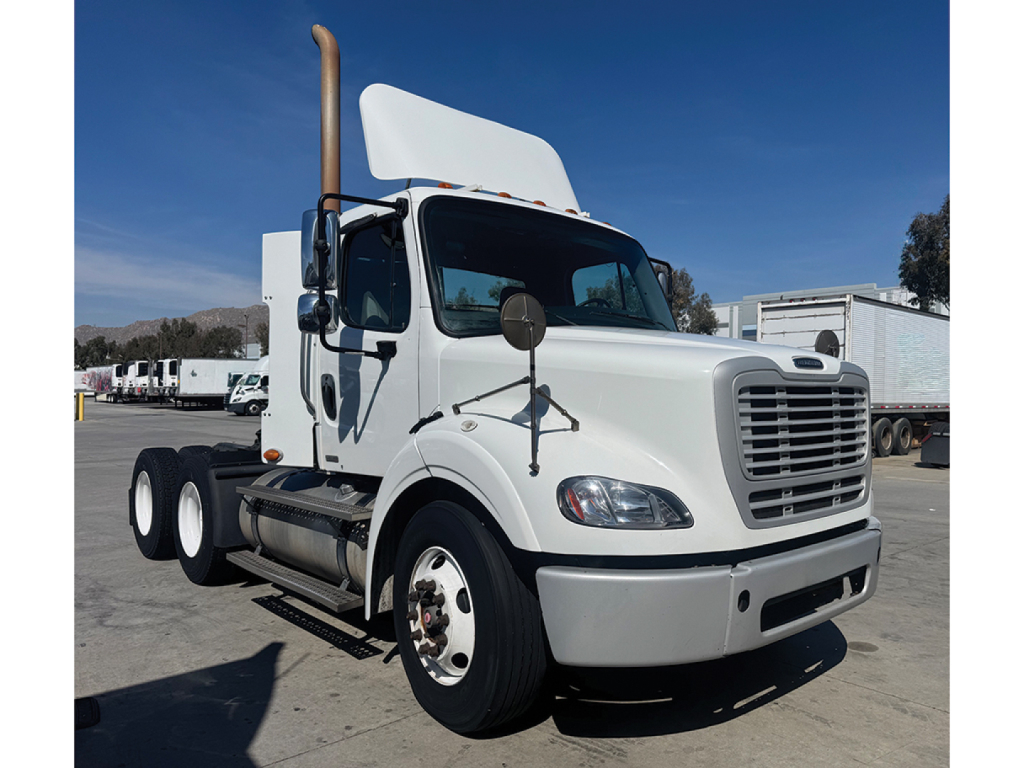
2014 Freightliner M2 112
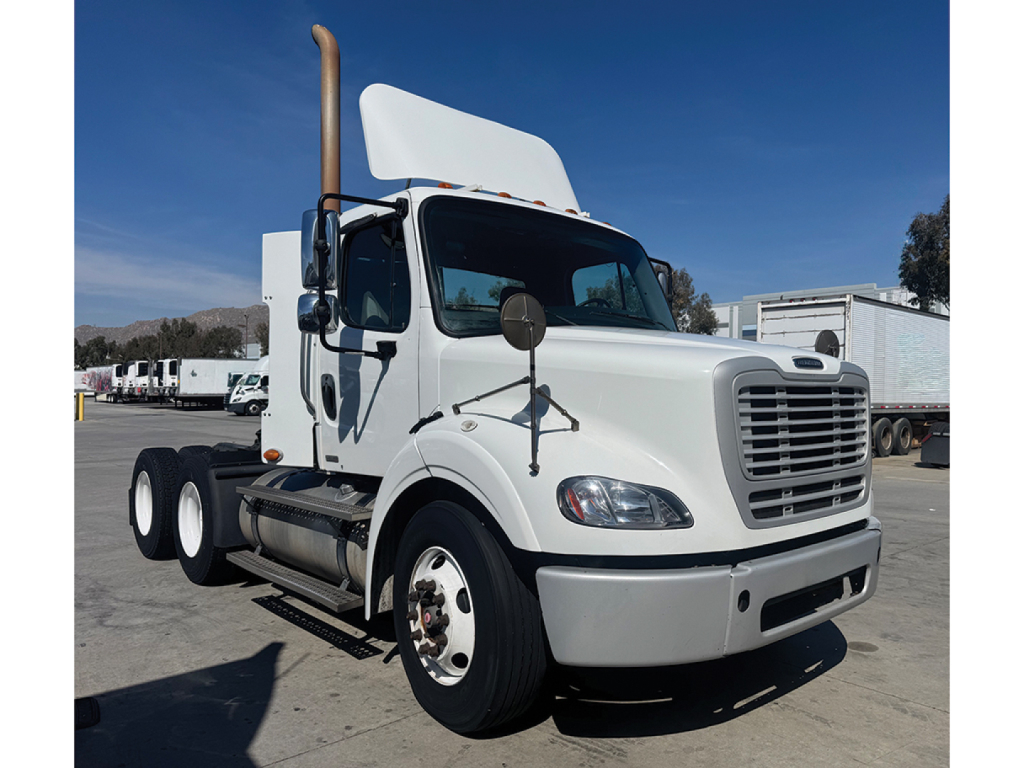
2014 Freightliner M2 112
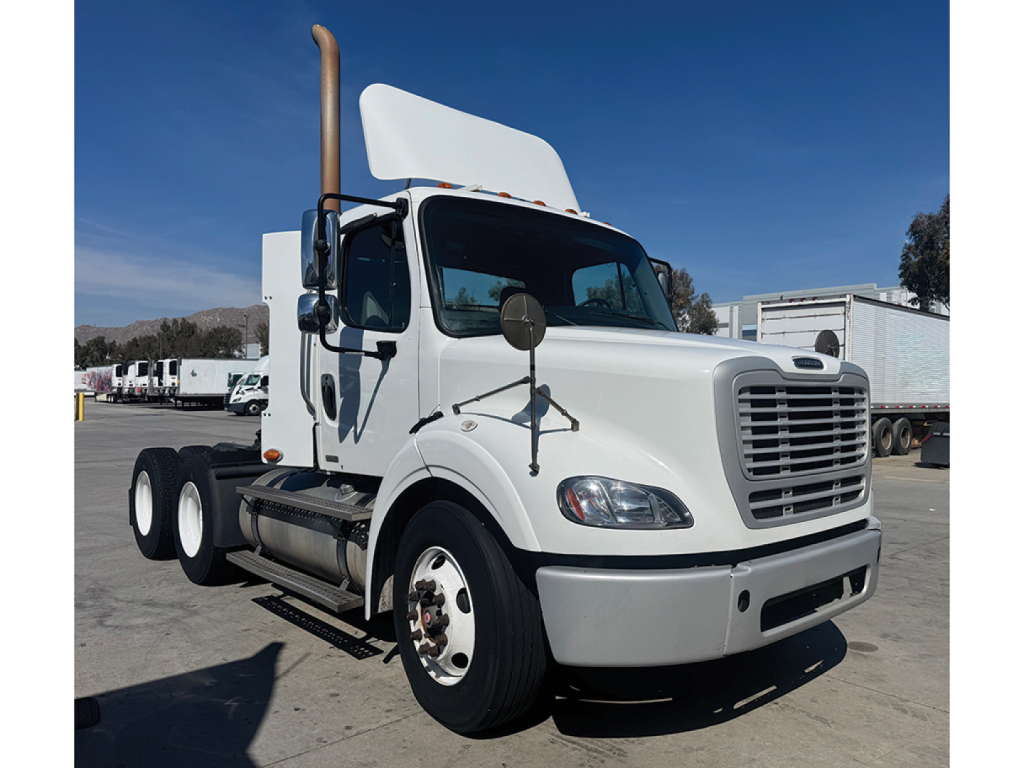
2014 Freightliner M2 112
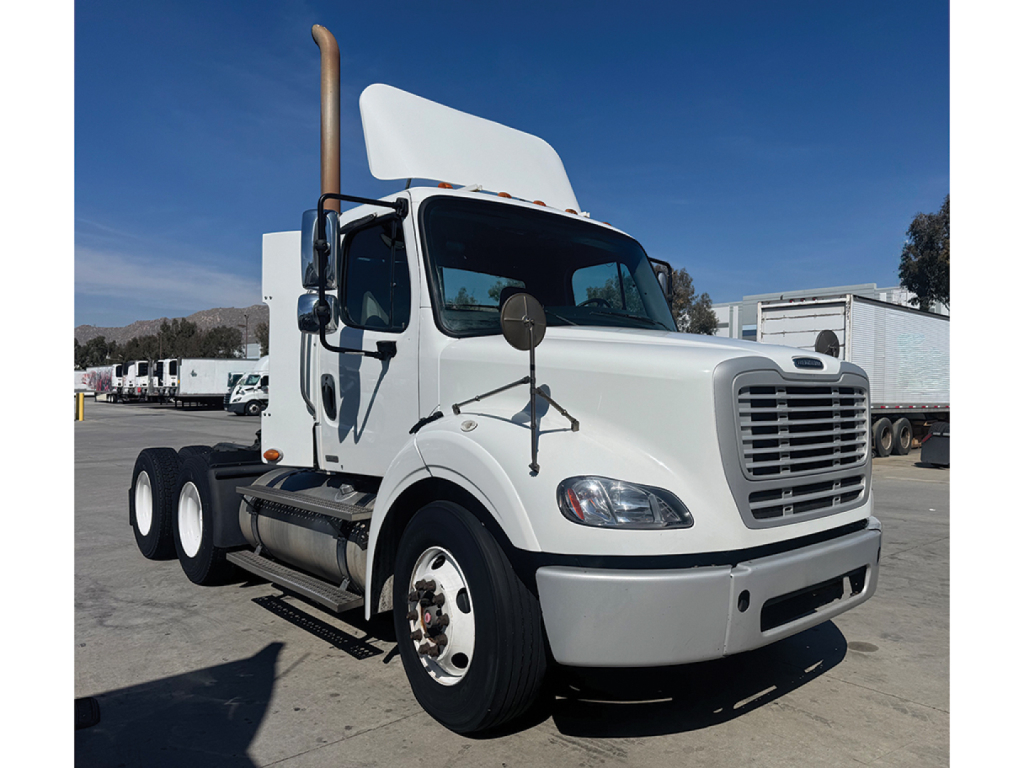
2014 Freightliner M2 112

2014 Freightliner M2 112
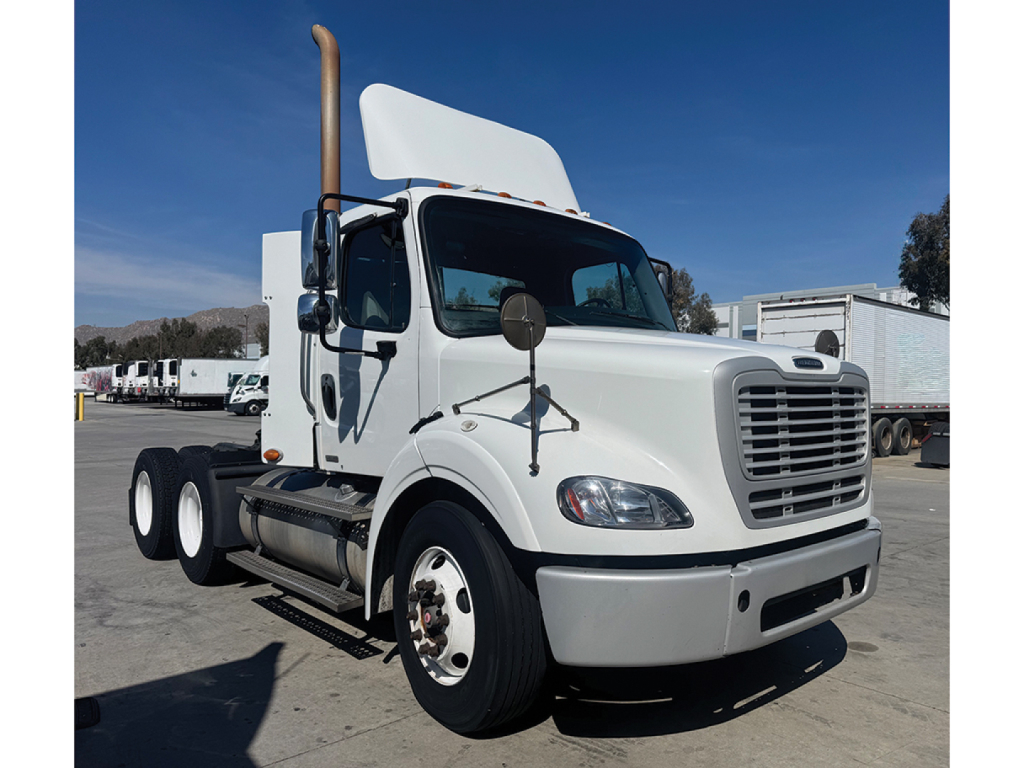
2014 Freightliner M2 112
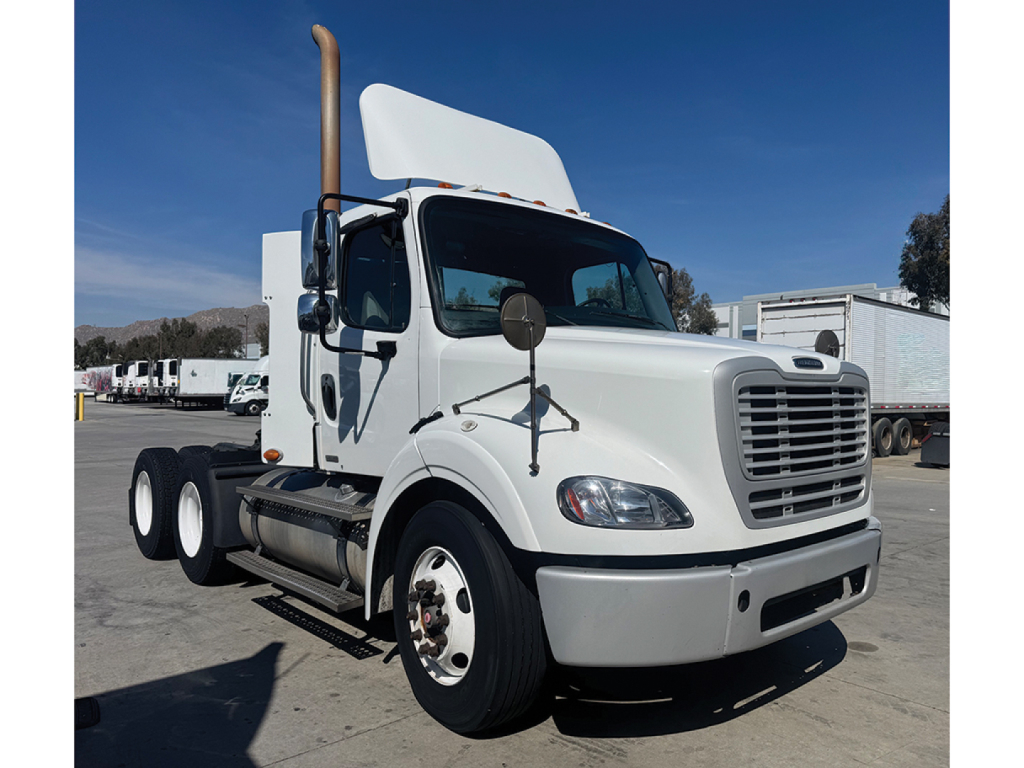
2014 Freightliner M2 112
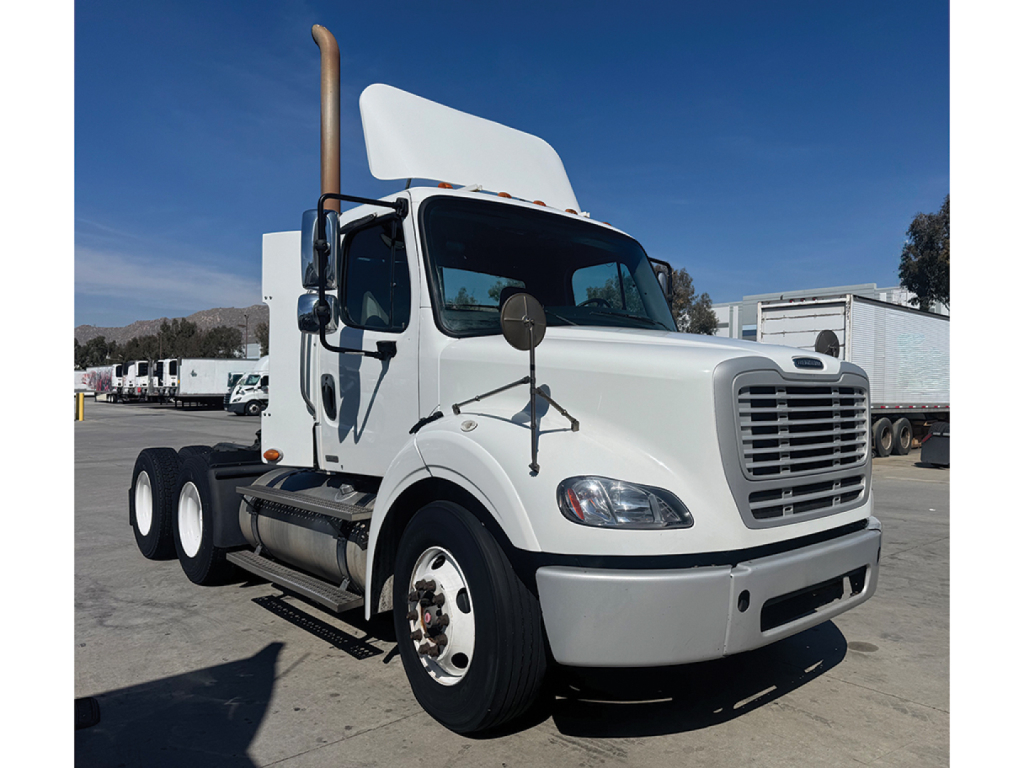
2014 Freightliner M2 112
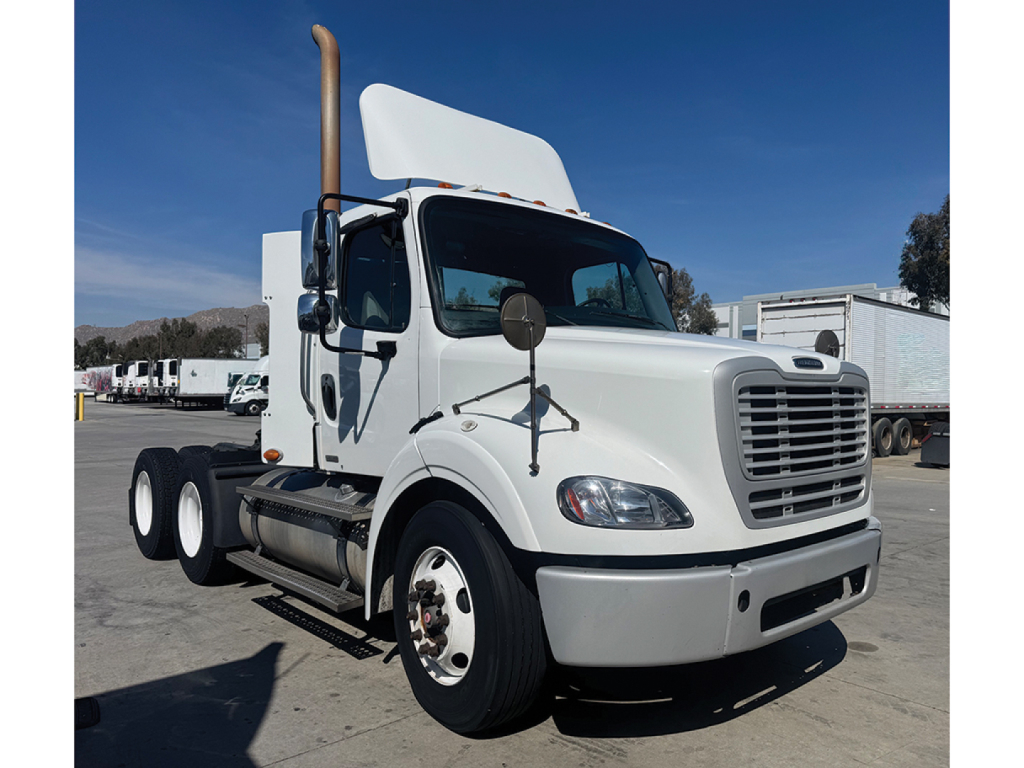
2014 Freightliner M2 112
2014 Freightliner M2 112
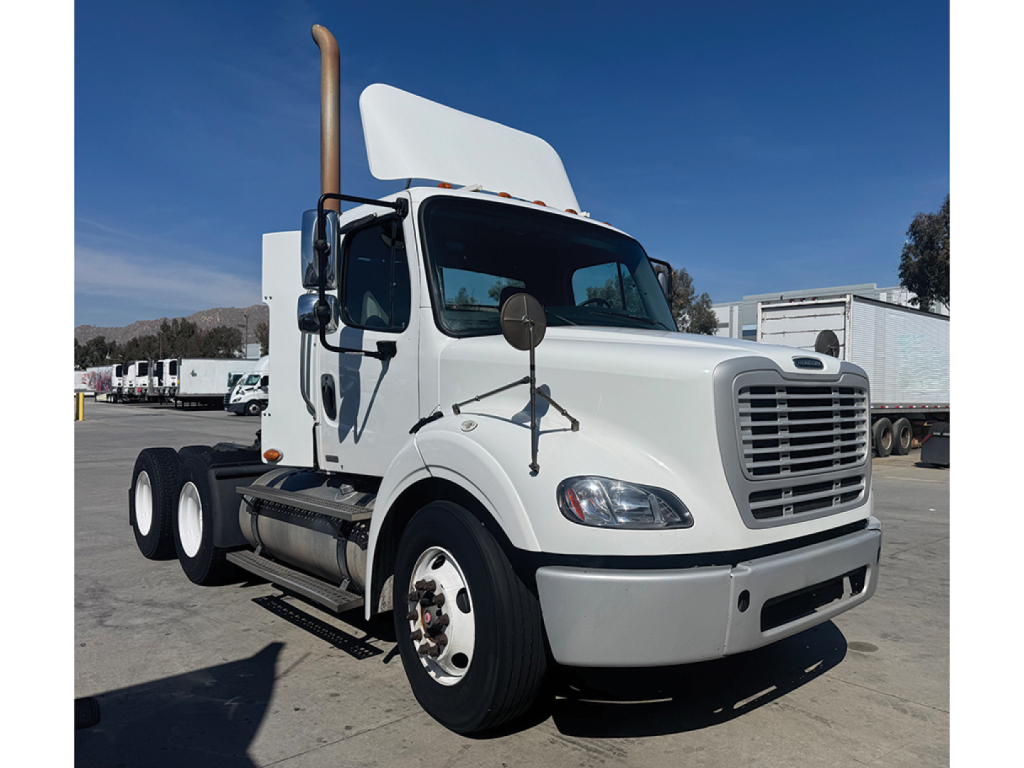
2014 Freightliner M2 112
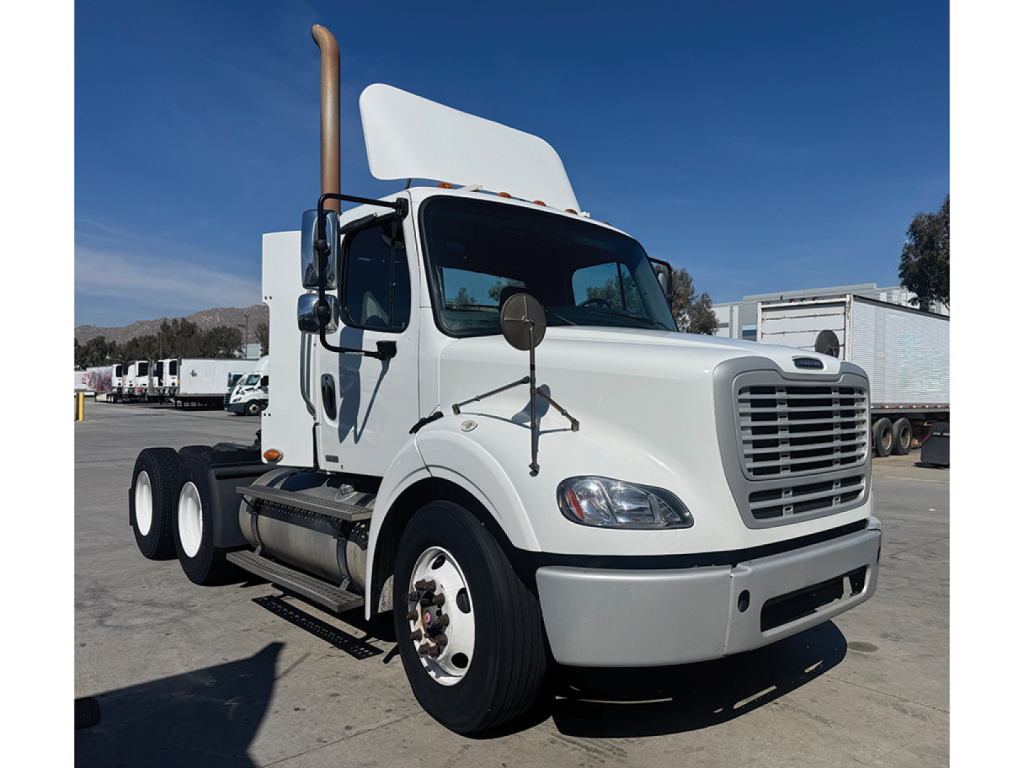
2014 Freightliner M2 112
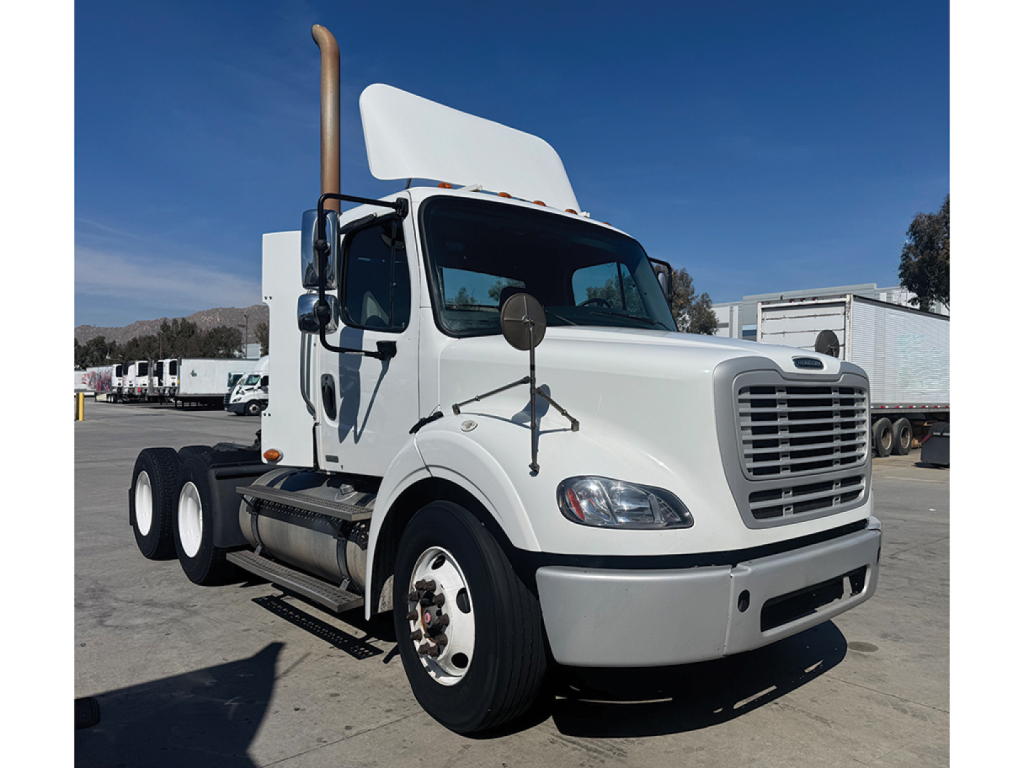
2014 Freightliner M2 112
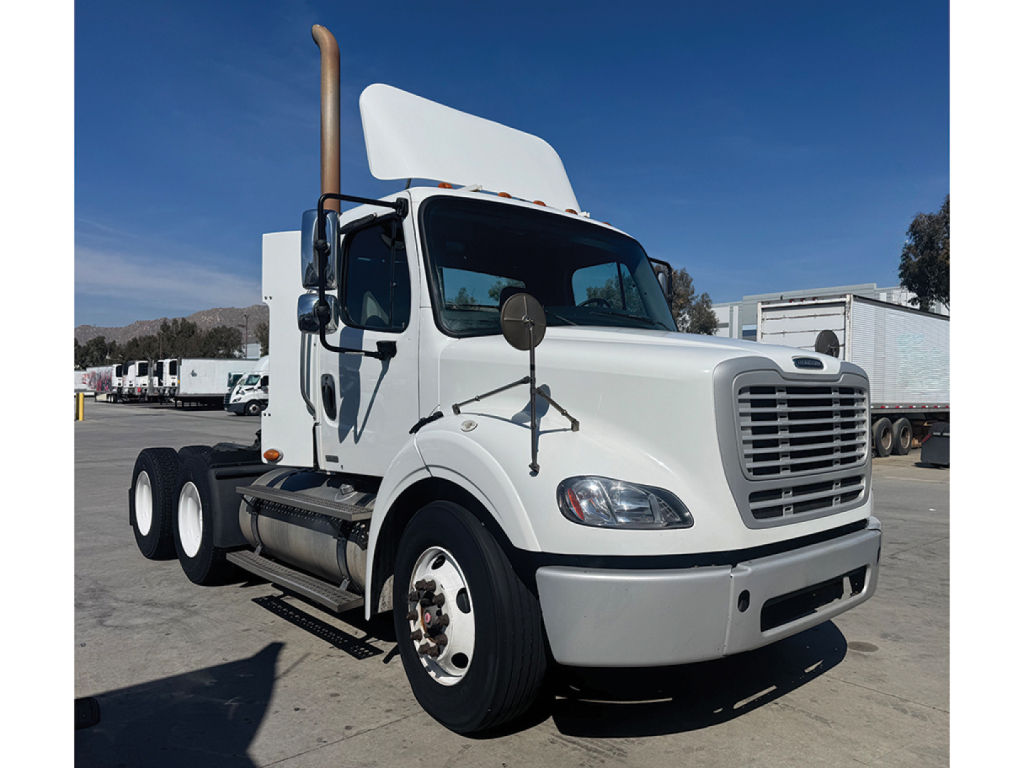
2014 Freightliner M2 112
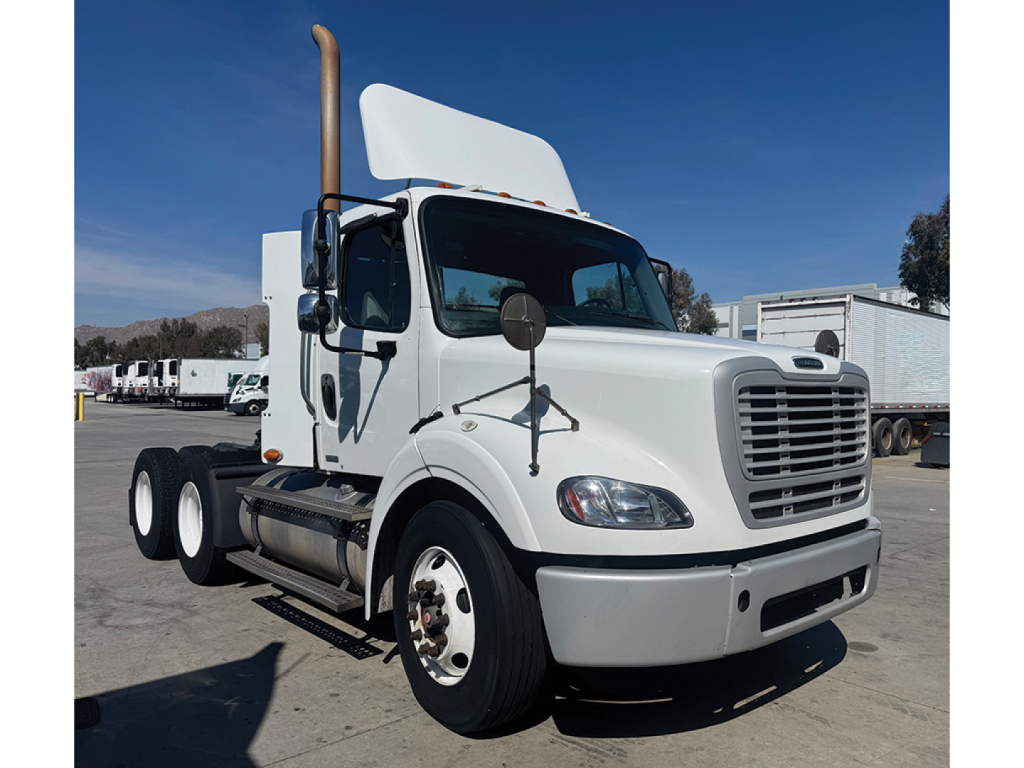
2014 Freightliner M2 112
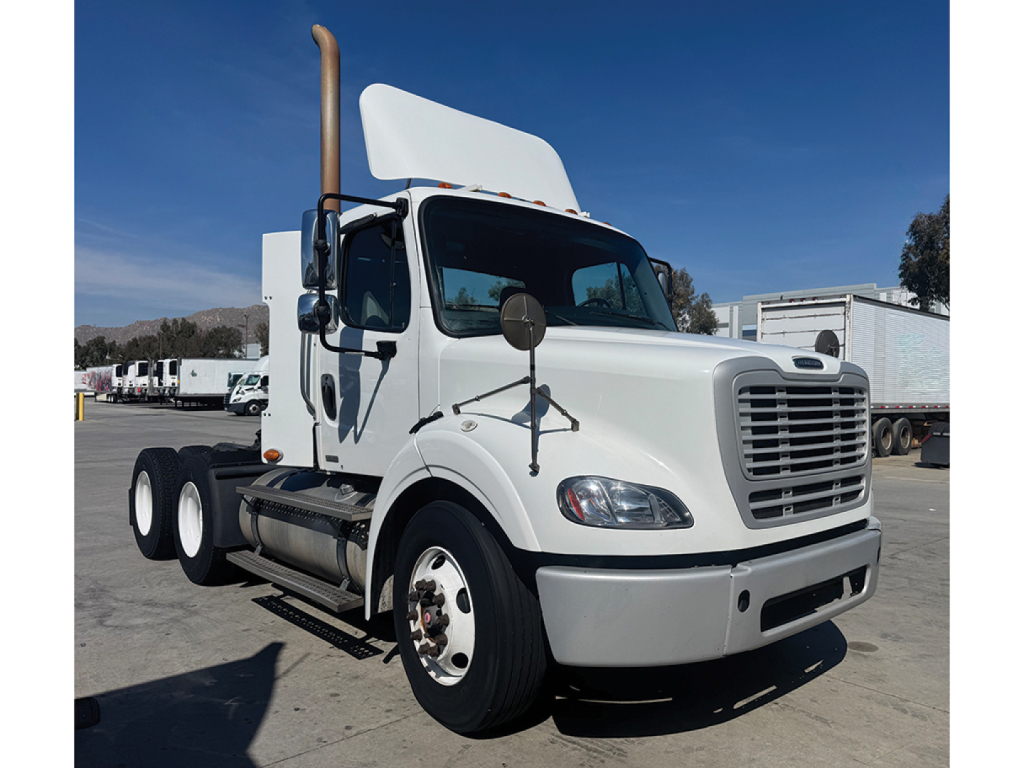
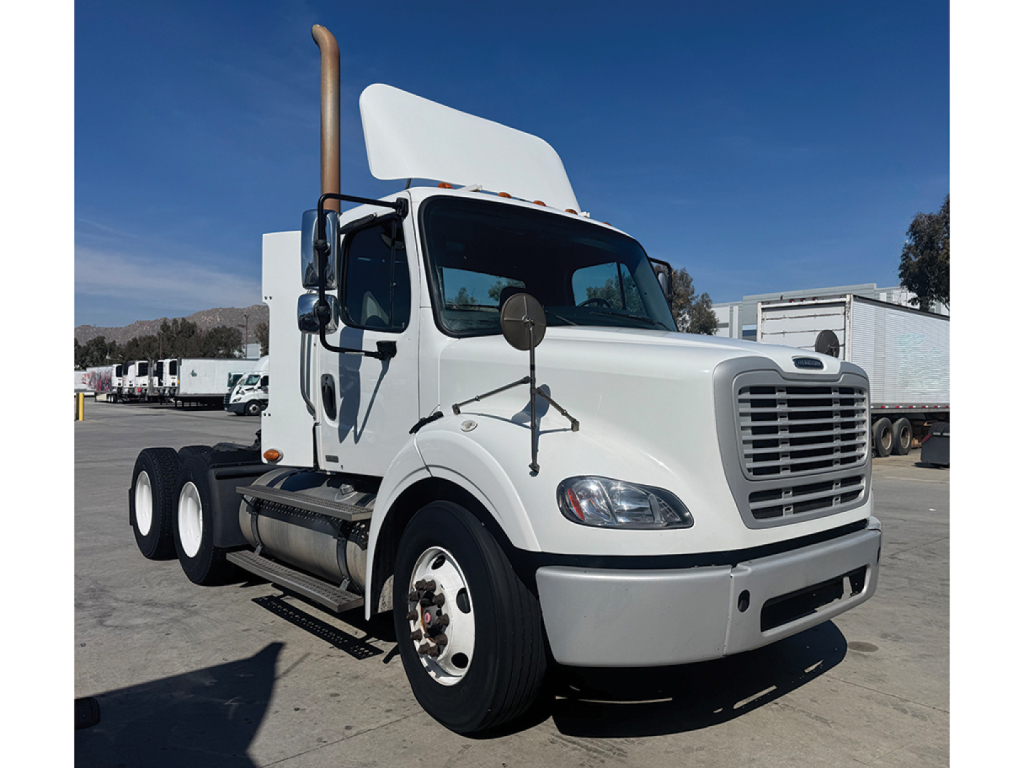
Have 2014 freightliner truck to sell? List it here to reach thousands of buyers.
2014 Freightliner Trucks in Nevada
The biggest buying decision usually starts with the truck’s job description. A 2014 Freightliner Cascadia is typically aimed at over-the-road or regional freight, with common specs including Detroit DD13 or DD15 engines, automated or manual transmissions, tandem rear axles, and aerodynamic fairings. A 2014 Freightliner M2, including the M2 106 or M2 112, is more common in local haul, municipal, towing, flatbed, dump, service body, and delivery work. Pay close attention to horsepower ratings, rear axle ratios, wheelbase, and suspension type because those details will determine how well the truck fits a trailer, body, or route profile. A shorter wheelbase day cab built for city turns is a different tool than a raised-roof sleeper set up for long mileage.
For used 2014 Freightliner trucks, condition matters more than badge familiarity. Buyers should review engine history, idle hours, transmission operation, DPF and SCR service records, brake type, tire size, and signs of frame or suspension wear. On highway tractors, check fifth wheel condition, slider function, kingpin setting compatibility, and fairing condition. On vocational or medium-duty units, verify PTO setup, front axle capacity, body compatibility, and any hydraulic or auxiliary equipment operation. Nevada buyers should also consider cooling system health and A/C performance, since heat and long grades can expose weak maintenance faster than milder operating environments.
A well-matched 2014 Freightliner can still be a productive truck if the spec lines up with the work and the maintenance record supports the miles. Freightliner’s broad range in this year gives buyers options from fuel-conscious road tractors to durable business-class trucks for local and vocational service. The right approach is to compare axle ratings, drivetrain spec, cab configuration, and service history before focusing on price alone. That is usually where the best value shows up in this equipment class.
Frequently Asked Questions about 2014 Freightliner Trucks in Nevada
What are the most common 2014 Freightliner truck models buyers look for?
The most common 2014 Freightliner trucks on the used market are typically the Cascadia for highway use and the M2 series for medium-duty and vocational work. The Cascadia is usually spec'd as a conventional sleeper or day cab for regional and over-the-road freight, while the M2 106 and M2 112 are often used for flatbeds, box trucks, dumps, utility bodies, towing, and other local applications. The model matters because cab layout, axle ratings, wheelbase, and drivetrain options vary widely across the Freightliner lineup.
Is a 2014 Freightliner a good choice for regional or long-haul operations?
A 2014 Freightliner can be a solid choice for regional or long-haul use if the truck was originally spec'd for that duty cycle and has documented maintenance. Many 2014 Cascadia units were built with Detroit DD13 or DD15 engines, aerodynamic packages, and sleeper configurations that still fit highway freight well. Buyers should focus on mileage, engine hours, emissions system history, transmission performance, and rear axle ratio because those factors affect fuel economy, drivability, and operating cost more than the model year alone.
What should I inspect first on a used 2014 Freightliner truck?
Start with the engine and emissions system records, then move to the transmission, axles, suspension, brakes, and frame. On a 2014 truck, DPF cleaning history, DEF system repairs, coolant condition, and signs of soot or regen-related issues are important. After that, inspect tires, wheel ends, steering components, and cab equipment like HVAC and electrical functions. If it is a tractor, check the fifth wheel, slider rails, and frame drill pattern. If it is a vocational truck, verify PTO operation and body or equipment integration.
What engine and transmission setups are common in 2014 Freightliner trucks?
Common 2014 Freightliner engine setups include Detroit DD13 and DD15 in highway tractors, with some trucks carrying Cummins power depending on original spec. Transmissions may be manual, automated manual, or automatic depending on the truck’s category and intended use. Medium-duty and vocational configurations often differ substantially from highway tractors, so buyers should confirm horsepower, torque rating, transmission model, and rear axle ratio as a complete package rather than looking at any one component by itself.
Why does wheelbase and axle ratio matter on a 2014 Freightliner?
Wheelbase and axle ratio directly affect how the truck performs in its intended application. A shorter wheelbase usually improves maneuverability for local work, tighter loading areas, and urban routes, while a longer wheelbase may better suit sleepers, larger bodies, or ride stability on highway runs. Rear axle ratio influences cruising RPM, gradeability, startability, and fuel economy. On a used 2014 Freightliner, these specs tell you whether the truck was built for heavy vocational work, city delivery, regional haul, or over-the-road service.