
Freightliner Trucks For Sale in Mississippi
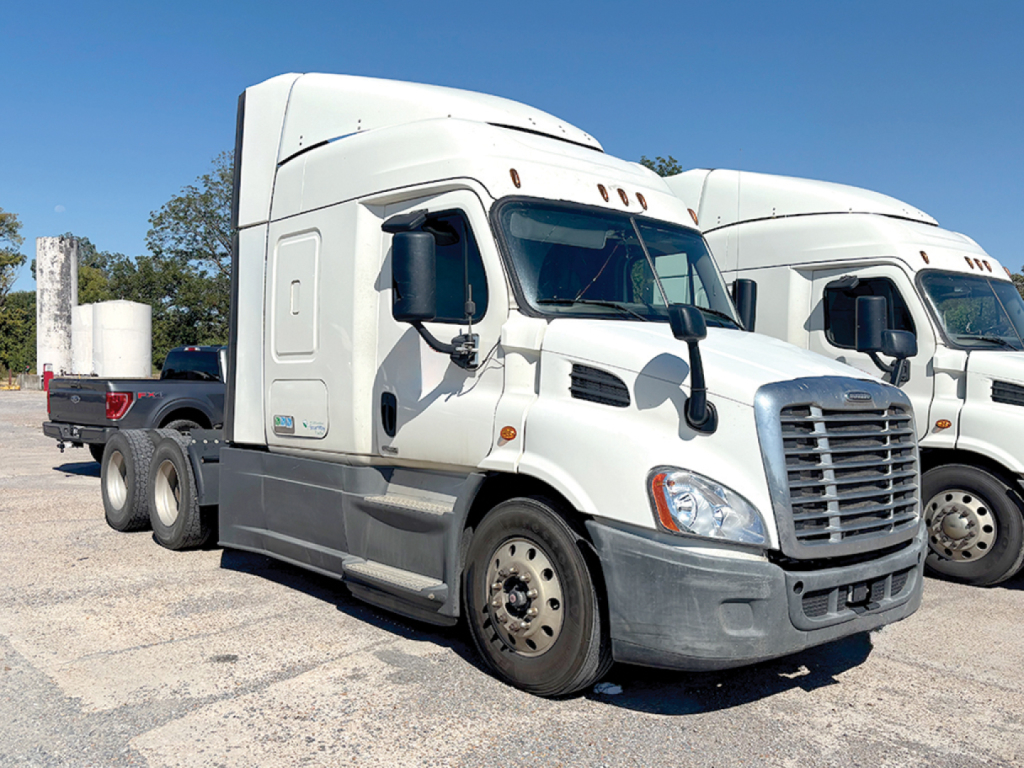
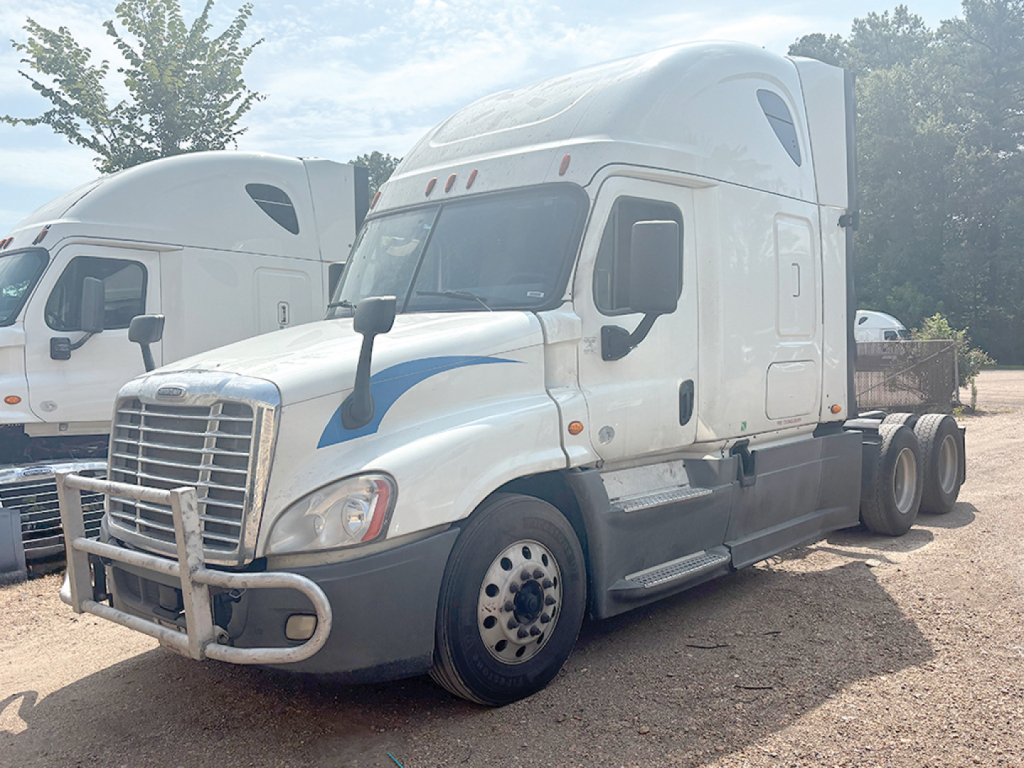
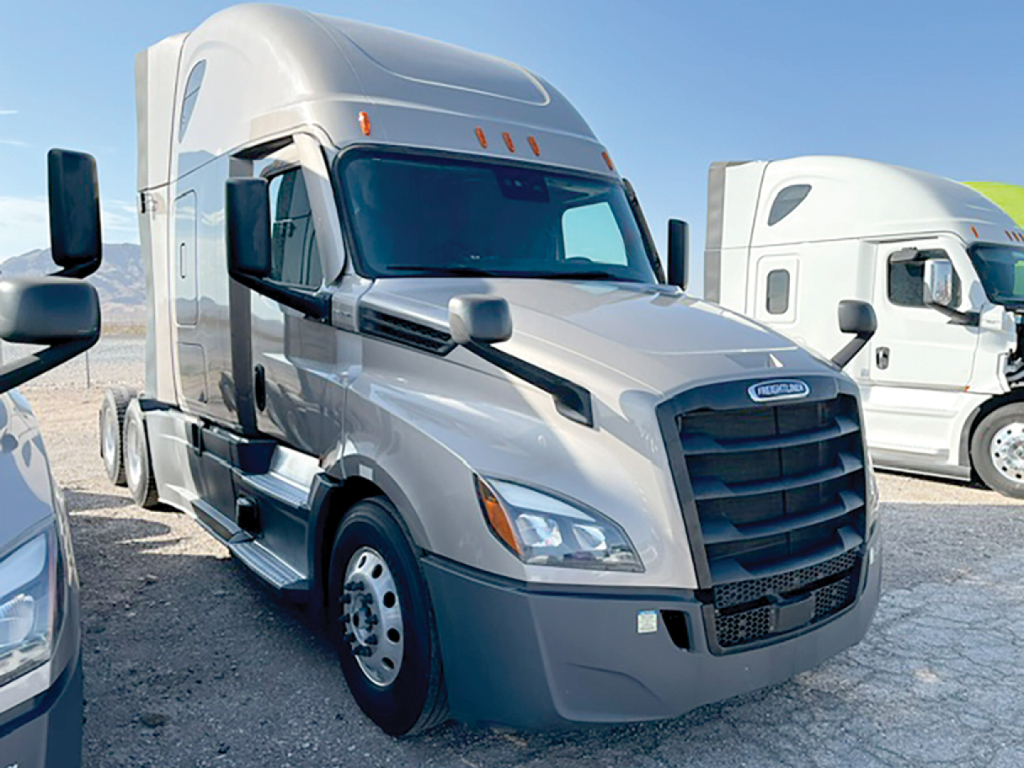
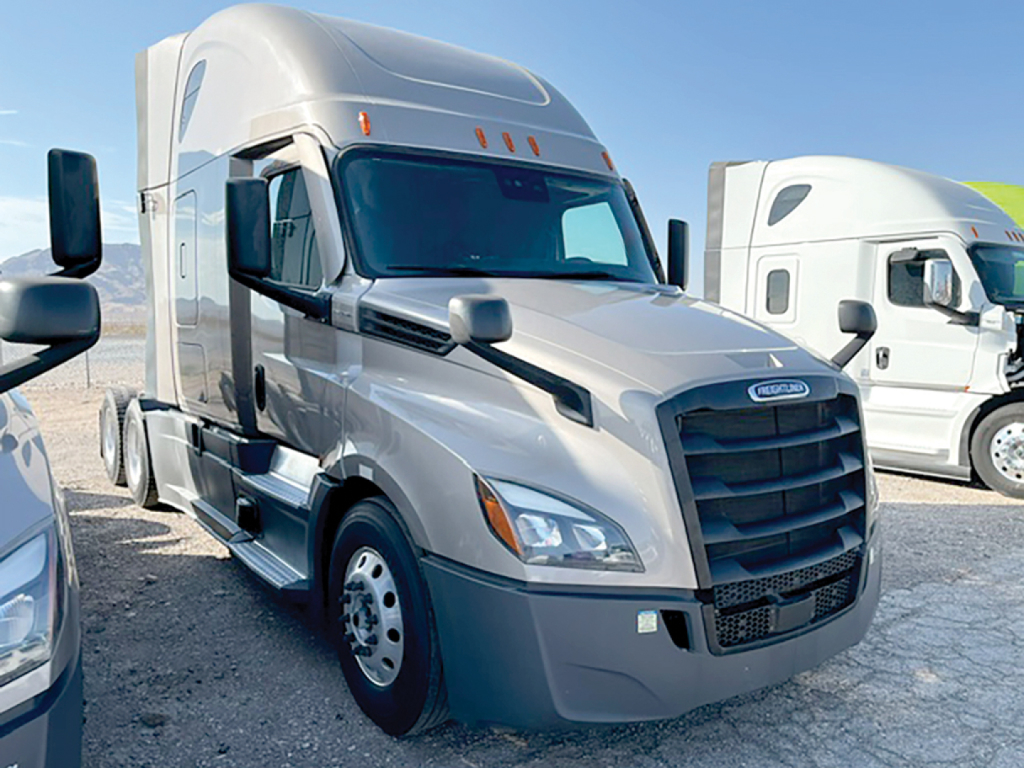
Browse Freightliner trucks for sale in Mississippi, including Cascadia and M2 models for regional haul, over-the-road, delivery, and vocational use.
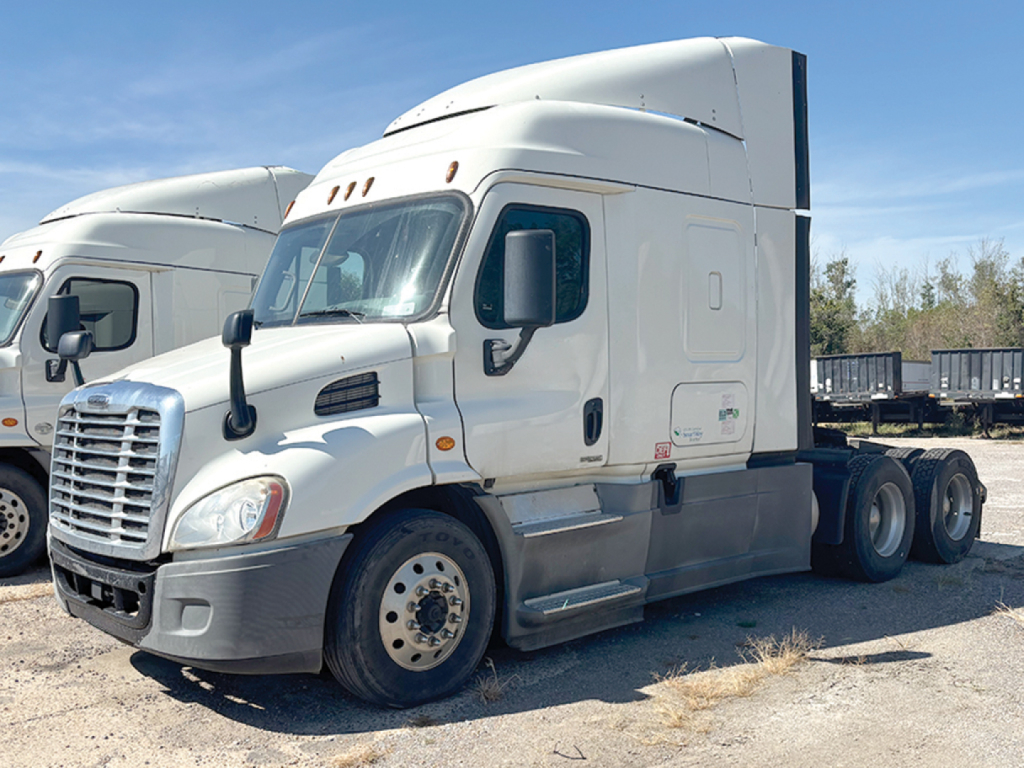
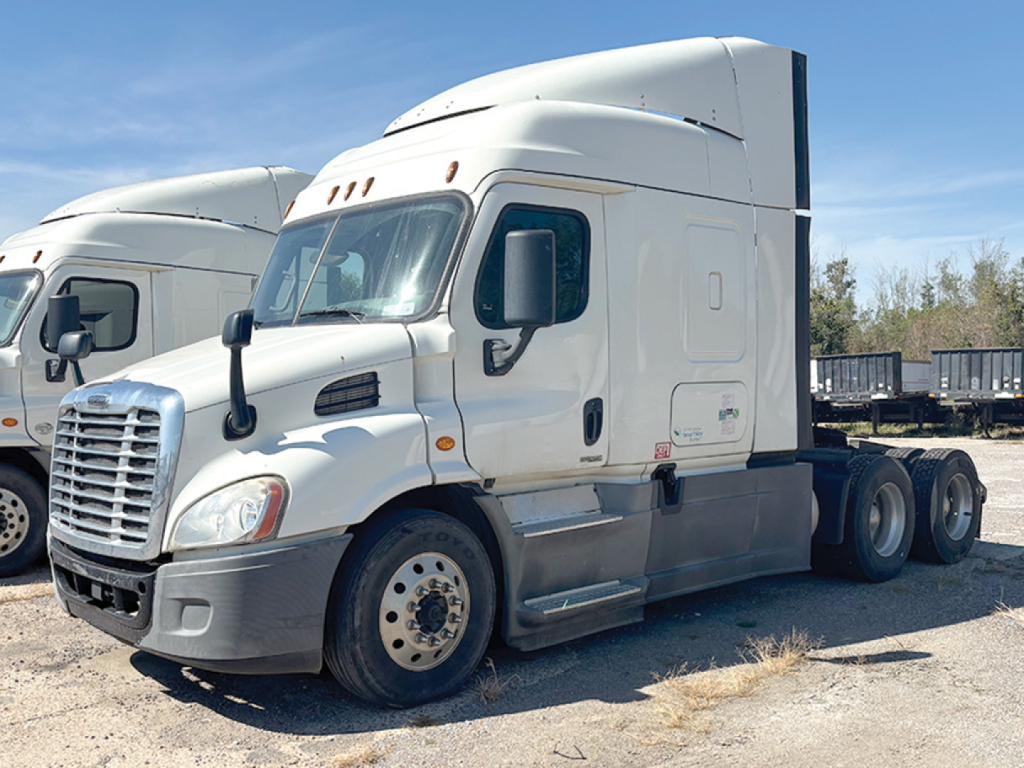
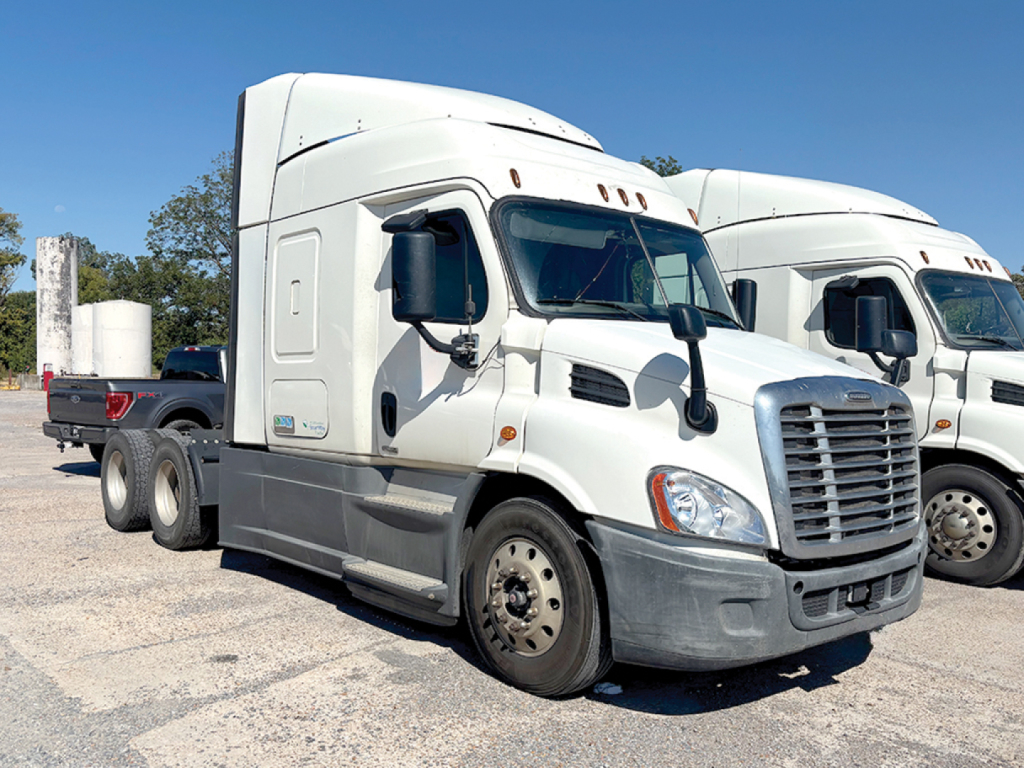
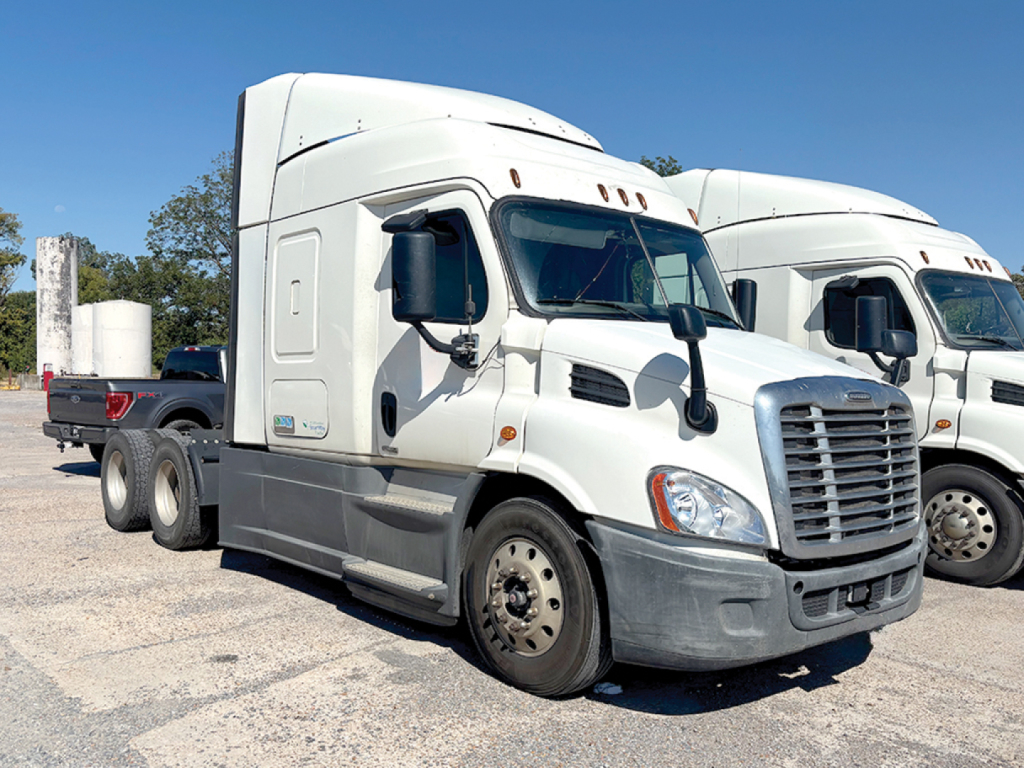
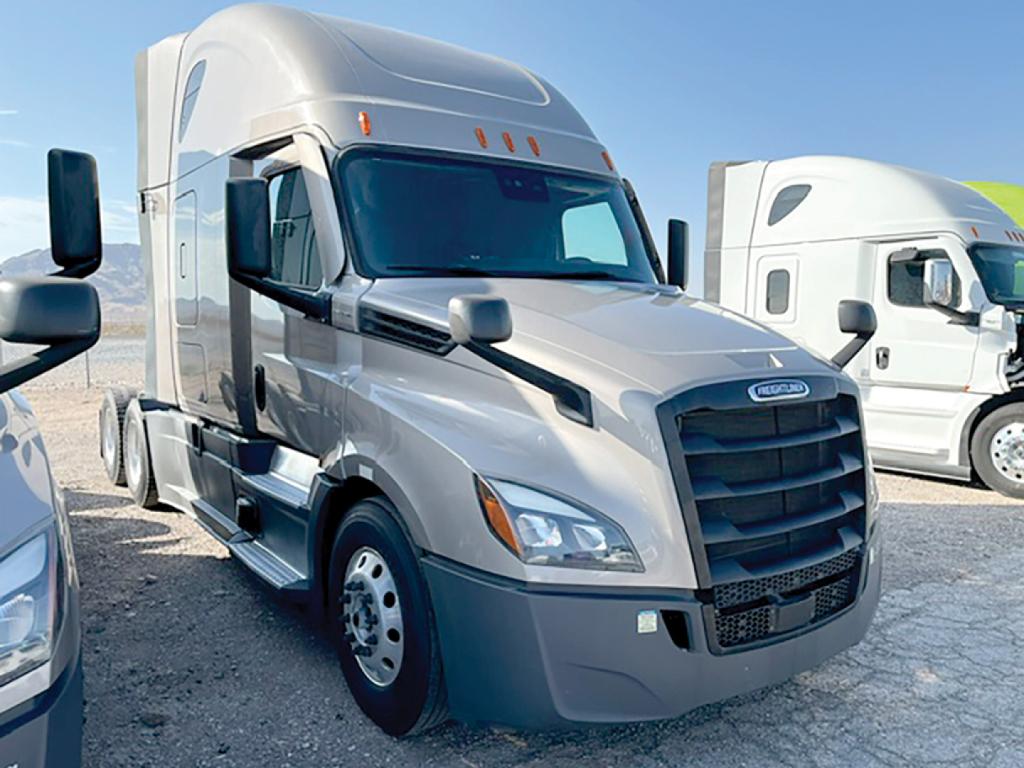
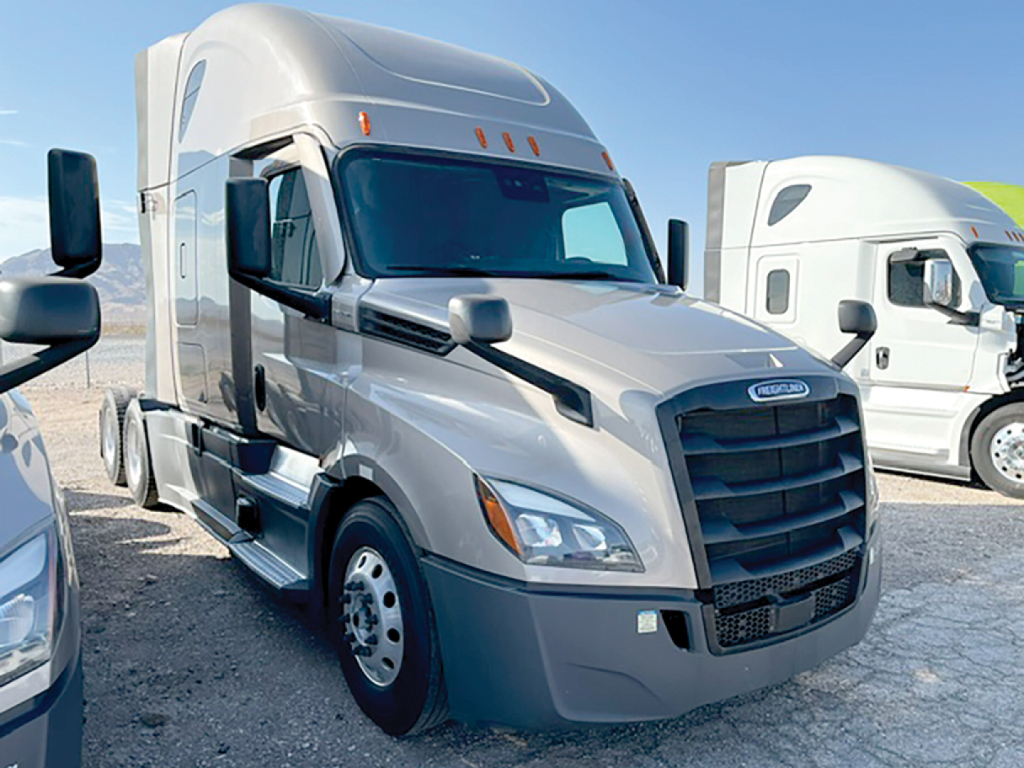
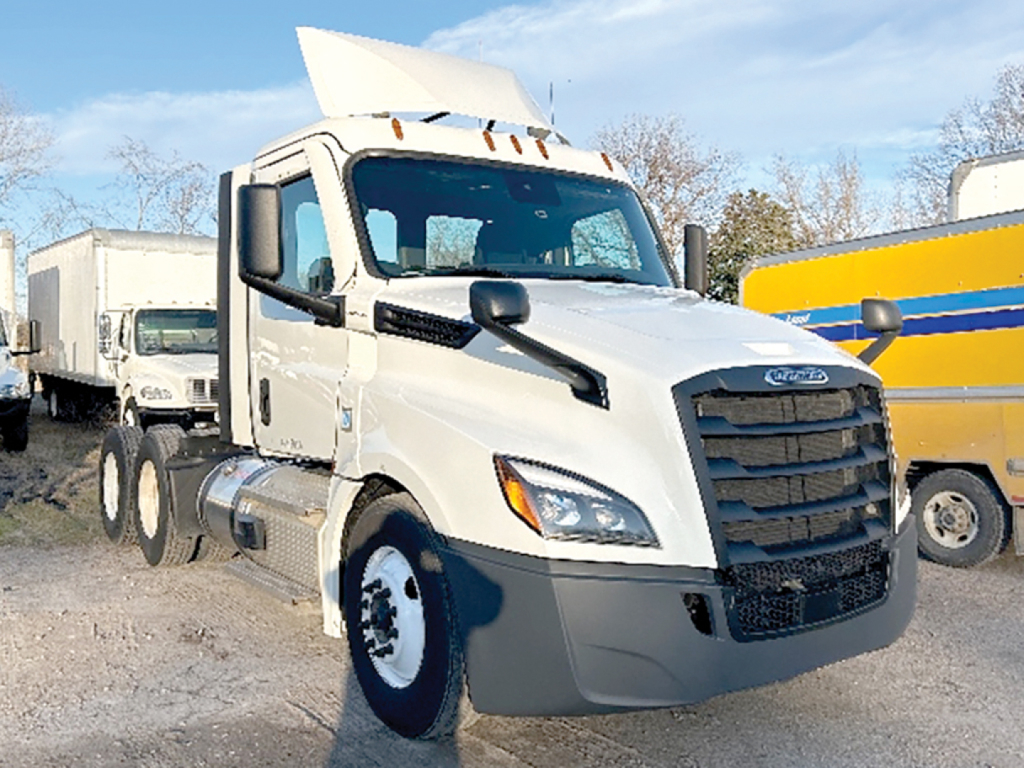
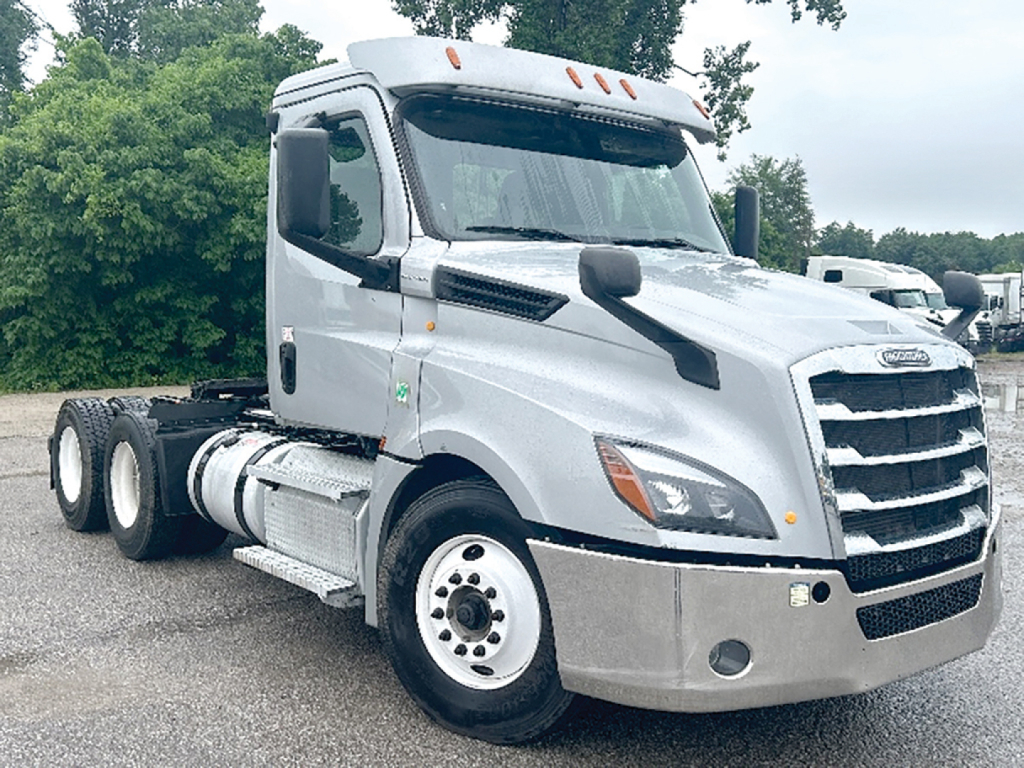
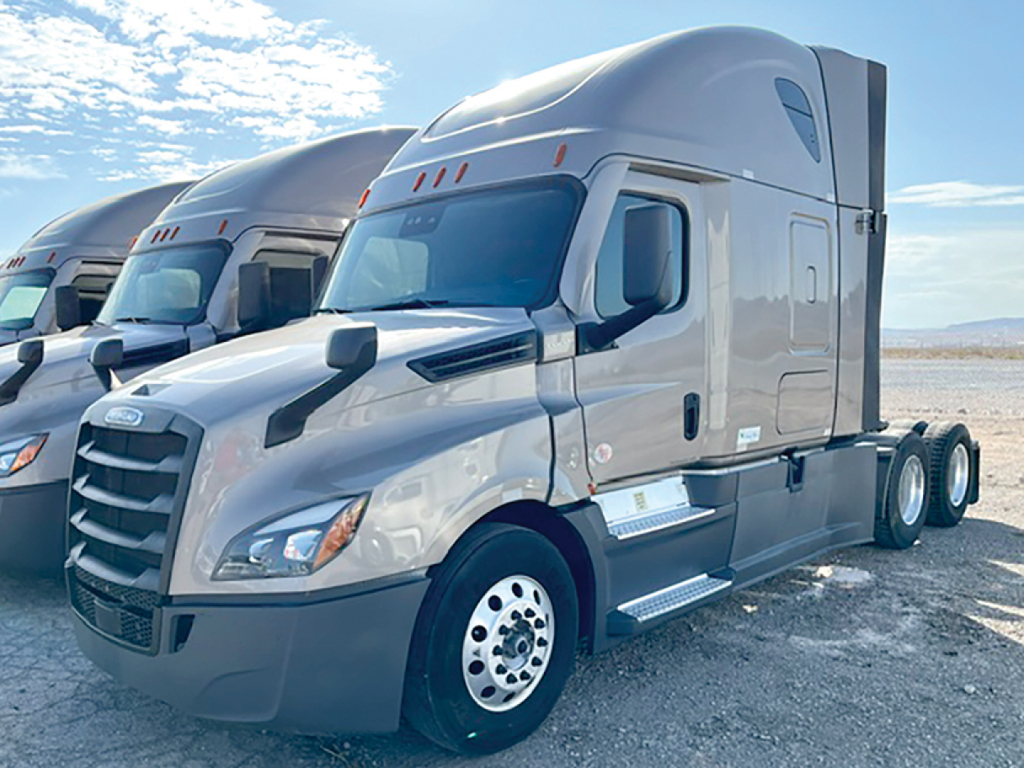
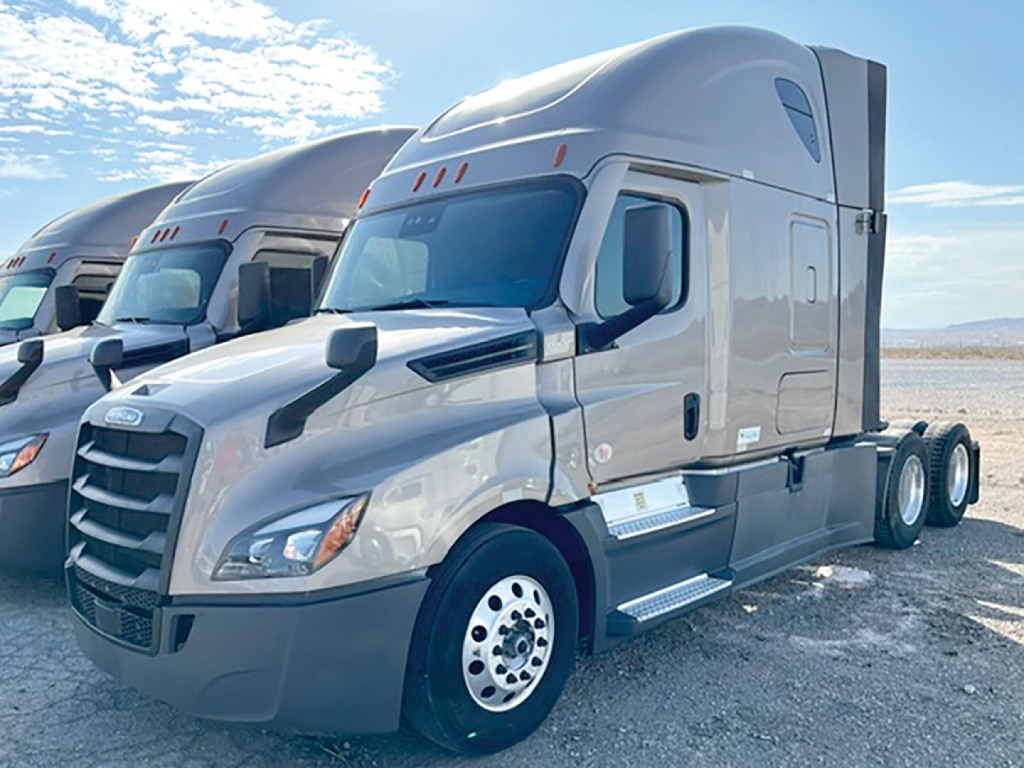
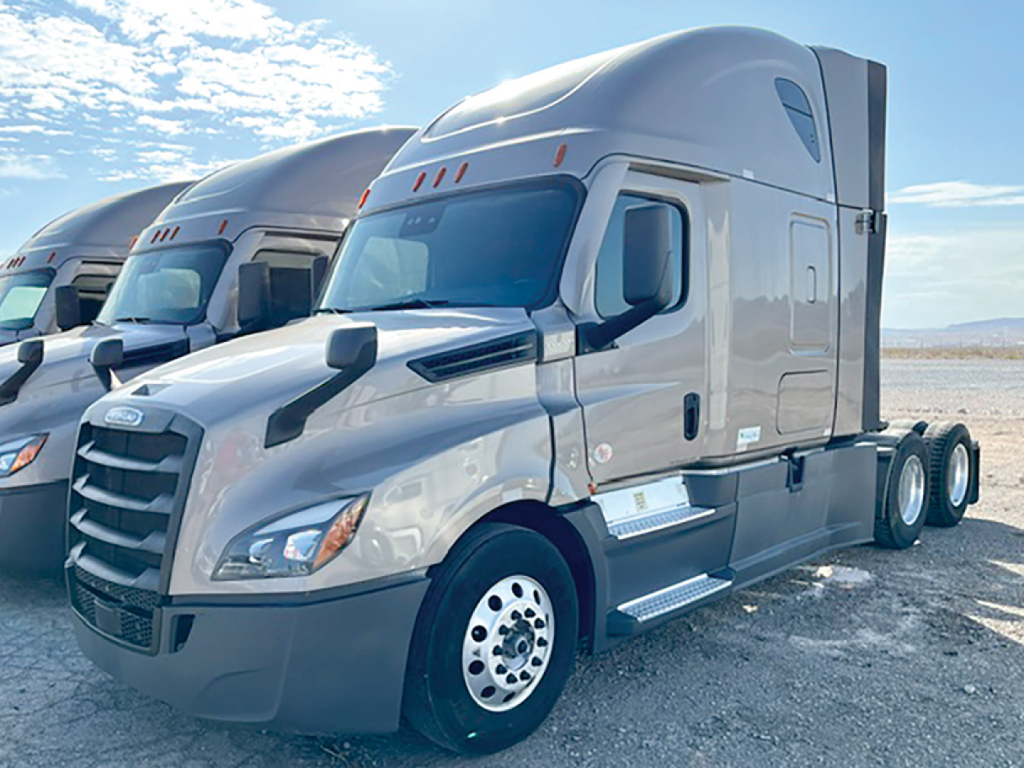
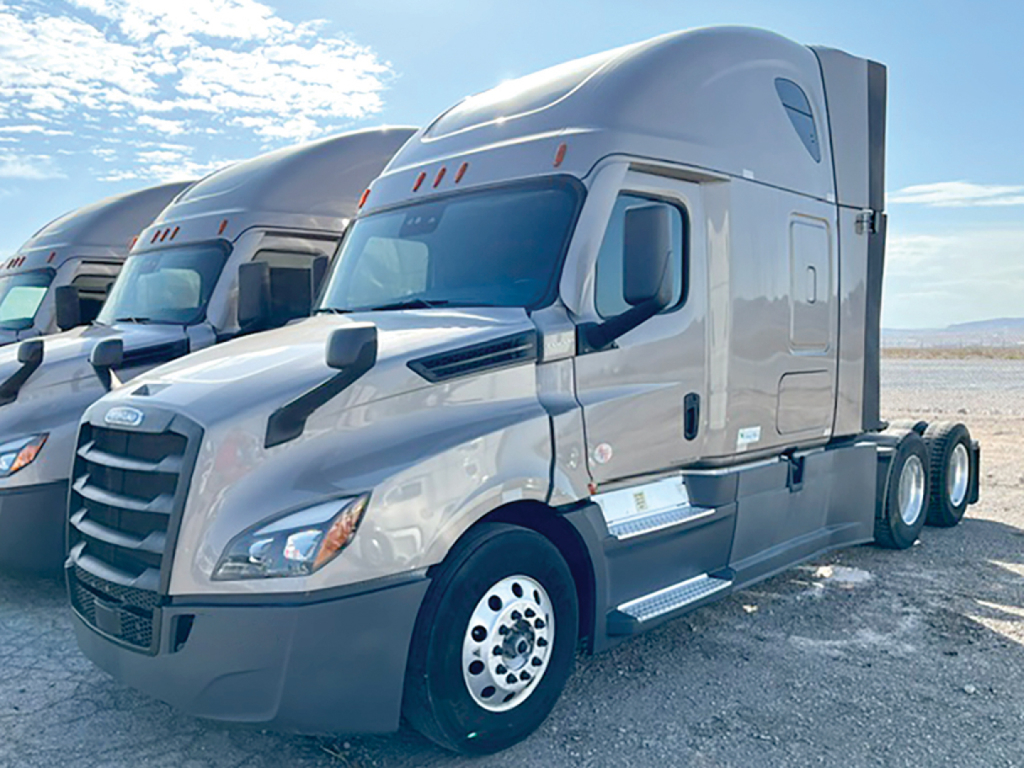
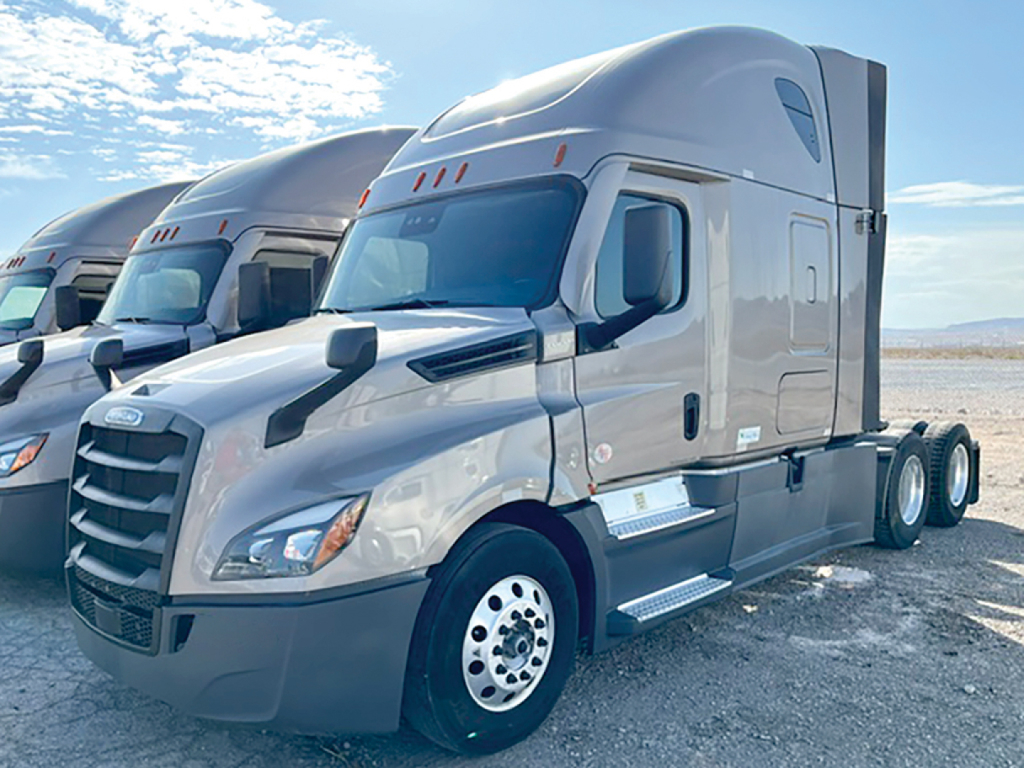
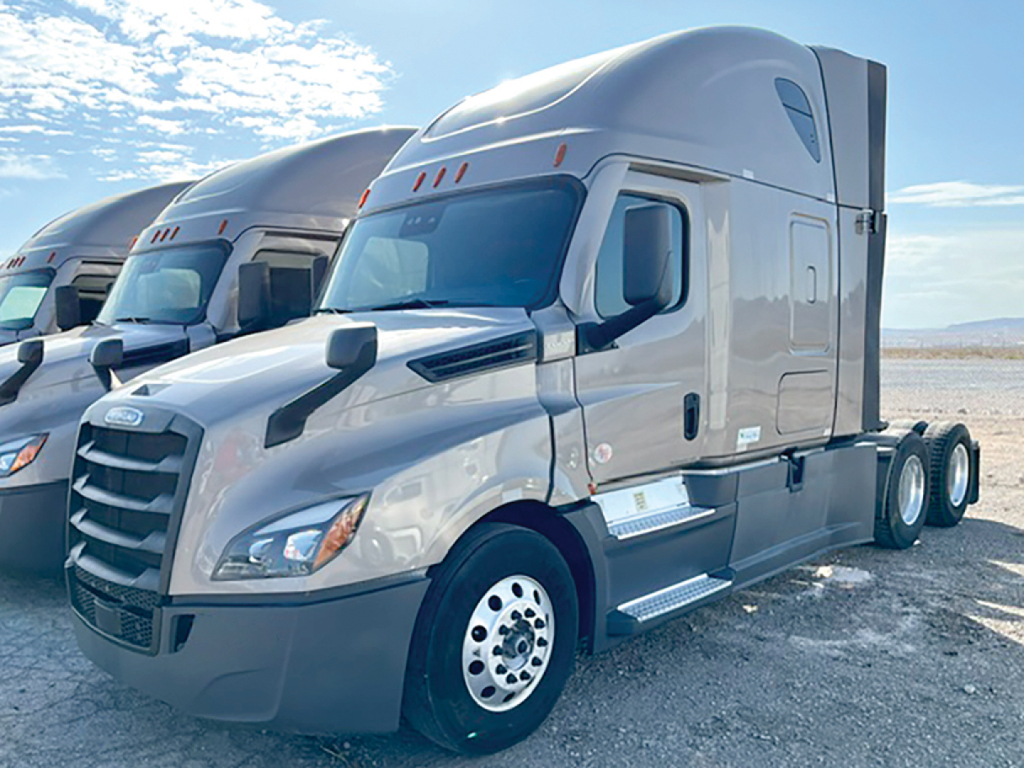
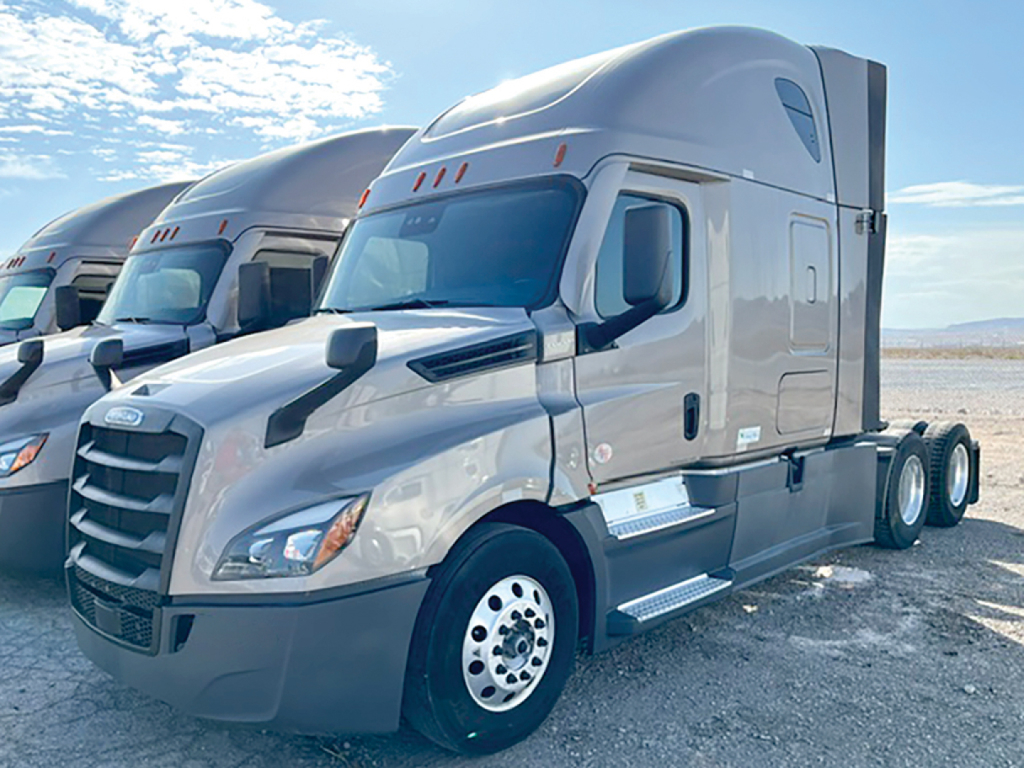
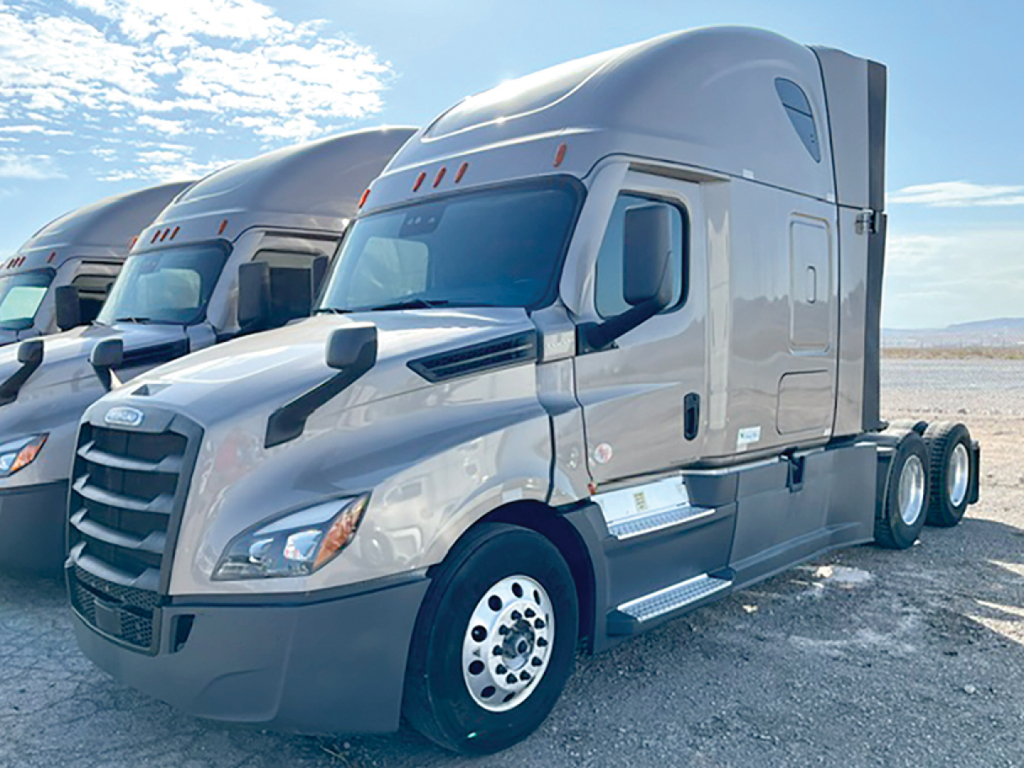
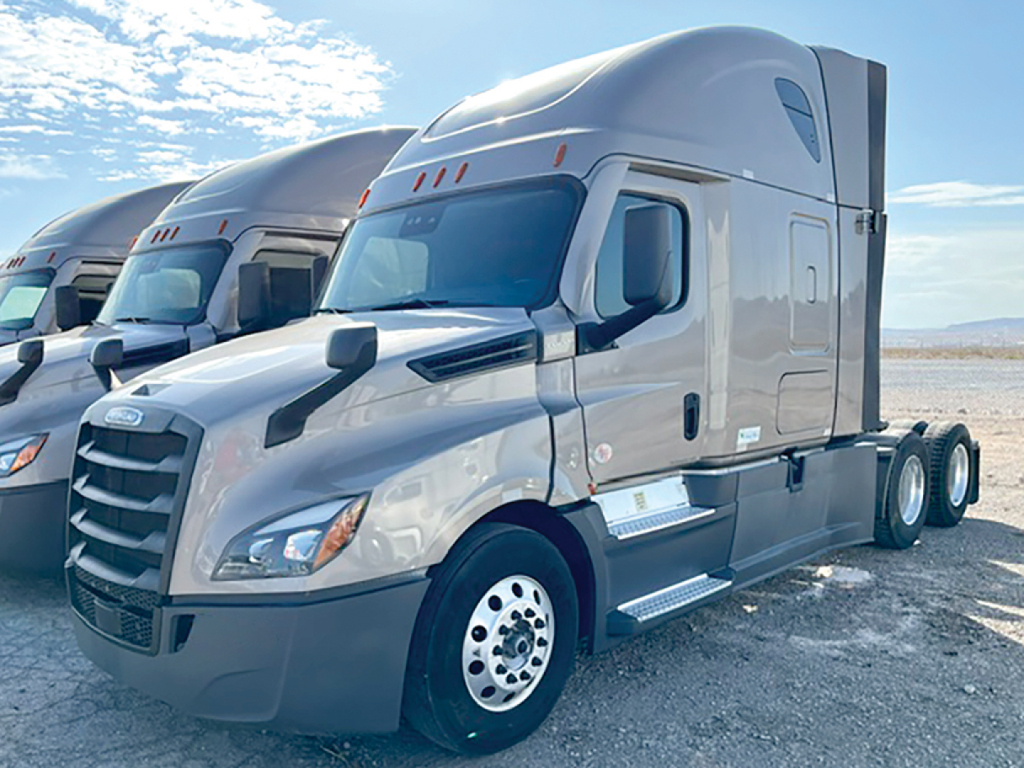
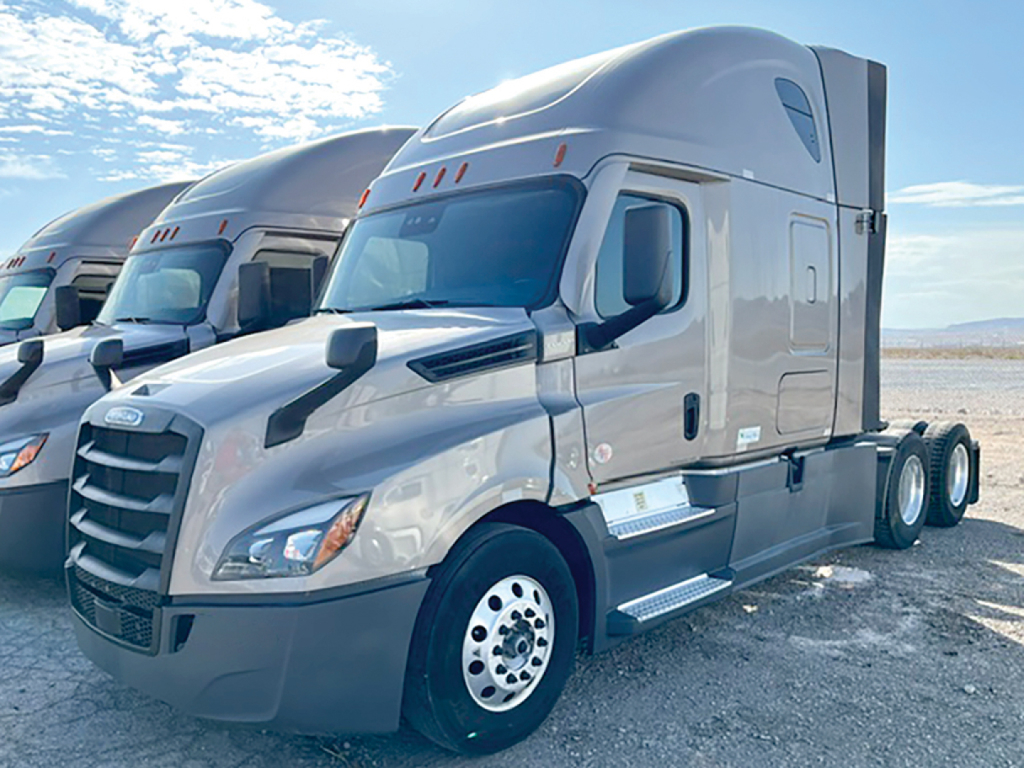
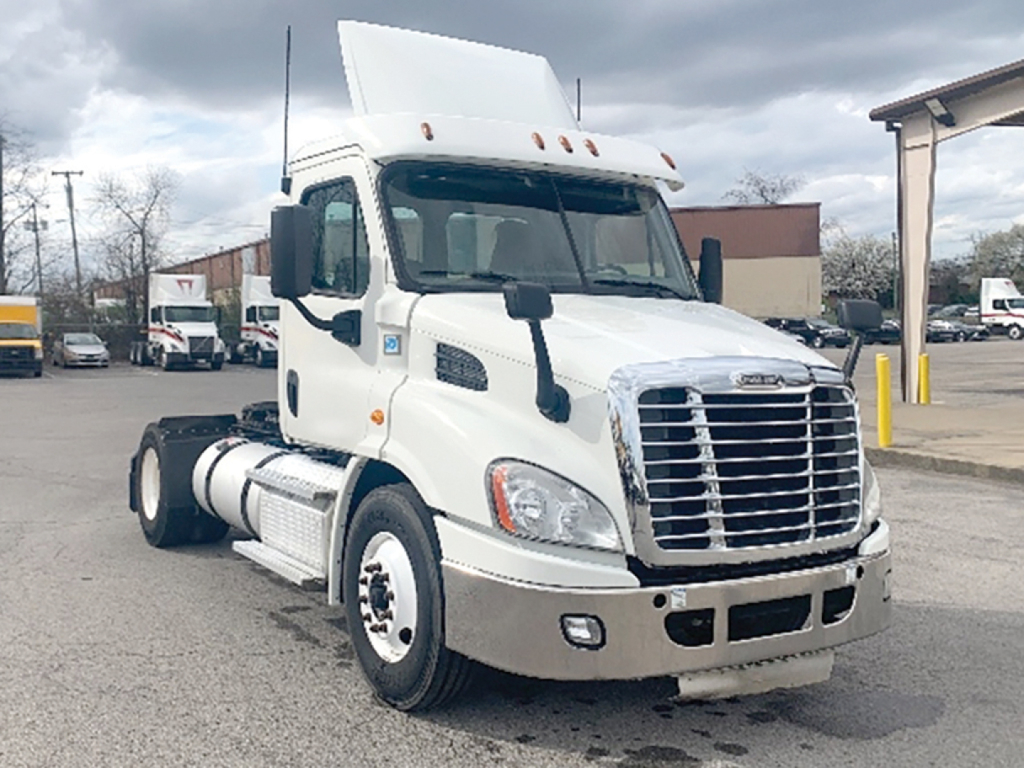
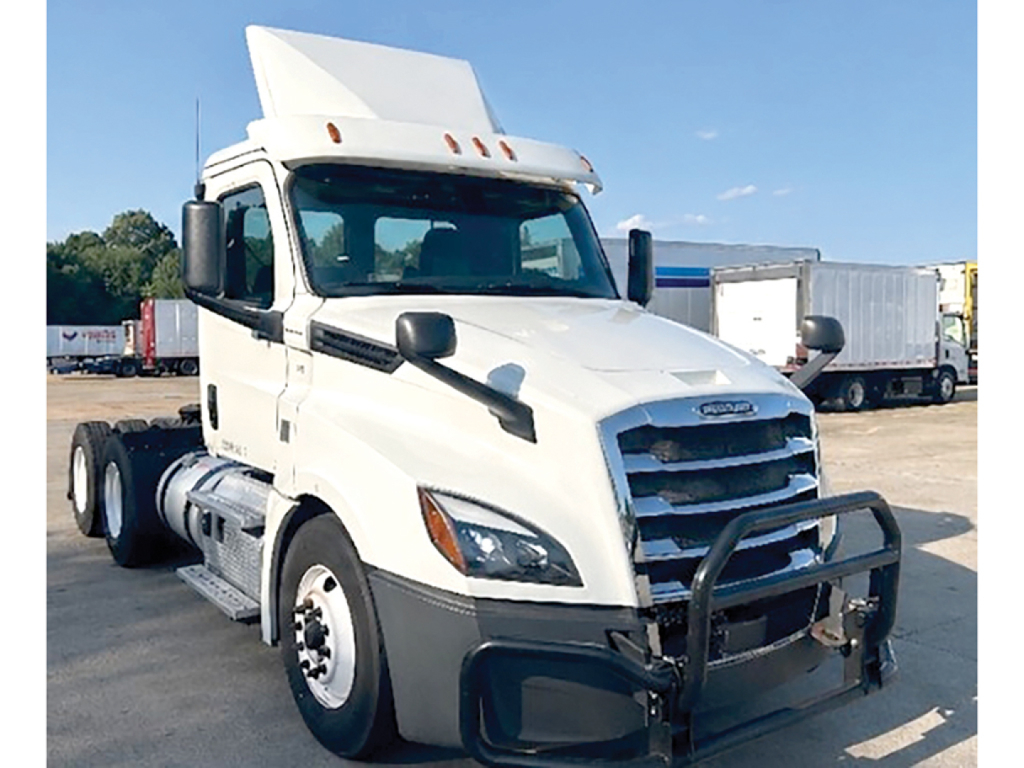
Showing 1 to 24 of 29 results
Have freightliner truck to sell? List it here to reach thousands of buyers.
Freightliner Trucks in Mississippi
For long-haul buyers, Cascadia specs usually center on Detroit DD15 power, automated manual transmissions such as the DT12, and tandem rear axles rated around 40,000 pounds. Key buying points are horsepower, rear axle ratio, wheelbase, sleeper size, and whether the truck has an APU, bunk heater, air slide fifth wheel, and disc brakes. A lower rear axle ratio such as 2.15 generally favors highway fuel economy, while a 3.25 ratio is more common when buyers want a better balance of startability, gradeability, and regional flexibility. Mississippi fleets running I-10, I-20, I-55, and I-59 often prioritize aerodynamic packages, dual fuel tanks, engine brakes, and raised-roof sleepers for longer runs and better driver retention.
On the medium-duty side, the M2 106 is a practical choice for pickup and delivery, route service, municipal work, and box truck applications. Common specs include Cummins ISB or Detroit DD8 engines, automatic transmissions, single rear axles, and wheelbases matched to 24-foot to 26-foot van bodies. Buyers should look closely at body condition and job-ready equipment such as liftgates, E-track, scuff liners or scuff plate protection, roll-up doors, wood floors, translucent roofs, and rear axle ratings. A higher numerical axle ratio such as 5.13 or 5.57 is typical in delivery service where stop-and-go performance and load carrying matter more than interstate cruising speed.
Freightliner trucks are generally favored for broad parts support, familiar service networks, and straightforward spec selection across fleet and owner-operator use. When comparing used units, pay attention to engine history, emissions system maintenance, transmission type, suspension spec, brake type, tire size, and intended payload or trailer weight. On sleeper tractors, verify the sleeper configuration, fairings, fifth wheel travel, and any recent engine or aftertreatment work. On straight trucks, confirm GVWR, body length, liftgate capacity, door opening dimensions, and floor condition. The right Freightliner is less about model year alone and more about matching the spec to the lane, load, and duty cycle.
Frequently Asked Questions about Freightliner Trucks in Mississippi
What is the difference between a Freightliner Cascadia and a Freightliner M2 106?
The Freightliner Cascadia is a Class 8 highway tractor built primarily for over-the-road and regional hauling, often with a sleeper, tandem axles, and engines such as the Detroit DD15. The Freightliner M2 106 is a medium-duty platform commonly used as a straight truck or vocational truck, often with a van body, single axle, and smaller-displacement diesel engines. The Cascadia is the better fit for pulling semi-trailers over distance, while the M2 106 is better suited to local delivery, city routes, and specialized body applications.
What engine and transmission combinations are common in used Freightliner trucks?
In highway Freightliner tractors, Detroit DD15 engines and automated transmissions like the DT12 are among the most common late-model combinations. Some used Cascadia units also carry Eaton Fuller automated or manual-based transmissions depending on fleet spec and model year. In medium-duty Freightliner trucks such as the M2 106, buyers often see Cummins ISB 6.7 or Detroit DD8 engines paired with automatic transmissions. The best combination depends on duty cycle, terrain, gross weight, and maintenance preference.
Which rear axle ratio is best in a Freightliner truck?
The best rear axle ratio depends on how the truck will be used. A lower numerical ratio such as 2.15 is typically chosen for highway speed and fuel economy in long-haul tractor service. A mid-range ratio such as 3.25 offers stronger launch and better flexibility for regional lanes, mixed terrain, or heavier average gross weights. Higher numerical ratios such as 5.13 or 5.57 are common on medium-duty straight trucks where stop-and-go operation, delivery work, and body payload take priority over top-end cruising efficiency.
What should I inspect first on a used Freightliner sleeper tractor?
Start with the engine, emissions system, and transmission service history. Then check rear axle ratio, wheelbase, fifth wheel travel, brake type, suspension, tire condition, and sleeper equipment such as bunk heater or APU. On a Cascadia, aerodynamic components like side fairings and cab extenders also matter because damaged or missing pieces can affect fuel economy and replacement cost. If the truck has a remanufactured engine or warranty coverage, verify documentation and remaining terms.
What matters most when buying a Freightliner straight truck with a van body?
The body and chassis need to match the work. Confirm body length, wheelbase, GVWR, rear axle rating, liftgate capacity, floor condition, door type, and cargo control equipment such as E-track and scuff protection. For urban and route delivery, transmission type, turning radius, and axle ratio are important because they affect drivability and stop-and-go performance. Buyers should also inspect the roof, threshold, body seams, and liftgate operation carefully, since body repairs and cargo-area damage can add significant cost after purchase.