
Freightliner Conventional Daycab Trucks For Sale in Mississippi
Shop Freightliner conventional daycab trucks for sale in Mississippi. Compare M2 106 specs, GVWR, engines, wheelbases, bodies, and drivability.
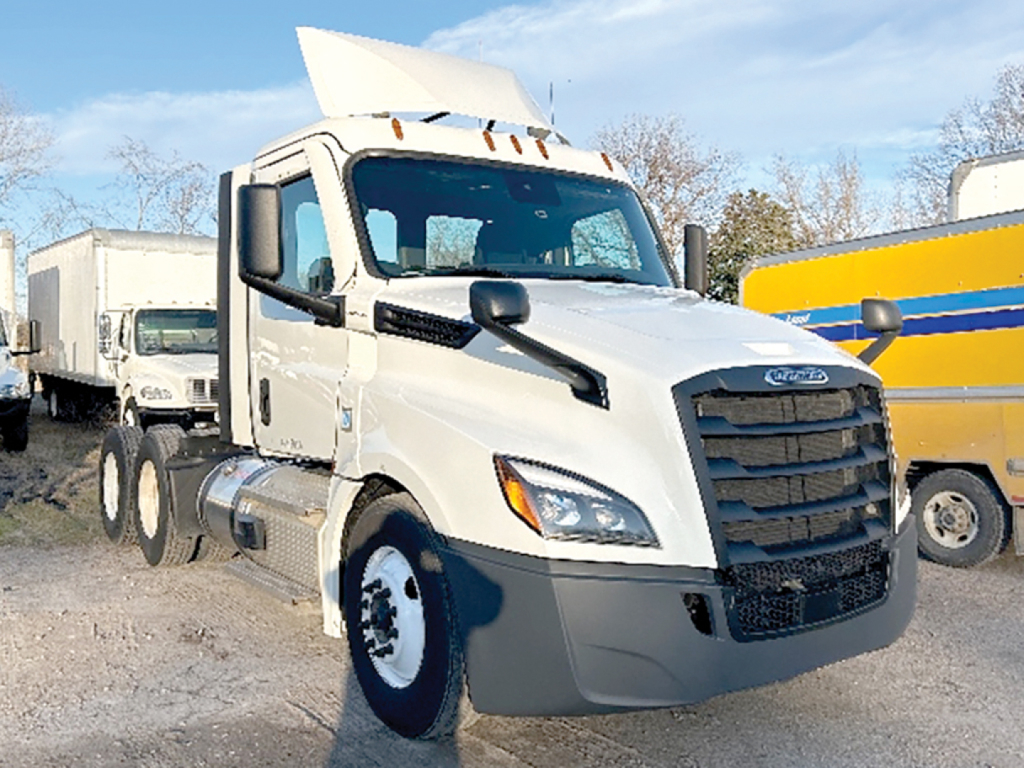
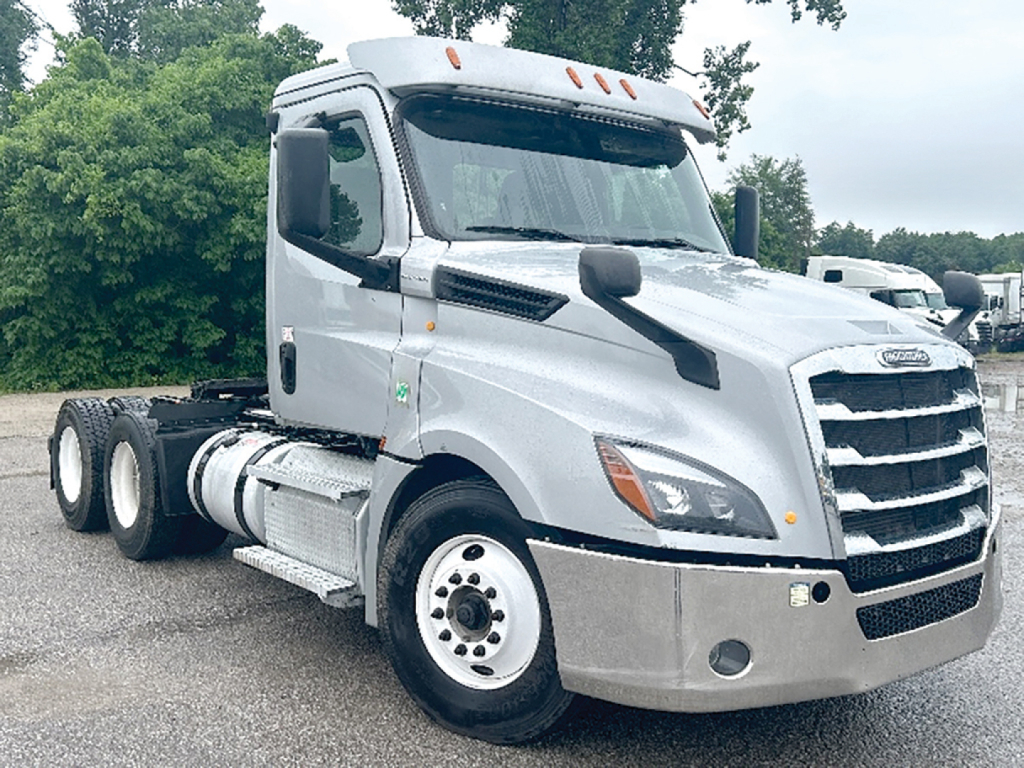
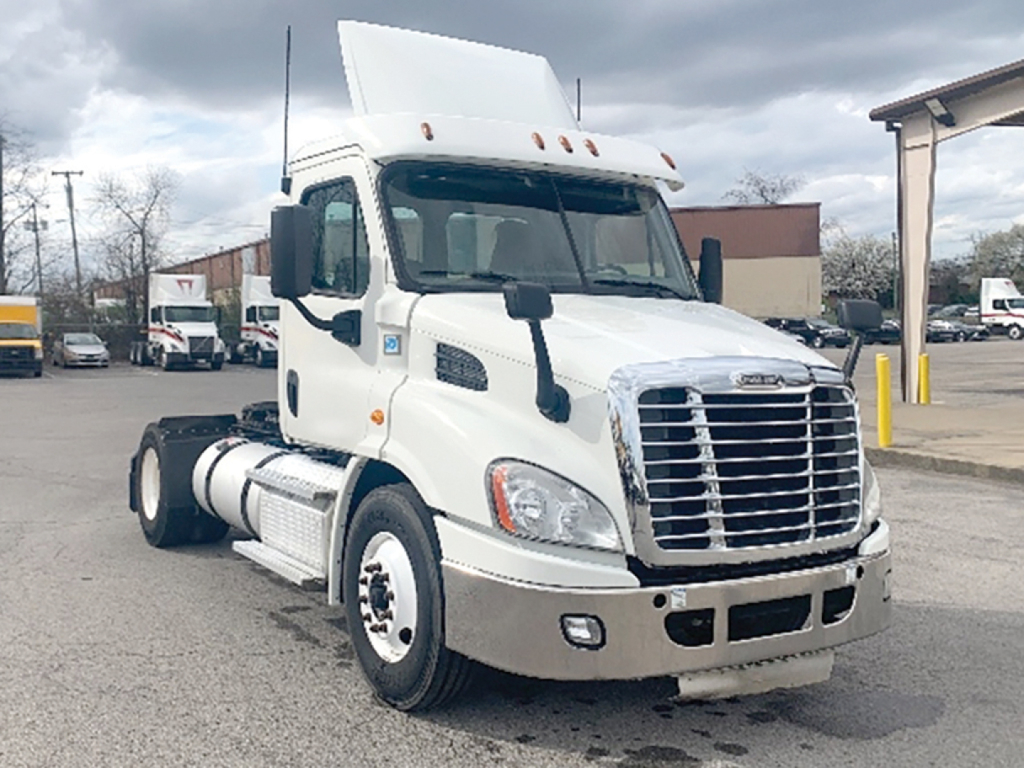
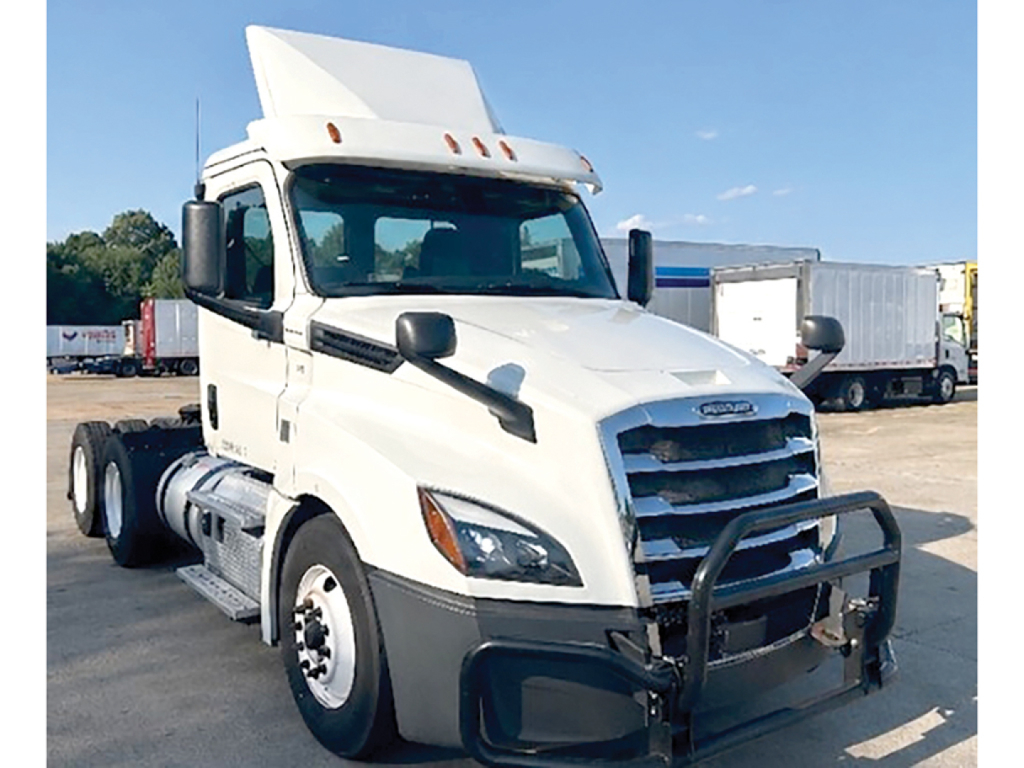

Have freightliner conventional daycab truck to sell? List it here to reach thousands of buyers.
Freightliner Conventional Daycab Trucks in Mississippi
One of the first decisions in this class is matching engine, transmission, and axle ratio to the body and payload. Typical specs on Freightliner daycabs in this range include Cummins ISB 6.7L or Detroit DD8 power, usually around 220 to 260 horsepower for medium-duty delivery and vocational work. Buyers should pay close attention to rear axle rating, wheelbase, and ratio because those numbers affect startability, cruise rpm, body length compatibility, and overall drivability. Single-axle setups are common, and many trucks are equipped with automatic transmissions, air ride suspension, hydraulic steering, aluminum fuel tanks, and driver comfort features like tilt-telescoping steering, cruise control, power windows, and air conditioning.
For box truck and straight truck applications, body details matter as much as cab specs. Common equipment includes 24-foot to 26-foot van bodies, wood floors, E-track, scuff liners or scuff plate protection, translucent roofs, roll-up doors, threshold plates, rub rails, and liftgates. A longer wheelbase can support more body length and improve ride quality, but it can also reduce maneuverability in older industrial areas or crowded urban delivery routes. Tire size, low-profile rubber, and suspension type also influence deck height and loading convenience. If the truck will spend most of its time in stop-and-go service, a lower geared rear end and automatic transmission can be a strong advantage.
Freightliner remains popular in this segment because parts availability, dealer support, and technician familiarity are generally strong across the South. For a buyer comparing multiple Freightliner conventional daycab trucks for sale, the best value usually comes from looking past model year alone and focusing on application fit: GVWR, body condition, liftgate capacity, maintenance history, engine family, and how the truck was spec'd for its prior job. A properly matched Freightliner daycab can serve for years in beverage distribution, furniture delivery, moving, utility support, or general freight work where durability and easy service access matter more than long-haul amenities.
Frequently Asked Questions about Freightliner Conventional Daycab Trucks in Mississippi
What is a Freightliner conventional daycab truck used for?
A Freightliner conventional daycab truck is commonly used for local and regional work that does not require overnight accommodations. Typical applications include box truck delivery, route service, flatbed hauling, municipal work, utility support, and other vocational jobs. The conventional hood design provides easier engine access for service, and the daycab configuration helps reduce overall length and weight compared with a sleeper truck.
What should I look at first when comparing Freightliner daycab specs?
Start with the truck’s intended application, then check engine, horsepower, transmission type, rear axle ratio, axle rating, wheelbase, and GVWR. Those specs determine how well the truck handles payload, body length, stop-and-go work, and highway speed. If the truck has a van body or other upfit, inspect the body dimensions, floor condition, door type, and any liftgate or cargo control equipment because those items directly affect daily productivity.
Are Freightliner M2 106 daycabs good for box truck and straight truck applications?
Yes. The Freightliner M2 106 is one of the most common medium-duty platforms for straight truck service. It is frequently spec'd with van bodies, stake bodies, flatbeds, and vocational equipment. Buyers like the M2 106 because it offers a good balance of maneuverability, cab comfort, serviceability, and body-builder compatibility, especially for local delivery and regional commercial use.
How do wheelbase and axle ratio affect a daycab truck?
Wheelbase affects body fit, turning radius, ride quality, and dock maneuverability. A longer wheelbase can support a longer body and may ride better, but it usually takes more room to turn. Axle ratio affects acceleration, gradeability, and engine rpm at road speed. Lower gearing can help in heavy stop-and-go or loaded service, while a faster ratio may be better for lighter loads and more highway use.
Why are automatic transmissions common in Freightliner daycab trucks?
Automatic transmissions are common because they reduce driver fatigue, improve consistency in urban and route work, and can help with driver hiring in fleets that run local delivery operations. In applications with frequent stops, backing, and tight maneuvering, an automatic can also make the truck easier to operate and more productive over the course of a workday.