
2022 Freightliner Trucks For Sale in Mississippi
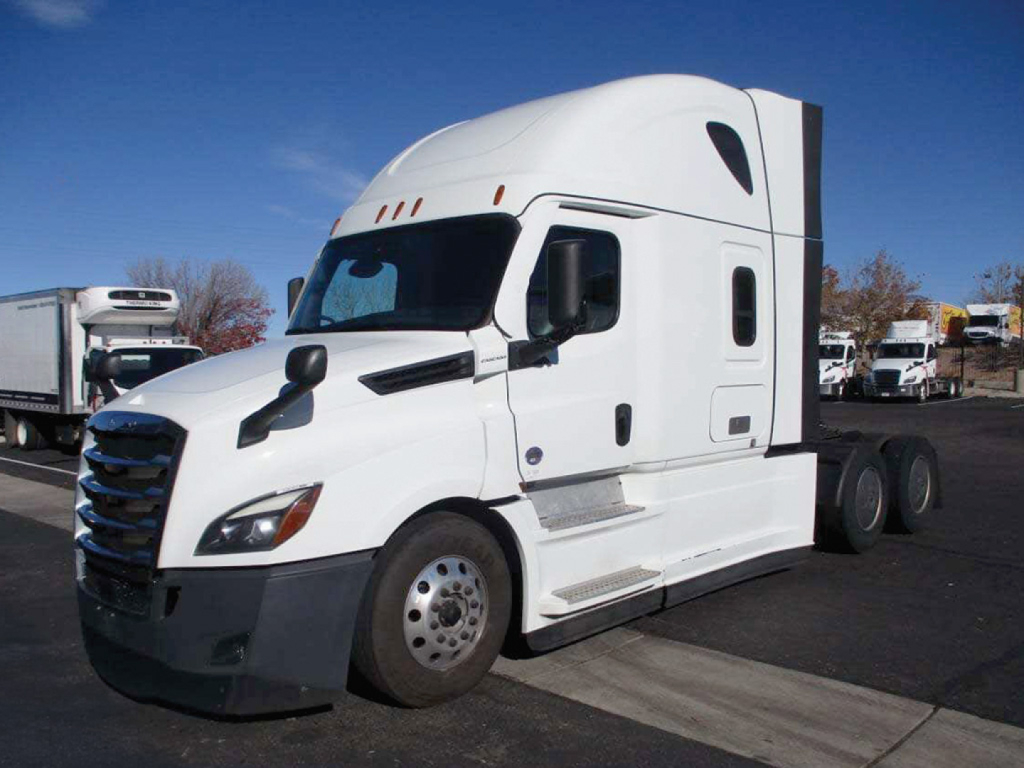
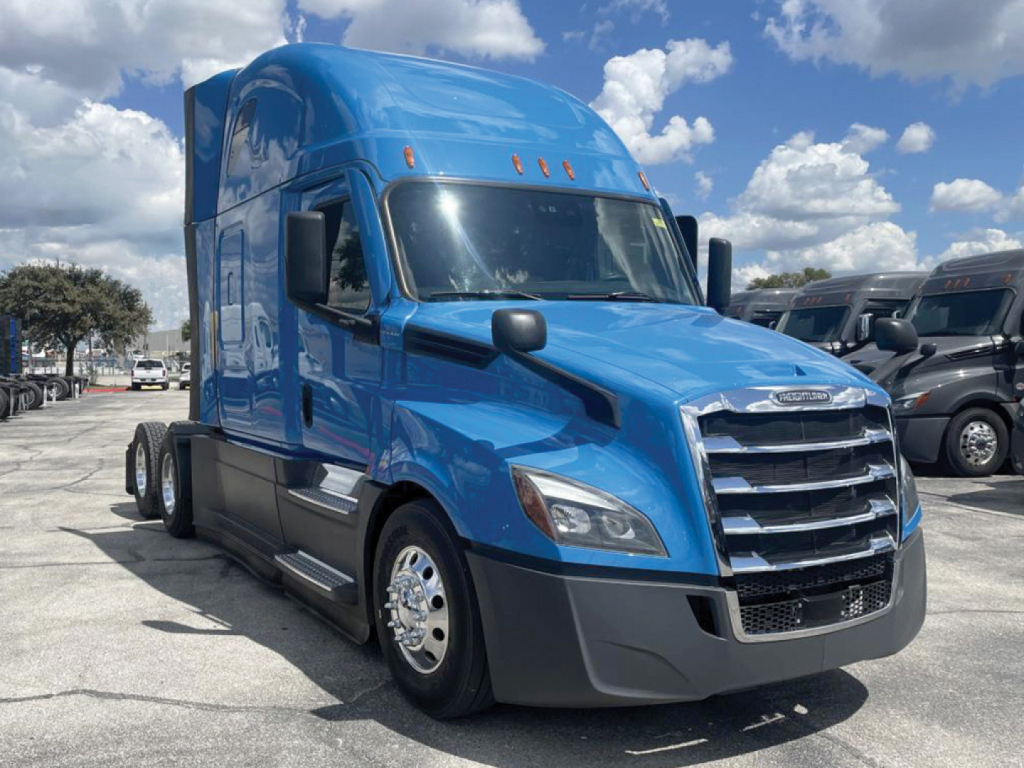
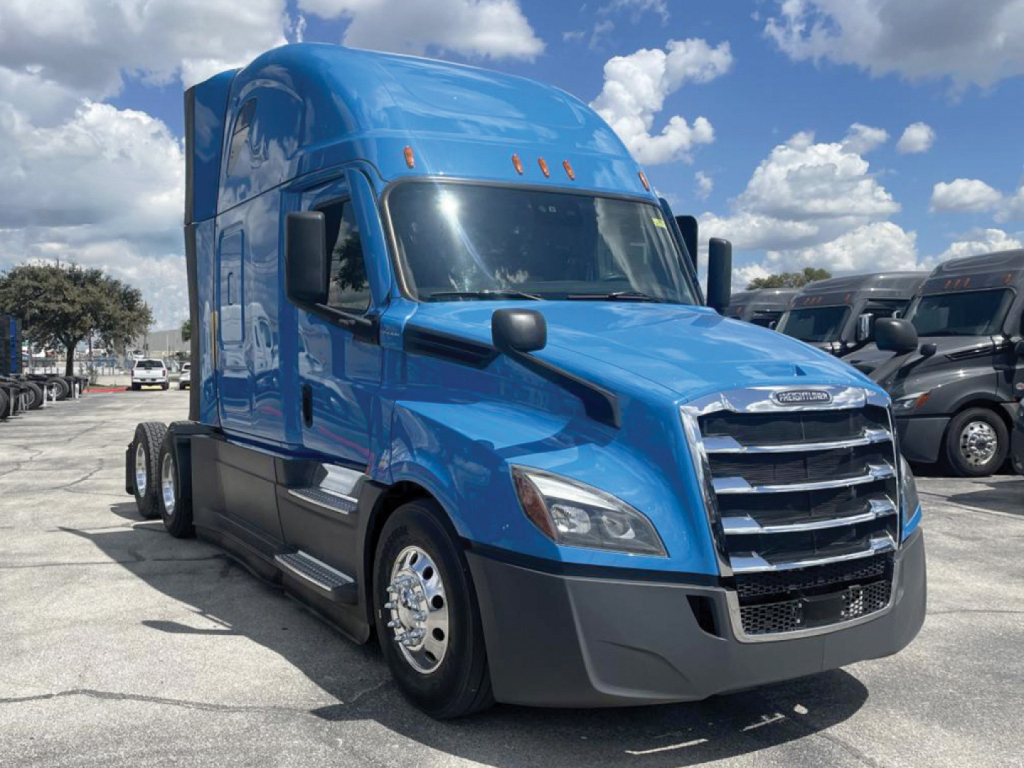
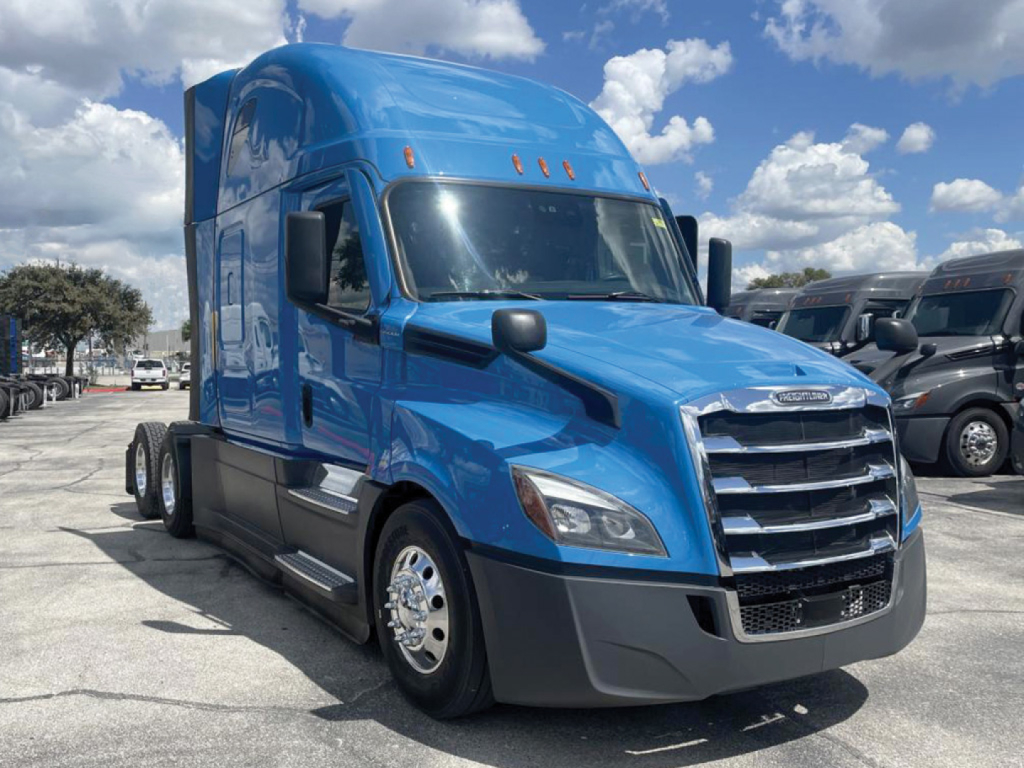
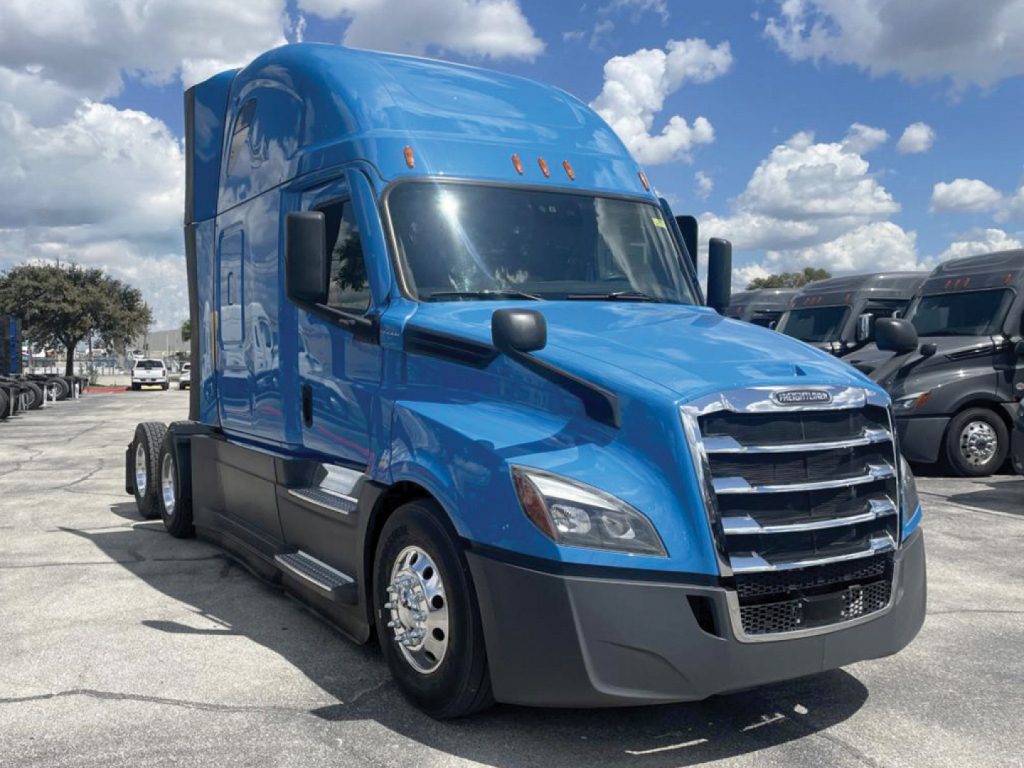
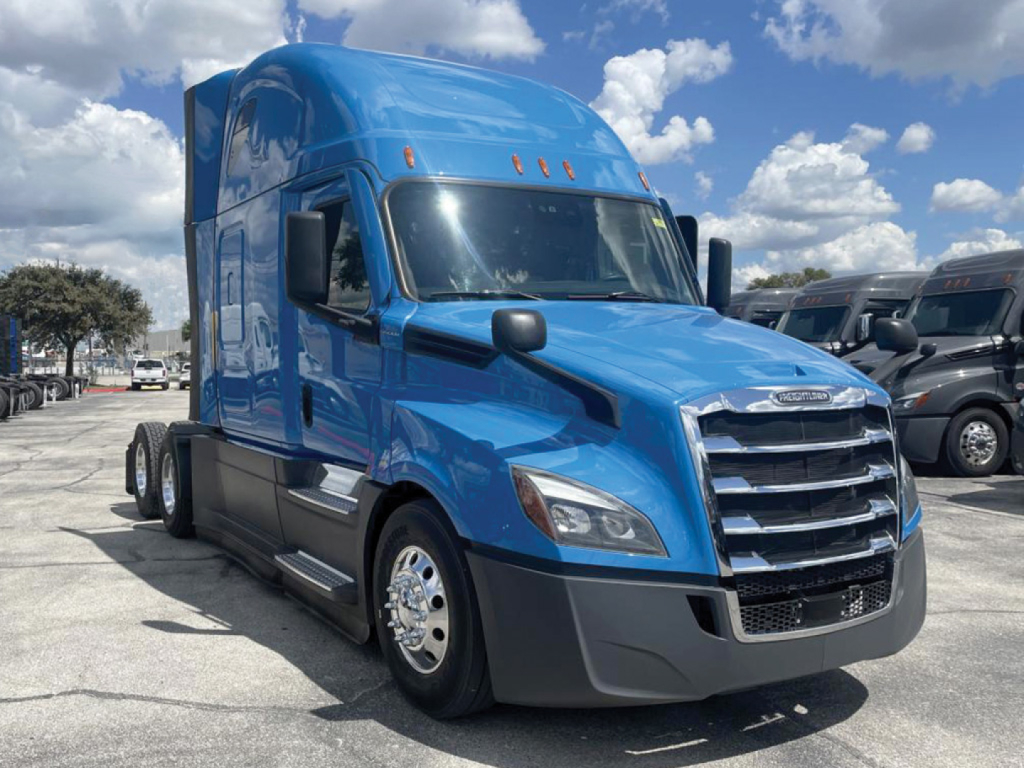
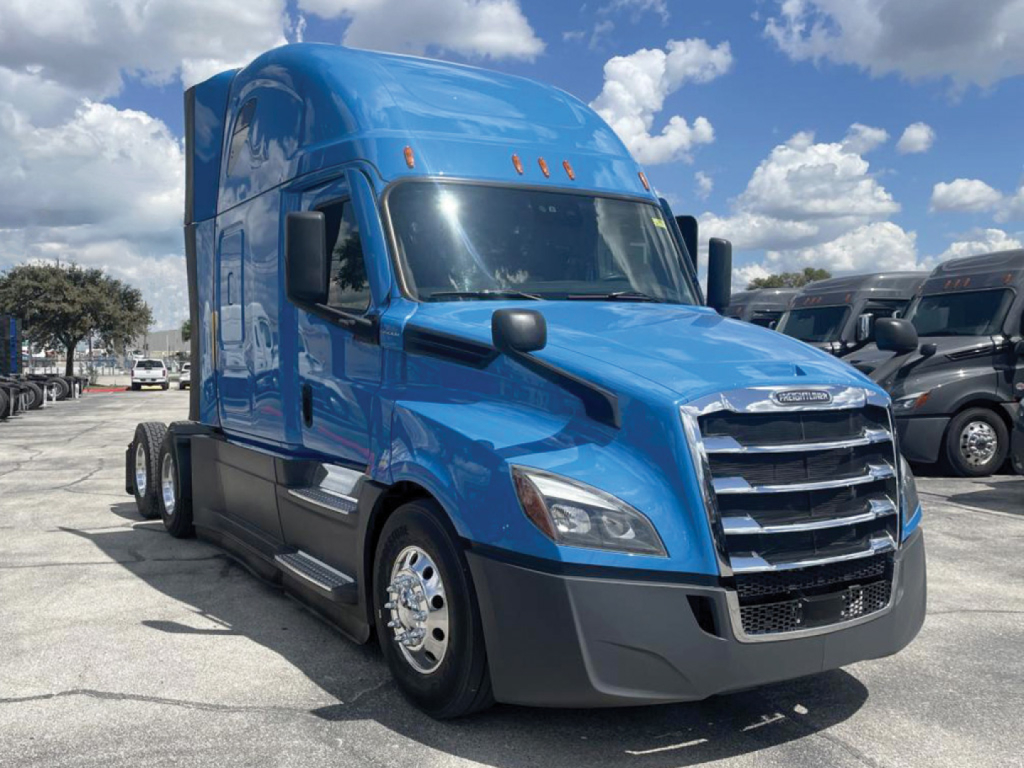
Browse 2022 Freightliner trucks in Mississippi, including Cascadia sleeper models with DD13 or DD15 power, DT12 automated transmissions, and aero specs.
Learn more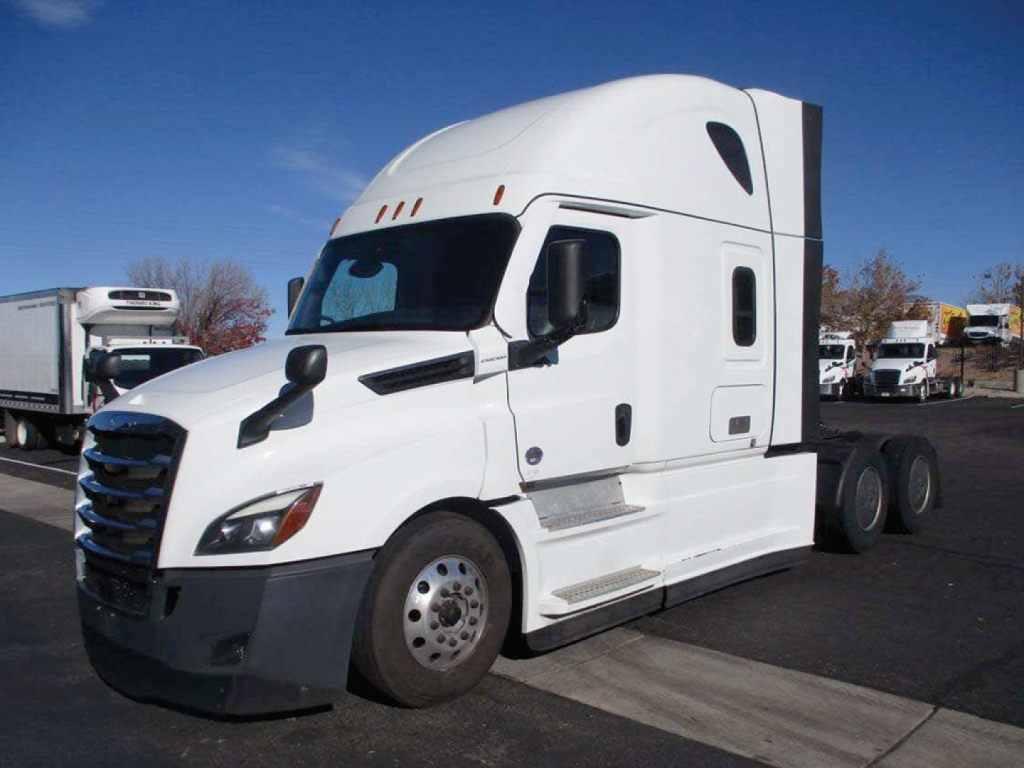
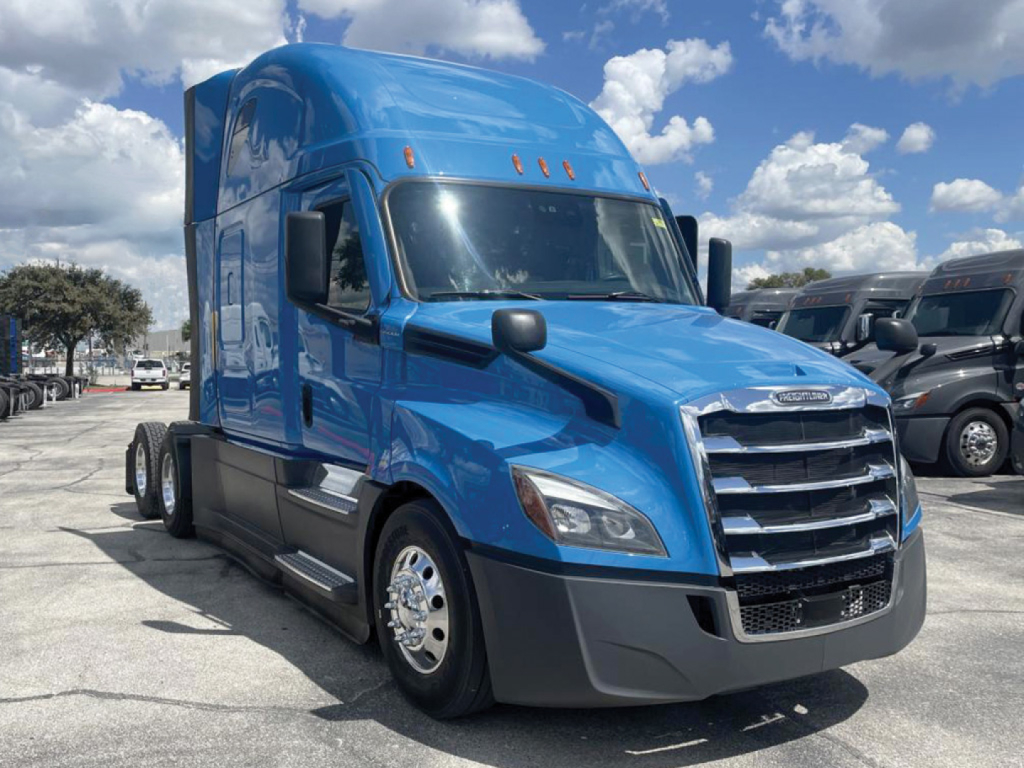
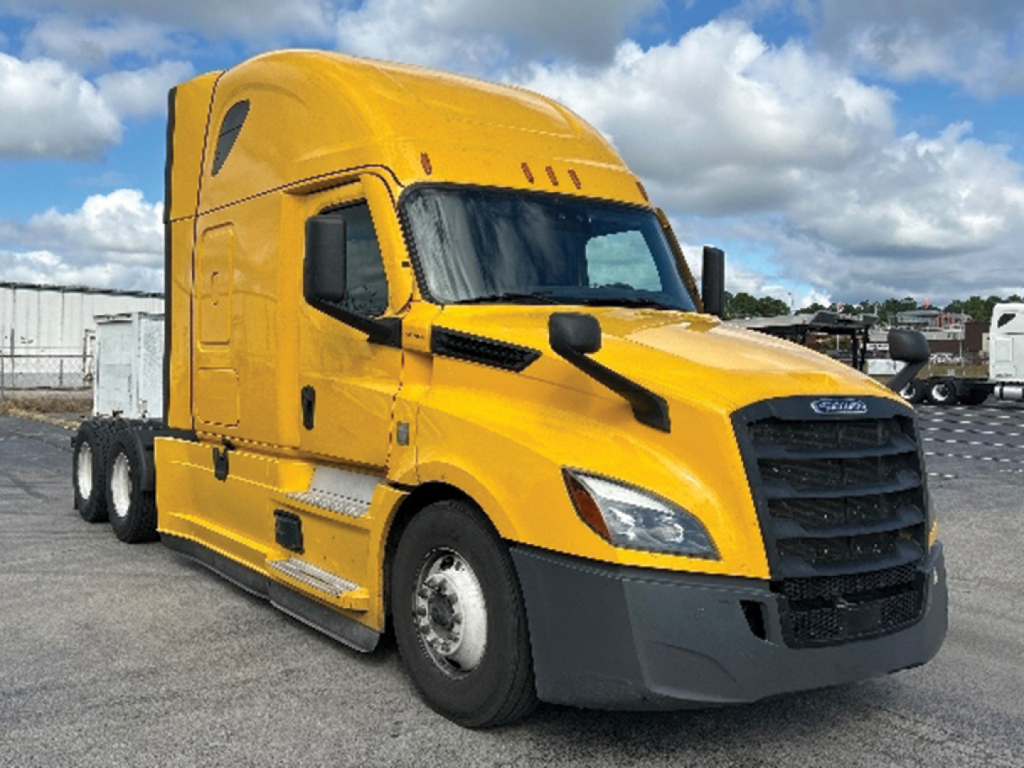
Have 2022 freightliner truck to sell? List it here to reach thousands of buyers.
About 2022 Freightliner Trucks in Mississippi
On 2022 Freightliner Cascadia sleepers, common powertrain combinations include the Detroit DD13 or DD15 paired with the DT12 automated manual transmission. That setup is popular because it balances fuel efficiency, predictable shift logic, and broad service support. Pay close attention to horsepower, rear axle ratio, and wheelbase because those three specs tell you a lot about the truck’s intended job. A 400 HP DD13 with a 2.28 ratio is typically aimed at fuel-conscious over-the-road operation on flatter lanes, while a 455 HP DD15 with a 3.08 ratio is better suited for heavier freight, mixed terrain, or applications that need stronger launch and grade performance. Many 2022 units also carry 40,000 lb rear axles, air ride suspension, sliding fifth wheels, and aerodynamic equipment like side fairings, cab extenders, and quarter fenders.
Cab and driver features matter more than many buyers admit, especially on sleeper trucks. A 72-inch raised roof sleeper is common in this model year and gives enough room for team operations, longer dispatch cycles, or drivers who spend most of the week in the truck. Features like upper bunks, bunk heaters, tilt and telescoping steering, cruise control, power windows, air conditioning, and aluminum fuel tanks are typical on highway-spec Freightliners. Safety tech is another point to verify on 2022 trucks. Collision mitigation systems, disc brakes on some specs, and integrated engine brakes can improve control, reduce wear, and help with insurance or fleet standardization depending on the operation.
For Mississippi buyers, spec selection should match lane profile and freight type. Trucks running I-55, I-20, I-10, port freight, or dedicated Southeast lanes often benefit from aerodynamic sleepers with taller gearing and automated transmissions. Operations pulling heavier van, reefer, or irregular route freight may want more engine, shorter gearing, and a closer look at suspension condition, fifth wheel travel, and tire spec. When comparing 2022 Freightliner trucks, focus on engine rating, transmission, axle ratio, sleeper configuration, maintenance history, and any active fault or aftertreatment issues. A well-matched 2022 Freightliner can be a strong choice for carriers that want modern specs, high driver familiarity, and good resale strength in the used truck market.
Frequently Asked Questions
What engine options are common in a 2022 Freightliner truck?
On 2022 Freightliner highway tractors, the most common engines are the Detroit DD13 and Detroit DD15. The DD13 is often spec'd for fuel economy and lighter to moderate linehaul work, while the DD15 is more common when the truck needs higher horsepower, stronger torque, or better performance on heavier loads and rolling terrain. The right choice depends on gross weight, average route profile, and how aggressively the truck needs to be geared for fuel mileage versus pulling power.
Is the DT12 a good transmission in a 2022 Freightliner Cascadia?
The DT12 is a widely used automated manual transmission in late-model Freightliner Cascadias and is generally a strong fit for fleet and owner-operator highway work. It helps standardize shifting, supports fuel-economy programming, and reduces driver fatigue compared with a manual transmission. Buyers should still review service records, clutch and actuator history, software updates, and how the truck was operated, because automated transmission performance depends on both maintenance and application.
What rear axle ratio should I look for on a 2022 Freightliner?
A lower numerical ratio like 2.28 is typically chosen for fuel-efficient over-the-road lanes where the truck spends most of its time at highway speed with balanced freight. A higher numerical ratio like 3.08 gives better startability and stronger pulling performance for heavier loads, more stop-and-go work, or routes with hills. The best ratio depends on tire size, engine rating, transmission calibration, and the weight the truck will carry on a normal week.
Are 2022 Freightliner sleeper trucks good for long-haul work?
Yes. Many 2022 Freightliner sleeper tractors, especially Cascadia raised-roof models, are built specifically for long-haul and regional over-the-road service. Common features such as a 72-inch sleeper, aerodynamic fairings, dual fuel tanks, engine brake, climate controls, and driver convenience options make them well suited for extended dispatch cycles. The key is making sure the sleeper size, bunk setup, and powertrain match the actual freight network rather than just the appearance of the truck.
What should I inspect first on a used 2022 Freightliner truck?
Start with the maintenance history, engine hours, idle time, fault codes, and aftertreatment service record. Then review wear items that can drive immediate cost, including tires, brakes, suspension components, fifth wheel condition, and signs of driveline or transmission issues. On a 2022 Freightliner, it is also smart to confirm the operation of safety systems, check for emissions-related downtime history, and verify that the spec matches the intended use instead of assuming every late-model Cascadia is configured the same way.