
2022 Freightliner Conventional Sleeper Trucks For Sale in Mississippi
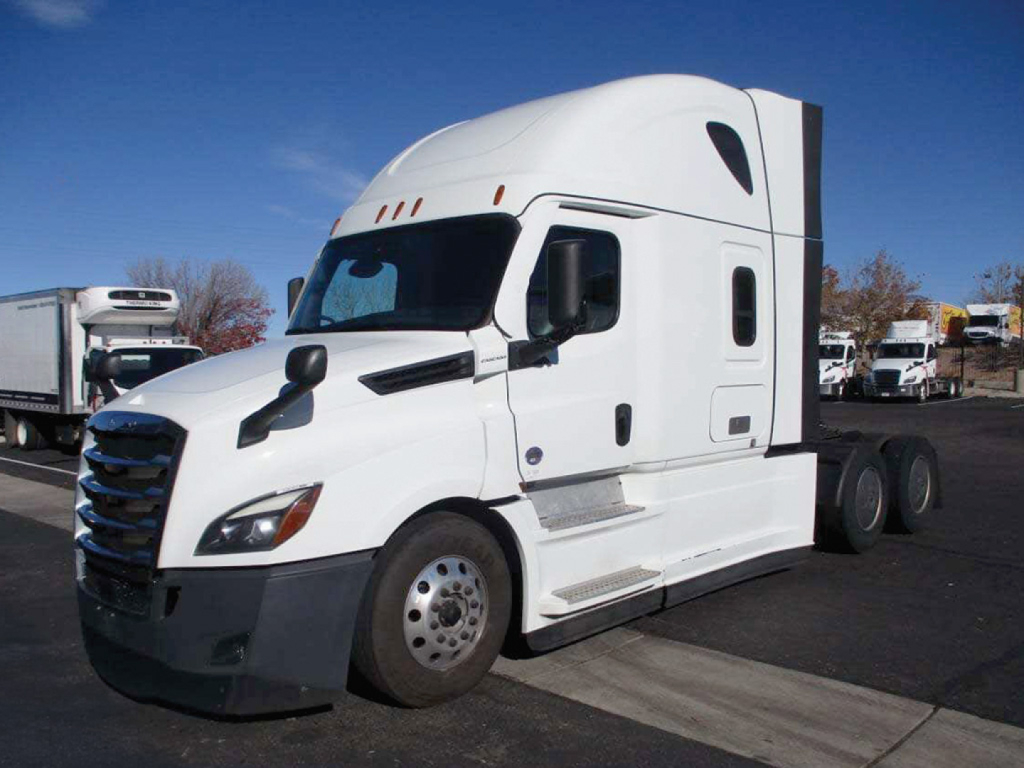
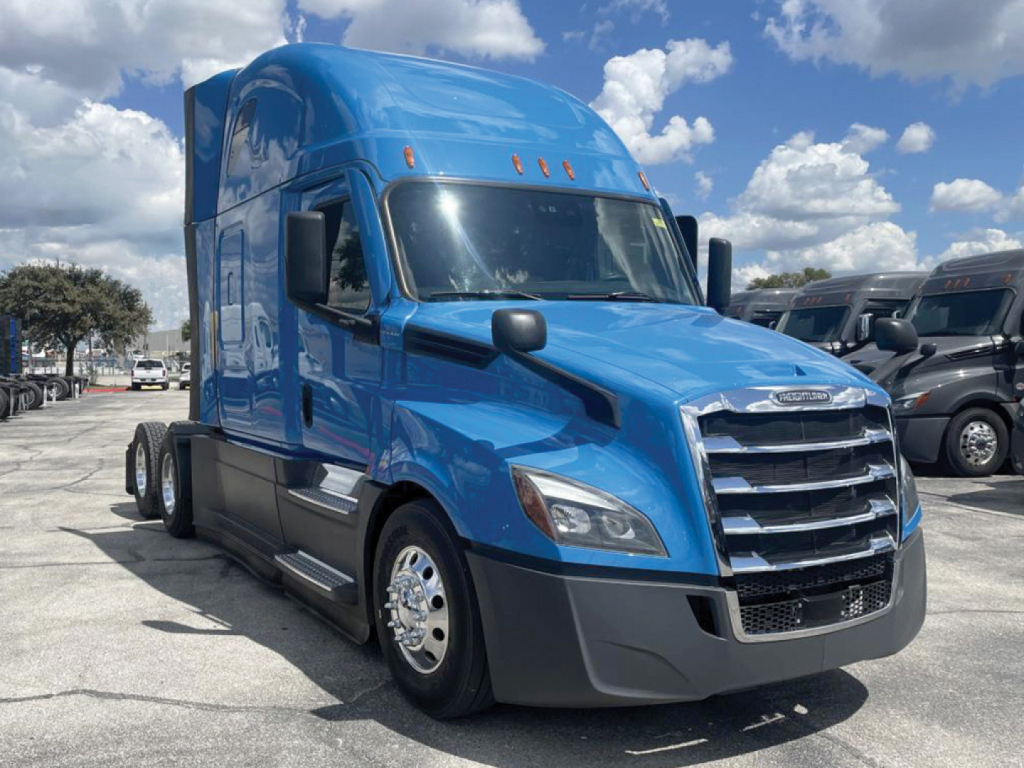
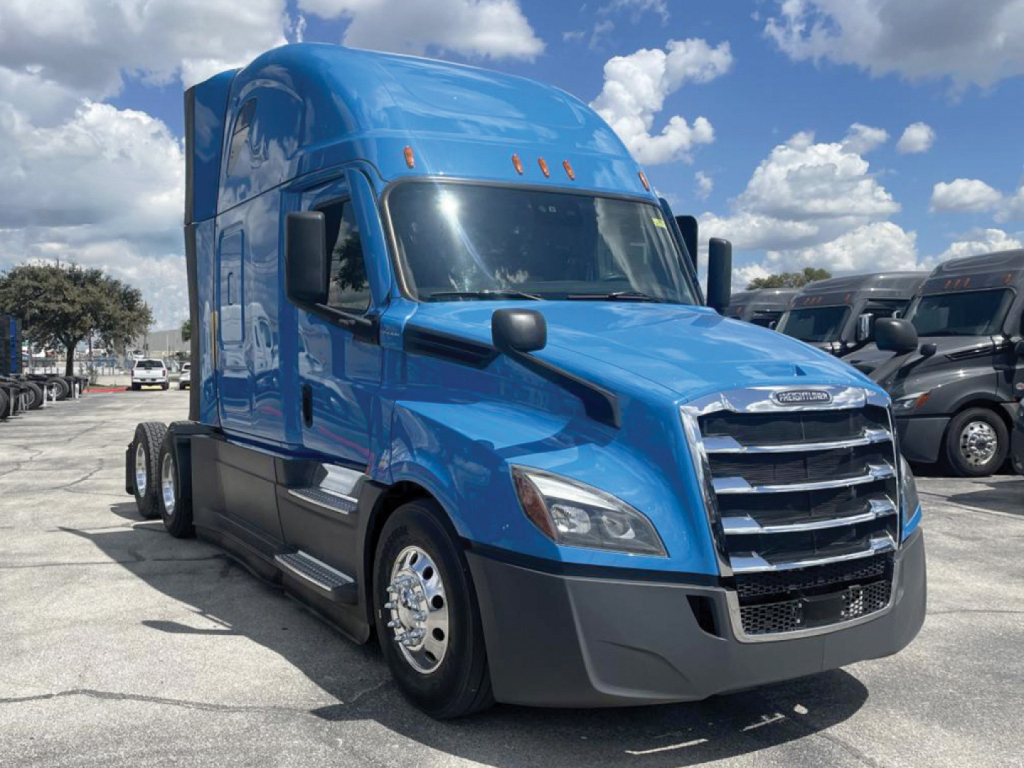
Browse 2022 Freightliner conventional sleeper trucks for sale, including Cascadia sleepers with Detroit power, DT12 transmission, and aero specs.
Learn more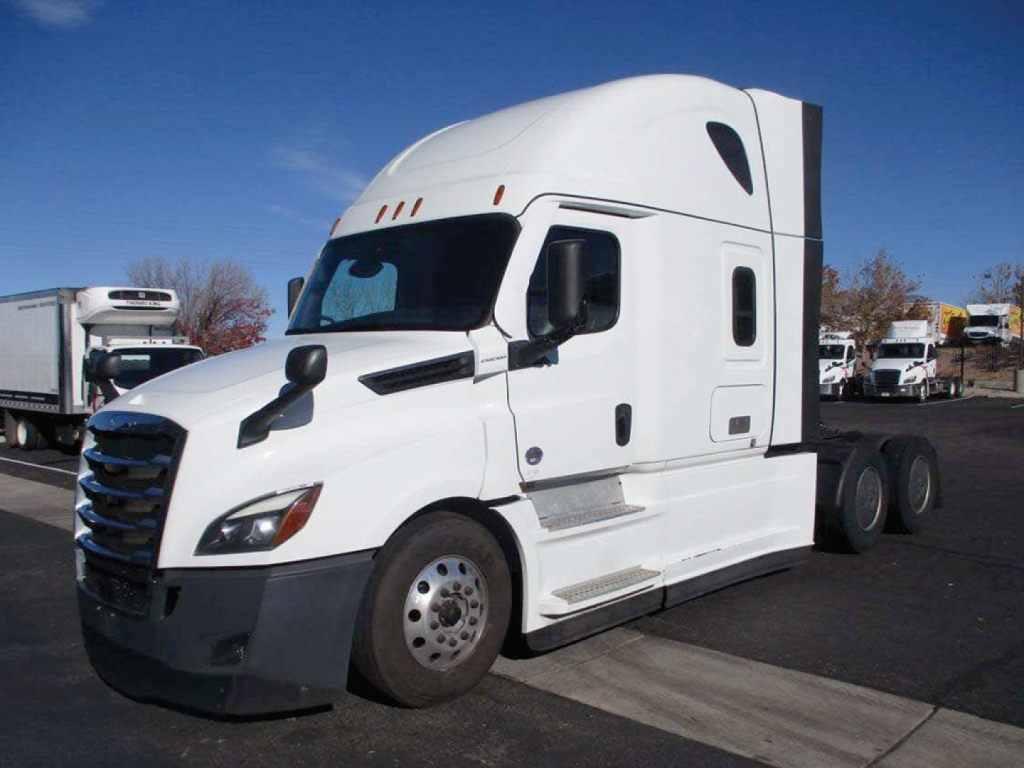
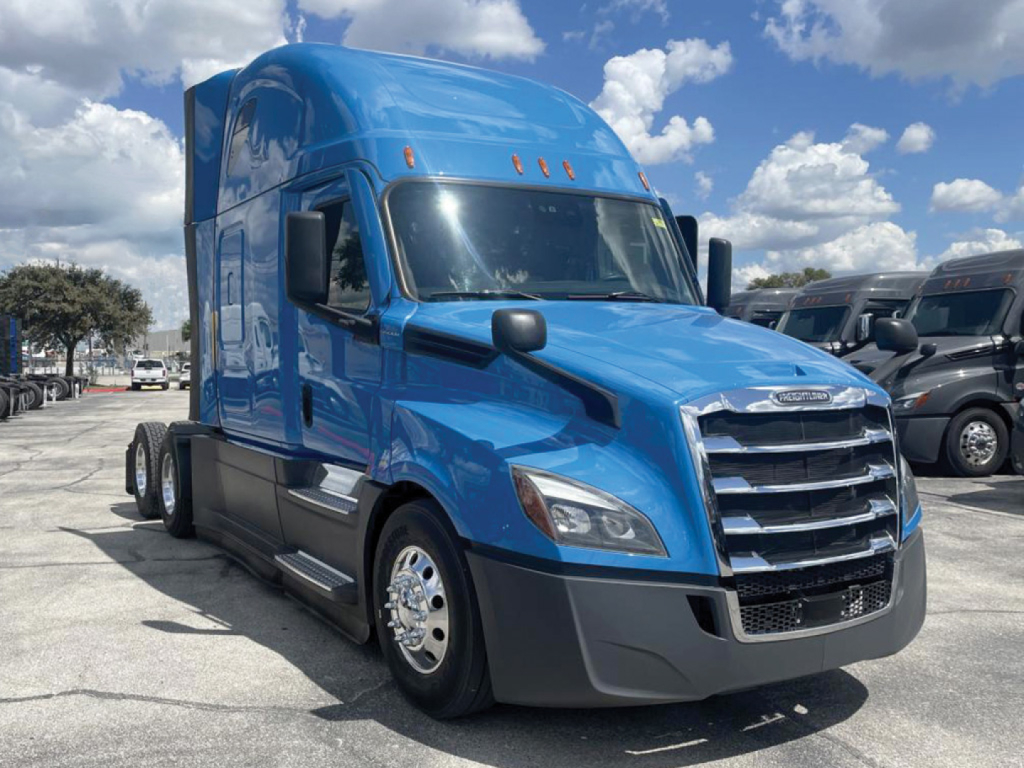
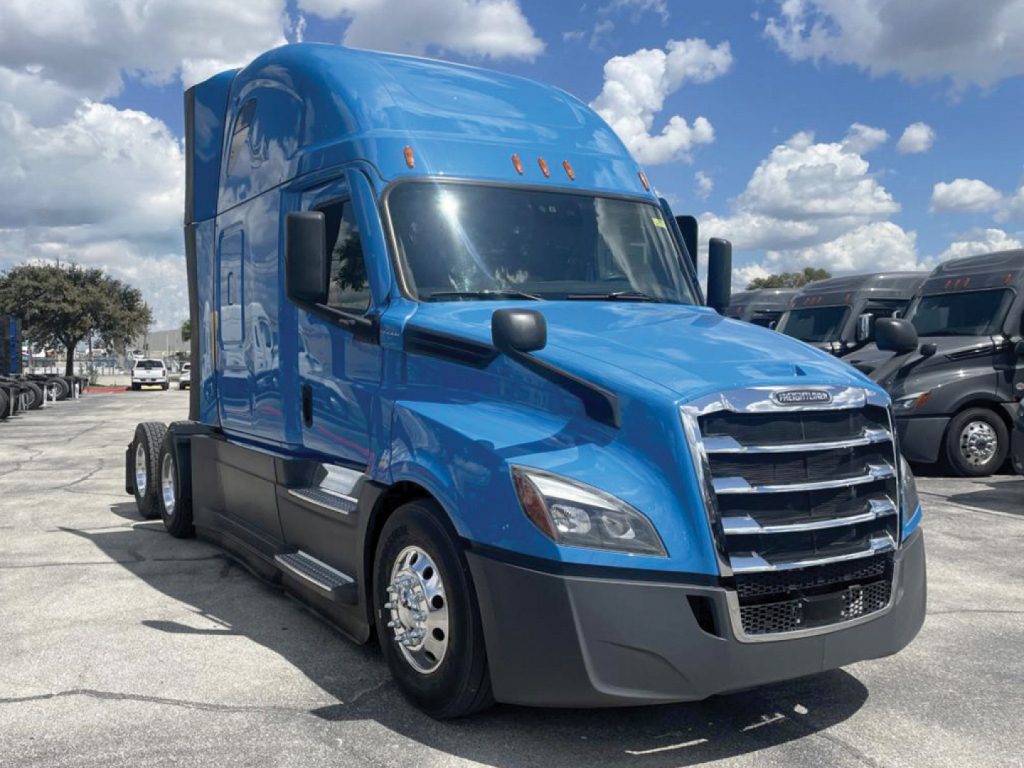
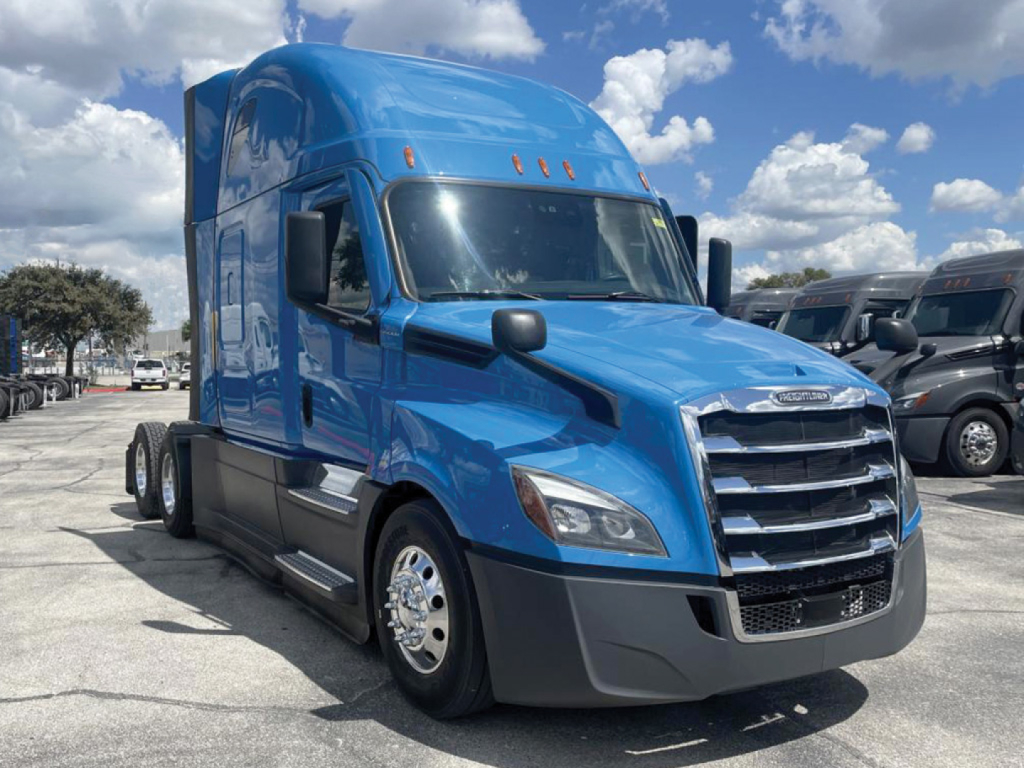
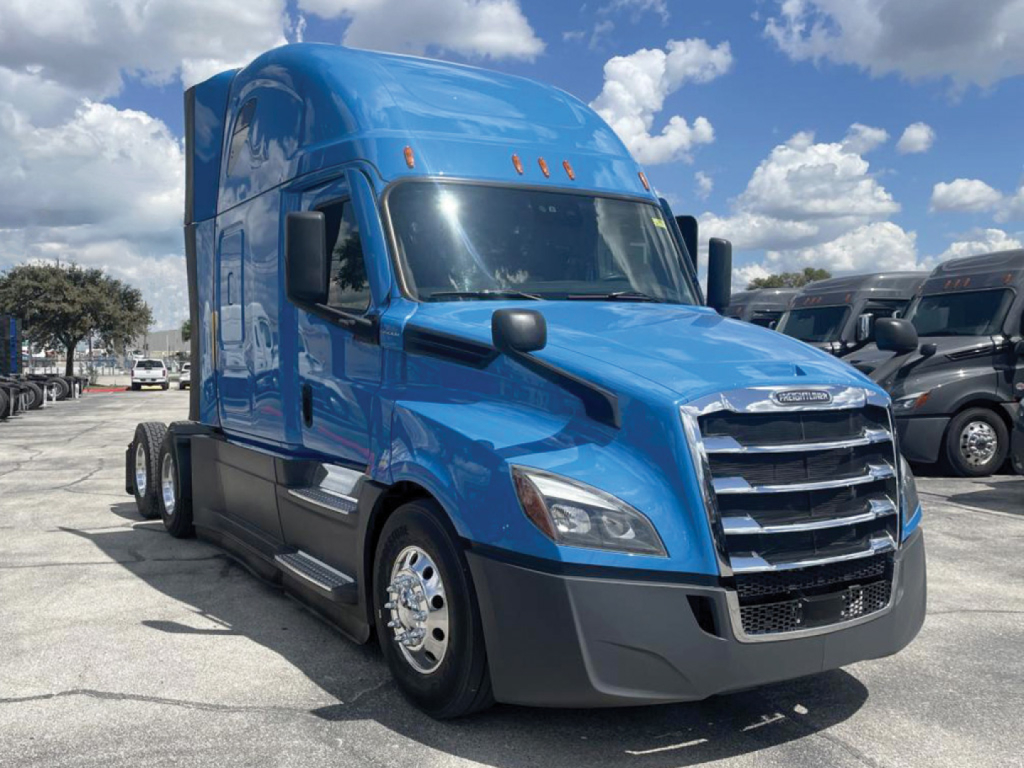
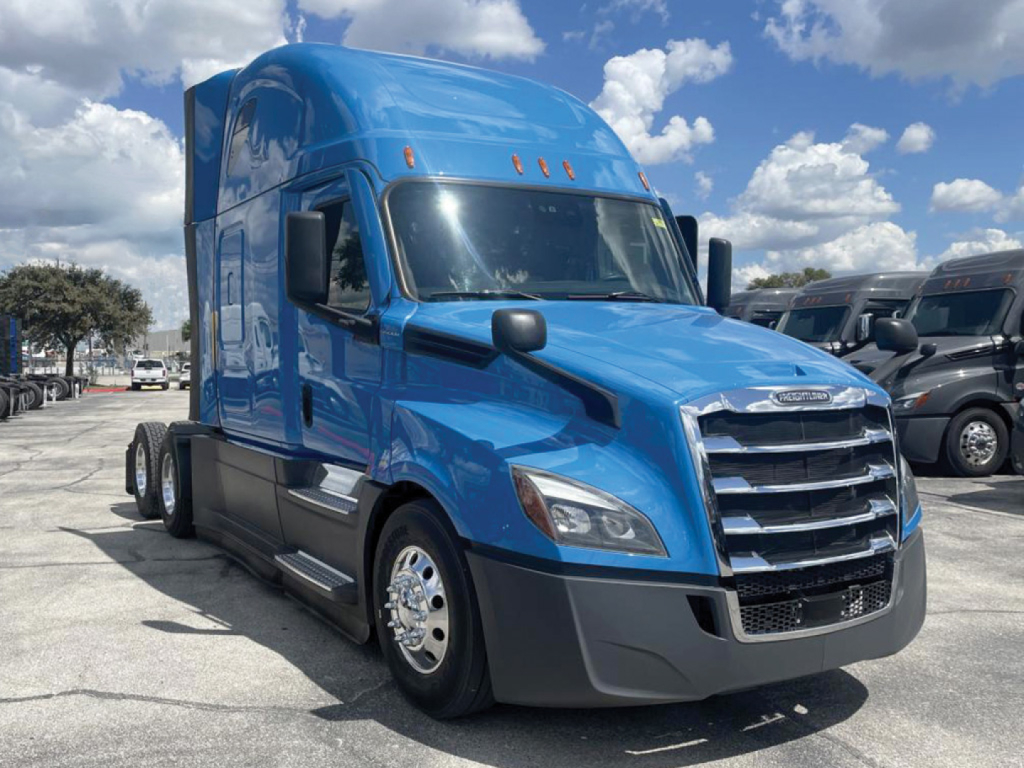
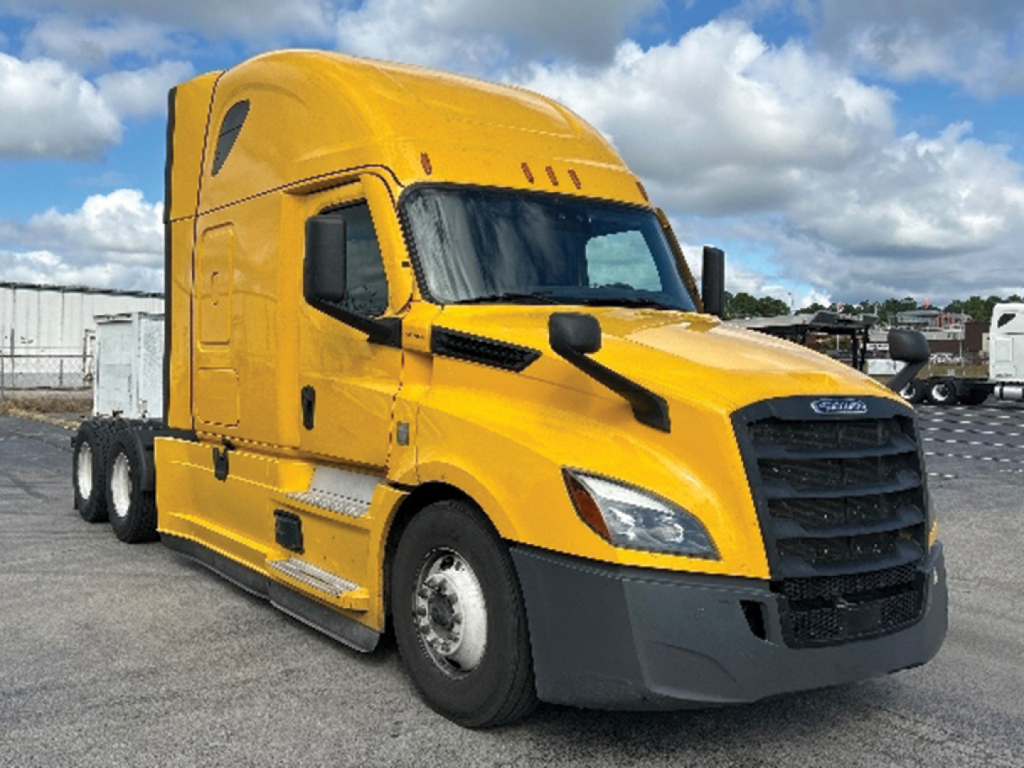
Have 2022 freightliner conventional sleeper truck to sell? List it here to reach thousands of buyers.
About 2022 Freightliner Conventional Sleeper Trucks in Mississippi
The key buying decisions usually start with the powertrain. Many 2022 Freightliner sleeper trucks are equipped with Detroit DD13 or DD15 engines paired with the DT12 automated manual transmission. A 400 HP rating is common, with rear axle ratings around 40,000 pounds and ratios such as 2.28 for fuel-efficient over-the-road work. That kind of spec is well suited for dry van and reefer fleets that spend most of their time at highway speed. Buyers hauling heavier freight, running more rolling terrain, or wanting stronger startability should pay close attention to axle ratio, horsepower, and whether the truck has the torque output needed for the lanes it will cover. An engine brake, air ride suspension, and air slide fifth wheel are all common features in this category and make a real difference in drivability and trailer compatibility.
Sleeper configuration matters as much as the drivetrain. A 72-inch raised roof sleeper with upper bunk is a common setup on 2022 Freightliner conventionals, giving teams or solo operators useful living space without stepping into a larger custom sleeper category. Features like bunk heaters, climate control systems, tilt and telescoping steering, cruise control, and power windows are more than comfort items on a highway truck. They affect driver retention, rest quality, and daily usability. Wheelbases in the mid-220-inch range are common on these trucks, often paired with dual aluminum fuel tanks, side fairings, cab extenders, quarter fenders, and low-profile 22.5 tires to support aerodynamic efficiency and range between fuel stops.
When comparing 2022 Freightliner conventional sleeper trucks for sale, focus on the complete operating spec rather than just the year and mileage. Look at engine family, transmission calibration, rear ratio, sleeper size, fuel capacity, wheelbase, and maintenance history. Freightliner sleeper trucks are often chosen because they fit large-fleet maintenance programs, but that same standardization also benefits owner-operators looking for a practical, easy-to-service road tractor. If the truck is intended for van, reefer, or general freight, a well-spec'd 2022 Cascadia sleeper can be a strong fit for buyers who want modern aerodynamics, straightforward serviceability, and a proven over-the-road platform.
Frequently Asked Questions
What engine and transmission are common in a 2022 Freightliner conventional sleeper truck?
Many 2022 Freightliner conventional sleeper trucks, especially Cascadia models, are equipped with Detroit DD13 or Detroit DD15 engines and a DT12 automated manual transmission. In highway fleet specs, 400 horsepower is very common, though exact ratings vary by application. This combination is popular because it supports good fuel economy, broad service access, and predictable performance in long-haul use.
Is a 72-inch raised roof sleeper a good choice for over-the-road freight?
Yes. A 72-inch raised roof sleeper is one of the most common over-the-road configurations because it gives the driver enough room for extended trips without adding unnecessary complexity. Many include an upper bunk, which is useful for team operations or extra storage. For dry van, reefer, and general freight work, this sleeper size is a practical middle ground between driver comfort and overall vehicle efficiency.
What does a 2.28 rear axle ratio mean on a Freightliner sleeper?
A 2.28 rear axle ratio is generally chosen for fuel-efficient highway operation. It allows the truck to run lower engine RPM at cruising speed, which can reduce fuel consumption on flat to moderate terrain. The tradeoff is that buyers hauling heavier loads or running in steeper terrain may prefer a more aggressive ratio for better launch and grade performance. The right axle ratio depends on route profile, gross weight, and trailer type.
Why do buyers look for Freightliner Cascadia sleeper trucks specifically?
The Freightliner Cascadia is a high-volume on-highway tractor with strong market acceptance across fleets and independent operators. Buyers often choose it because parts and service are widely available, many shops are familiar with the platform, and resale is typically supported by broad demand. It is also known for aerodynamic design, integrated sleeper layouts, and common specs that fit standard van and reefer operations.
What should I compare when shopping 2022 Freightliner sleeper trucks for sale in Mississippi?
Start with the full operating spec, not just mileage or appearance. Compare engine model, horsepower, transmission, rear axle ratio, wheelbase, sleeper size, fuel tank capacity, suspension, and fifth wheel setup. In Mississippi, many buyers are running regional and long-haul lanes through the Southeast, so fuel economy, cooling performance, and service access can be especially important. Maintenance records and prior fleet use also matter because they give a clearer picture of how the truck was managed.