
2027 Freightliner Trucks For Sale
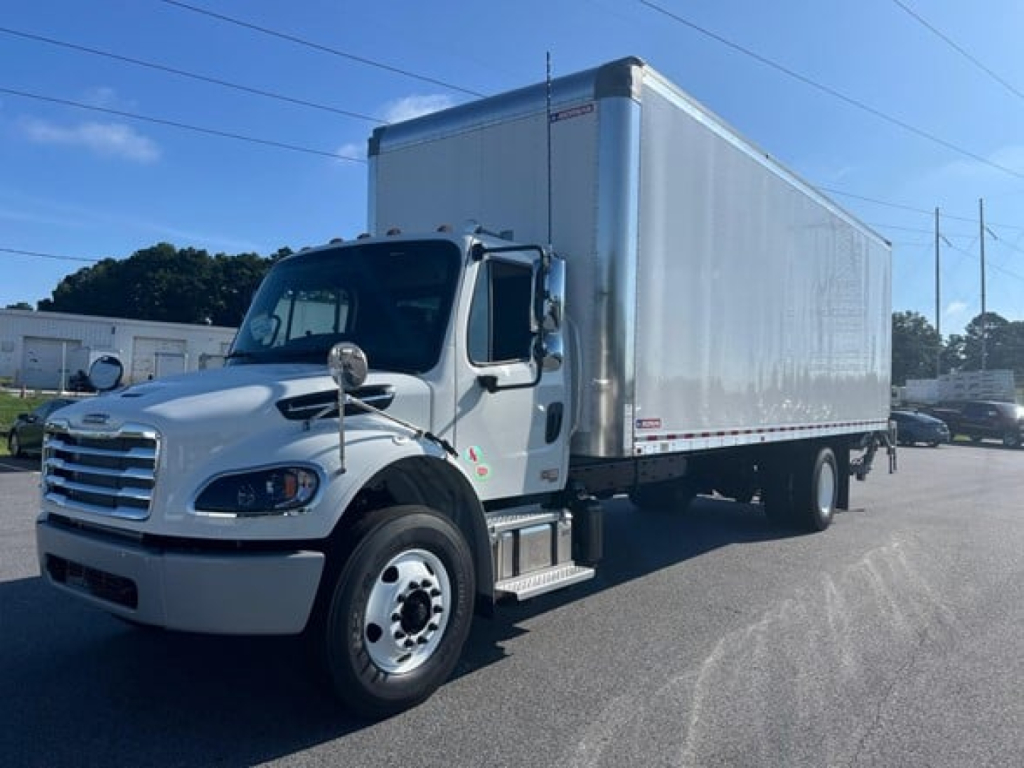
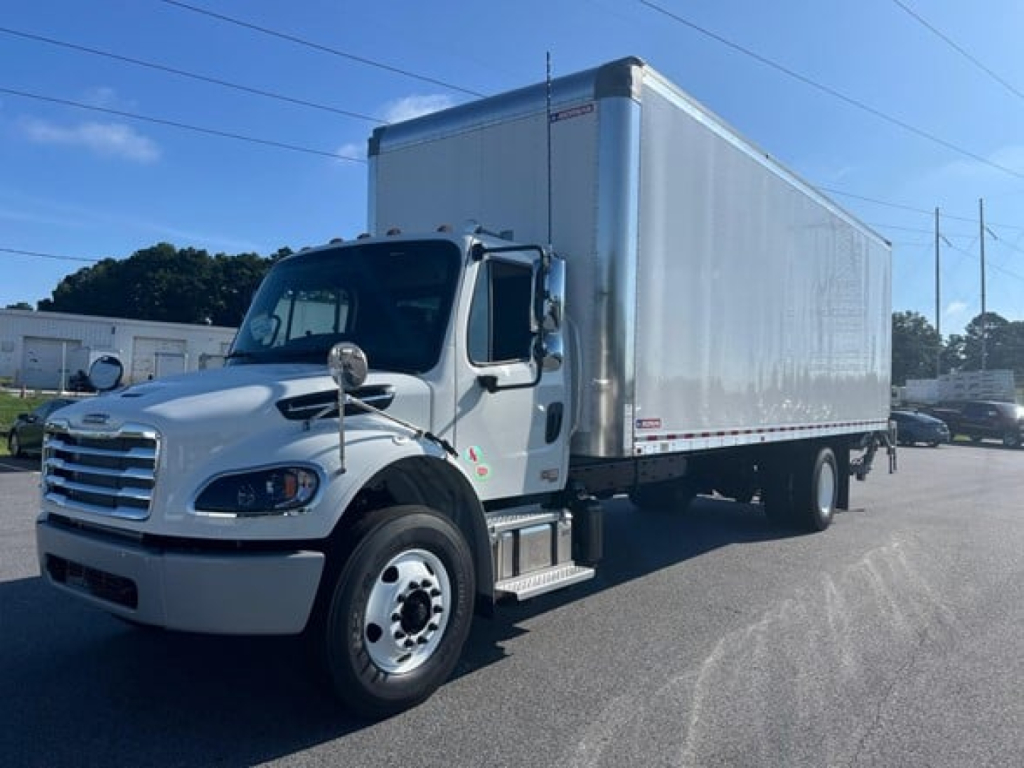
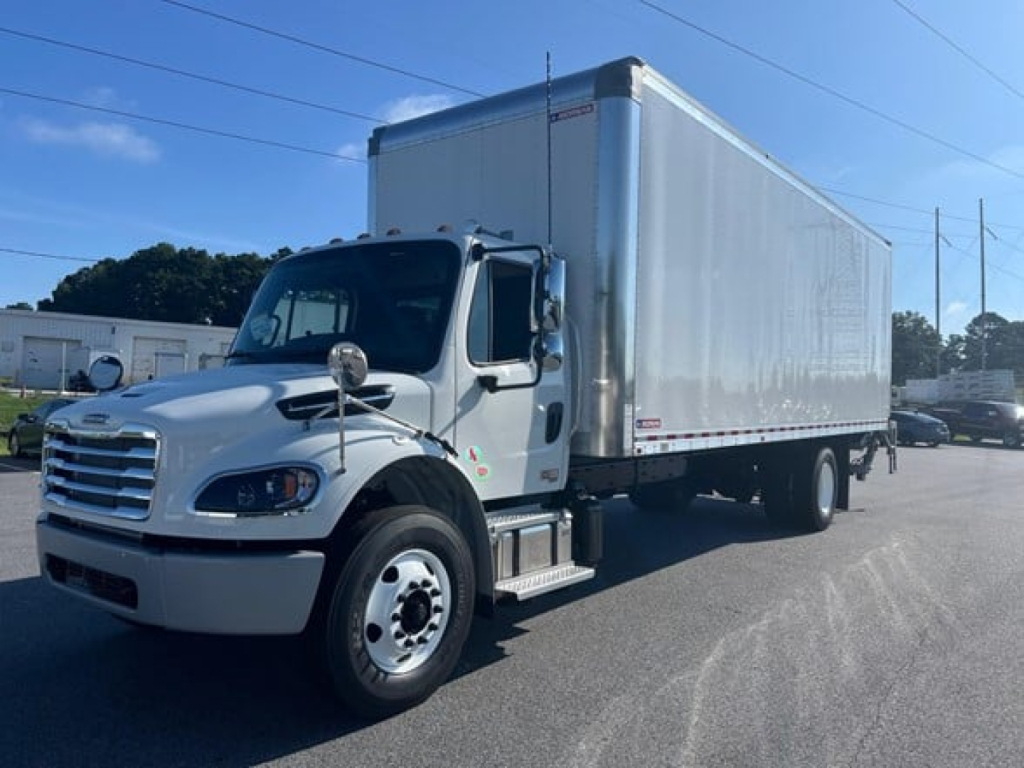
Shop 2027 Freightliner trucks for sale, including highway and vocational models with diesel power, advanced safety systems, and fleet-ready specs.
Learn more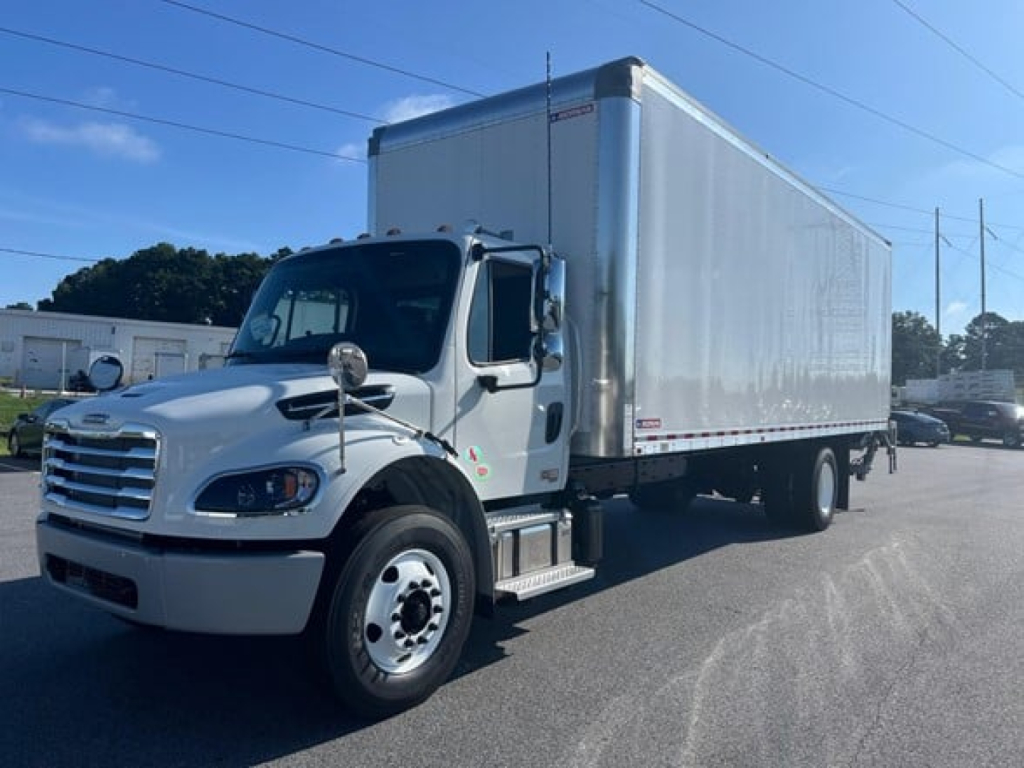
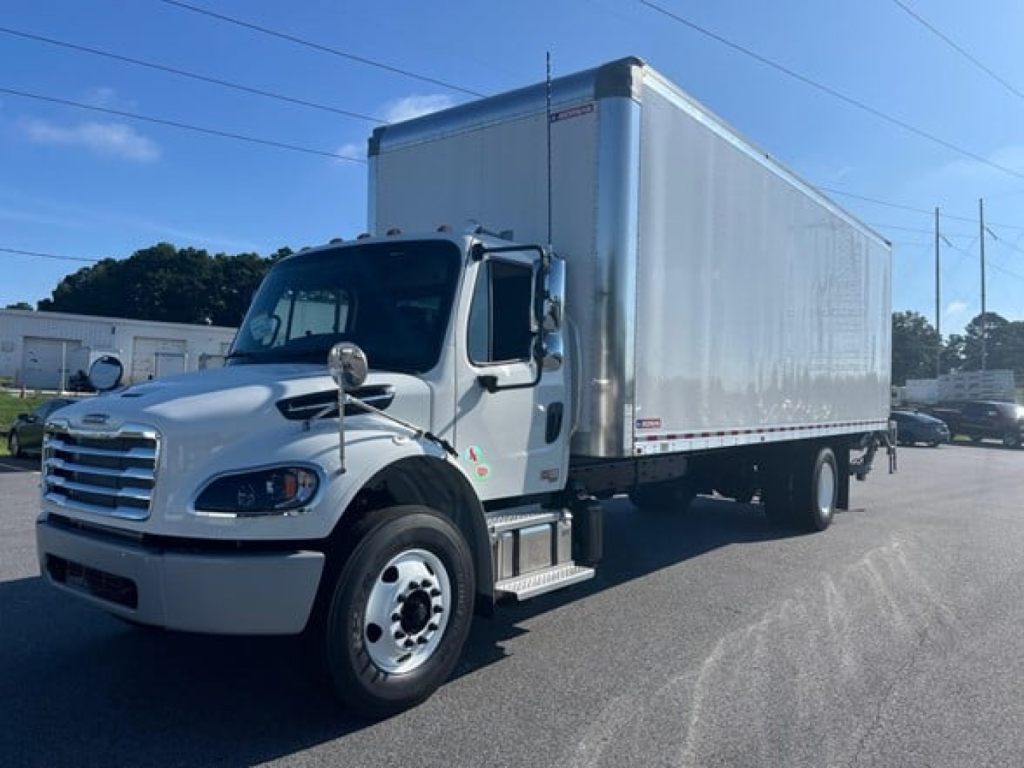
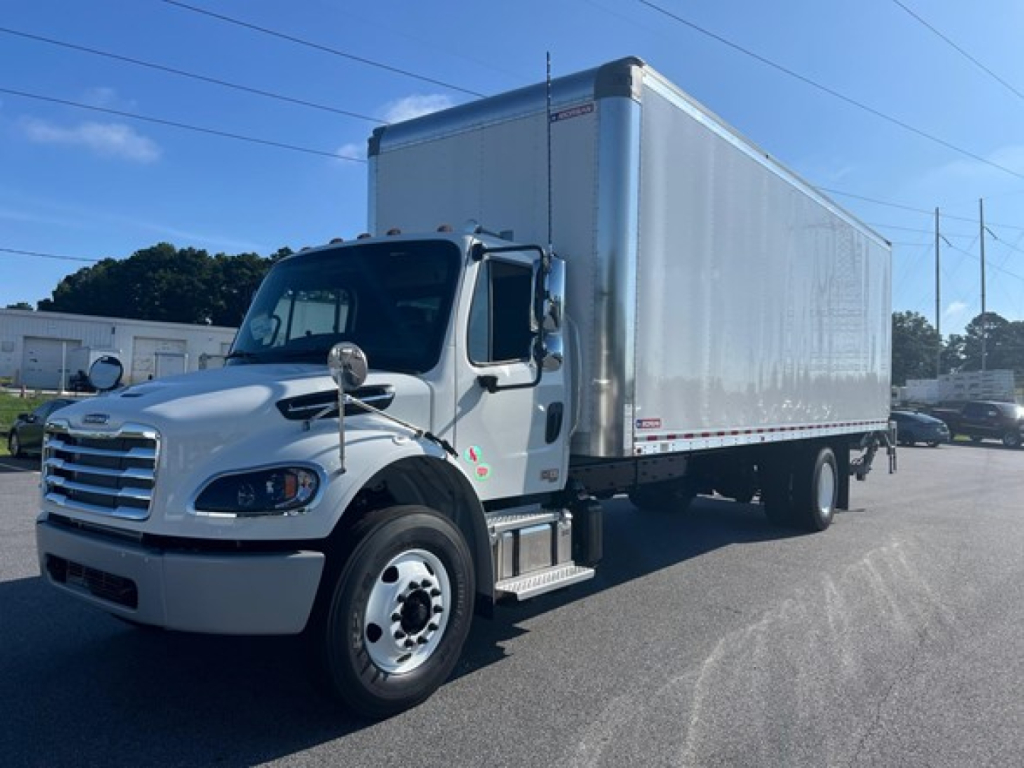
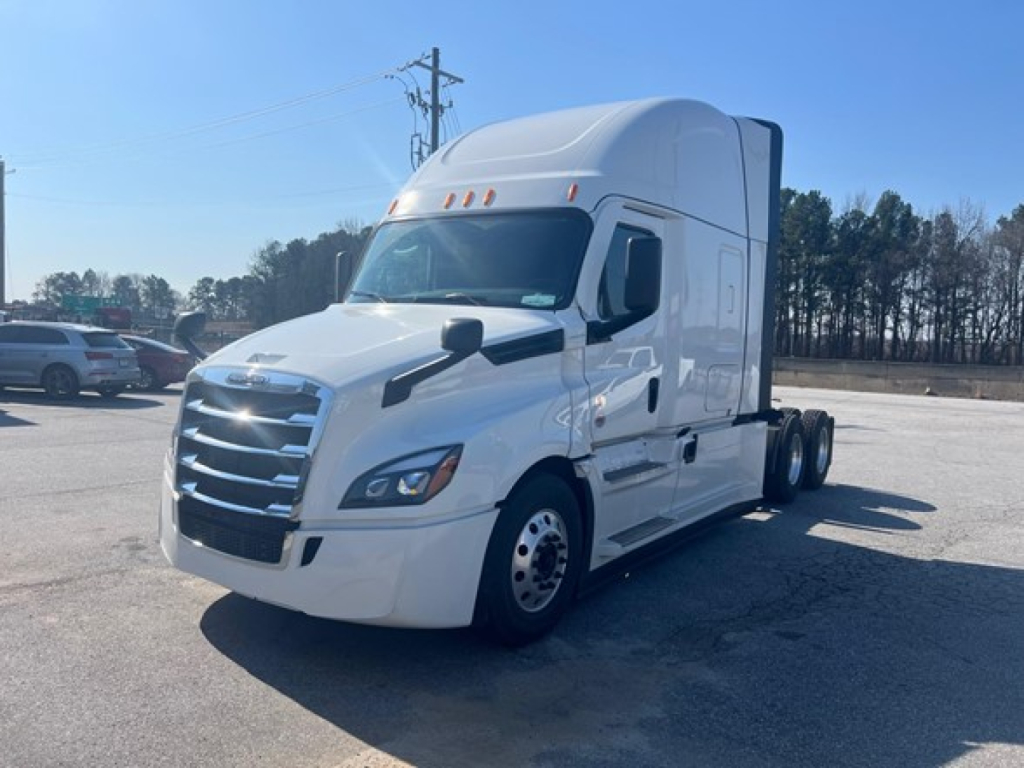
Showing 37 to 43 of 43 results
Have 2027 freightliner truck to sell? List it here to reach thousands of buyers.
About 2027 Freightliner Trucks
The right 2027 Freightliner truck depends heavily on application and axle layout. Buyers shopping for over-the-road tractors usually compare wheelbase, sleeper size, rear axle ratio, horsepower, and fifth wheel setup first. A regional day cab may be optimized with a lighter spec, lower curb weight, and faster turn capability, while a long-haul unit may prioritize fuel capacity, fairings, collision mitigation systems, and a powertrain tuned for highway cruise speed. Vocational buyers tend to focus more on front axle capacity, PTO compatibility, frame strength, suspension choice, and body-builder integration. Freightliner trucks are widely used because parts availability, dealer support, and service familiarity are strong advantages in most markets.
Powertrain and maintenance strategy matter as much as initial price. Many Freightliner buyers look for Detroit-powered combinations because of integration between engine, transmission, and telematics, along with broad service support. Common decision points include engine brake performance, emissions system history, automated versus manual transmission, and suspension type such as air ride or spring. For fleet buyers, safety and uptime features can be just as important as horsepower. Late-model Freightliner trucks are often equipped with advanced driver-assistance systems, disc brake availability, lane and braking technologies, and diagnostic tools that help track utilization and fault events across multiple units.
Cab configuration, interior layout, and intended duty cycle should be matched carefully before purchase. A city tractor or local delivery truck benefits from easy ingress and egress, visibility, and tight turning radius. A vocational truck may need set-forward axle considerations, dual PTO options, or a specific frame rail dimension for equipment installation. Freightliner trucks also tend to hold broad appeal on the resale side because the brand is familiar to owner-operators, private fleets, and municipal buyers alike. When comparing listings, pay close attention to GVWR or GCWR, axle ratings, wheelbase, engine family, transmission model, brake type, suspension, and any installed vocational equipment, since those details determine how well the truck fits the work.
Frequently Asked Questions
What types of trucks are included under 2027 Freightliner trucks for sale?
This category can include a wide range of Freightliner models, from Class 8 highway tractors like the Cascadia to medium-duty and vocational trucks such as M2-series configurations. Depending on the listing, a 2027 Freightliner truck may be spec'd as a sleeper tractor, day cab, rollback, dump truck, utility truck, refuse chassis, or other body-ready platform. The important point for buyers is that Freightliner covers both on-road freight applications and specialized vocational work.
What engines and transmissions are common in late-model Freightliner trucks?
Late-model Freightliner trucks are commonly equipped with Detroit diesel engines, especially the DD13 and DD15 in highway applications, paired with DT12 automated manual transmissions. Some vocational or medium-duty units may also appear with different engine ratings, PTO-ready setups, or manual transmissions depending on the intended use. Buyers should match horsepower, torque, rear axle ratio, and transmission type to the route profile and payload demands rather than choosing by engine model alone.
Is a Freightliner day cab or sleeper better for my operation?
A day cab is usually the better fit for local, regional, port, drayage, and dedicated routes where drivers return regularly and shorter wheelbase improves maneuverability. A sleeper is better suited for over-the-road work, longer dispatches, and operations where driver comfort, storage, and bunk amenities affect productivity. The right choice comes down to route length, idle strategy, fuel capacity needs, and the amount of onboard living space required.
What should I check when comparing vocational Freightliner trucks?
For vocational applications, focus on axle ratings, frame specifications, suspension, PTO capability, wheelbase, and compatibility with the body or equipment being installed. Buyers should also confirm engine brake setup, transmission type, front axle capacity, and any upfit details that affect payload or legal bridge compliance. In body-ready or already-equipped units, the truck spec must work with the actual job, not just the gross weight rating on paper.
Why do many fleets choose Freightliner trucks?
Freightliner trucks are widely chosen because of strong dealer coverage, broad parts availability, and familiarity among technicians and drivers. That support network can reduce downtime and simplify maintenance planning across large operating regions. For many buyers, the combination of service access, common-spec components, and established resale demand makes Freightliner a practical fleet standard.