
2022 Freightliner Trucks For Sale in Georgia
Shop 2022 Freightliner trucks for sale in Georgia, including Cascadia day cabs and sleepers with DD13 or DD15 power and DT12 transmissions.
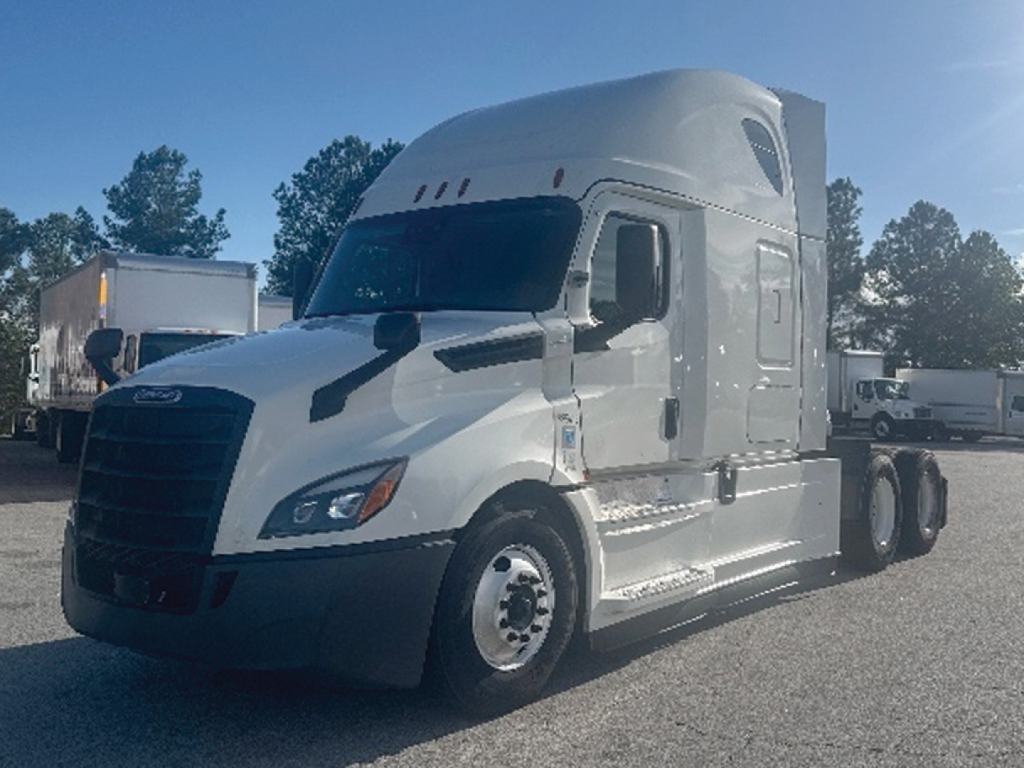
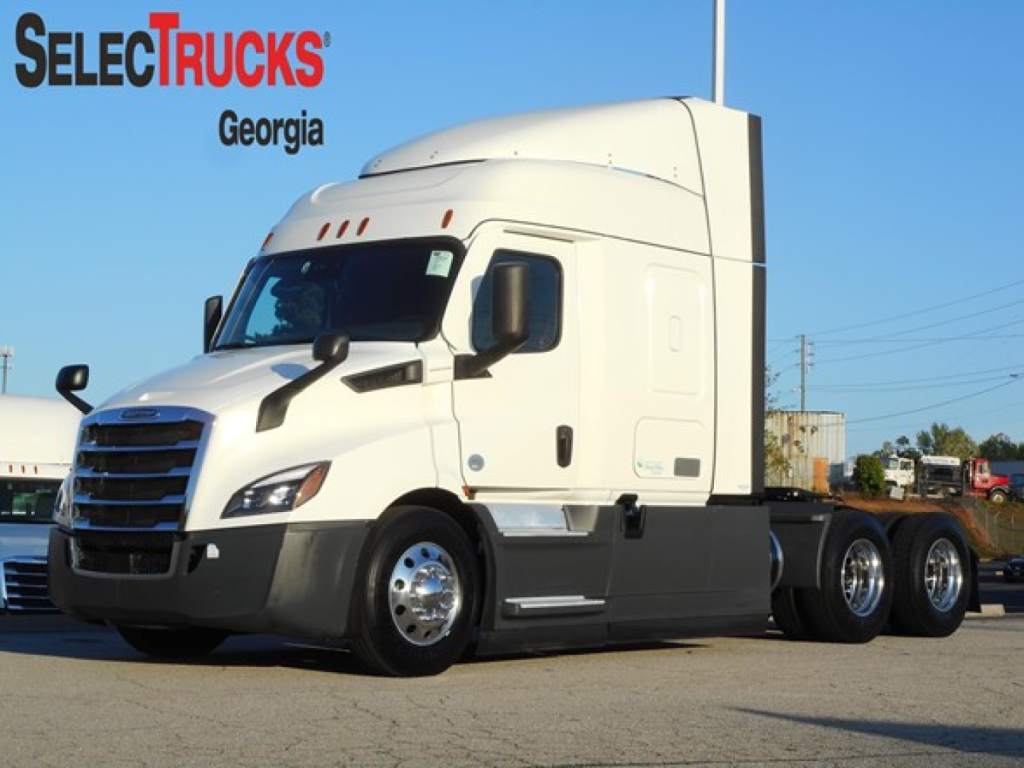
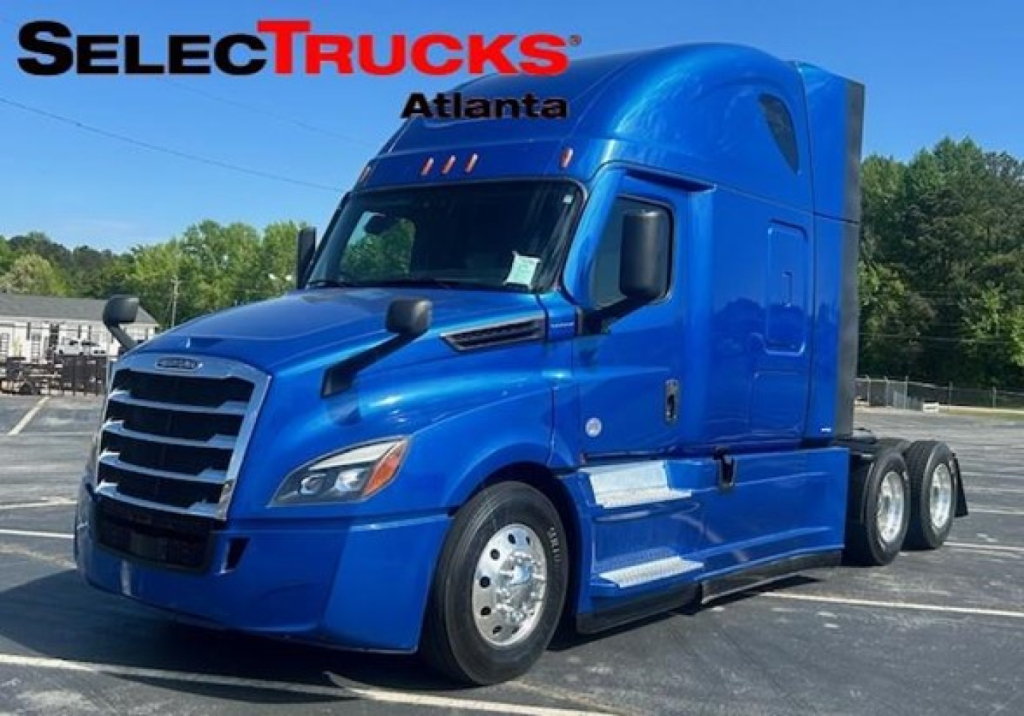
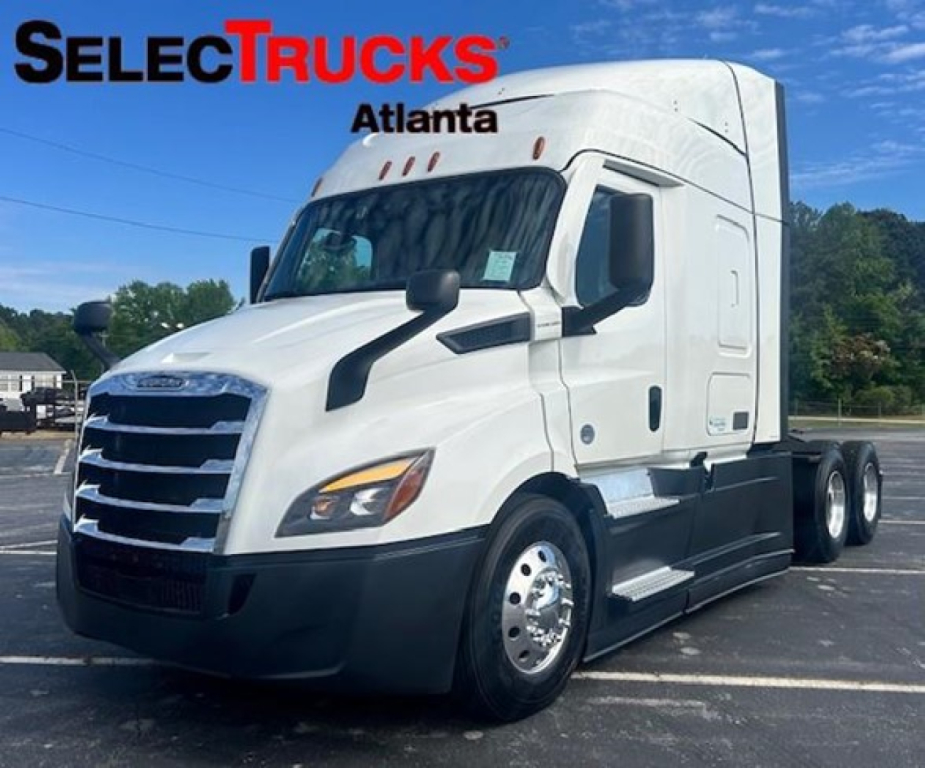
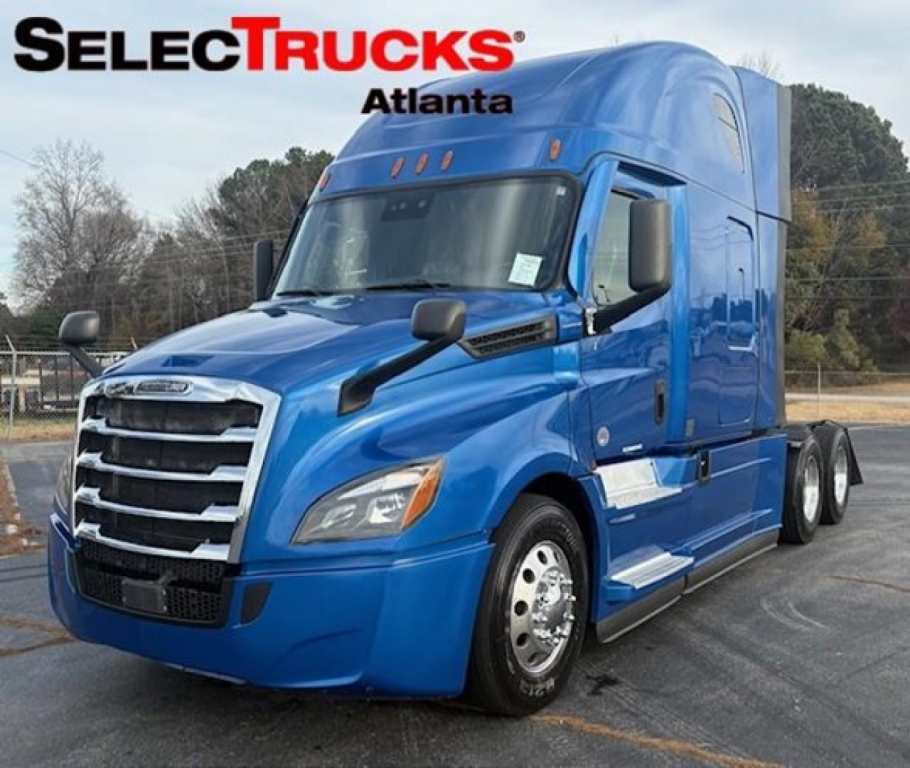
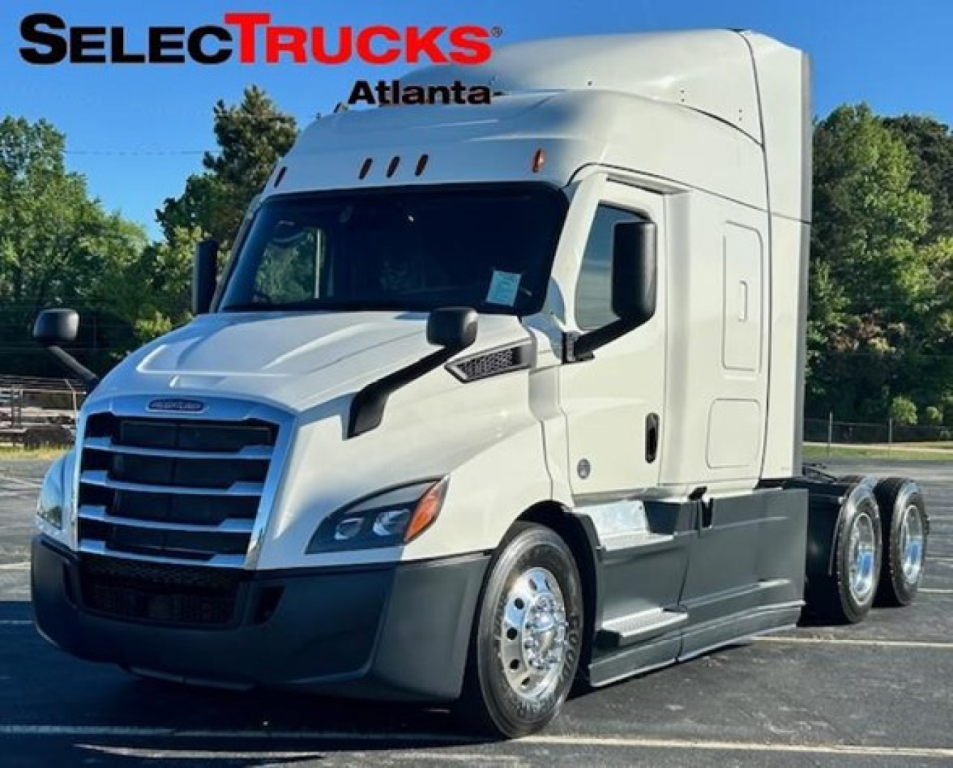
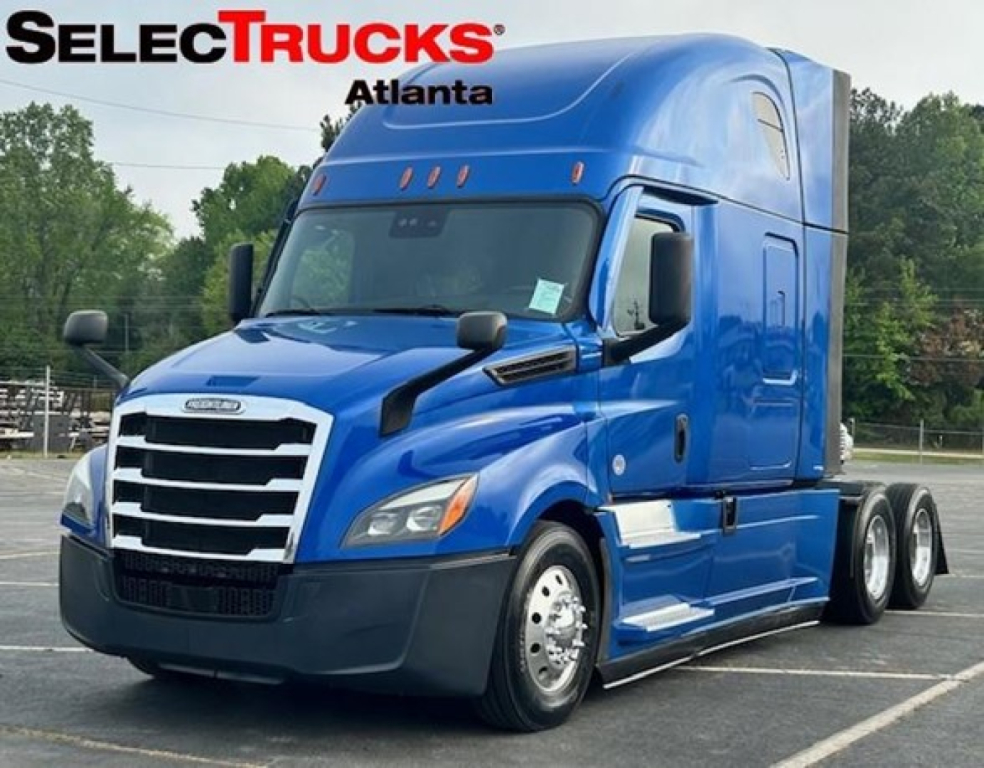
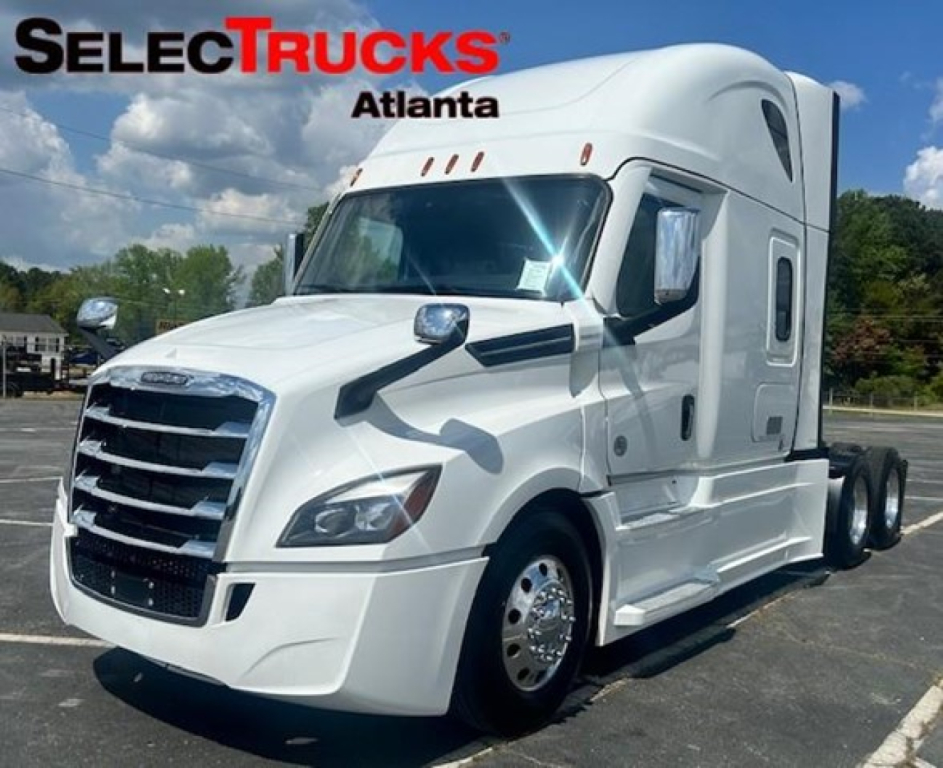
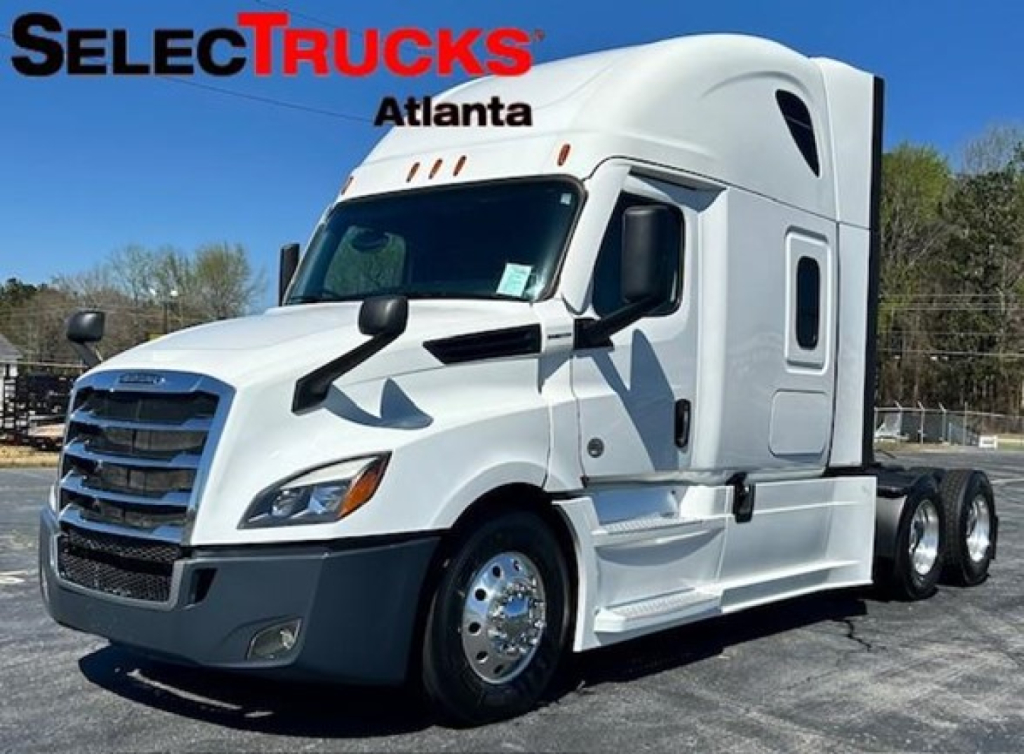
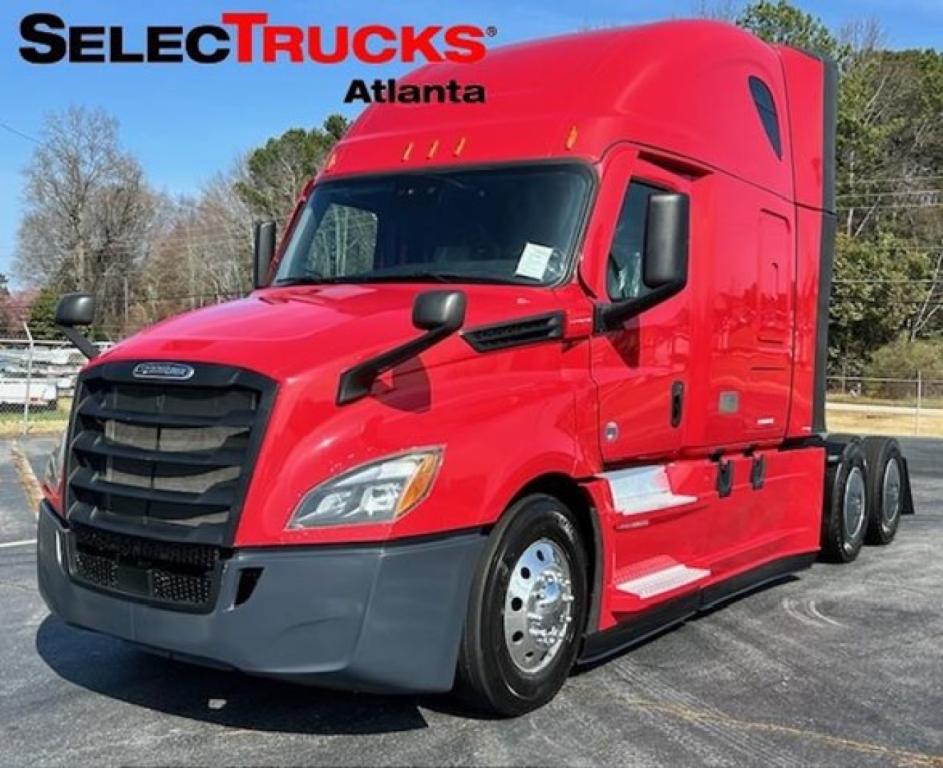
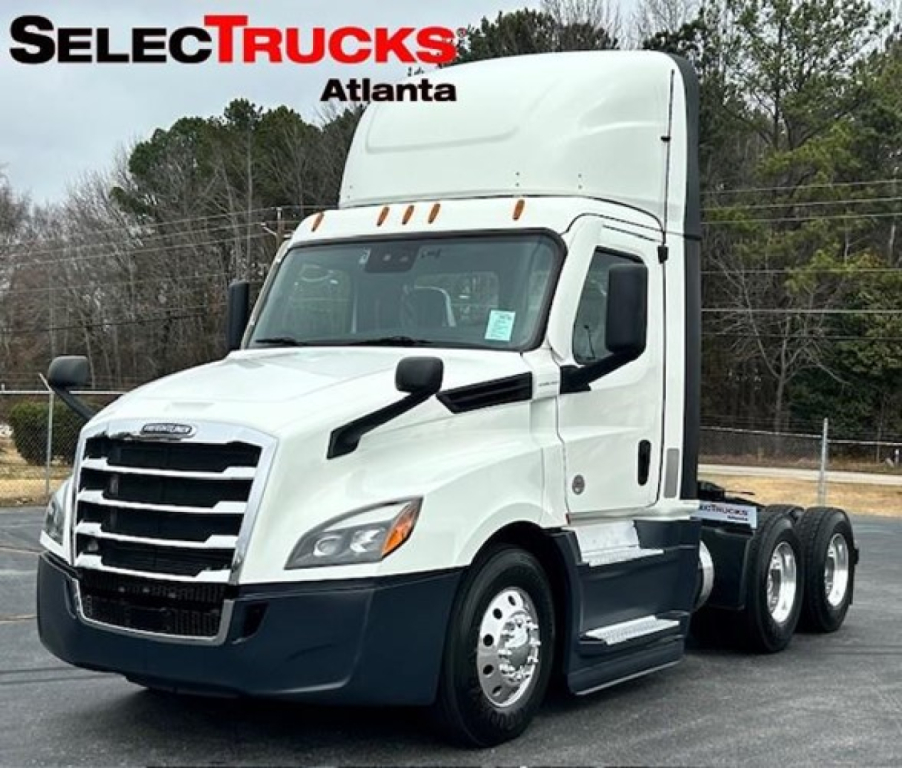
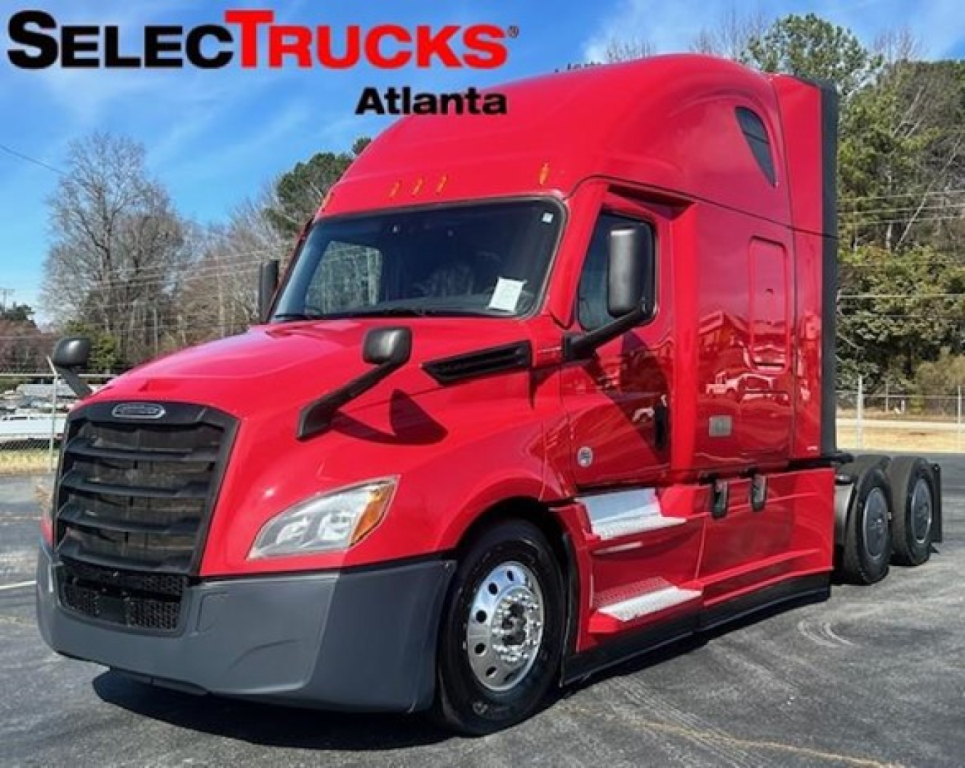

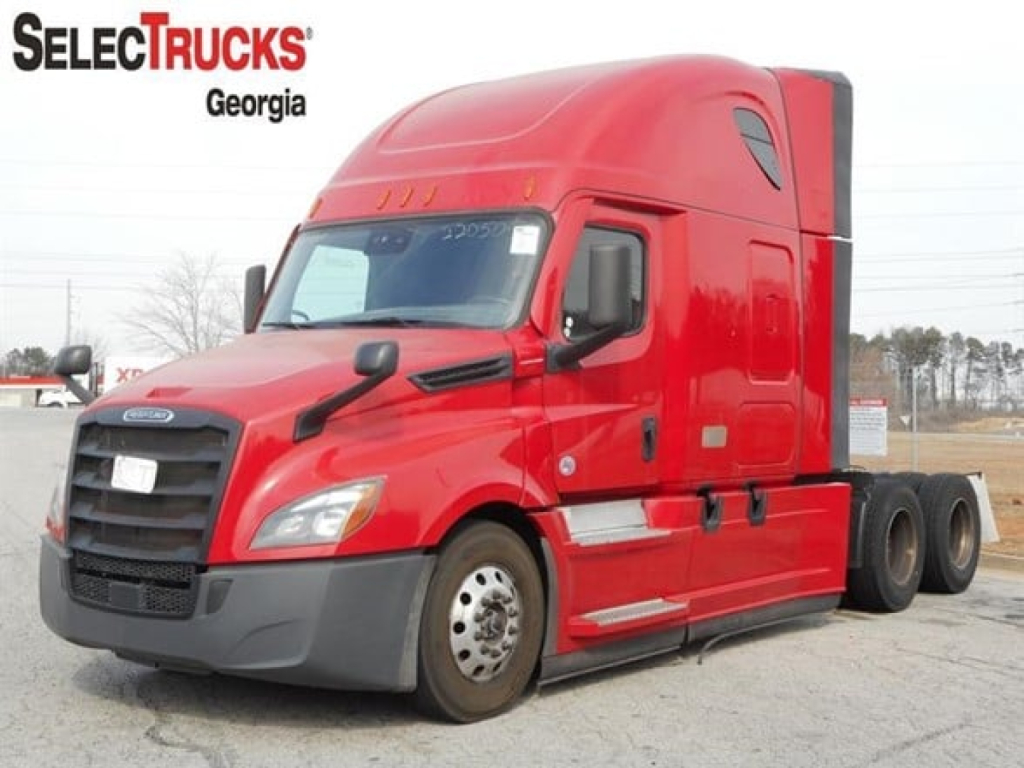
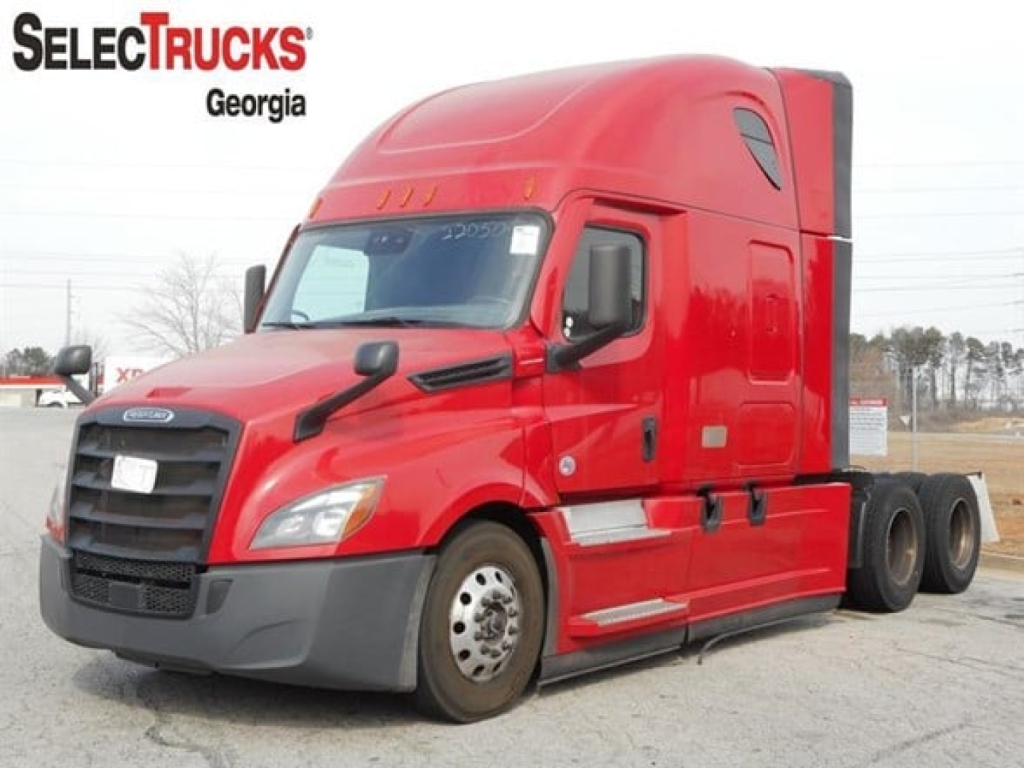
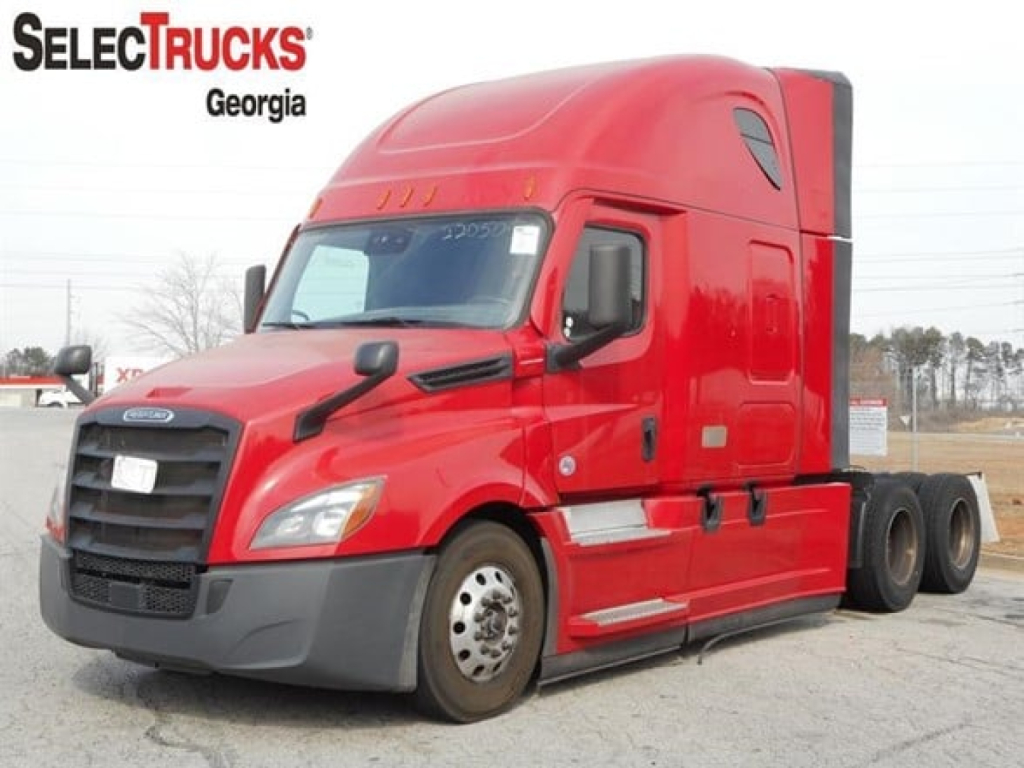
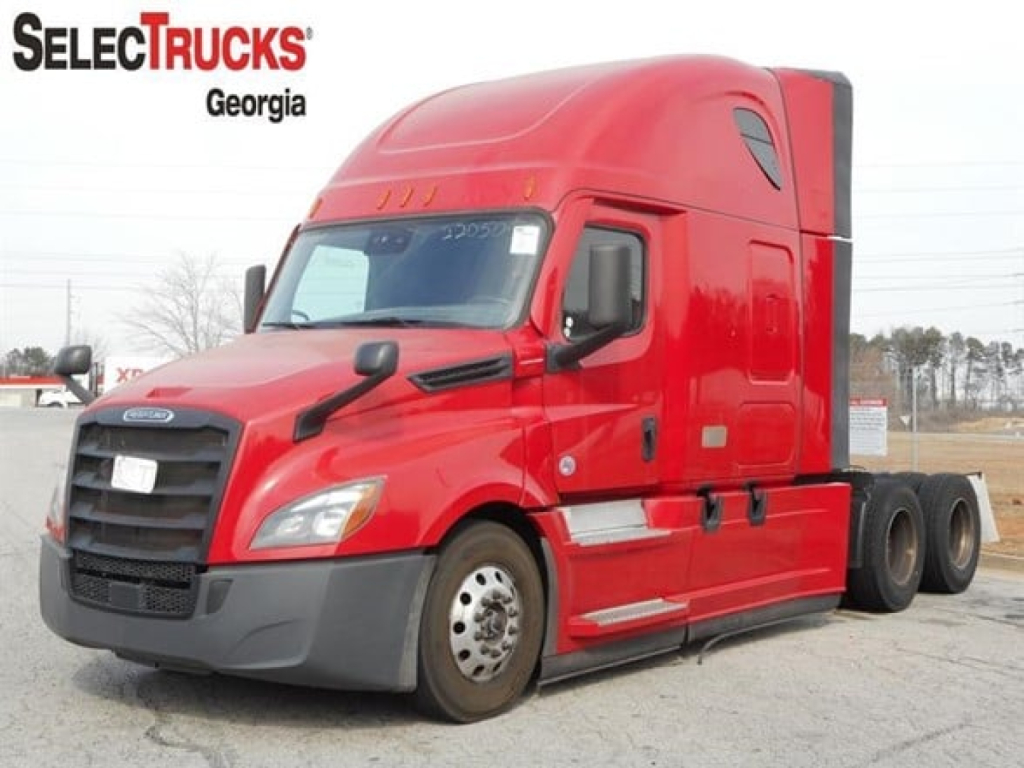
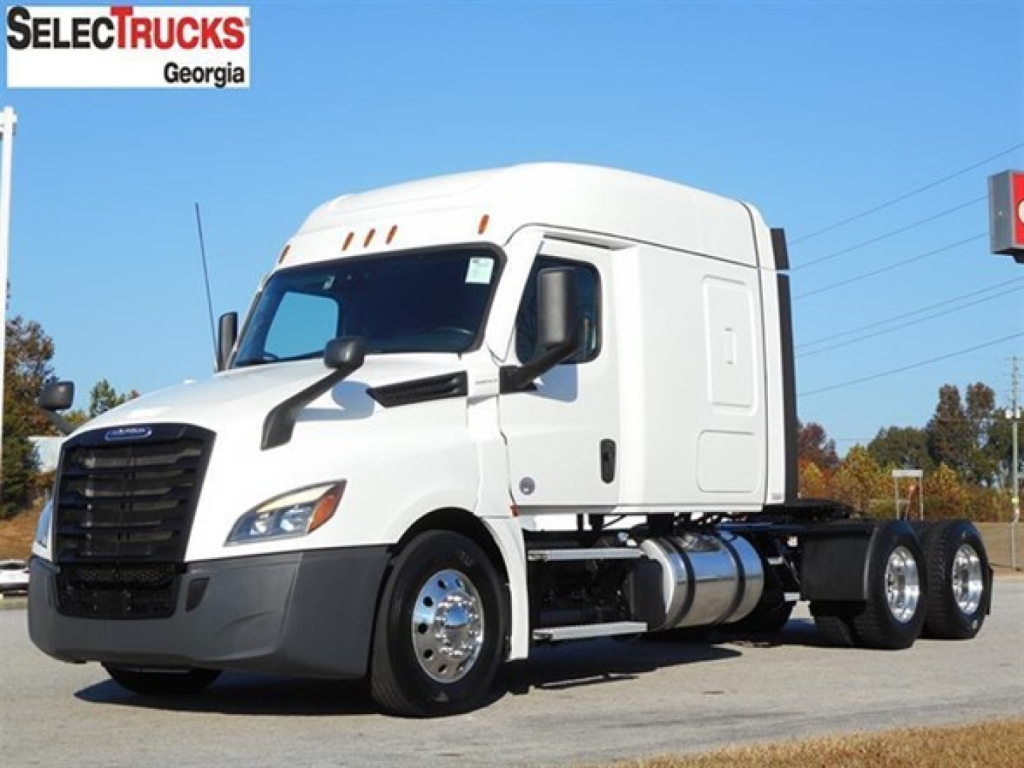
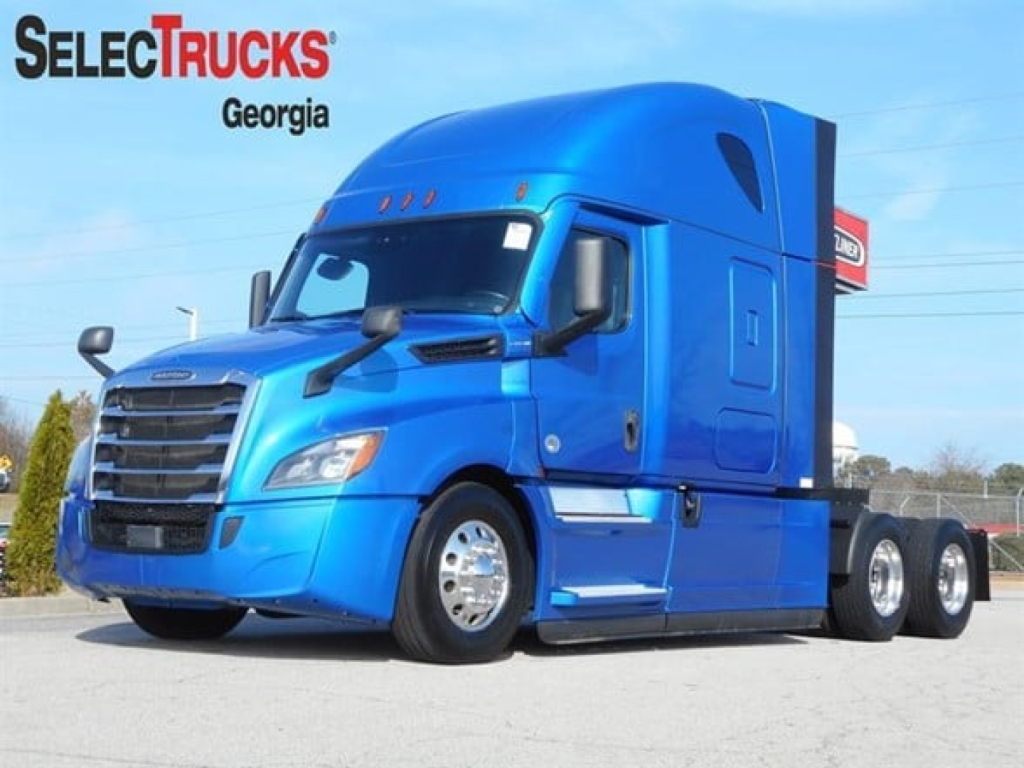
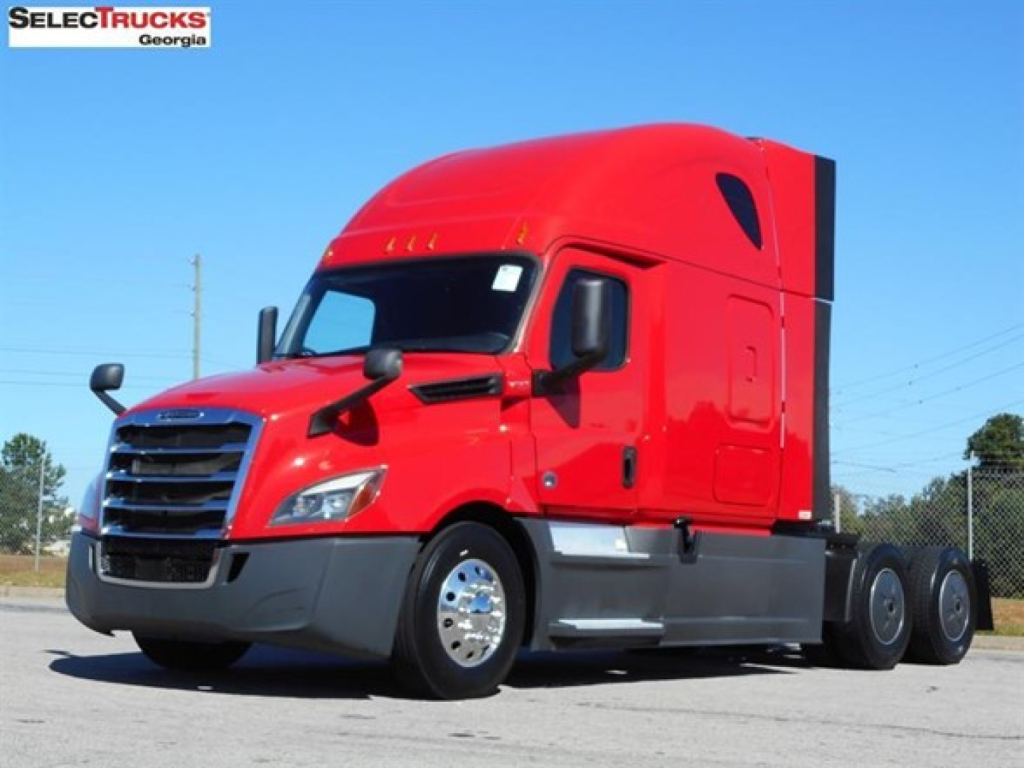

Showing 1 to 24 of 25 results
Have 2022 freightliner truck to sell? List it here to reach thousands of buyers.
2022 Freightliner Trucks in Georgia
For buyers comparing 2022 Freightliner trucks, the main decision usually starts with application. A Cascadia 126 sleeper is common for over-the-road work and team operations, with raised-roof sleeper options, double bunks, factory inverters, bunk heaters, refrigerators, and other driver-comfort features that matter on longer runs. Day cab versions make more sense for port work, short regional lanes, and drop-and-hook operations where wheelbase, maneuverability, and lower overall weight can be more important than sleeper space. In Georgia, where trucks often split time between interstate freight corridors, distribution centers, and metro traffic around Atlanta, a good spec is one that balances highway gearing with enough versatility for stop-and-go work.
Pay close attention to horsepower, rear axle ratio, wheelbase, and brake spec. A 2022 Freightliner with a DD15 in the 455 to 505 horsepower range is a common choice for general van and reefer freight, while lighter or more efficiency-driven specs may lean toward lower horsepower settings or a DD13. DT12 automated transmissions are common in this year range and can be a plus for fleets standardizing training and reducing driver fatigue. Buyers should also check for air disc brakes versus drums, locking differentials, tire condition, collision mitigation packages, adaptive cruise, lane departure warning, and side object detection. Those features can affect insurance, uptime, and driver retention as much as the drivetrain itself.
Condition and maintenance history matter more than badge alone on a used 2022 truck. Review engine hours, idle time, fault history, aftertreatment service records, DOT inspection status, and any remaining warranty coverage. On sleeper tractors, confirm the condition of bunk HVAC, inverter systems, shore power hookups, and interior wear. On any Cascadia, look at front-end alignment, suspension condition, emissions system performance, and signs of excessive cosmetic reconditioning that may hide harder use. A well-spec'd 2022 Freightliner can offer a modern safety package, solid fuel performance, and broad resale appeal, which is why this model year continues to draw attention from buyers running dry van, reefer, dedicated contract freight, and general tractor service.
Frequently Asked Questions about 2022 Freightliner Trucks in Georgia
What engines are common in 2022 Freightliner trucks?
The most common engines in 2022 Freightliner highway trucks are the Detroit DD13 and DD15. The DD15 is especially common in Cascadia sleepers and general over-the-road tractors because it offers a strong balance of horsepower, torque, and fuel economy for van, reefer, and mixed freight. The DD13 is often found in lighter or more regional applications where weight savings and efficiency are priorities. The exact engine choice should match your gross weight, terrain, average trip length, and idle profile.
Is the DT12 transmission a good choice in a 2022 Freightliner?
The DT12 automated manual transmission is a common and generally desirable spec in a 2022 Freightliner, especially for fleets that want consistency across drivers and reduced clutch wear. It is integrated with Detroit engine controls and is designed to optimize shift logic for fuel economy and drivability. Buyers should still confirm service history, software updates, and clutch-actuation performance, but the DT12 is widely accepted in the used market and usually supports easier driver onboarding than a manual transmission.
What should I look for when buying a used 2022 Freightliner Cascadia?
Start with maintenance records, mileage, engine hours, idle hours, and any documented aftertreatment repairs. Then inspect tire wear, brakes, suspension, alignment, and signs of collision repair or cosmetic reconditioning. On trucks equipped with Detroit Assurance or other safety systems, verify that sensors, cameras, and warning functions are operating correctly. Sleeper trucks also need a close look at the bunk heater, HVAC, inverter, refrigerator, and general interior condition because those items affect driver comfort and replacement cost.
Are 2022 Freightliner trucks good for Georgia freight operations?
Yes. A 2022 Freightliner, especially a Cascadia, is well suited for Georgia freight because it can handle a mix of interstate linehaul, regional distribution, and urban delivery support. Georgia operations often involve heavy traffic, warehouse congestion, and regular highway miles, so trucks with fuel-efficient gearing, collision mitigation systems, and comfortable sleeper or day cab specs tend to perform well. Freightliner also benefits from broad dealer and service support, which matters when uptime is critical.
What cab configuration makes the most sense for a 2022 Freightliner?
That depends on how the truck will earn. A sleeper is the better choice for over-the-road lanes, longer dispatch cycles, and team driving, especially if the truck is equipped with a raised roof, double bunk, and hotel-load features. A day cab is usually better for local or regional haul, intermodal, and dedicated runs where lower weight, tighter turning, and easier yard access matter more than living space. Buyers should match the cab style to average route length, driver schedule, and trailer type rather than choosing only by purchase price.