
2022 Freightliner Conventional Sleeper Trucks For Sale in Georgia
Shop 2022 Freightliner conventional sleeper trucks in Georgia. Compare Cascadia specs, DD15 power, DT12 transmission, and sleeper features.
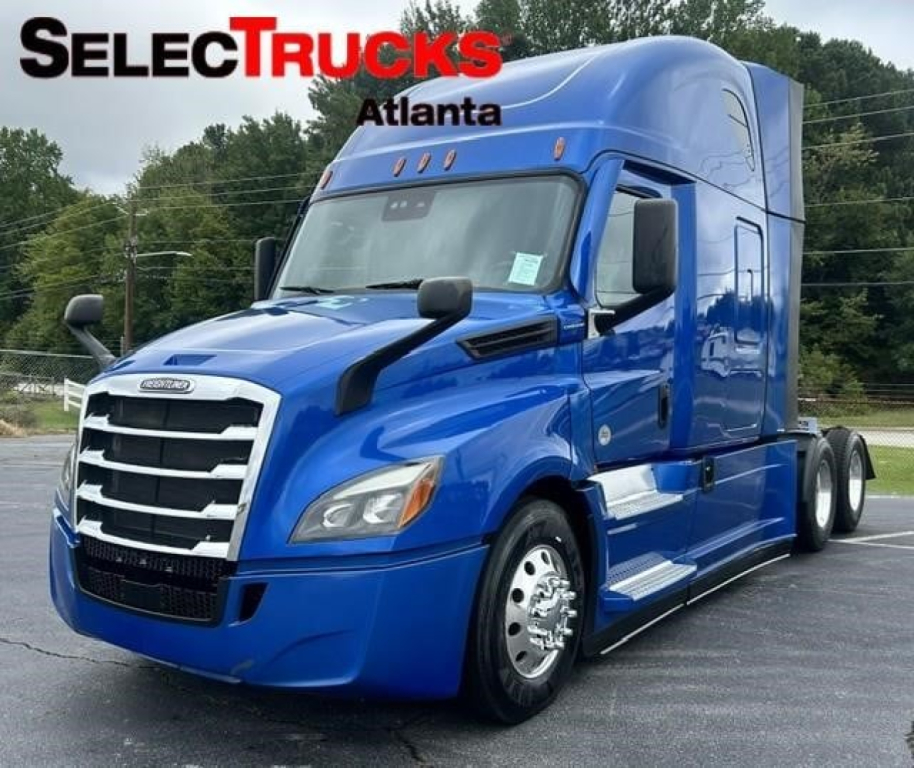
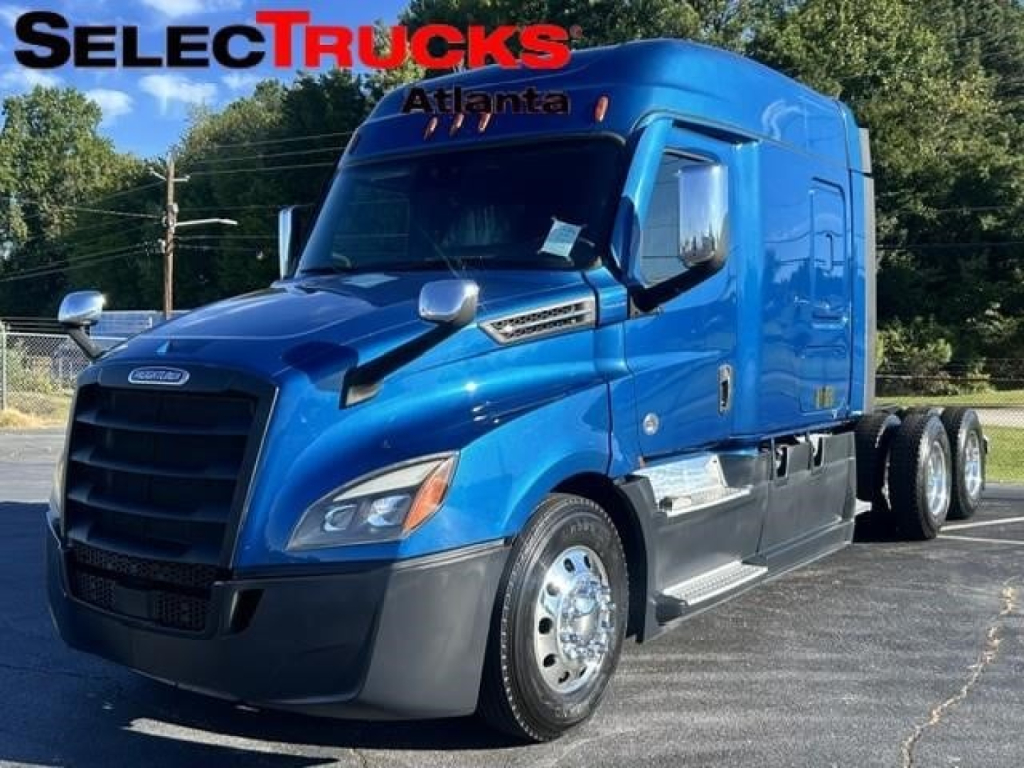
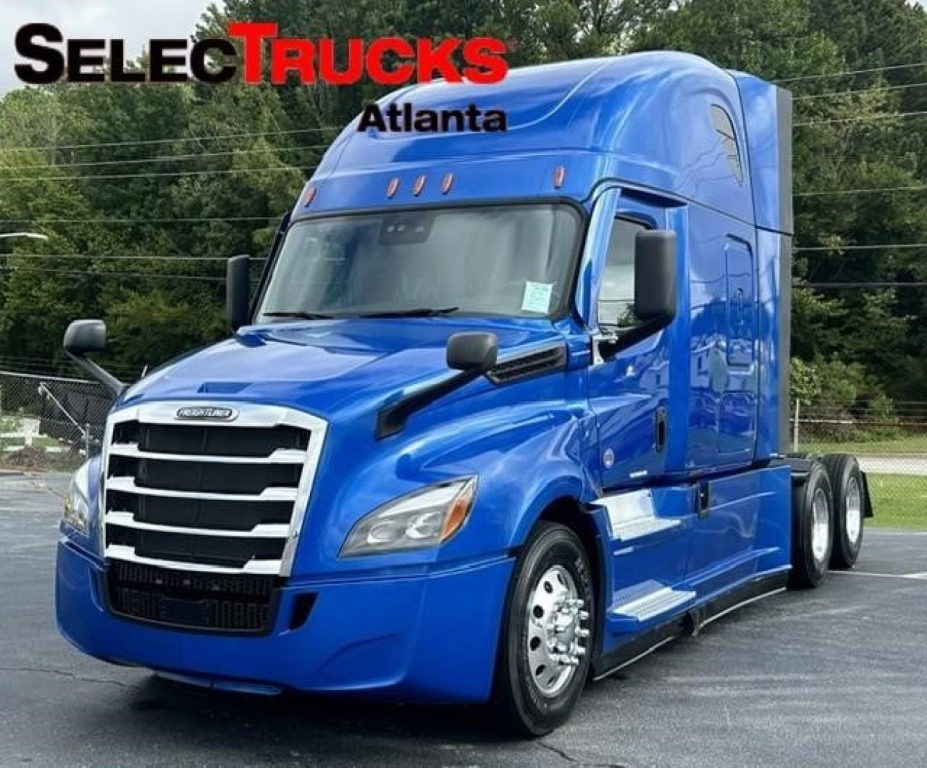
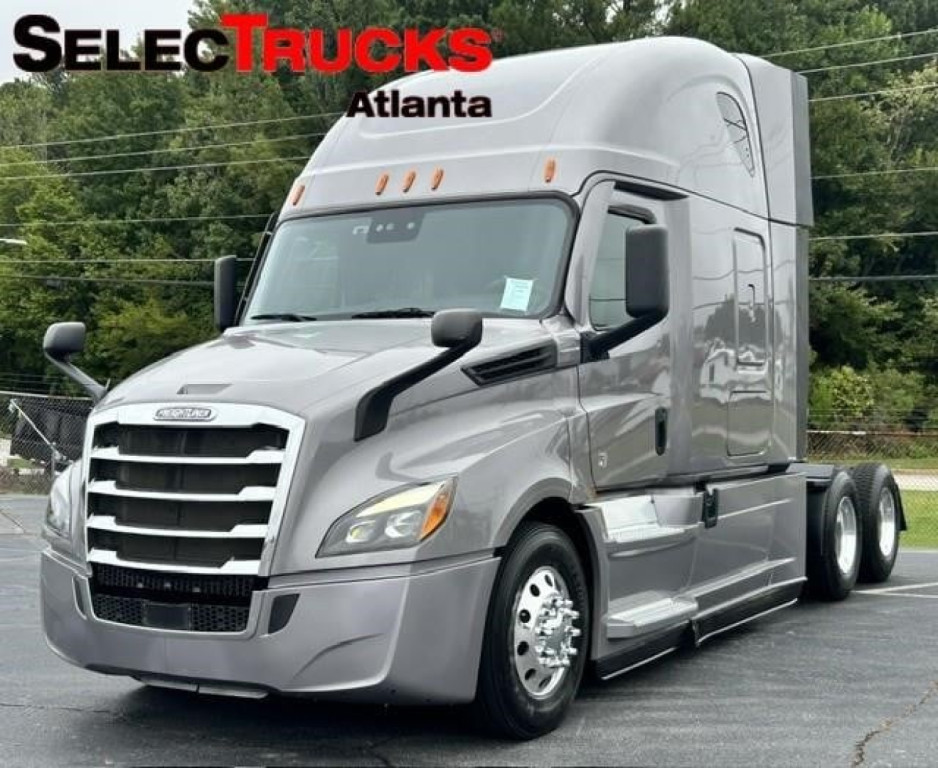
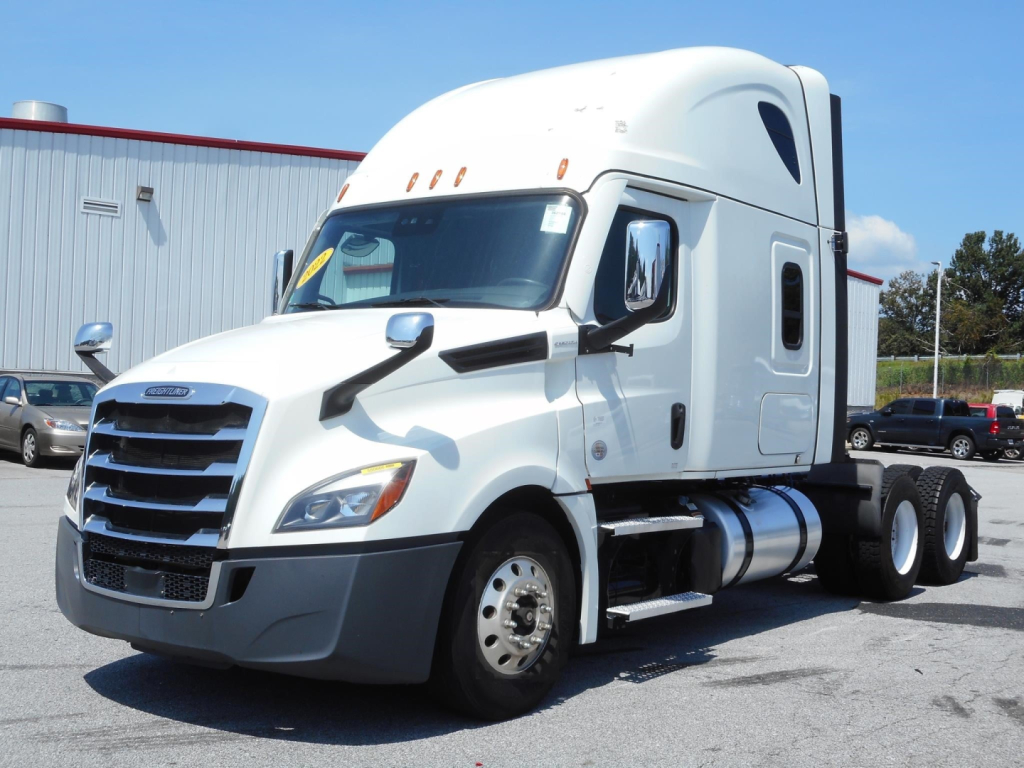
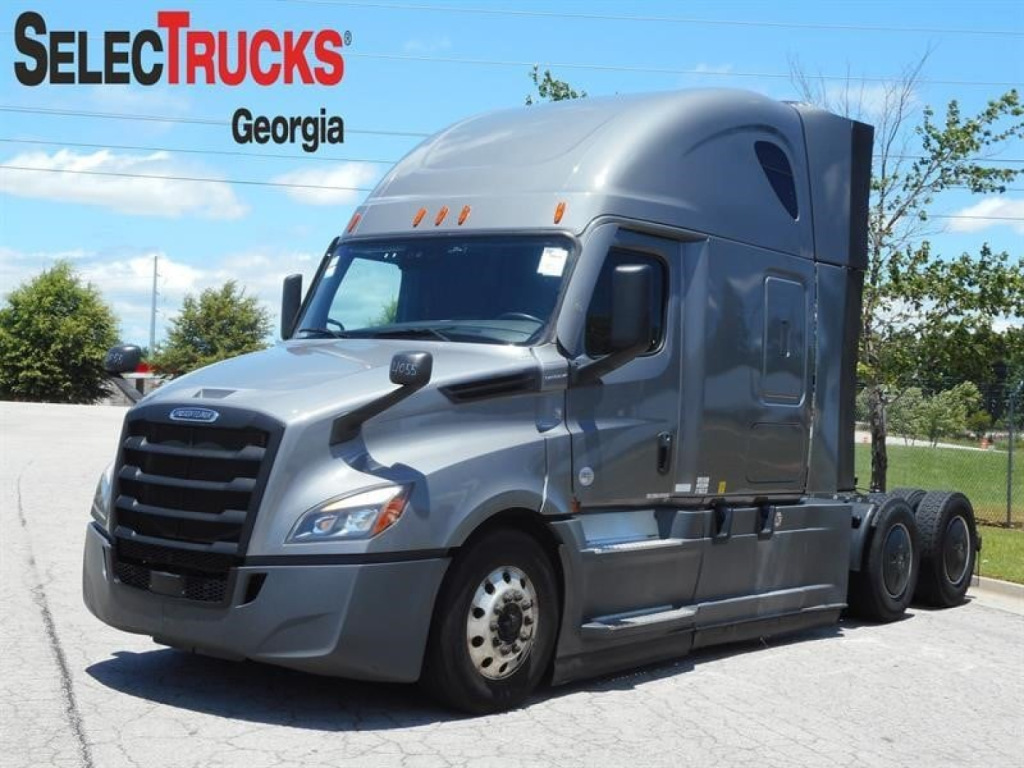
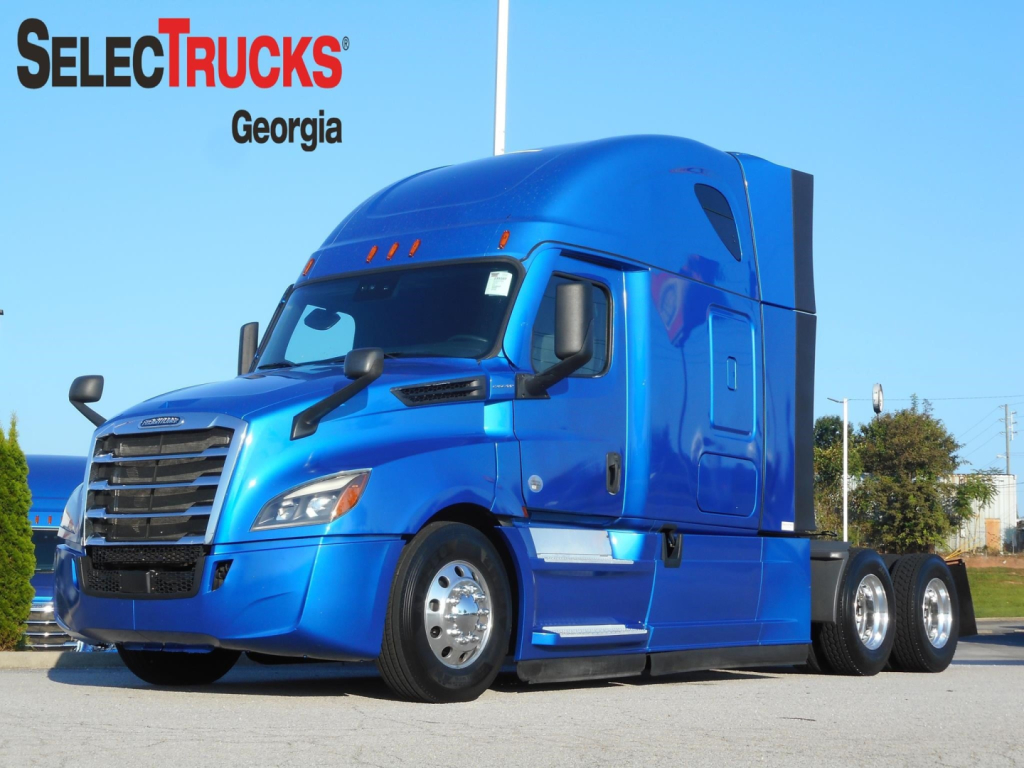
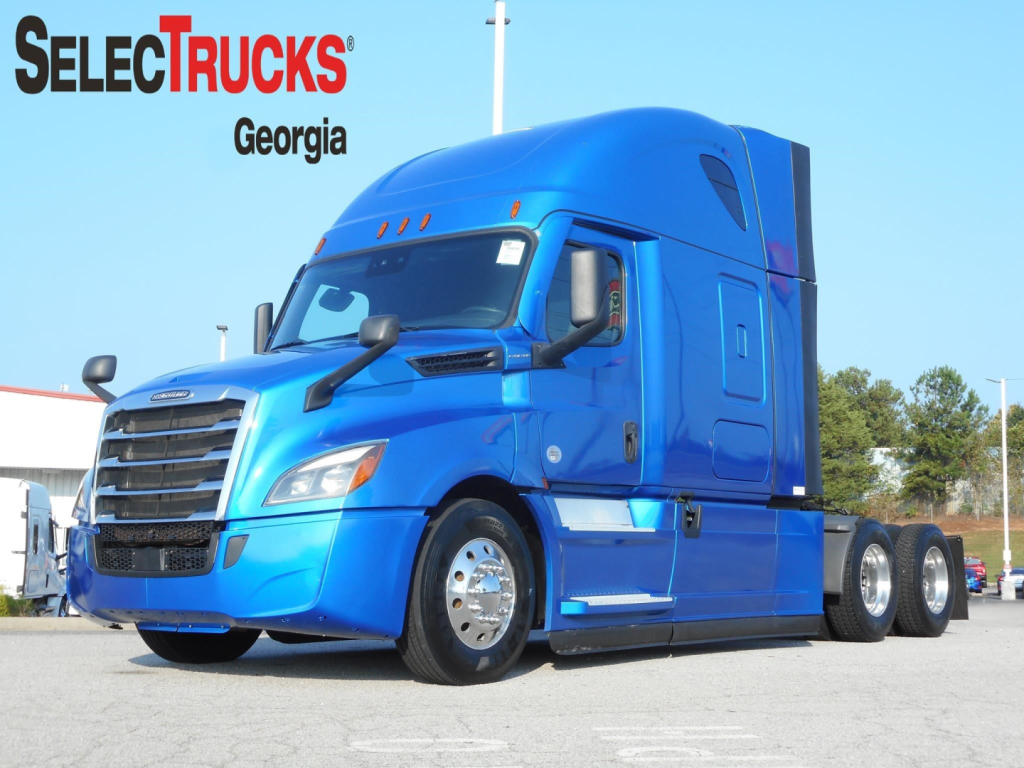
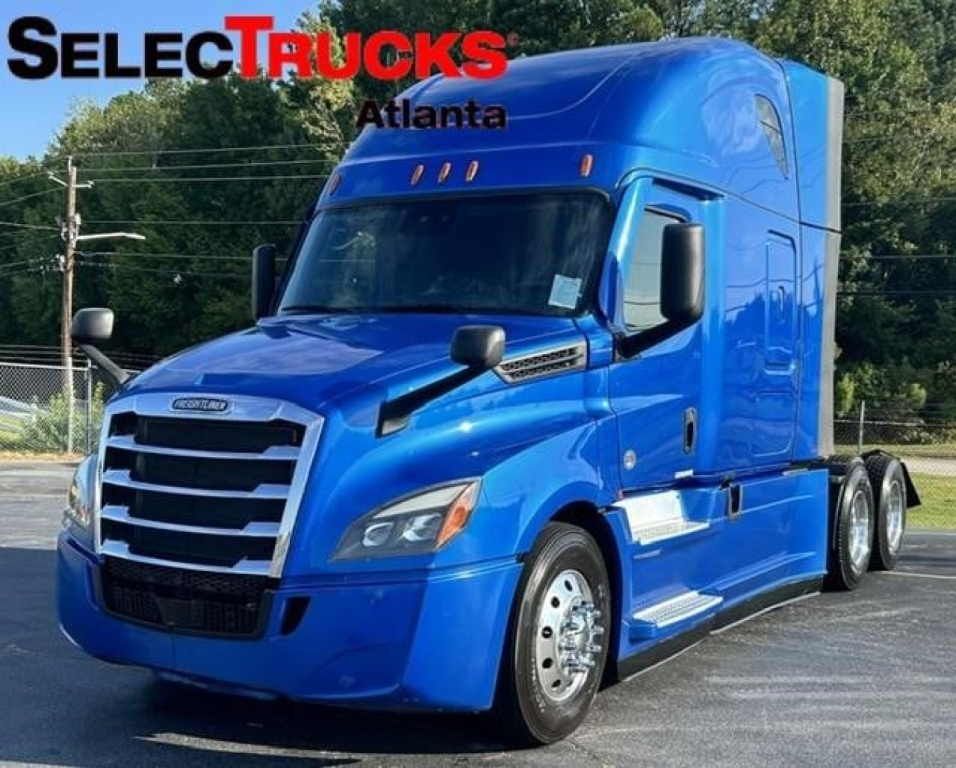
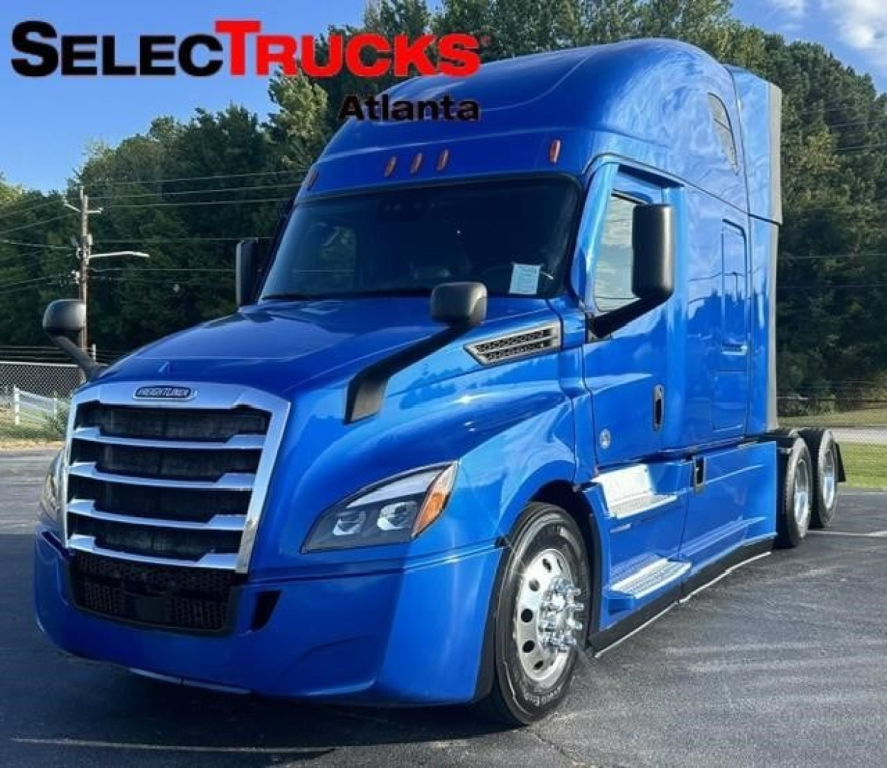
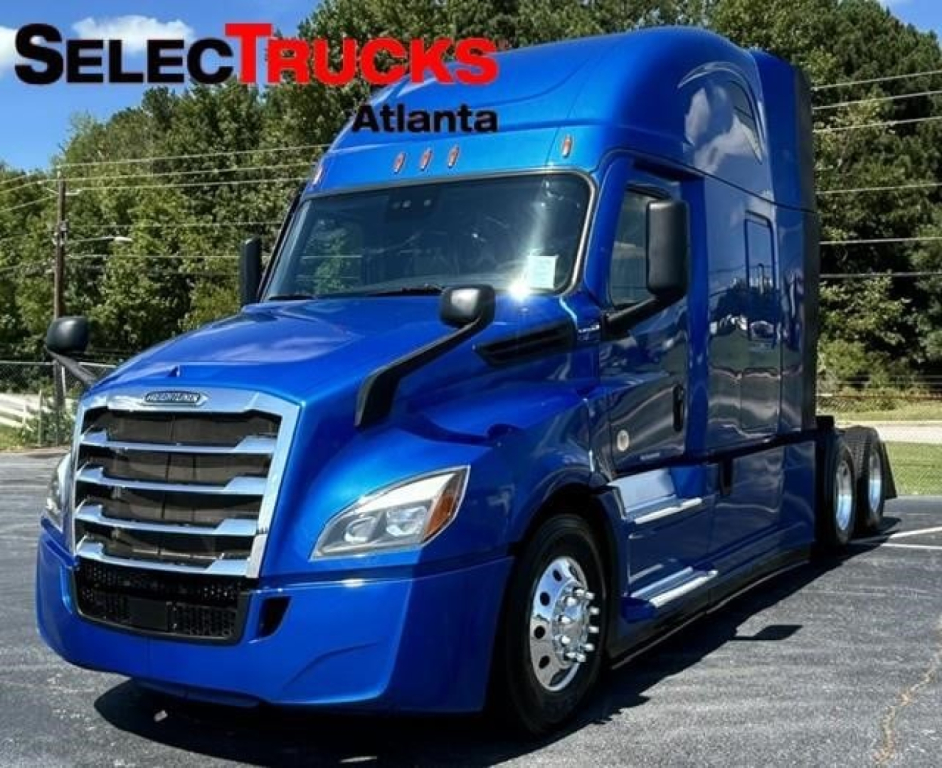
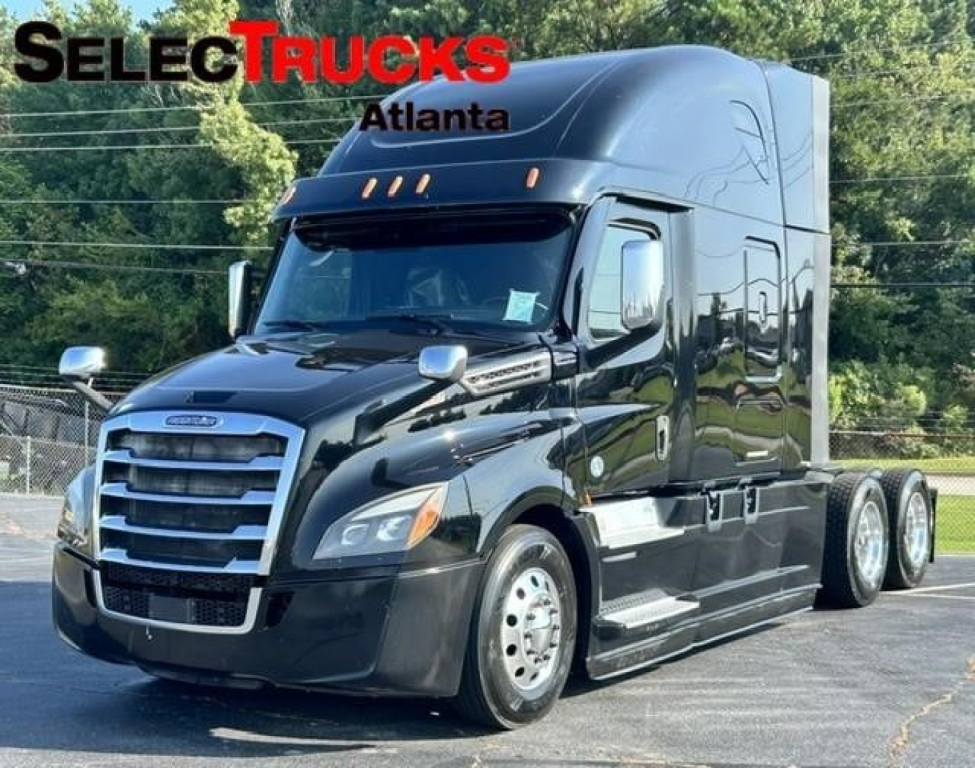
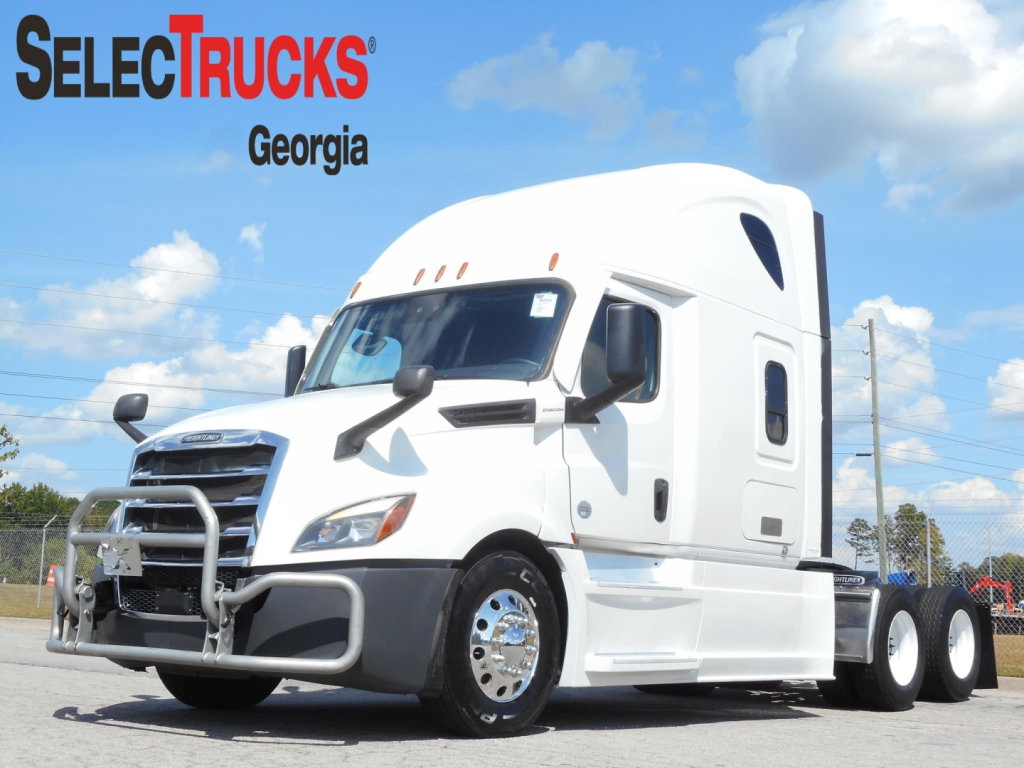
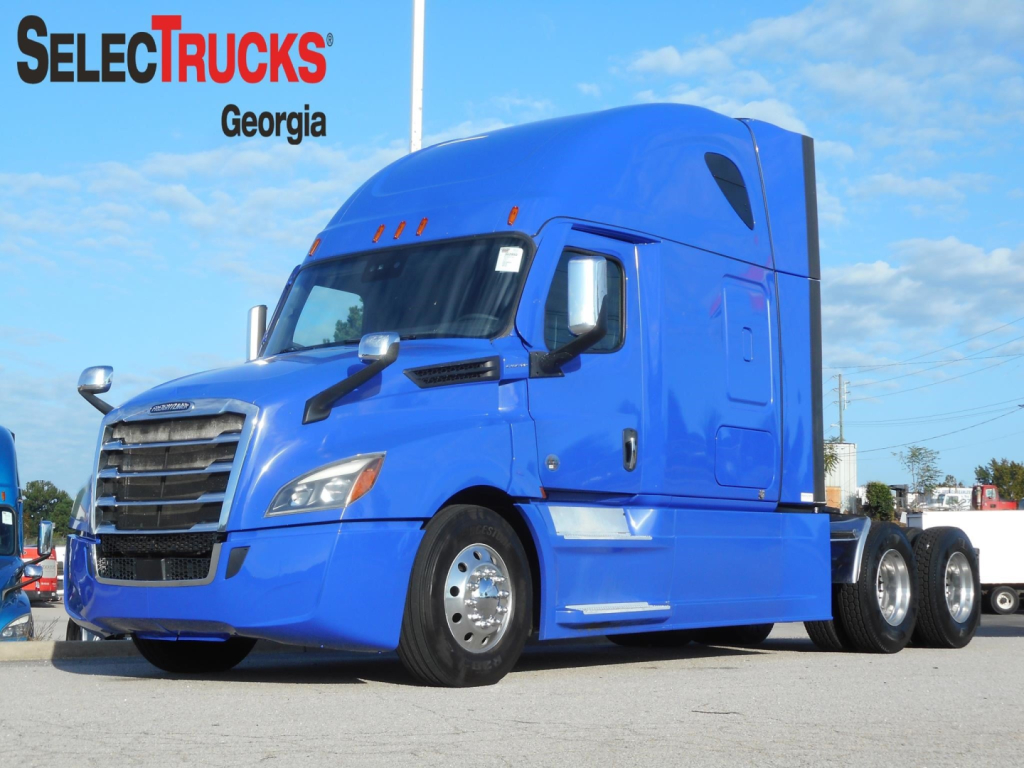
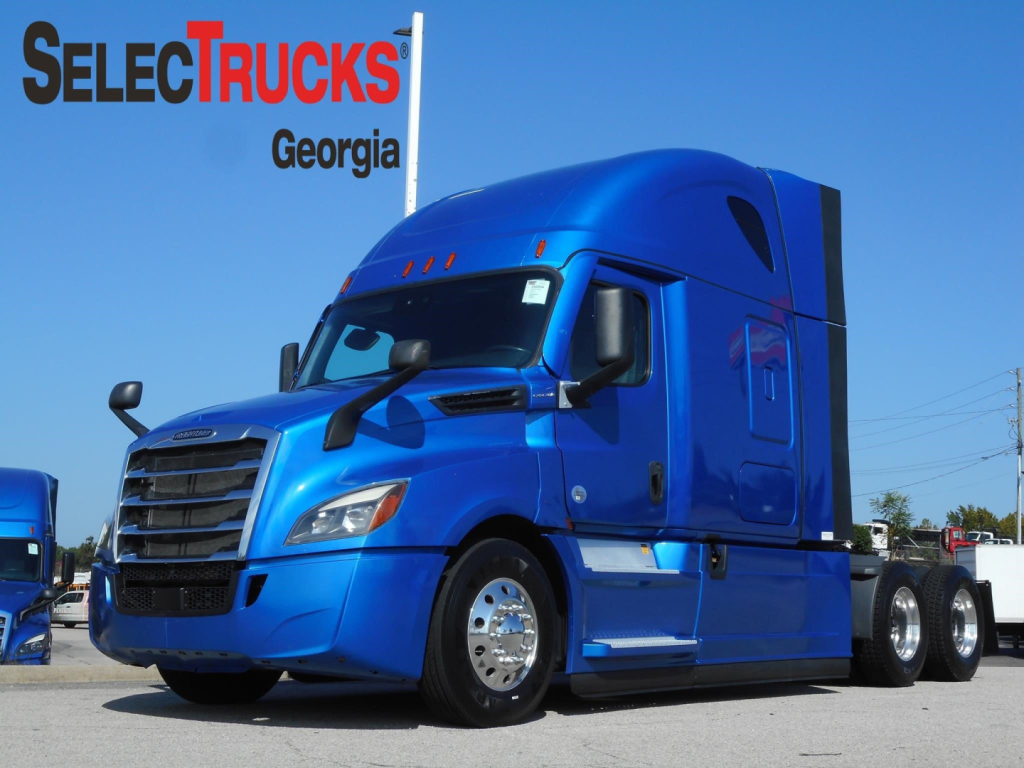
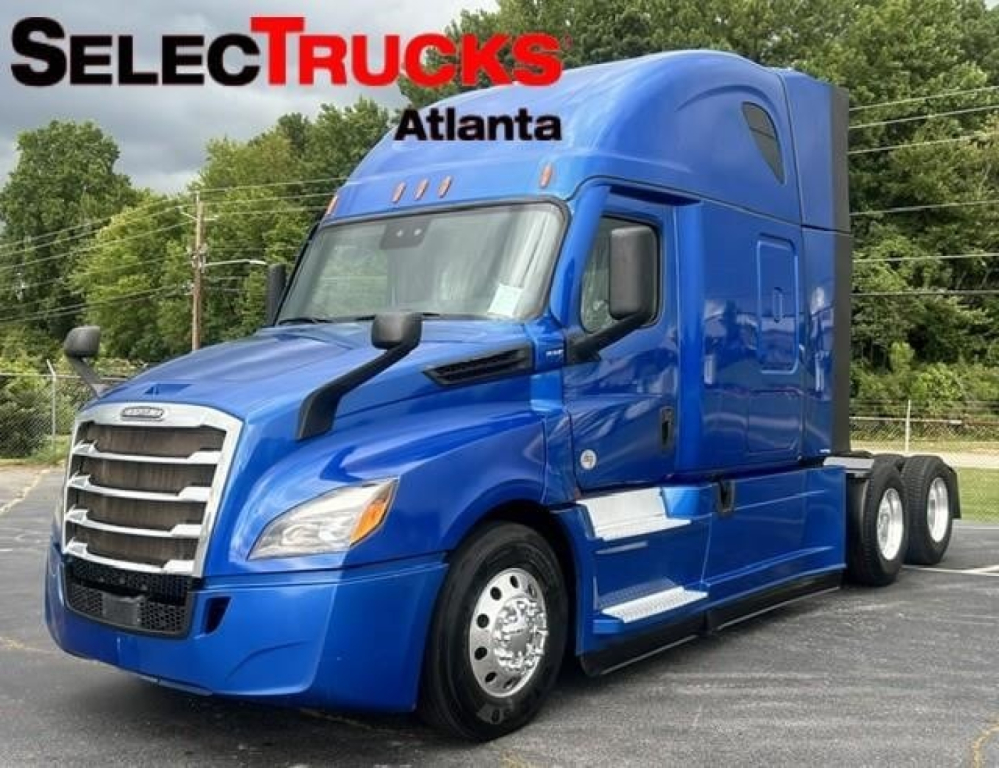
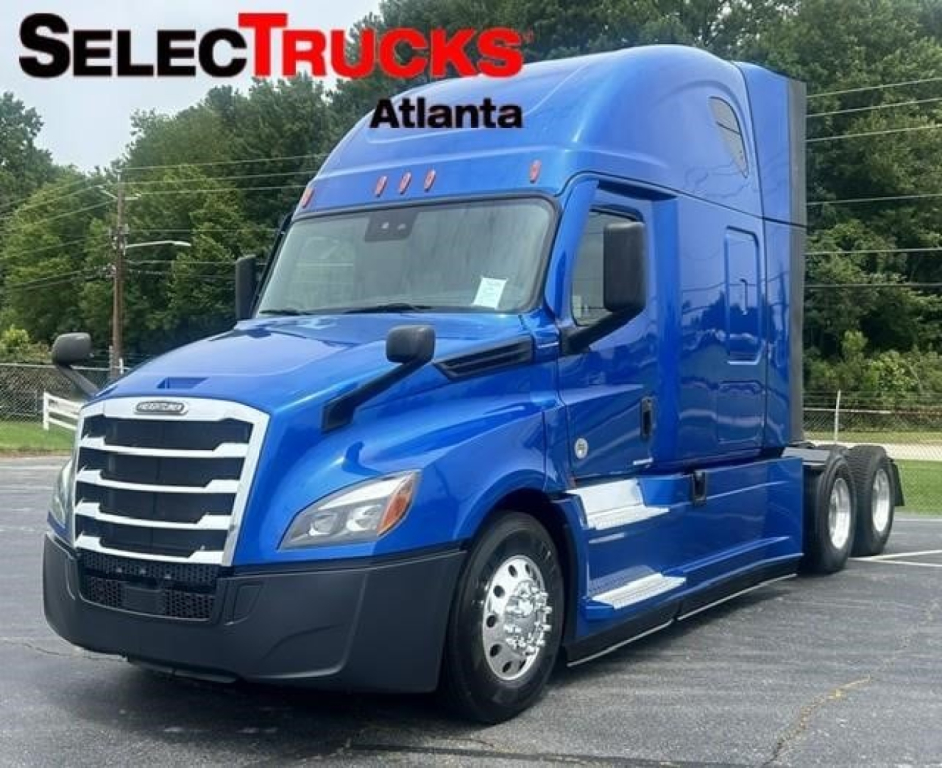
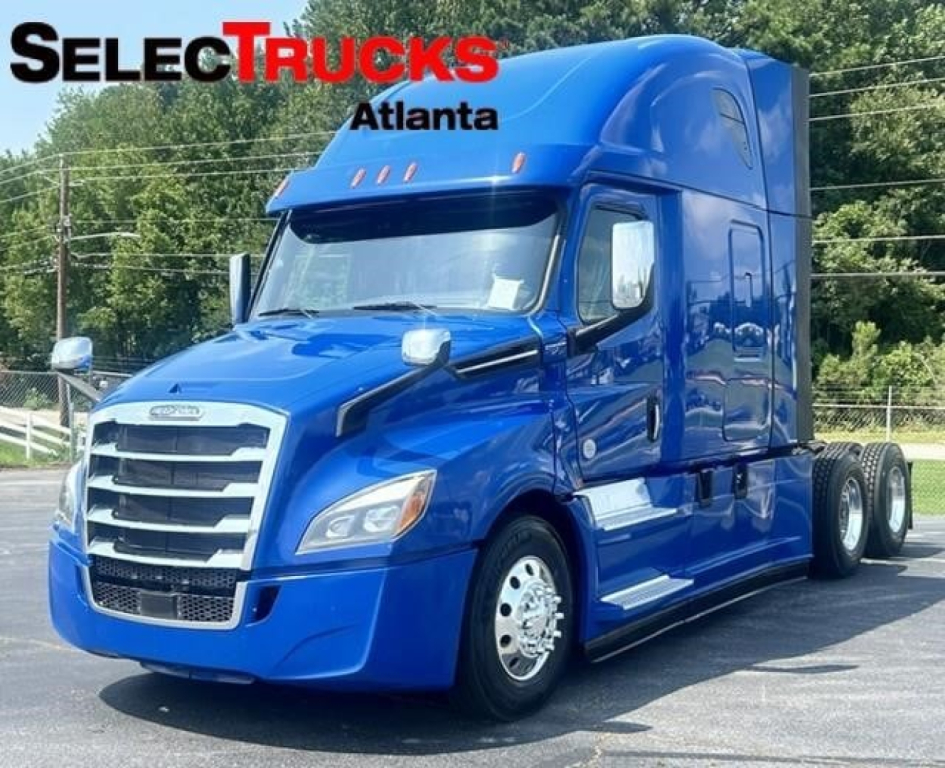
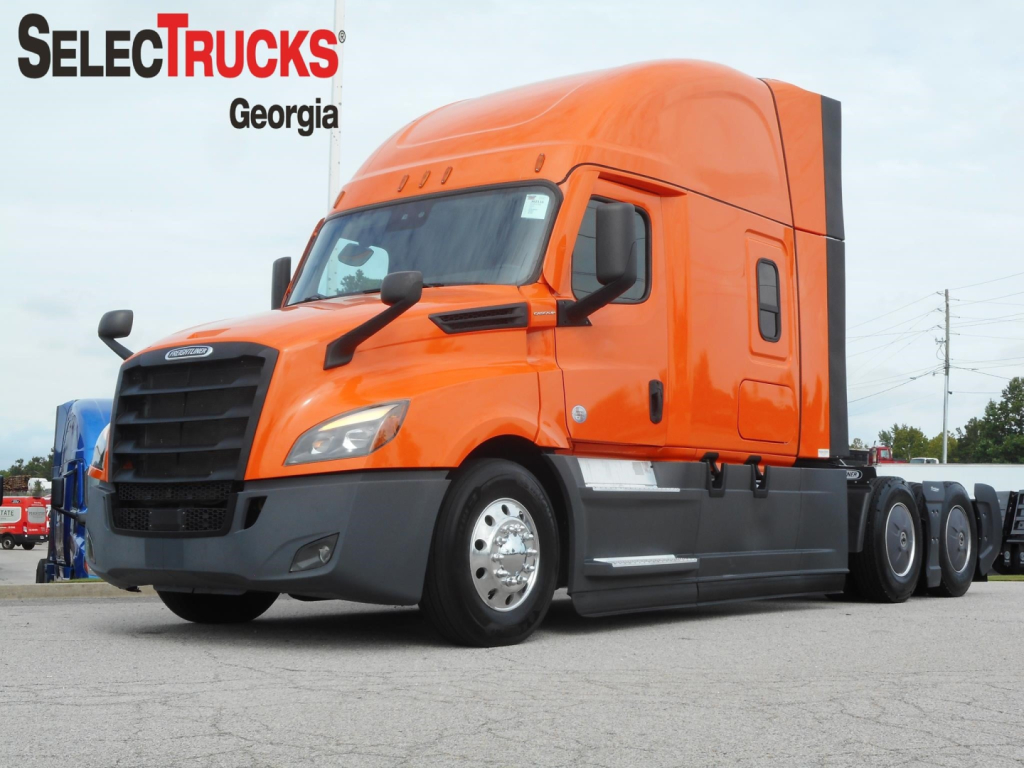
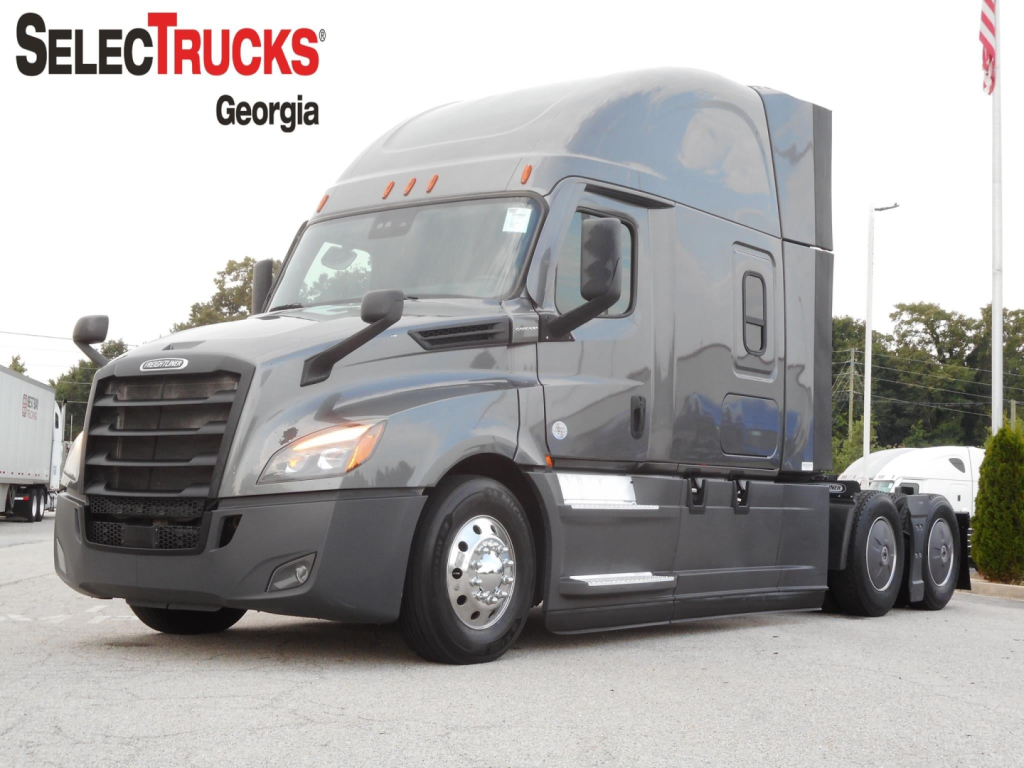
Selling a 2022 freightliner conventional sleeper truck? List your 2022 freightliner conventional sleeper truck for sale and reach thousands of commercial buyers.
2022 Freightliner Conventional Sleeper Trucks in Georgia
For a buyer comparing used 2022 sleeper trucks in Georgia, the key decisions usually come down to powertrain rating, sleeper configuration, and chassis spec. The DD15 is commonly found in the 400 to 455 horsepower range, often paired with ratios aimed at fuel mileage rather than heavy vocational pulling. Check wheelbase, rear axle ratio, and gross vehicle weight rating against the freight you plan to move and the trailer lengths you run most often. A conventional sleeper also called a highway sleeper tractor should be evaluated for fifth wheel position, fairing condition, and any signs of uneven tire wear that could point to alignment or suspension issues.
Cab and sleeper equipment can make a real difference in retention and operating cost. Many 2022 Freightliner sleepers are equipped with double bunks, bunk heaters, refrigerators, power inverters, and driver-assist systems such as collision mitigation. Those features matter if the truck will stay out for extended periods or rotate between drivers. Freightliner's Cascadia platform is also known for an aerodynamically efficient hood and roof design, good parts availability, and widespread dealer support, which helps reduce downtime when compared with less common long-haul platforms.
On the used market, condition matters more than badge alone. Review maintenance records, aftertreatment history, idle hours, brake and tire life, and any recent DOT or reconditioning work. Pay close attention to emissions system service, transmission calibration history, and sleeper HVAC operation. For buyers running freight through Georgia and the Southeast, a well-spec'd 2022 Freightliner conventional sleeper can be a practical choice for dry van, reefer, and general freight operations that need a late-model road tractor with predictable operating costs.
Frequently Asked Questions about 2022 Freightliner Conventional Sleeper Trucks in Georgia
What engine and transmission are common in a 2022 Freightliner conventional sleeper?
Most 2022 Freightliner conventional sleeper trucks, especially Cascadia 126 models, are commonly equipped with a Detroit DD15 engine and a Detroit DT12 automated manual transmission. This setup is popular because it balances fuel economy, highway drivability, and serviceability. Horsepower ratings often fall in the 400 to 455 horsepower range, which is suitable for general freight, dry van, reefer, and many over-the-road applications.
Is a 2022 Freightliner Cascadia sleeper a good choice for long-haul freight?
Yes, the 2022 Freightliner Cascadia sleeper is widely used for long-haul and regional linehaul work. It is designed around aerodynamic efficiency, driver comfort, and fleet-friendly maintenance. Buyers often look for double bunk sleepers, bunk heaters, refrigerators, and safety systems because these features improve driver comfort and can support better utilization on extended runs.
What should I inspect on a used 2022 Freightliner sleeper truck?
Focus on maintenance history, engine and aftertreatment service records, transmission operation, tire wear patterns, brake life, and suspension condition. It is also smart to verify idle hours, check for fault codes, and inspect the sleeper equipment including HVAC, bunk components, and electrical accessories. Fifth wheel wear, fairing damage, and alignment-related tire wear can also reveal how the truck was operated and maintained.
What freight applications fit a conventional sleeper truck best?
A conventional sleeper truck is best suited for over-the-road, regional haul, dedicated contract freight, dry van, refrigerated freight, and general tractor-trailer applications. The sleeper compartment gives the driver rest space for overnight or multi-day trips, making it a better fit than a day cab when routes regularly require extended time away from the terminal. The conventional hooded design also provides easier engine access for service compared with cab-over configurations.