
2020 Freightliner Trucks For Sale
Browse 2020 Freightliner trucks, including Cascadia, M2, and vocational models with Detroit or Cummins power for highway and jobsite use.

Showing 29 to 48 of 48 results
Have 2020 freightliner truck to sell? List it here to reach thousands of buyers.
2020 Freightliner Trucks
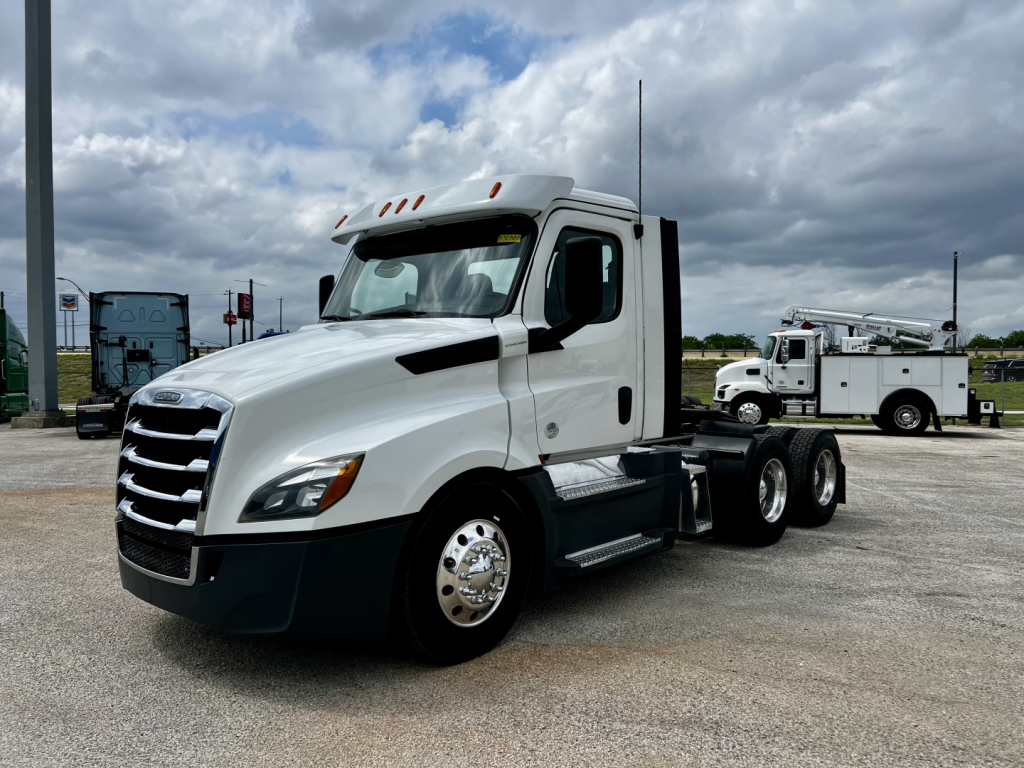
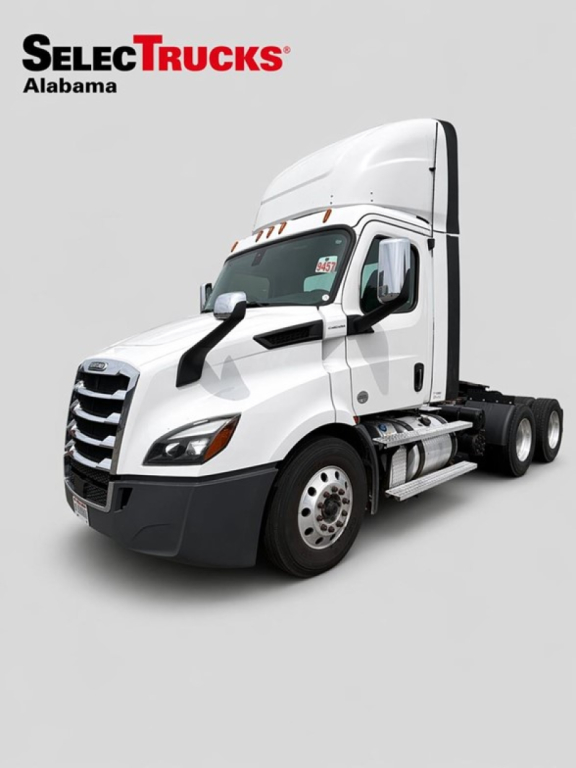
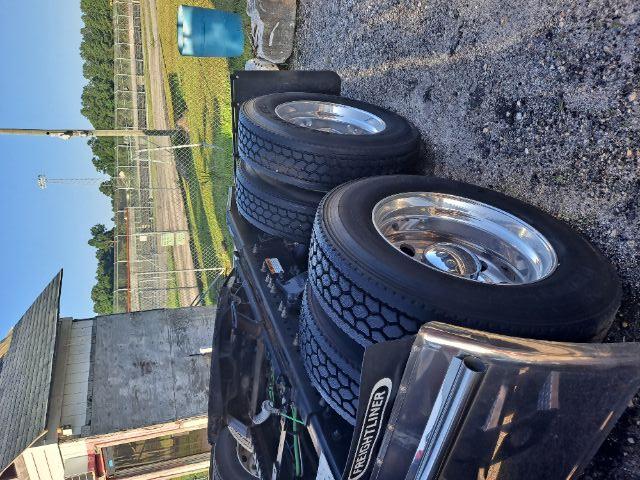
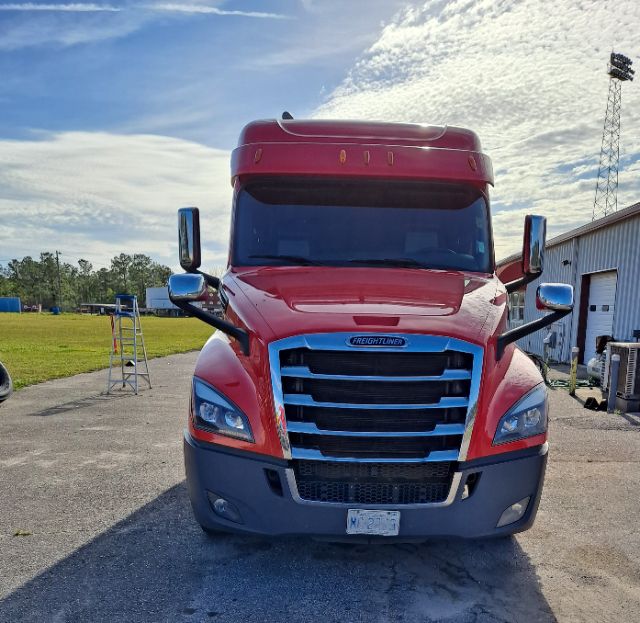
The first buying decision is usually application. A 2020 Freightliner Cascadia is typically aimed at regional or over-the-road freight and is often found as a day cab or raised-roof sleeper with tandem axles, air ride suspension, aerodynamic fairings, and 22.5 low-profile rubber. Buyers comparing highway tractors should pay close attention to horsepower and torque ratings, rear axle ratio, wheelbase, and fifth wheel setup because those items directly affect fuel economy, startability, and trailer compatibility. A fleet-focused spec may have a DD15 around 400 to 455 horsepower, a 12-speed automated transmission, and ratios in the fuel-efficient range for long interstate runs. A more specialized tractor may be set up for heavier vocational pulling, shorter regional lanes, or port work with different gearing, PTO provisions, or axle ratings.
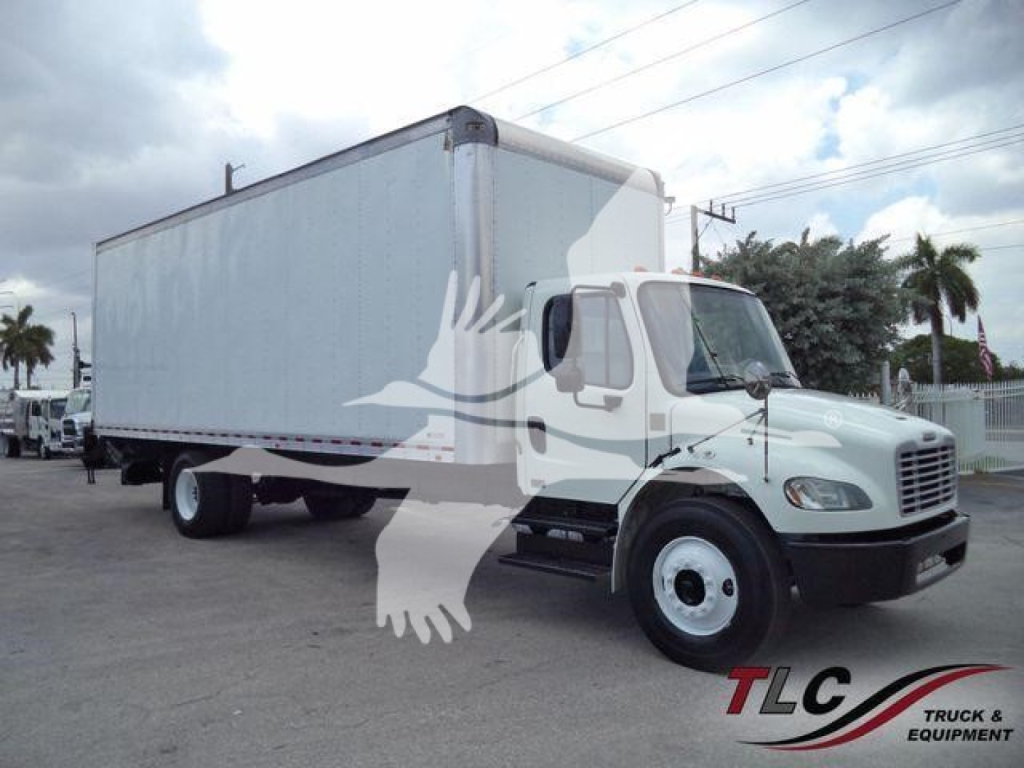
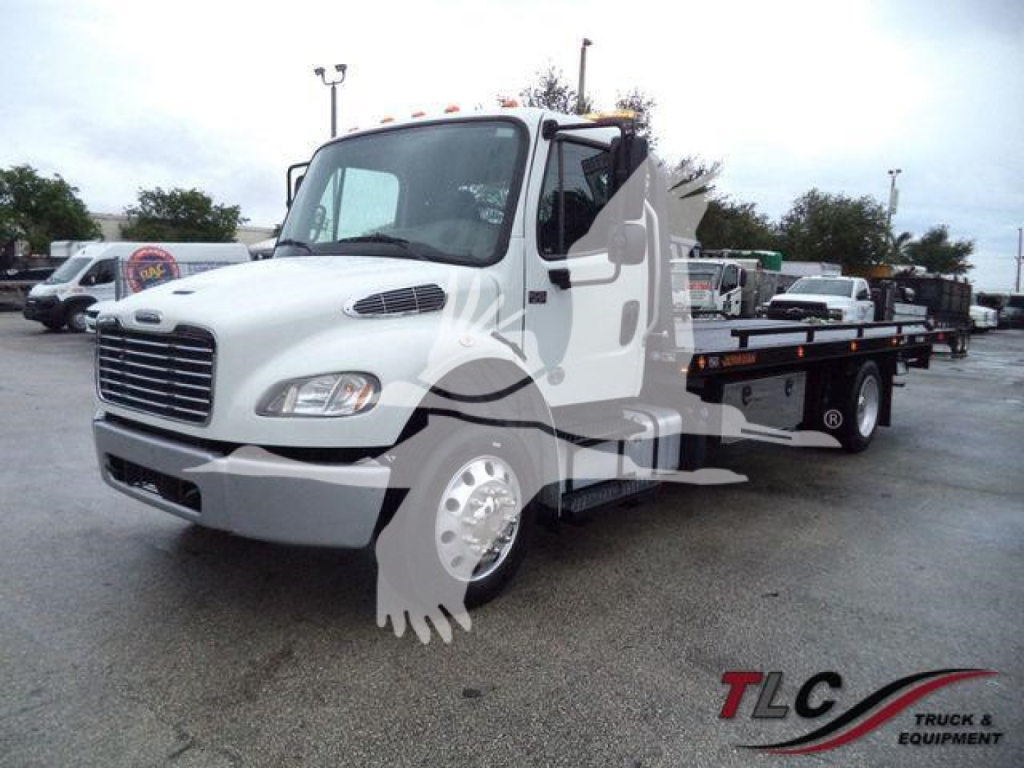
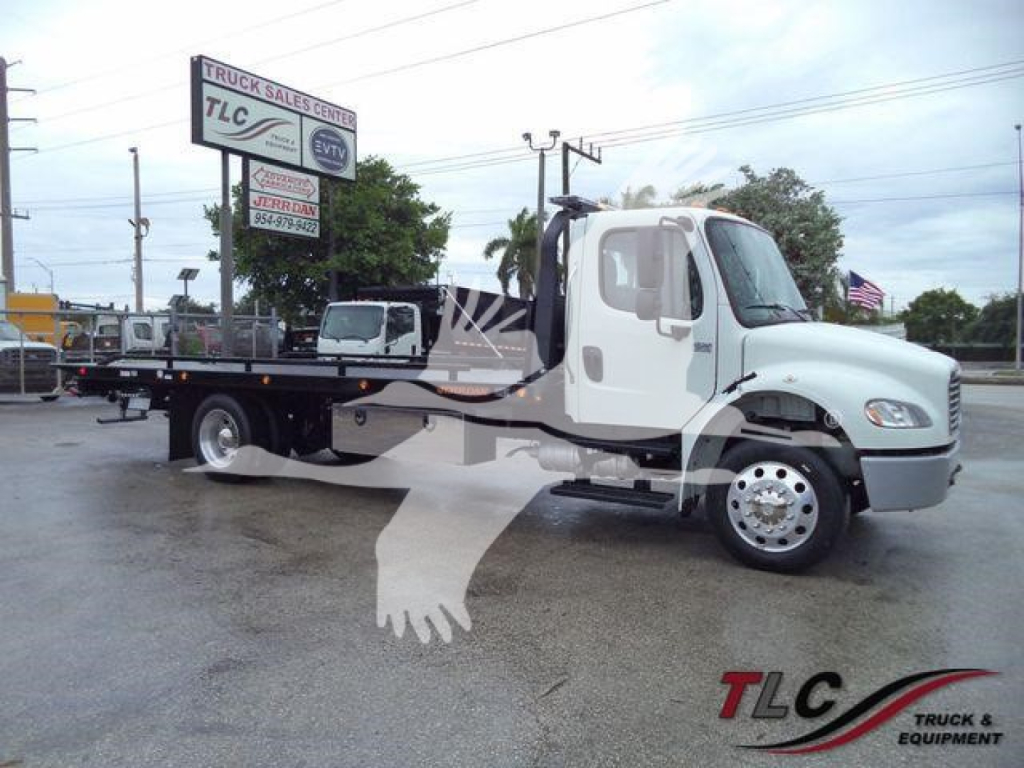
On the medium-duty side, a 2020 Freightliner M2 106 or similar chassis is often used for flatbeds, dry van bodies, rollback carriers, dump bodies, service trucks, and municipal work. Here, buyers should focus on GVWR, front and rear axle ratings, frame strength, suspension type, brake setup, and body integration. Air brakes, spring or air ride rear suspension, and Allison automatic transmissions are common in these applications. If the truck already has a body installed, look closely at platform length, hoist or ramp design, PTO operation, trailer wiring, and any signs of frame modification. For route delivery or local contracting work, cab configuration, turning radius, and visibility can matter as much as engine size.
Across the 2020 Freightliner lineup, it is worth checking for safety and uptime features that became increasingly important in late-model fleet equipment. Depending on spec, that can include collision mitigation, lane departure warning, adaptive cruise control, disc brakes, tire pressure monitoring, and telematics capability. Service history matters more than badge appeal on any used truck, so buyers should review idle hours, aftertreatment maintenance, transmission calibration history, and evidence of regular DPF and DEF system care. Freightliner remains a strong choice for buyers who want mainstream spec availability, broad dealer support, and a truck platform that can be configured for linehaul, regional, pickup and delivery, or vocational service.
Frequently Asked Questions about 2020 Freightliner Trucks
What are the most common 2020 Freightliner truck models on the used market?
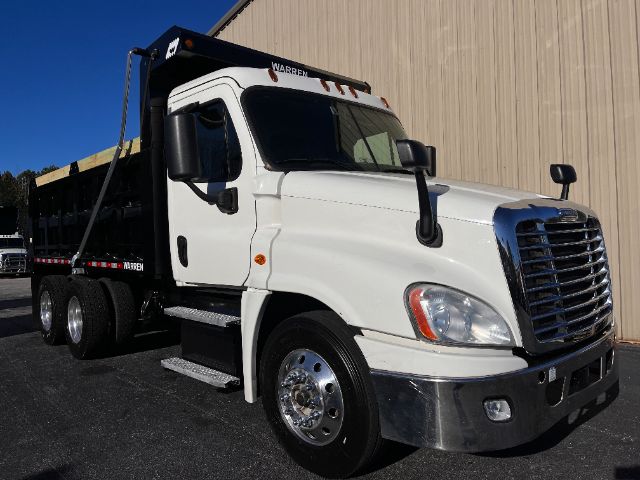
The most common 2020 Freightliner trucks are usually Cascadia highway tractors and Business Class M2 medium-duty trucks. The Cascadia is the volume model for over-the-road and regional hauling, while the M2 is widely used for box trucks, flatbeds, utility bodies, rollback carriers, and other vocational applications. Buyers may also see severe-duty configurations for dump, mixer, and municipal work depending on the original fleet spec.
Which engines are typically found in 2020 Freightliner trucks?
Engine choices depend on the truck class and intended use. In highway tractors, Detroit DD13 and DD15 engines are the most common, with horsepower and torque ratings varying by fleet requirement. In medium-duty and vocational 2020 Freightliner trucks, Cummins B6.7 and L9 engines are frequently seen, along with some Detroit options. The right engine depends on gross weight, duty cycle, terrain, and whether the truck spends most of its time in city service or long-haul operation.
What should I check when buying a used 2020 Freightliner Cascadia?
Focus on the full operating spec, not just mileage. Key items include engine model, horsepower, torque rating, transmission type, rear axle ratio, wheelbase, fifth wheel position, suspension, and brake configuration. Maintenance records are critical, especially for aftertreatment service, DEF system repairs, software updates, and transmission calibration history. It is also smart to review idle hours, tire wear patterns, and any fault code history because those details can reveal how the truck was used and maintained.
Are 2020 Freightliner trucks good for fleet service and owner-operators?
Yes. A major reason 2020 Freightliner trucks remain popular is their broad support network and familiar component spec. Fleets often prefer them because parts availability, dealer coverage, and technician familiarity can help control downtime. Owner-operators often value the same support advantages, along with fuel-efficient Cascadia specs and the wide selection of used trucks with different cab, sleeper, axle, and drivetrain configurations.
How do I choose between a 2020 Freightliner day cab and sleeper?
The choice comes down to route structure and payload priorities. A day cab is generally better for local, regional, drayage, and dedicated lane work where lower weight, shorter wheelbase, and easier maneuverability matter. A sleeper is more appropriate for overnight and over-the-road operations, especially when driver comfort, storage, and bunk amenities are required. Buyers should also consider wheelbase, fuel capacity, fairing package, and bunk size because those details affect both operating cost and driver acceptance.