
2019 Freightliner Trucks For Sale in Pennsylvania
Shop 2019 Freightliner trucks in Pennsylvania, including M2 box and reefer models with diesel power, automatic transmissions, and CDL-friendly specs.
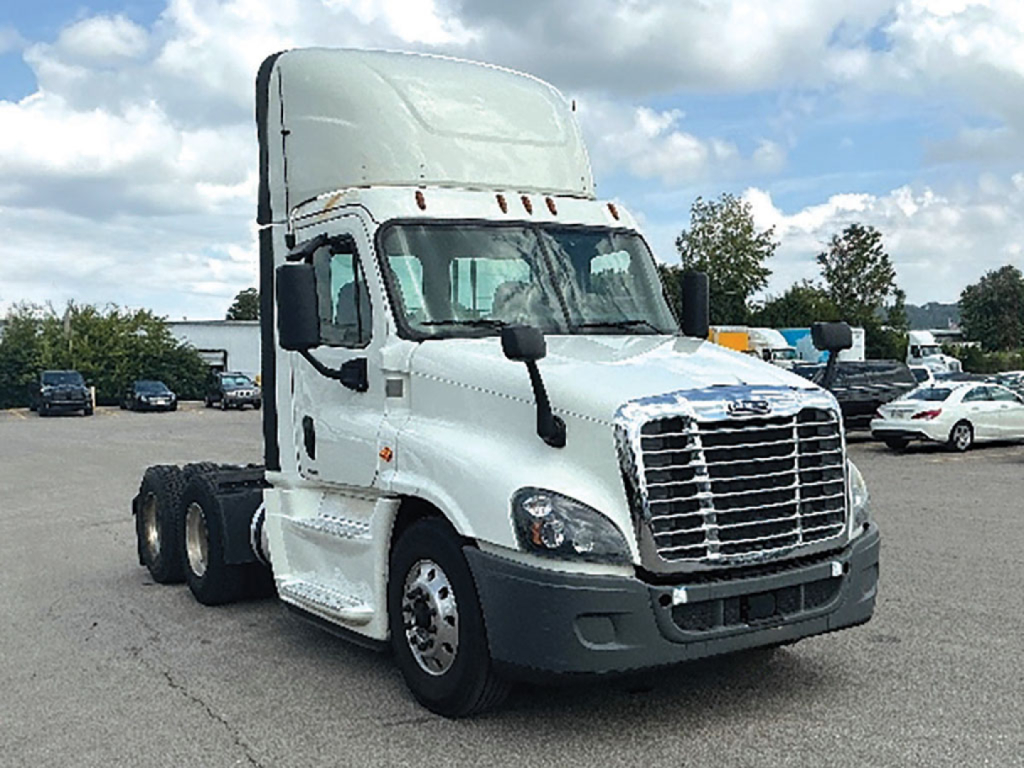
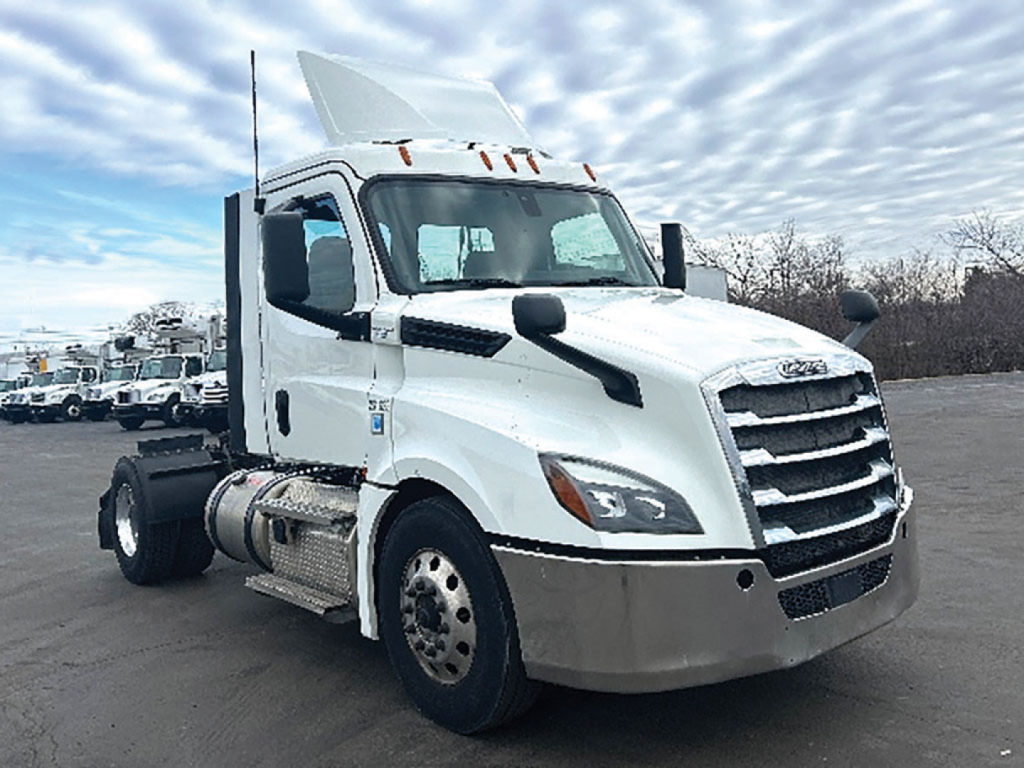
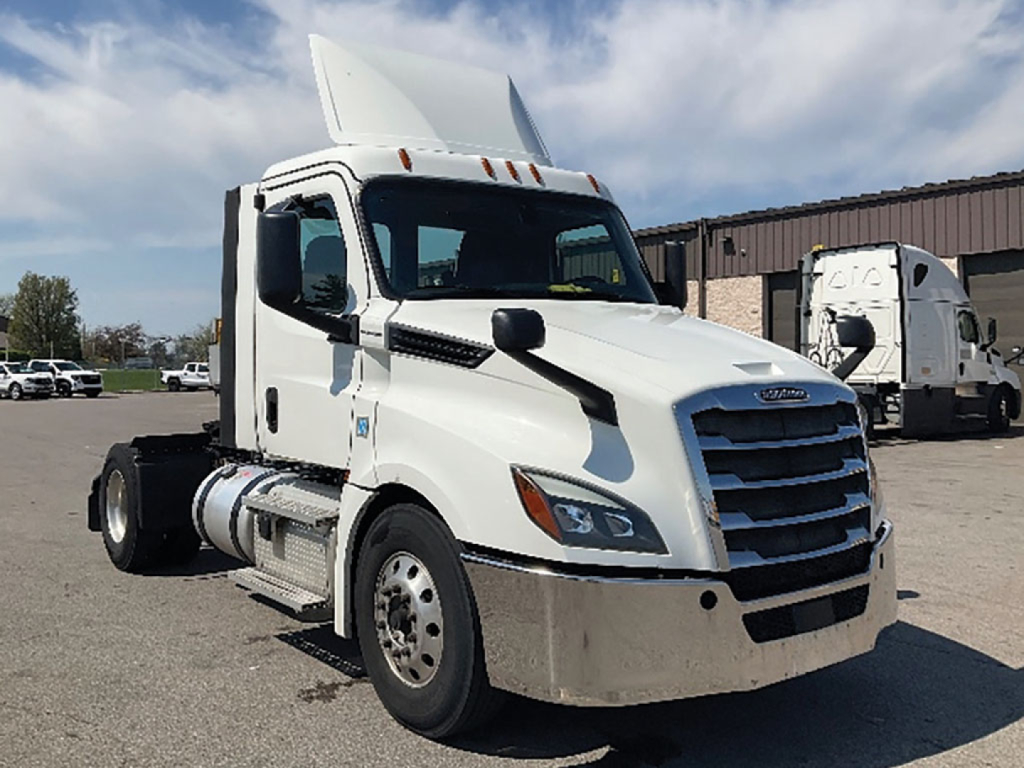
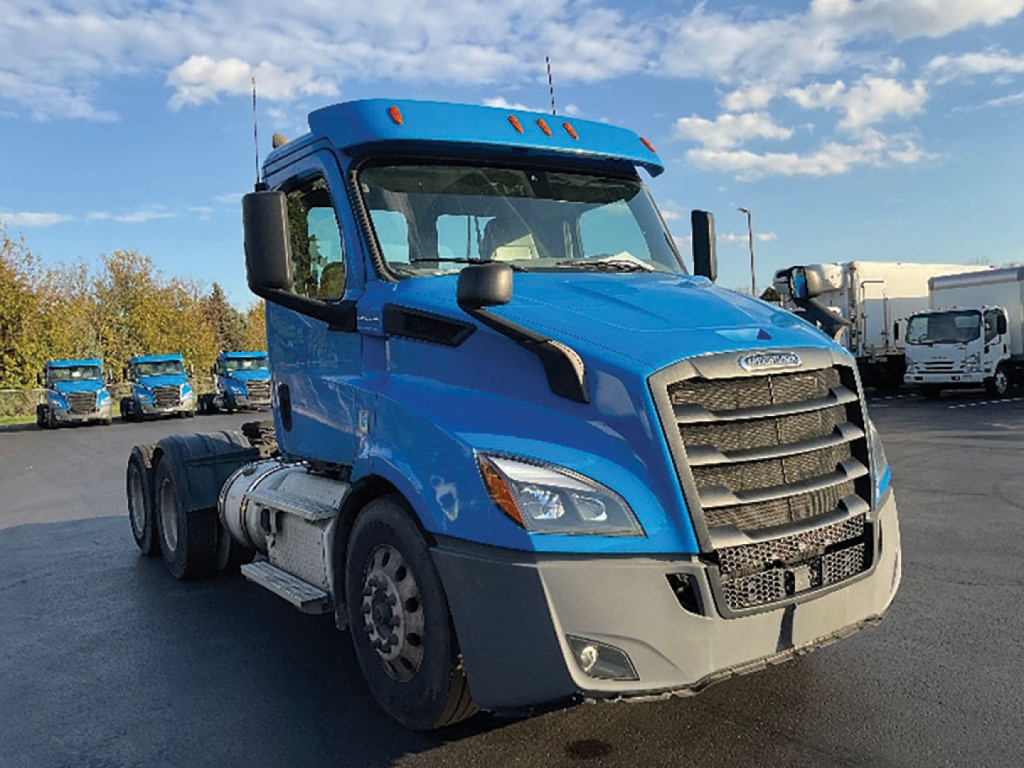
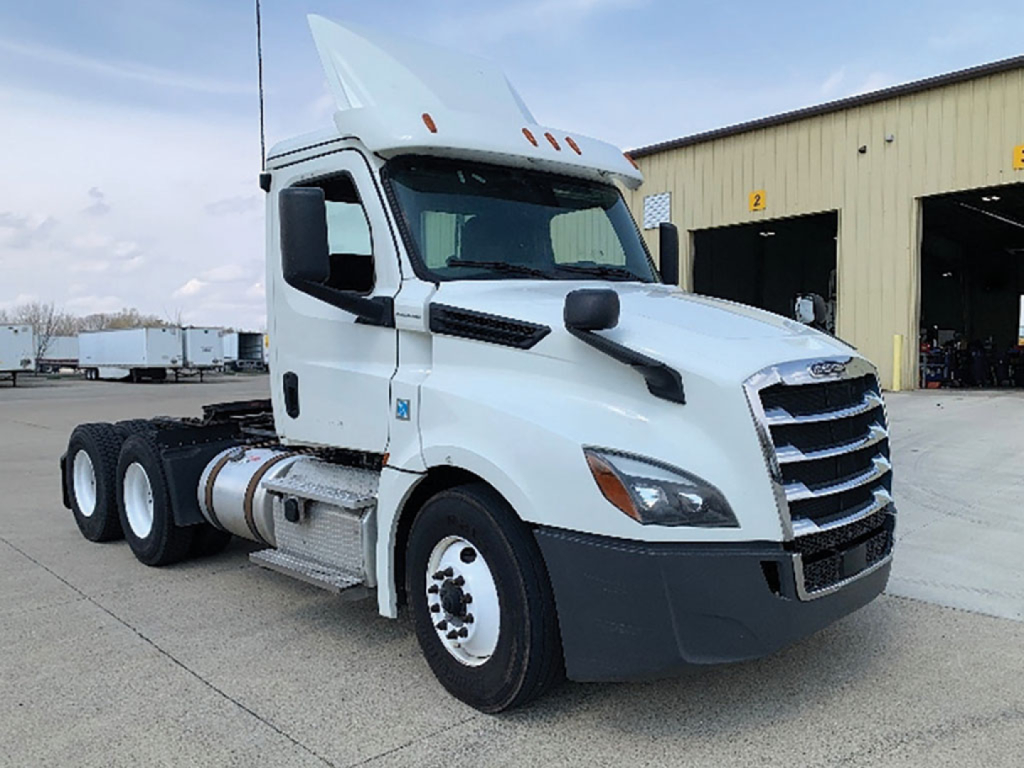
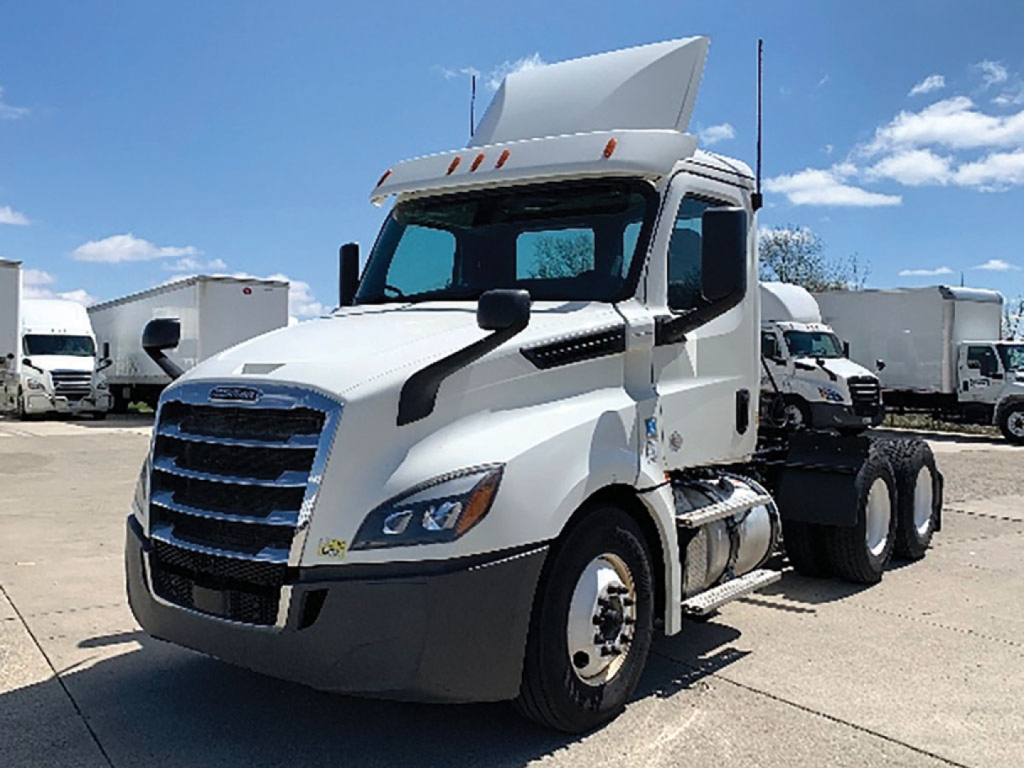
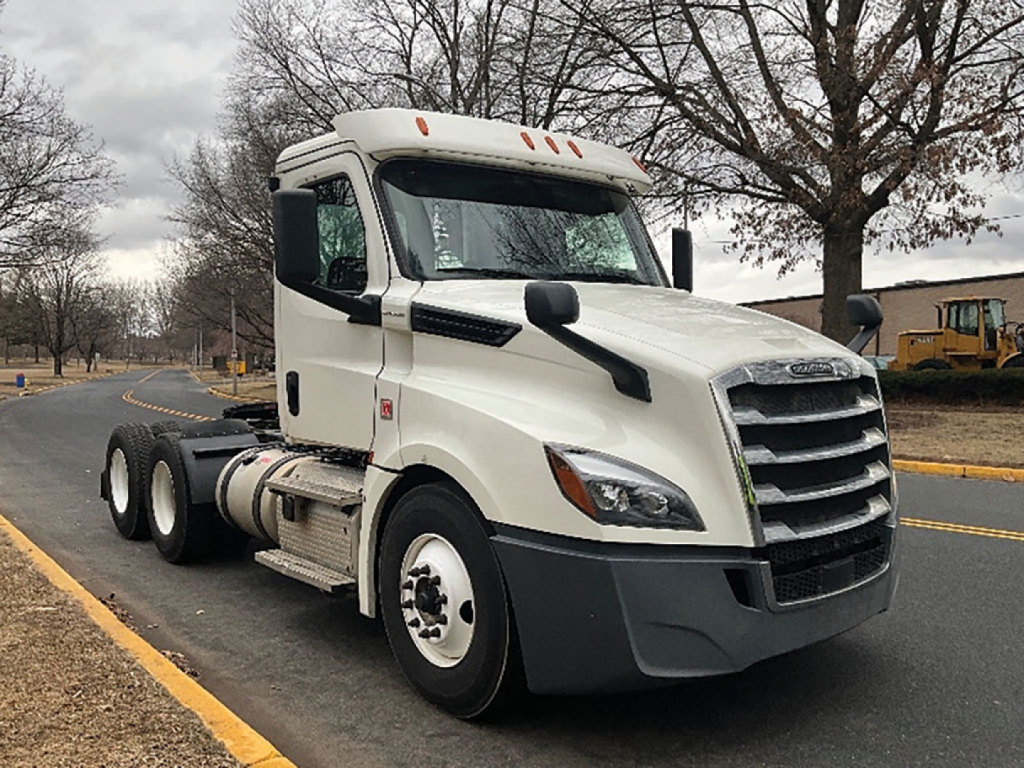
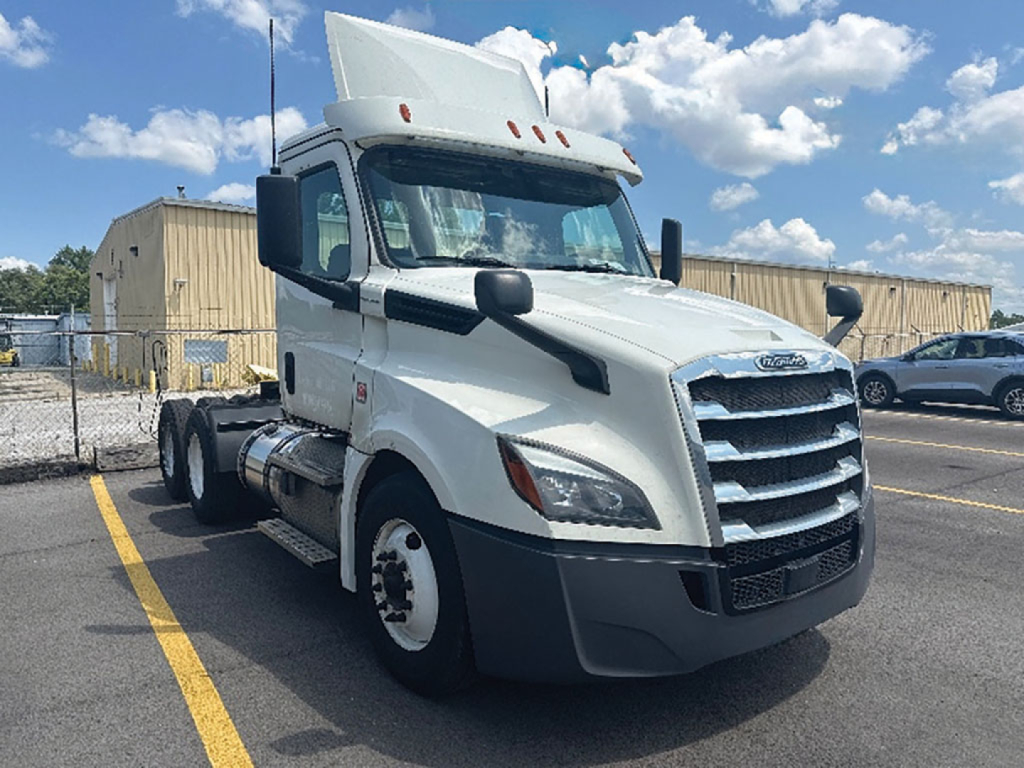
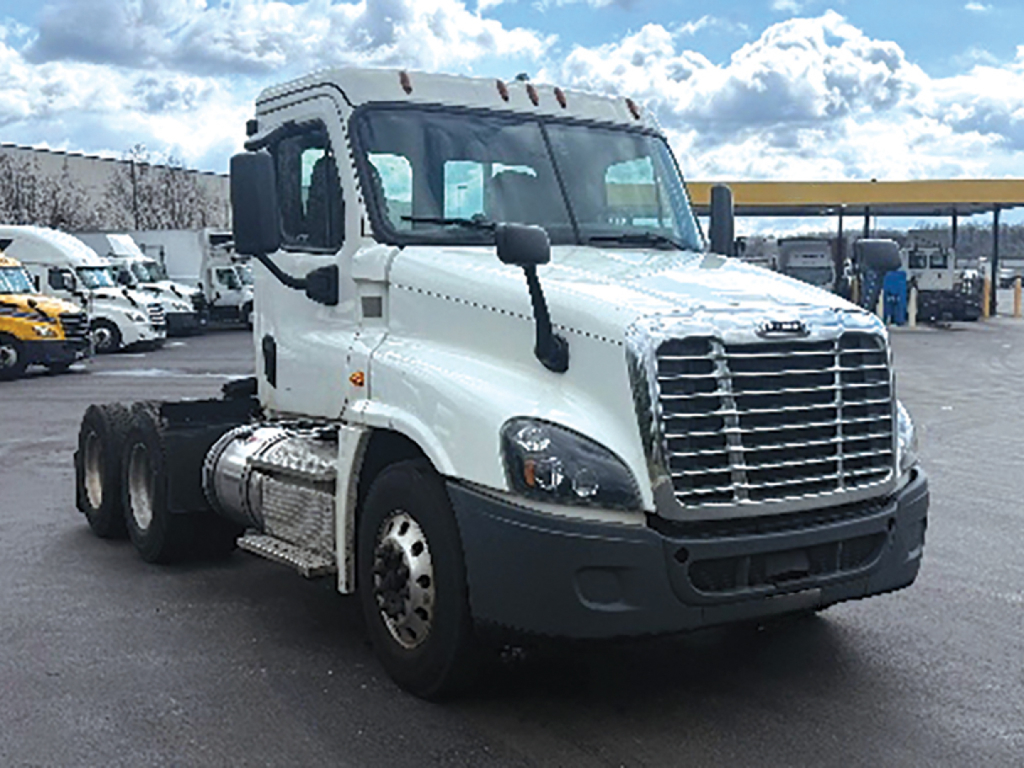
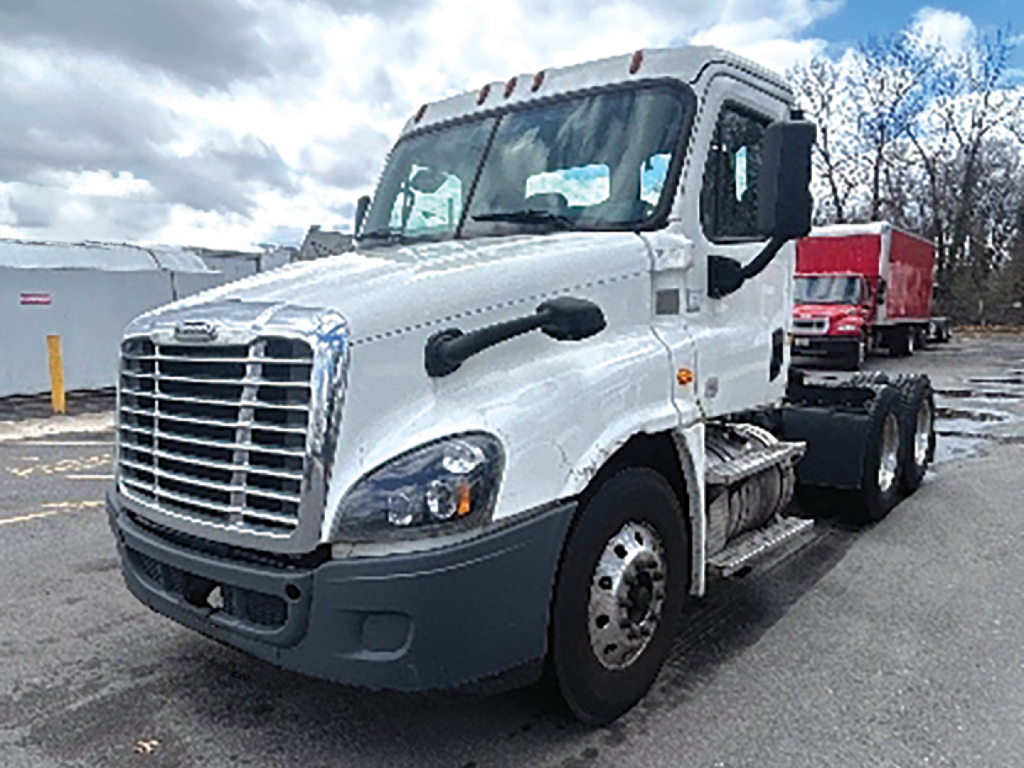

Have 2019 freightliner truck to sell? List it here to reach thousands of buyers.
2019 Freightliner Trucks in Pennsylvania
Powertrain choice matters on 2019 Freightliner trucks because it directly affects payload, drivability, and maintenance planning. Common engines in this class include the Cummins B6.7 and Detroit DD8, often paired with Allison automatic transmissions such as the 2100RDS or 3000RDS. That combination is widely used in pickup and delivery, food distribution, moving, and municipal applications because it is easy to operate in stop-and-go traffic and well suited to multi-driver fleets. Buyers should compare horsepower ratings, rear axle ratios, front and rear axle capacities, and suspension type. Air-ride suspension, air dump valves, locking differentials, and heated power mirrors are practical features on Pennsylvania routes where winter traction, dock access, and urban maneuvering all matter.
Body equipment is just as important as the chassis on a used 2019 Freightliner truck. On box trucks, pay attention to body brand, liftgate rating, E-track layout, scuff liners, side door configuration, and floor condition. On reefer trucks, the refrigeration unit model and hours are critical, along with bulkhead condition, ducted flooring, insulation integrity, and liftgate operation. A 24-foot or 26-foot Morgan body with a 3,000-pound Maxon aluminum liftgate is a common setup in this segment because it balances cube, loading efficiency, and route flexibility. If the truck will spend time in tight city delivery, cab visibility, wheelbase, turning radius, and overall bumper-to-door dimensions are worth checking closely.
For buyers comparing 2019 Freightliner trucks for sale in Pennsylvania, the best value usually comes from matching the truck to the job rather than shopping by mileage alone. A properly spec'd M2 with documented maintenance, current inspection status, and the right body configuration can outperform a lower-priced truck that needs immediate reefer work, liftgate repairs, or tire and suspension attention. Freightliner remains a popular choice because parts availability is strong, technicians are familiar with the platform, and the M2 chassis has proven versatile across dry freight, temperature-controlled hauling, and local route service. If your operation depends on under-CDL compliance, cold chain delivery, or frequent stop work, 2019 Freightliner trucks remain a practical and widely understood option.
Frequently Asked Questions about 2019 Freightliner Trucks in Pennsylvania
What are the most common 2019 Freightliner truck models for local delivery work?
The Freightliner M2-106 is one of the most common 2019 Freightliner trucks used for local and regional delivery. It is frequently configured as a 24-foot or 26-foot box truck, reefer truck, or other straight truck body. Buyers like the M2 platform because it supports under-CDL 26,000-pound GVWR builds, has good cab visibility, and is commonly equipped with diesel engines and Allison automatic transmissions suited for stop-and-go routes.
Is a 2019 Freightliner M2 available in an under-CDL configuration?
Yes. Many 2019 Freightliner M2 box trucks are spec'd at 26,000 pounds GVWR, which keeps them in the under-CDL category in many applications. That makes them popular with rental fleets, moving companies, final-mile delivery operators, and businesses trying to widen the driver pool. Buyers should still confirm the door sticker GVWR, body length, payload capacity, and local operating requirements before purchase.
What should I check on a 2019 Freightliner reefer truck?
Start with the refrigeration unit model, operating hours, and service history. Then inspect the box insulation, door seals, floor condition, evaporator area, bulkhead, and liftgate if equipped. On the chassis side, verify engine and transmission maintenance, confirm reefer unit integration and electrical setup, and look for signs of heavy dock impact or water intrusion. Reefer performance and body condition often matter as much as engine mileage on a temperature-controlled truck.
Which engines are common in 2019 Freightliner medium-duty trucks?
Two common engines in 2019 Freightliner medium-duty trucks are the Cummins B6.7 and the Detroit DD8. The Cummins B6.7 is widely used in box truck applications because it is familiar to many service shops and works well in delivery service. The Detroit DD8 is also common in heavier medium-duty specs and reefer applications where buyers want more horsepower and torque. Engine choice should be matched to body size, route profile, and payload demands.
What specs matter most when comparing used 2019 Freightliner trucks?
Focus on GVWR, axle ratings, wheelbase, engine horsepower, transmission model, rear axle ratio, suspension type, and body equipment. On delivery trucks, liftgate capacity, body length, floor type, E-track, and scuff liners are important. On refrigerated units, reefer hours and body insulation are major value drivers. Buyers in Pennsylvania should also pay attention to tire condition, rust, current inspection status, and features like air dump suspension and heated mirrors that improve day-to-day usability.