
2011 Freightliner Trucks For Sale
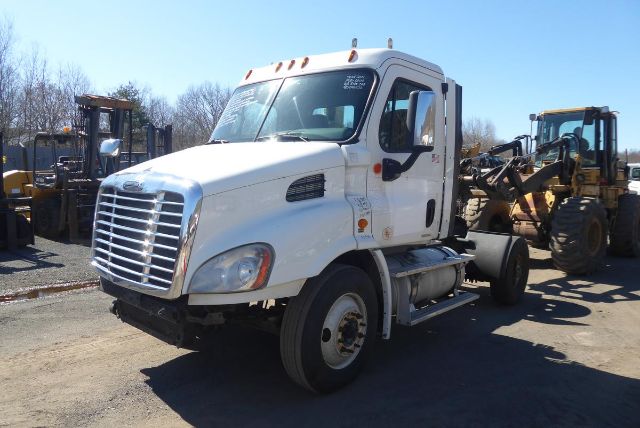
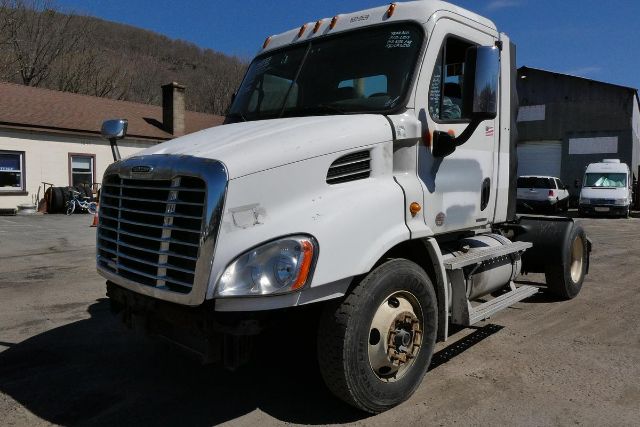
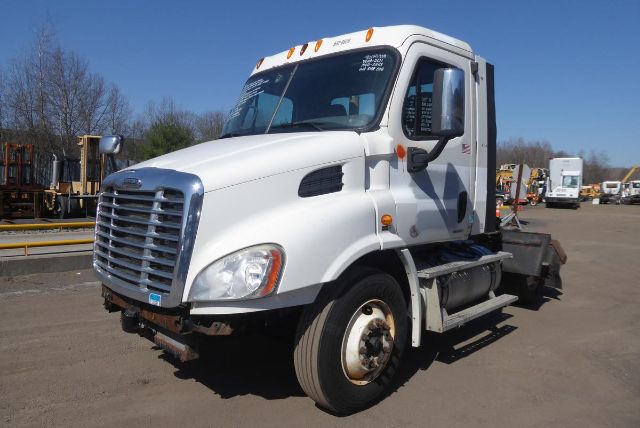
Browse 2011 Freightliner trucks for sale, including day cabs, cab and chassis, box trucks, and vocational setups with buyer-focused spec insights.
Learn more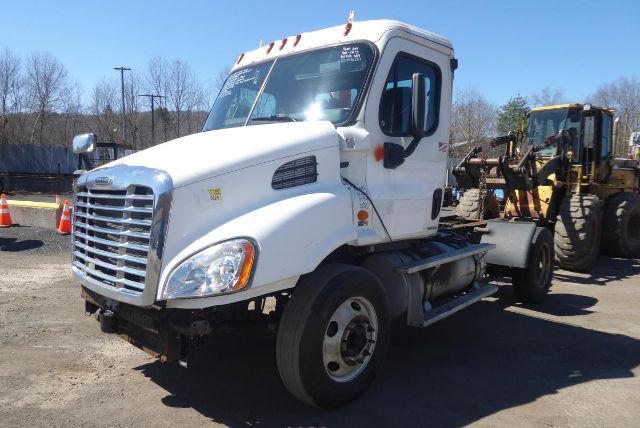
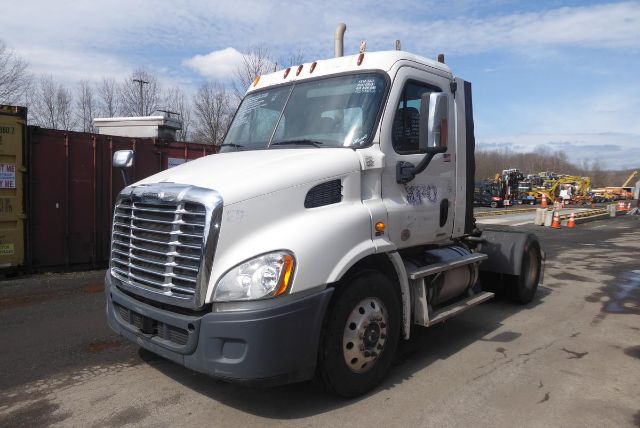
Showing 13 to 17 of 17 results
Have 2011 freightliner truck to sell? List it here to reach thousands of buyers.
About 2011 Freightliner Trucks
Frequently Asked Questions
What should I look for first on a used 2011 Freightliner truck?
Start with the truck’s intended application, then match the core specs to that job. A 2011 Freightliner can be configured as a day cab, sleeper tractor, box truck, refrigerated straight truck, or cab and chassis, so wheelbase, axle configuration, GVWR, transmission type, and rear axle ratio matter more than appearance. After that, review engine hours, maintenance records, fault history, suspension condition, tire wear, brake percentage, and signs of emissions-system repairs. On this model year, a clean service history is often more valuable than low advertised miles alone.
Which engines are common in 2011 Freightliner trucks?
Common engines in 2011 Freightliner trucks include Detroit Diesel platforms such as the DD13 and DD15, along with Cummins options in many medium-duty and vocational applications. Some earlier Freightliner configurations in the broader used market also carry Mercedes-Benz engines, depending on model and original spec. Engine choice should be matched to duty cycle. A DD13 is common in regional and lighter highway work, while larger-displacement engines are better suited for heavier loads or sustained linehaul use. Buyers should confirm horsepower, torque rating, emissions components, and software update history before purchase.
Are 2011 Freightliner trucks good for vocational or body-upfit work?
Yes. Many 2011 Freightliner trucks, especially cab and chassis and M2-based units, are well suited for body installation and vocational service. Buyers commonly use them for flatbeds, van bodies, reefer bodies, dumps, utility bodies, hooklift systems, and towing equipment. The key measurements are cab-to-axle, cab-to-end-of-frame, wheelbase, frame type, and front and rear axle ratings. Double-frame trucks, higher ratio rear ends, and heavier front axle ratings are especially important on severe-service or PTO-driven applications.
What transmission and suspension setups are typical on a 2011 Freightliner?
A 2011 Freightliner may have a manual, automated manual, or full automatic transmission depending on model and duty class. Highway tractors often use 10-speed transmissions or automated options, while medium-duty and municipal trucks may have Allison automatics. Suspension choices typically include air ride for highway comfort and freight protection, or spring and vocational suspensions for durability under harsher jobsite conditions. The right setup depends on terrain, average payload, stop-and-go frequency, and whether driver comfort or off-pavement durability is the higher priority.
How important is axle ratio on a 2011 Freightliner truck?
Axle ratio has a major effect on road speed, gradeability, fuel economy, and launch performance. Lower numerical ratios such as 2.64 or 2.79 are common on highway tractors built for fuel-efficient cruising, while higher numerical ratios such as 4.10, 4.78, or 5.29 are more common on vocational trucks that need better low-speed pulling power. Buyers should look at ratio together with transmission gearing, tire size, engine torque curve, and loaded operating conditions. A truck with the wrong ratio for the job can feel underpowered, over-revved, or unnecessarily expensive to run.