
2011 Freightliner Conventional Sleeper Trucks For Sale
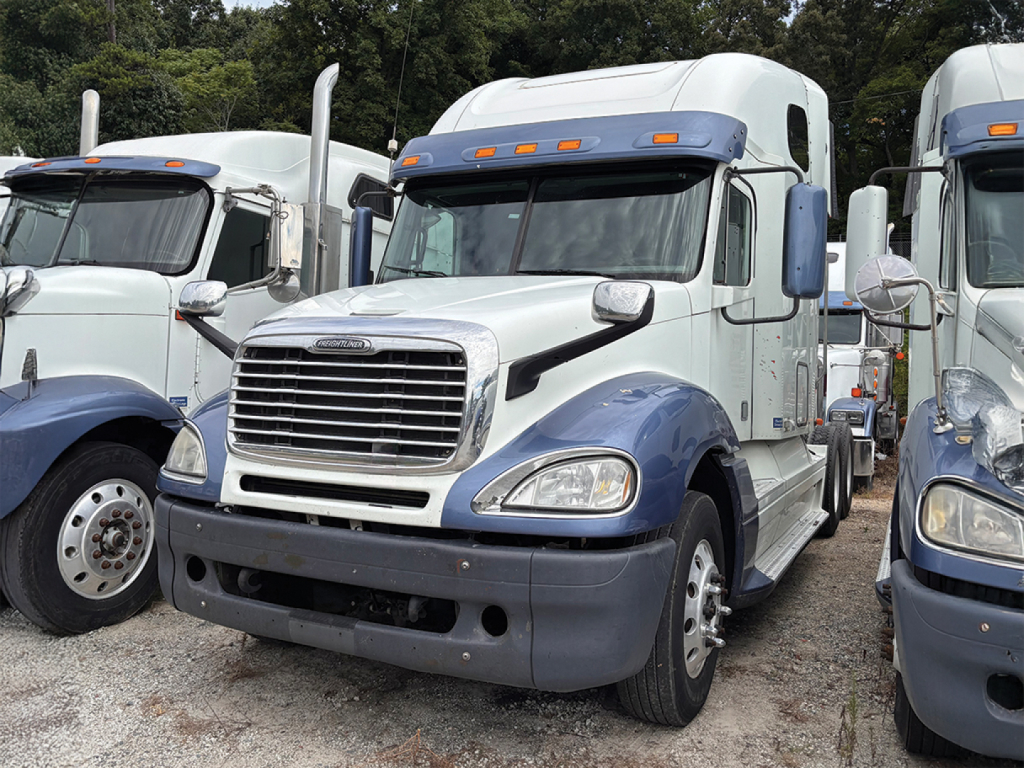
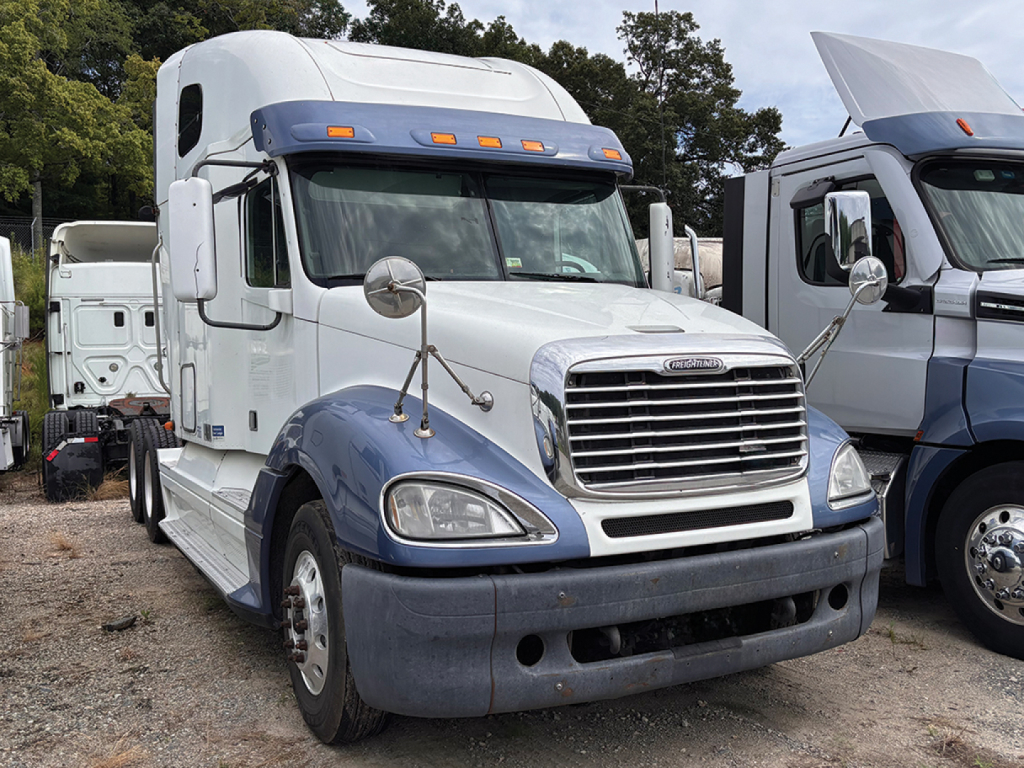
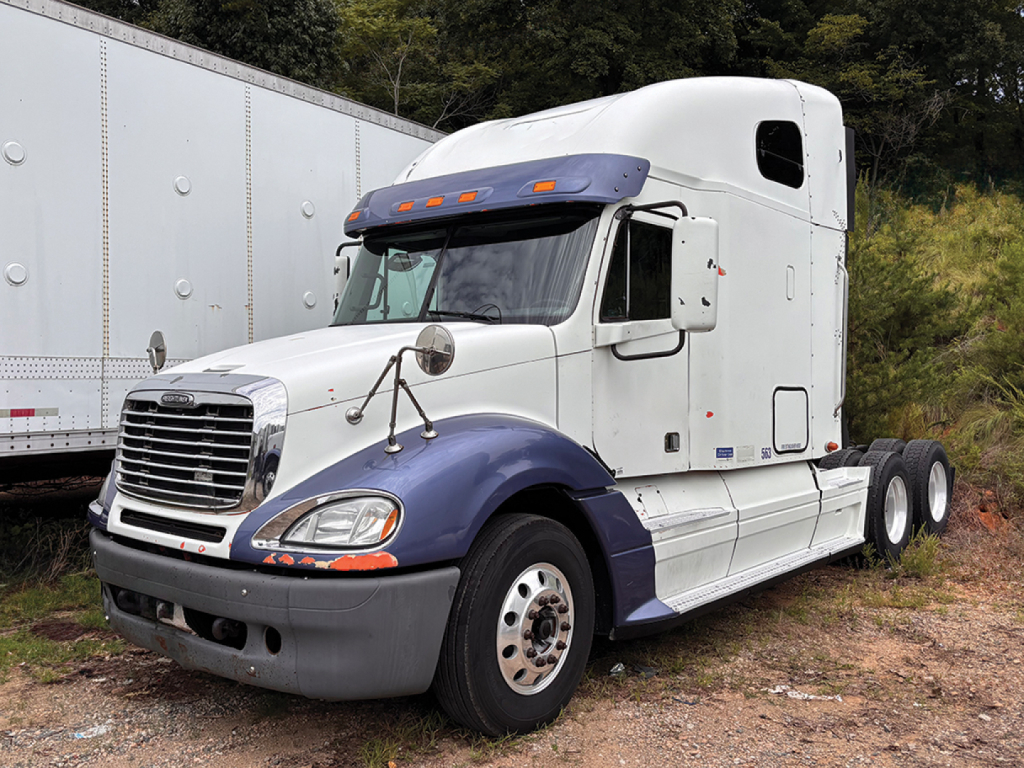
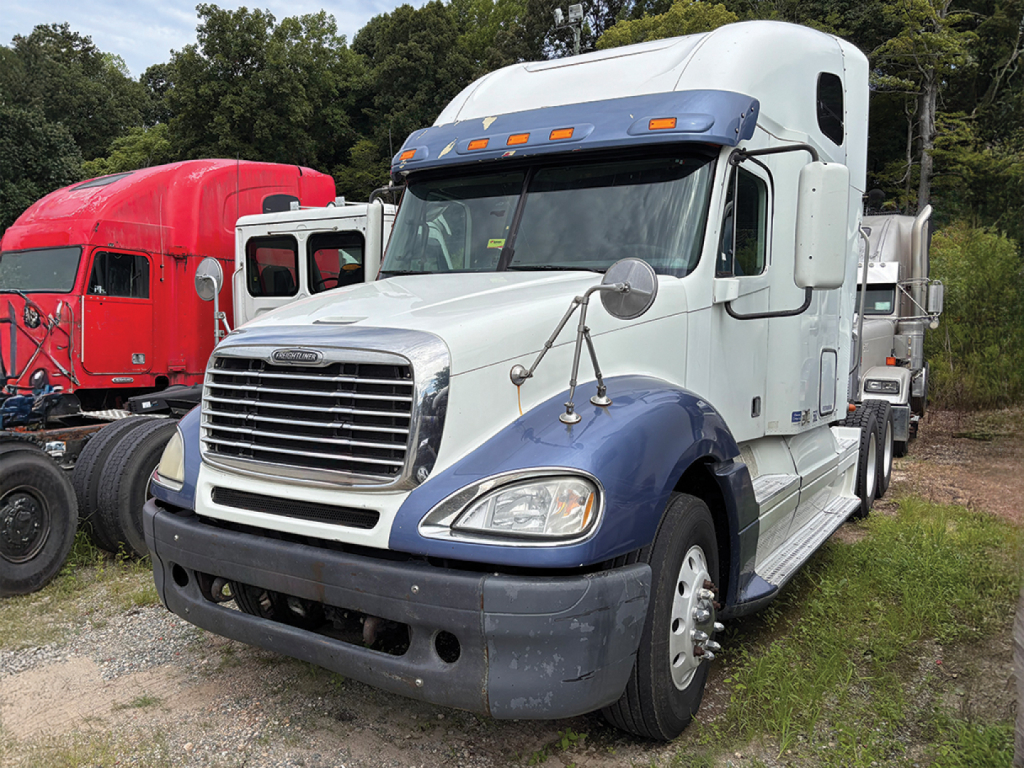
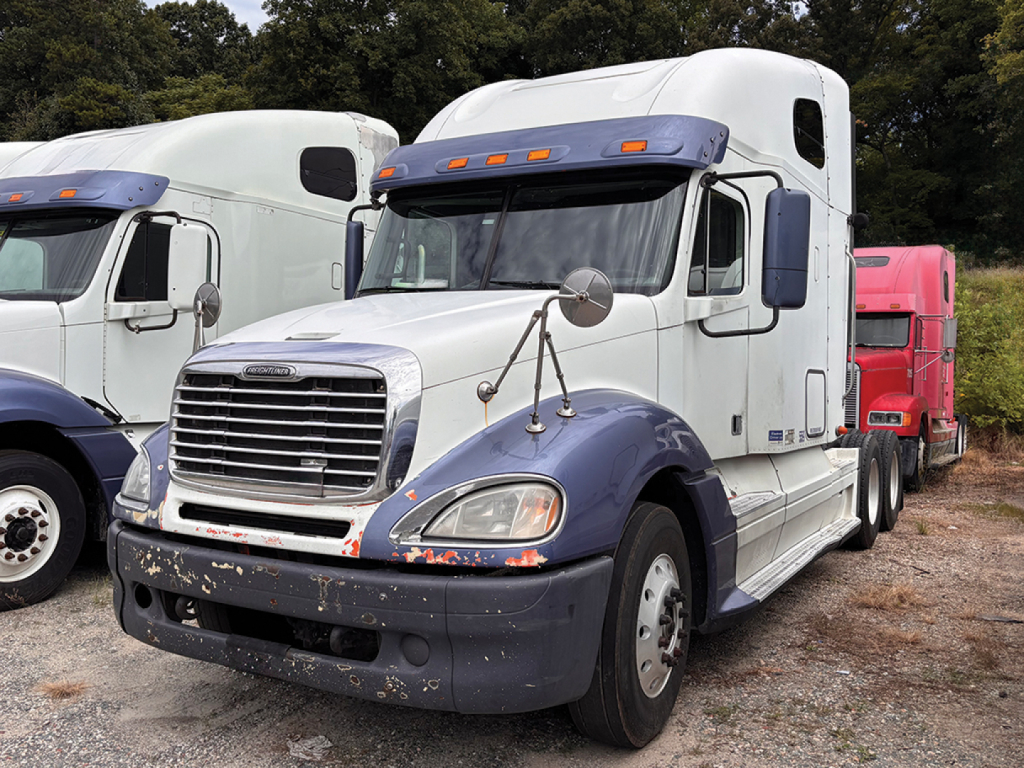
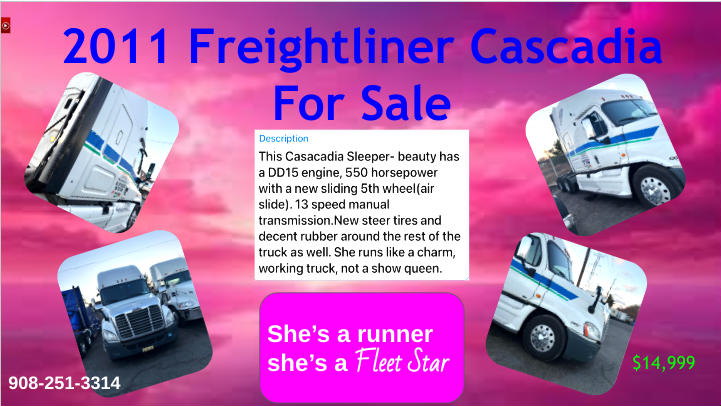

Have 2011 freightliner conventional sleeper truck to sell? List it here to reach thousands of buyers.
2011 Freightliner Conventional Sleeper Trucks
On a 2011 Freightliner sleeper, drivetrain and axle spec matter more than badges. Buyers should expect to see Detroit DD15, Detroit Series 60 in some glider or repower applications, and occasionally Cummins power depending on original spec. Transmissions can range from Fuller 10-speed and 13-speed manuals to automated manual setups in fleet-configured Cascadias. Rear axle ratings are commonly around 40,000 lb with ratios such as 3.42 or similar highway gearing, and suspension choices often include Freightliner AirLiner. Sleeper sizes vary by application, with 60-inch to 70-inch raised-roof sleepers being common on over-the-road units. Wheelbase, fifth wheel slider position, and fuel capacity should be matched to the lanes you run, especially if the truck will handle a mix of van, reefer, or flatbed work.
A buyer comparing 2011 Freightliner conventional sleeper trucks should pay close attention to emissions system history and overall operating condition. This year falls into the EPA 2010 era, so DEF-equipped trucks are common, and service records for the aftertreatment system can be as important as engine hours or odometer readings. Look at DPF service intervals, injector history, one-box or SCR repairs, and signs of excessive idle time. In the cab, check bunk HVAC performance, inverter setup, APU integration if equipped, and the condition of common wear points such as seats, steering wheel controls, bunk latches, and fairings. Chassis details also matter. Frame condition, air slide fifth wheel function, tire size, wheel type, and front axle capacity can tell you a lot about how the truck was spec'd and how hard it has been worked.
For highway freight, team service, and regional overnight routes, a 2011 Freightliner conventional sleeper can still be a practical tractor if the spec matches the job and the maintenance file is solid. Aerodynamic fleet trucks tend to make sense for dry van and reefer operations where fuel economy and easy parts access drive the decision. Longer wheelbase or more heavily optioned trucks may fit specialized lanes or owner-operator preferences better. The best buy in this category is usually the one with a clear engine and emissions story, a sleeper size that fits the route, and a rear axle and transmission combination that supports your freight, terrain, and cruising speed.
Frequently Asked Questions about 2011 Freightliner Conventional Sleeper Trucks
What engines are common in a 2011 Freightliner conventional sleeper truck?
The most common engine in a 2011 Freightliner conventional sleeper is the Detroit DD15, especially in Cascadia highway tractors. Some trucks may have Cummins engines depending on original fleet spec, and certain Coronado or glider-style units may show up with Detroit Series 60 power. The engine choice affects fuel economy, emissions service requirements, and parts strategy, so buyers should verify the exact engine family, horsepower rating, and repair history rather than assuming all 2011 Freightliners are spec'd the same.
Is a 2011 Freightliner sleeper truck a DEF truck?
In many cases, yes. A 2011 Freightliner conventional sleeper typically falls into the EPA 2010 emissions period, so DEF and SCR systems are common. That makes aftertreatment condition a major buying point. Buyers should confirm whether the truck has DEF, review any DPF cleaning or SCR repairs, and check for fault history related to sensors, dosers, and emissions derates. A lower purchase price can disappear quickly if the truck needs deferred emissions work.
What sleeper sizes are typical on a 2011 Freightliner Cascadia or Coronado?
Many 2011 Freightliner sleeper tractors are equipped with raised-roof sleepers in the 60-inch to 70-inch range, although exact dimensions vary by model and spec. A 60-inch sleeper is common for solo over-the-road use, while larger sleepers are often preferred for team operations or drivers who spend extended time on the road. Buyers should evaluate not just sleeper length, but also storage layout, bunk configuration, HVAC performance, and any idle-reduction equipment such as an APU or bunk heater.
What should I inspect first on a used 2011 Freightliner conventional sleeper?
Start with the engine, emissions system, transmission, and rear axle spec because those components determine operating cost and job fit. Then inspect the frame, suspension, tires, wheel ends, and fifth wheel assembly. In the cab and sleeper, look for signs of hard use, electrical add-ons, HVAC issues, and water intrusion. Maintenance records are especially important on a 2011 model year truck because repair history often tells you more than appearance, particularly on DEF-era engines and aftertreatment systems.
Is a 2011 Freightliner conventional sleeper good for long-haul freight?
It can be, provided the truck was maintained correctly and the spec matches the application. A 2011 Freightliner sleeper is still a viable choice for dry van, reefer, and general highway freight if it has the right horsepower, axle ratio, sleeper configuration, and service history. Fuel economy, driver comfort, and parts availability remain strong points for Freightliner, but buyers should be realistic about age-related wear, emissions-related repairs, and the cost of bringing an older tractor up to a dependable operating standard.