
Used 1998 Ford Commercial Trucks For Sale
Browse used 1998 Ford trucks including pickup, chassis cab, medium-duty, and specialty configurations built for work, towing, and fleet use.
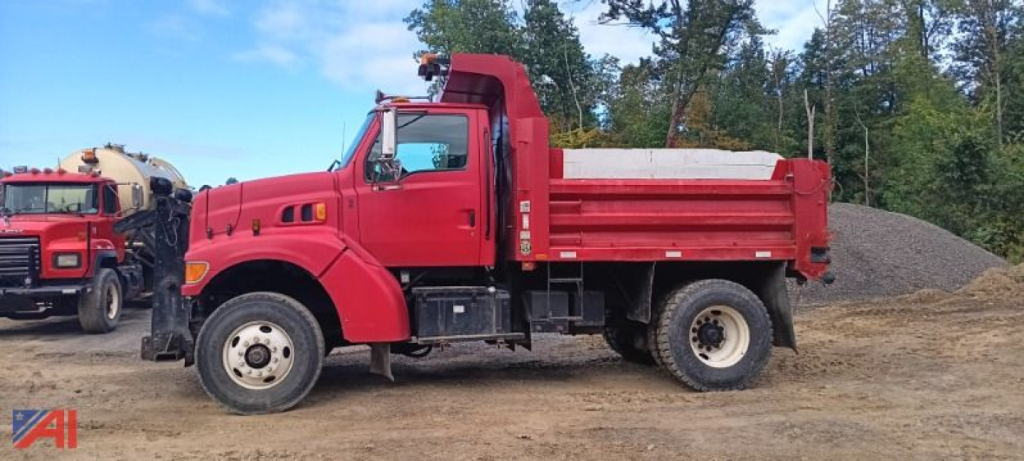
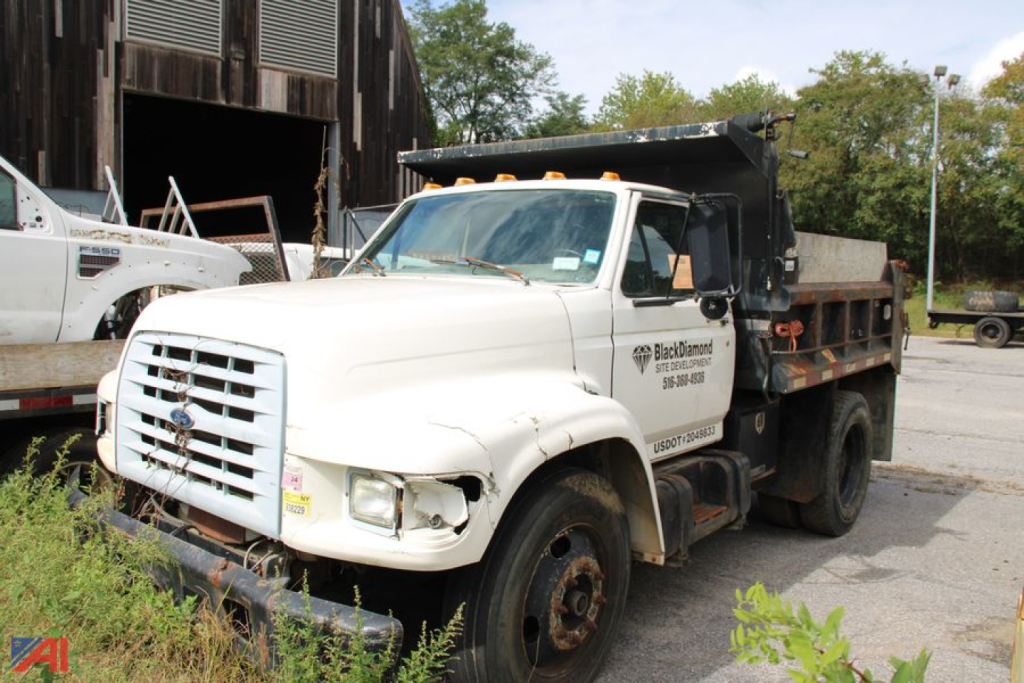
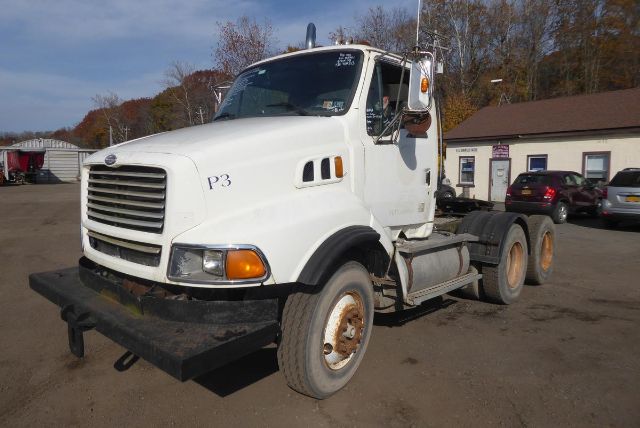
Looking for the easiest place to sell your used 1998 ford commercial truck? List it here to reach thousands of buyers.
Used 1998 Ford Commercial Trucks
Powertrain and axle specs are where older Ford trucks separate quickly in value and usability. Common gas engines from this era include the Triton V8 and V10 family, while diesel-equipped trucks may carry the 7.3L Power Stroke in certain models, which remains a major draw for buyers who want proven torque and easier parts support. Transmission type, rear axle ratio, 4x2 versus 4x4, and GVWR should be verified against the actual job the truck will do. On a 1998 truck, service history is important, but so are frame condition, cab mounts, spring packs, steering wear, brake system condition, and evidence of electrical repairs or aftermarket wiring tied to plows, liftgates, strobes, compressors, or PTO-driven equipment.
For commercial use, the appeal of a 1998 Ford truck is usually simplicity. These trucks predate a lot of later emissions complexity and can be easier for an in-house shop to maintain, especially in seasonal or lower-mileage applications. That said, age brings its own inspection checklist. Rust on cab corners, rocker panels, beds, crossmembers, and brake lines is common in northern markets. Buyers should also inspect front end components, driveline vibration, transfer case operation on 4x4 units, and the condition of any vocational body, hoist, wheel-lift, utility compartments, or hydraulic system. If the truck has been repowered, rebuilt, or converted for a specific trade, the quality of that work matters more than the odometer alone.
A 1998 Ford truck makes the most sense for buyers who need a lower-cost work platform, a farm or ranch truck, a backup fleet unit, or a chassis for a niche body application. Matching wheelbase, cab configuration, and axle capacity to the intended body is critical, especially on chassis cab and medium-duty units. Buyers comparing listings should look beyond cosmetic cleanup and focus on how the truck is equipped today: engine, transmission, PTO capability, hitch setup, bed or body condition, tire date codes, and whether the truck is ready for road use or better suited for yard, seasonal, or off-highway service.
Frequently Asked Questions about Used 1998 Ford Commercial Trucks
What should I check first on a used 1998 Ford truck?
Start with the truck’s GVWR, engine, transmission, axle ratio, drivetrain, and current body configuration. After that, inspect frame rust, brake lines, steering and suspension wear, tires, and any vocational equipment such as dump hoists, utility bodies, plows, or towing gear. On a truck this age, condition and maintenance history usually matter more than mileage alone.
Is the 7.3L Power Stroke a common reason buyers look for a 1998 Ford truck?
Yes. Many buyers target 1998 Ford trucks because certain models were equipped with the 7.3L Power Stroke diesel, which is well known for durability, strong low-end torque, and broad parts availability. It is still important to confirm the exact engine in the listing, because not every 1998 Ford truck was diesel, and gas engines from that era can also be a good fit depending on payload, annual mileage, and maintenance budget.
Are 1998 Ford trucks good for commercial work today?
They can be, if the truck is correctly spec’d and mechanically sound. A 1998 Ford truck often works well in farm, municipal, landscaping, snow removal, towing, or backup fleet roles where lower acquisition cost matters. Buyers should be realistic about age-related repairs, downtime risk, and the condition of hydraulics, wiring, and safety systems before putting one into daily revenue service.
How do I choose between a pickup and a chassis cab 1998 Ford truck?
Choose a pickup if the truck will stay in general hauling, light towing, or mixed personal and work use. Choose a chassis cab if the application requires a dump body, flatbed, utility body, service body, tow equipment, or other dedicated upfit. Wheelbase, CA dimension, rear axle capacity, and PTO compatibility are key points when evaluating a chassis cab for body work.
Does mileage matter on a used 1998 Ford truck?
Mileage matters, but on a truck from 1998 it should be weighed against total condition, maintenance quality, and application history. A higher-mile truck with documented repairs, a solid frame, and a well-maintained driveline can be a better purchase than a lower-mile unit with rust, long idle hours, neglected fluids, or worn vocational equipment. The best listings usually show how the truck was used, stored, and serviced over time.