
New Ford Commercial Trucks For Sale in Missouri
New Ford commercial trucks in Missouri: Super Duty pickups and chassis cabs to F-650/F-750. Compare engines, GVWR, towing, and upfit options.
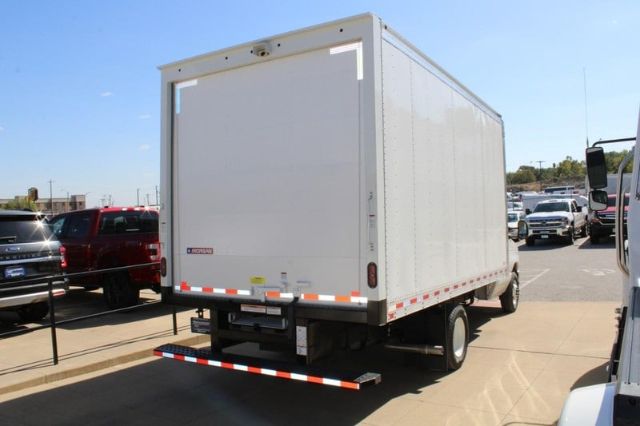
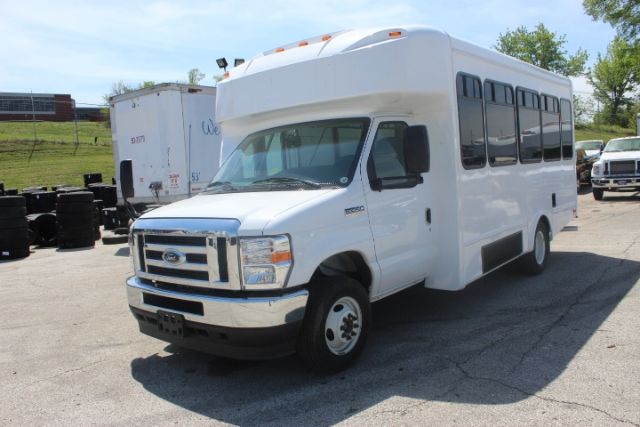
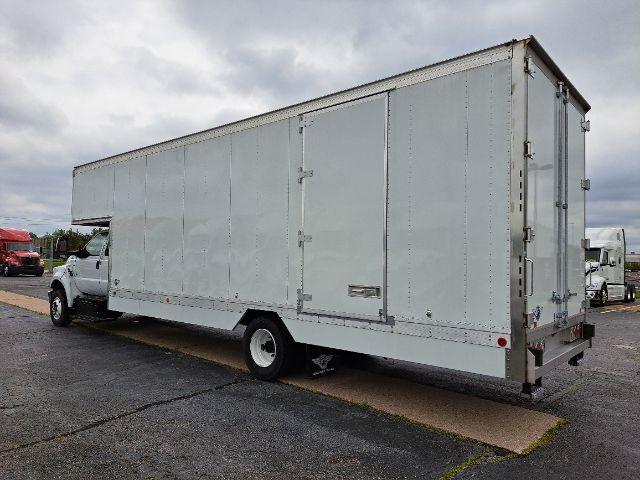
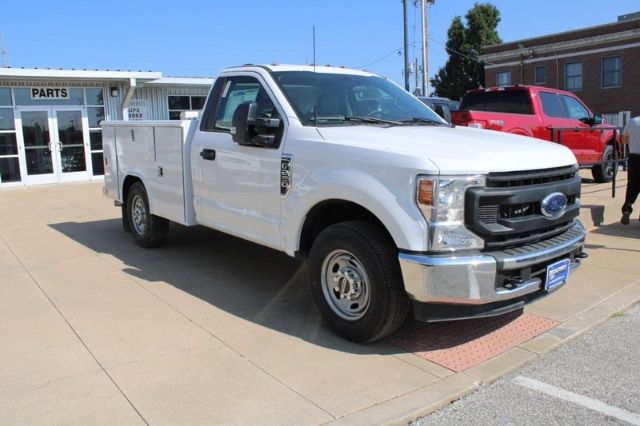
Selling a new ford commercial truck? List your new ford commercial truck for sale and reach thousands of commercial buyers.
New Ford Commercial Trucks in Missouri
Body style and frame geometry drive upfit success. Regular, SuperCab, and Crew Cab configurations pair with multiple wheelbases to hit the right CA and axle spread for flatbeds, dumps, service bodies, utility cranes, and van bodies. Super Duty chassis-cabs from F-350 to F-600 cover Class 3 through 6, with F-600 pushing GVWR up to 22,000 pounds for customers that need Class 6 capability without the size of a conventional medium-duty. F-650 and F-750 move into true medium-duty territory with straight, high-strength steel frame rails, clean top-of-frame, and common 34-inch rail spacing. Order heavy front axle, multi-leaf or air-ride rear suspensions, and appropriate brake packages based on body and payload. In-cab upfitter switches, the Upfitter Interface Module, and programmable AUX logic simplify wiring and body integration.
Towing and traction choices matter in mixed Missouri routes from Kansas City intermodal yards to farm roads and river bottoms. Select axle ratios to match trailer weights and cruise speeds, pair integrated trailer brake controllers with Tow/Haul and diesel exhaust braking, and consider 4x4 on Super Duty for jobsites and winter response. Locking rear differentials, snowplow prep with higher GAWR front springs, high-capacity cooling, and 200-amp-plus charging systems help fleets that run PTOs, plows, or liftgates. Safety and driver-assist tech like Co-Pilot360, blind spot coverage for trailers, 360-degree cameras, and upfit-friendly mirror packages reduce incidents around job sites and tight urban docks in St. Louis and Springfield.
Cost of ownership factors tip the balance. Gas saves on purchase price and avoids DEF and regenerations, while diesel typically wins on fuel economy, GCWR, and resale for heavy haulers. Plan for service intervals that align with duty cycle and idle time. Factory modem connectivity enables Ford Pro telematics for location, DTCs, driver behavior, and idle reporting, helping fleets manage fuel and uptime. Verify Missouri weight compliance by specing the right GVWR and axle ratings to stay inside bridge and axle limits, and match CDL requirements when GCWR exceeds 26,000 pounds. With the right engine, gearing, frame, and upfit, a new Ford truck can be tailored to construction, utility, municipal, ag, towing, and box delivery work across the state.
Frequently Asked Questions about New Ford Commercial Trucks in Missouri
Should I choose the 7.3L gas V8 or the 6.7L Power Stroke diesel for my operation in Missouri?
Pick based on load, miles, and idle time. The 7.3L gas V8 is cost-effective for stop-and-go routes, high idle PTO work, and plow or service applications, with simpler emissions hardware and quick warm-up in winter. The 6.7L diesel excels for long highway pulls, steep grades in the Ozarks, and heavy trailers where engine braking, higher GCWR, and fuel efficiency pay off. Total cost of ownership often favors gas for light to medium duty cycles and diesel for sustained heavy towing.
What GVWR range and model should I consider for my body and payload?
Match body and cargo weight to axle ratings and frame. Super Duty chassis cabs from F-350 to F-600 span roughly Class 3 through 6, with F-600 offering up to 22,000-pound GVWR for heavier service bodies and small dumps. F-650 and F-750 step into medium duty with higher axle options, longer wheelbases, and straight frame rails for larger van bodies, rollbacks, and multi-axle dumps. Confirm CA and wheelbase to fit the body, and reserve enough front GAWR for plows or cranes.
Do I need a CDL to drive a new Ford truck in Missouri?
A CDL is generally required when the truck or combination has a GVWR or GCWR of 26,001 pounds or more, or when towing a trailer rated over 10,000 pounds for Class A. Many Super Duty configurations fall below that threshold, while certain F-600, F-650, and F-750 specs will exceed it. Requirements vary by operation and endorsements, so verify with the Missouri Department of Revenue before you finalize your build.
How well do Ford chassis cabs integrate with common upfits like dumps, service bodies, or box vans?
Ford designs chassis cabs with clean top-of-frame rails, common 34-inch rail spacing, body builder wiring, and programmable upfitter switches to streamline installation. The Upfitter Interface Module and PTO provisions support cranes, compressors, plows, and hydraulic equipment. Correct CA, wheelbase, and rear overhang are critical, so coordinate with your body builder early to lock in mounting points, fuel tank placement, and exhaust routing.
What options improve winter performance and off-pavement traction in Missouri?
Specify 4x4 on Super Duty where jobsites, rural routes, or plowing require it. Add snowplow prep with higher front springs, heated mirrors, engine block heater, and all-terrain tires. A locking rear differential or limited slip improves traction on gravel and ice. For diesel trucks, use cold-weather fuel strategies and consider remote start and supplemental cab heat to reduce idle time while maintaining operator comfort.