
Ford Trucks For Sale in Georgia
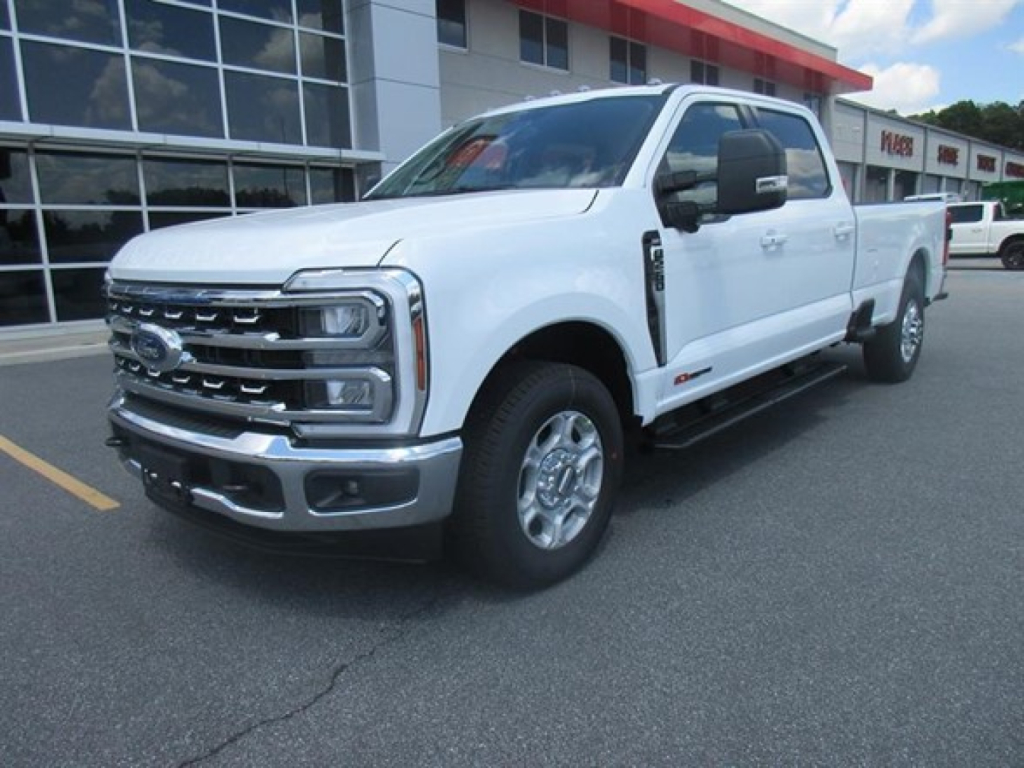
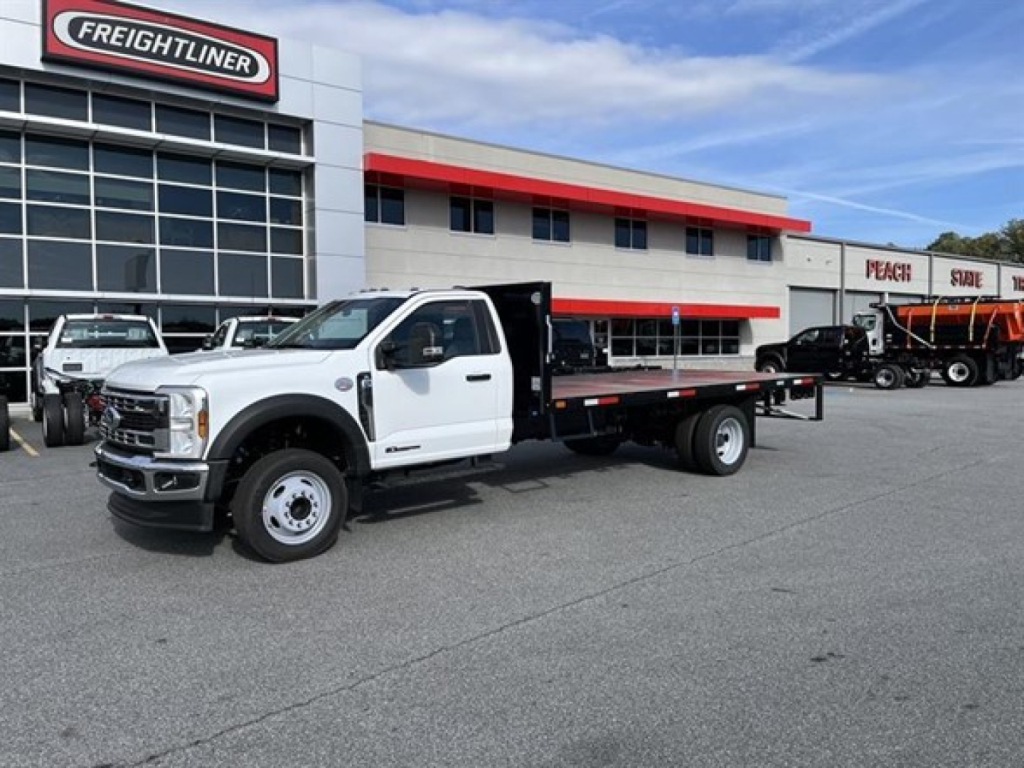
Shop Ford commercial trucks in Georgia, from F-350 to F-750s. Compare powertrains, payloads, body specs, floor strength, thermal integrity, corrosion.
Learn more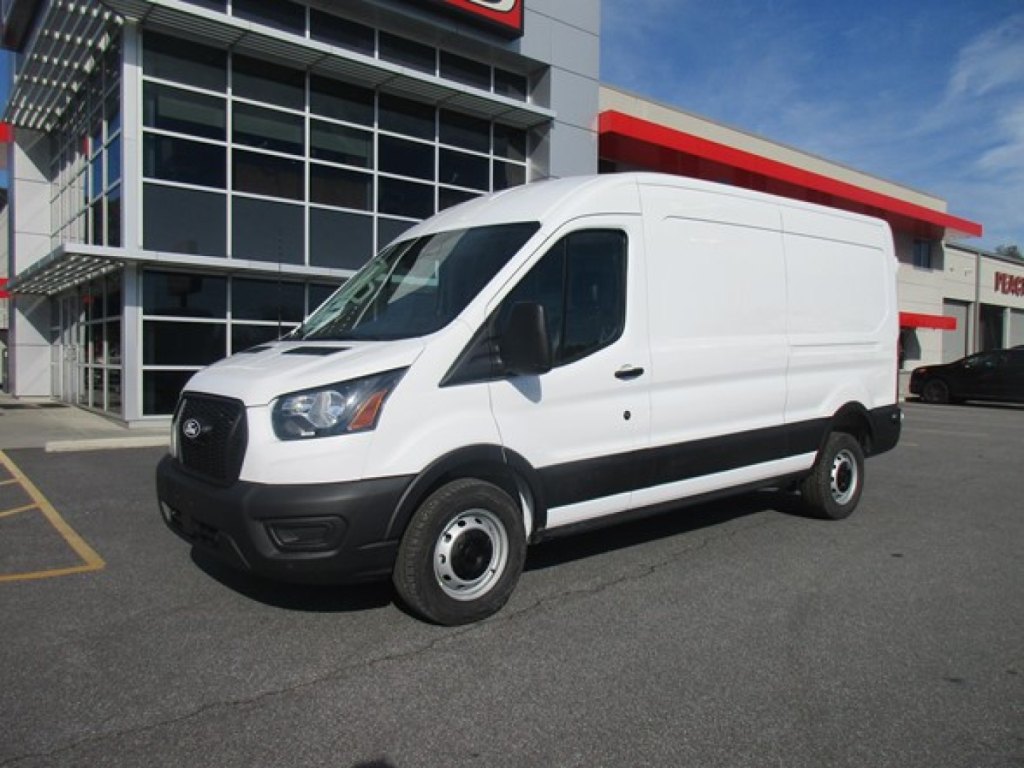
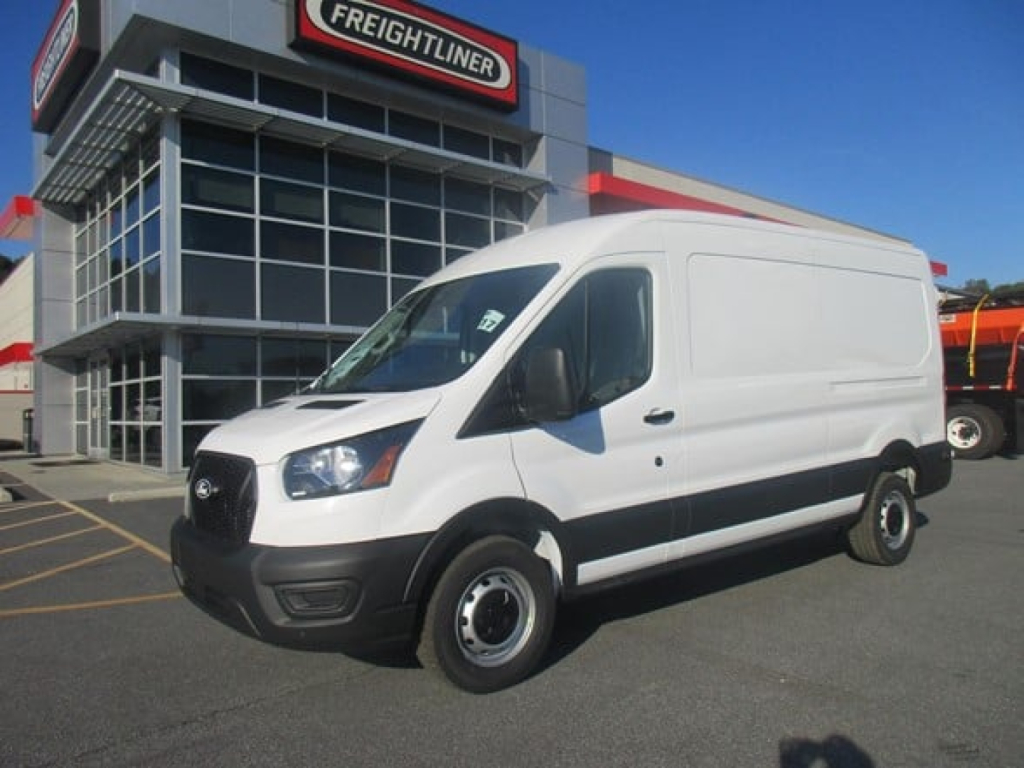
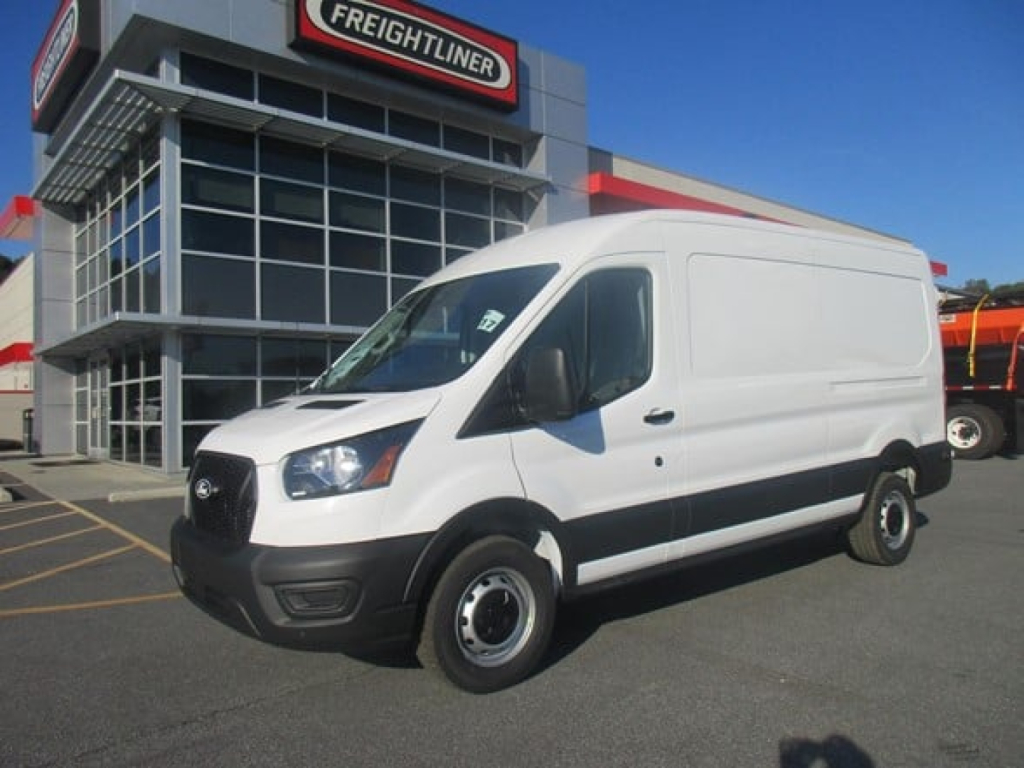
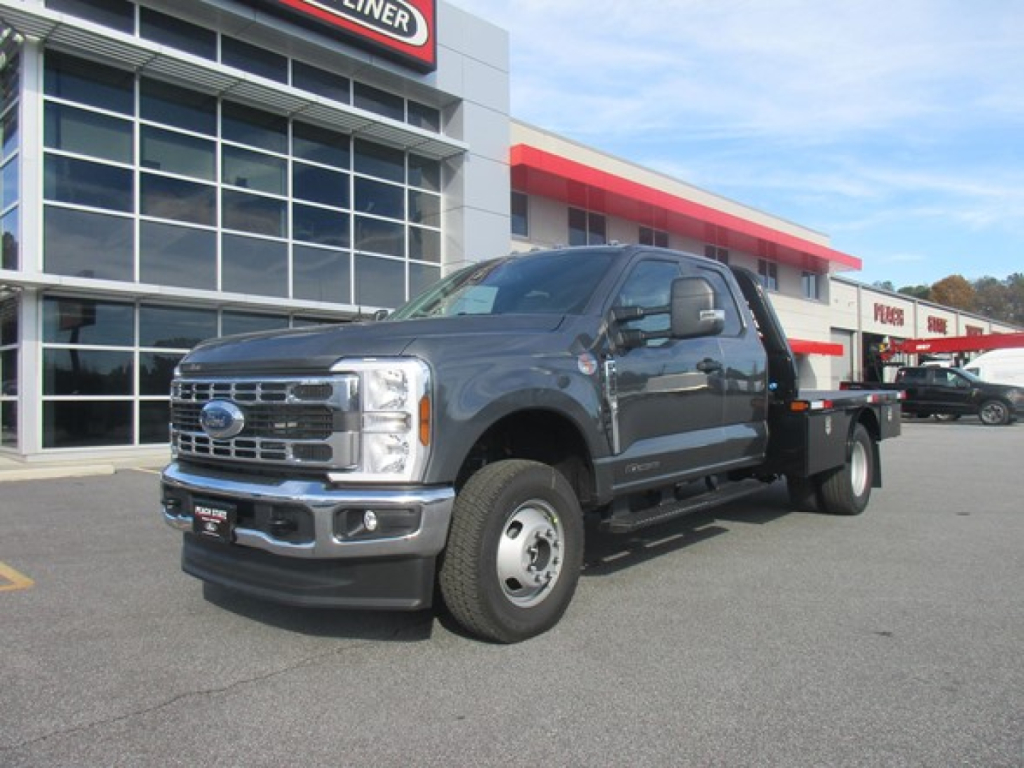

Showing 13 to 19 of 19 results
Have ford truck to sell? List it here to reach thousands of buyers.
About Ford Trucks in Georgia
Chassis fundamentals drive uptime. Straight, clean top of frame rails in the 34 inch industry width simplify upfitting, while high RBM frame sections resist twist under forklifts at the dock. Axle ratios can be set for startability on hilly north Georgia streets or lower cruise rpm between Savannah and Macon. Hydraulic brakes are typical on lighter GVWR units, air brakes and air ride are available on many F-650 and F-750 builds for better heat management and ride quality. Factory dual alternators, idle management, and PTO calibrations support liftgates, reefers, and hydraulic equipment.
When you are comparing Ford based box trucks and reefers, evaluate the body as closely as the chassis. Floor strength matters, look for laminated hardwood or composite floors that are forklift rated, heavy duty crossmember spacing, and scuff liners that keep pallet impacts off the walls. For refrigerated bodies, thermal integrity in Georgia heat depends on foam in place polyurethane insulation, sealed seams, thermal breaks around door frames, and tight rear door gaskets. Correct BTU capacity, optional electric standby, and white gelcoat roofs help hold temperature on 100 degree days without overworking the unit.
Tare weight has a direct impact on payload and braking temps, aluminum bodies, aluminum wheels, and composite liftgate platforms trim hundreds of pounds compared to all steel builds, but steel can be preferred for severe duty with frequent forklift traffic. Corrosion resistance is strong on modern Ford chassis with e coated frames and sealed harnesses, and you can extend that life with stainless hardware, galvanized subframes under the body, and regular underbody wash, especially for coastal routes near Savannah where salt air and port operations add exposure. Telematics, upfitter interface modules, advanced driver assist features, and factory 4x2 or 4x4 options round out a Georgia spec that keeps drivers productive and safe.
Frequently Asked Questions
Which Ford truck models and GVWRs fit common Georgia delivery and vocational work?
For light to medium commercial work, F-350 and F-450 chassis cabs handle service bodies, small flatbeds, and tow setups. F-550 expands payload and wheelbase choices for 12 to 18 foot bodies. F-650 typically covers 20,500 to 29,000 GVWR with wheelbases suited to 16 to 24 foot van or reefer bodies, while F-750 can be spec’d to the high 30,000s for heavier liftgates, 24 to 26 foot boxes, and bulk loads. Turning circles remain tight enough for metro Atlanta, and longer wheelbases ride well on I-75 and I-16 corridors.
Should I choose gas or diesel for Georgia routes that mix city and highway miles?
Gas engines like the 7.3L V8 lower acquisition cost and simplify emissions hardware, which is attractive for shorthaul fleets with frequent starts and limited annual miles. Diesel delivers superior torque and fuel efficiency on heavier GVWR trucks, better gradeability in north Georgia, and longer range between fills on I-95 or I-20 runs, but adds DEF, aftertreatment, and regen management. For PTO heavy use such as reefers or hydraulics, factor idle time and consider high output alternators and idle controls regardless of fuel type.
How should I spec a box or reefer body for floor strength and thermal integrity in Georgia heat?
For dry freight, select laminated hardwood or heavy composite floors that are forklift rated, with close crossmember spacing, aluminum or steel threshold plates, and full height scuff liners to protect walls from pallet abrasion. For reefers, focus on foam in place polyurethane insulation with consistent thickness, sealed seams, thermal breaks around doors, and high quality rear door gaskets. Size the refrigeration unit for peak ambient temperatures and door open time, choose a white or reflective roof, and consider electric standby to reduce engine hours at docks.
How can I reduce tare weight without sacrificing durability or payload capability?
Target large weight savers first, aluminum van bodies, aluminum wheels, and lighter liftgate platforms can remove several hundred pounds, which converts directly to payload or lower brake temperatures on descents. Use composite or galvanized subframes where appropriate and keep wheelbase only as long as the body requires to avoid unnecessary frame weight. Balance materials with duty cycle, steel floors and closer crossmember spacing may be justified for frequent forklift traffic, while regional parcel or foodservice fleets often benefit from aluminum and composite specs.
What corrosion protection steps make sense for Georgia, including coastal routes near Savannah?
Modern Ford chassis arrive with e coated frames and sealed electrical connectors, which are a solid foundation. For added protection in humid and coastal areas, add stainless fasteners, galvanized or epoxy coated body subframes, undercoat exposed steel, and use aluminum wheels and fuel tanks with proper galvanic isolation. Rinse undercarriages frequently, especially after port work or travel on salted bridges, and inspect door seals and caulking on van and reefer bodies to keep moisture out of insulation and subfloor structures.