
2011 Ford Trucks For Sale
Evaluate 2011 Ford trucks for sale, from Super Duty to chassis cabs, with expert guidance on powertrains, floor strength, tare weight, and corrosion.
Learn more
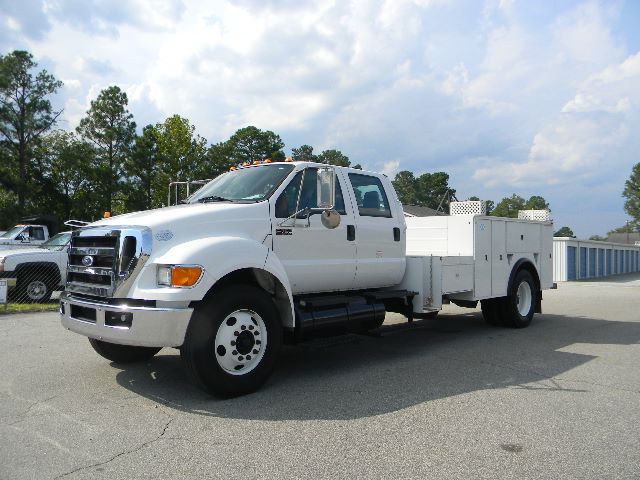
Showing 37 to 41 of 41 results
Have 2011 ford truck to sell? List it here to reach thousands of buyers.
About 2011 Ford Trucks
Body and bed construction drive durability and resale. On box and reefer bodies, inspect floor strength by plank material and crossmember spacing, 12 inch spacing with hardwood or laminated plank handles pallet jacks and forklifts better than wide spacing or thin composites. Scuff liners, E track, and full length threshold plates protect sidewalls and door sills. For dumps and stake bodies, 10 to 3 16 inch steel floors with tight cross sills resist denting under aggregate and equipment, aluminum beds save weight but can show localized wear under skids. If insulated, check thermal integrity by door seals, hinge alignment, bulkhead condition, and documented R value, air leaks shorten refrigeration cycles and raise fuel burn.
Tare weight is the silent limiter of payload. Cab style, 4x4, wheelbase, fuel tank size, liftgates, cranes, and steel versus aluminum bodies can swing curb weight by 1,000 to 2,000 pounds on Super Duty chassis cabs, more on medium duty. Match tare to GVWR so you keep axle reserve, especially on the front axle with snowplows or compressors. Choose axle ratios for duty cycle, 3.55 to 3.73 favors highway fuel economy with lighter loads, 4.30 or deeper supports heavy PTO work, frequent stops, or grades. Tire spec matters, 17 inch or 18 inch LT on pickups versus 19.5 inch commercial on F 450 to F 550 change load index, ride, and brake cooling.
Corrosion resistance depends on region and upfit quality. 2011 steel cabs and frames can show rust at cab corners, bed cross sills, spring hangers, and brake lines in salt states, look for scale, soft spots, and flaking near body mounts. Aluminum service bodies resist rust but need isolators and stainless fasteners to avoid galvanic corrosion with the frame. On diesels, inspect aftertreatment, DPF and SCR systems add heat and plumbing, confirm DEF heater operation, NOx sensors, and that regen history is clean. Early 6.7L units benefit from updated turbo hardware and cooling hoses, regular fuel filter changes keep the high pressure system healthy. A methodical inspection of frame rails, electrical connectors at the rear frame, and PTO provisions will tell you how the truck will hold up in your cycle and what it will cost to keep on the road.
Frequently Asked Questions
Which 2011 Ford Super Duty engine is the better choice, the 6.7L Power Stroke diesel or the 6.2L gas V8?
Choose by duty cycle and annual miles. The 6.7L diesel offers higher torque, lower rpm pulling, integrated exhaust brake, and better fuel economy under heavy loads or long highway routes, it adds DEF, DPF, and more complex emissions hardware. The 6.2L gas V8 is simpler, cheaper to buy, and can be lower cost per mile in short haul, seasonal, or low annual mileage operations where diesel efficiency does not offset DEF and filter service. Both pair well with the 6R140 TorqShift, verify gear ratio and axle ratings for your trailer and terrain.
What should I look for in floor strength on a 2011 Ford chassis with a box, stake, or dump body?
Check floor material and crossmember spacing first. For box bodies, hardwood or laminated plank with 12 inch crossmembers handles forklifts and pallet jacks better than thinner composite on wider spacing, add scuff liners and threshold plates for impact zones. For stake and flatbeds, look for 3 16 inch steel or heavy diamond plate with tight cross sills and protected tie downs. On dumps, a 10 to 3 16 inch steel floor with well braced cross sills resists denting, while aluminum saves weight but needs wear plates where equipment lands. Examine fasteners, welds, and any soft or oil soaked sections.
How does tare weight vary on 2011 Ford trucks and how does it affect payload?
Tare weight swings with cab configuration, driveline, and body. A crew cab 4x4 with a steel service body, tool drawers, and a liftgate can add 1,500 pounds or more over a regular cab 4x2 with an aluminum flatbed, reducing payload and front axle reserve. Medium duty units with 22.5 inch wheels, larger fuel tanks, and heavy liftgates add even more. Always weigh the truck as configured, then compare to the door sticker GVWR and axle ratings to confirm that actual payload and axle reserves meet your route and cargo profile.
Are 2011 Ford diesels equipped with DEF and what maintenance is involved?
Yes, 2011 marks the use of SCR with DEF on Super Duty 6.7L diesels, along with a DPF. Maintenance includes regular DEF top offs, ensuring heaters and level sensors work, timely fuel and oil filter changes, and watching DPF soot load and regen frequency. Inspect for stored codes related to NOx sensors or reductant quality, verify there are no exhaust leaks upstream of sensors, and confirm the truck reaches proper operating temperature to complete passive or active regens on route.
What axle ratio should I choose on a 2011 Ford Super Duty for towing and fuel economy?
Balance load and speed. For mixed highway towing with moderate GCW, 3.55 or 3.73 keeps rpm and fuel burn down while maintaining adequate startability. For heavy PTO use, frequent stops, grades, or high GCW trailers, 4.10 to 4.30 provides better launch and gradeability at the cost of higher cruise rpm. Pair the ratio with tire size and the engine’s torque curve, then confirm the combination meets Ford’s published GCWR for your intended trailer weight.