
2011 Ford Service/Utility Trucks For Sale
Shop 2011 Ford service and utility trucks. Compare Super Duty and medium-duty work truck specs, body setups, PTO options, and upfitter features.
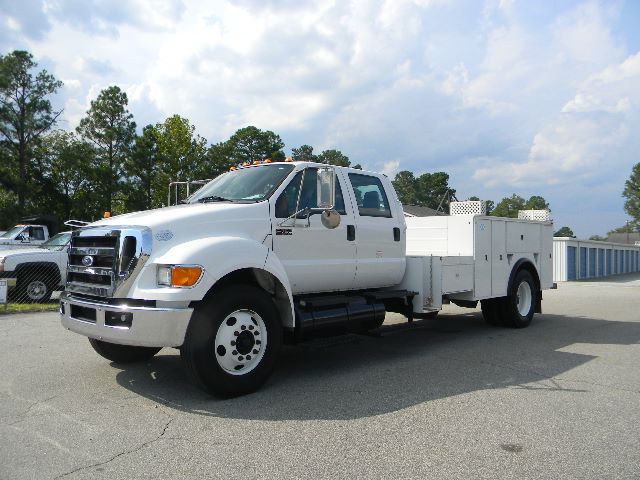
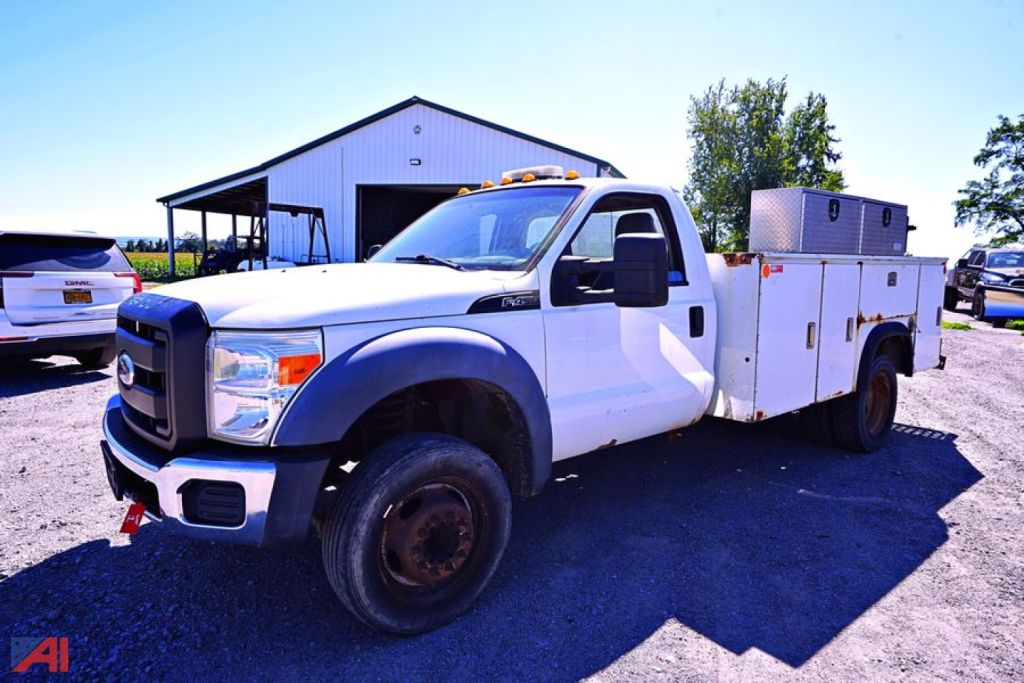
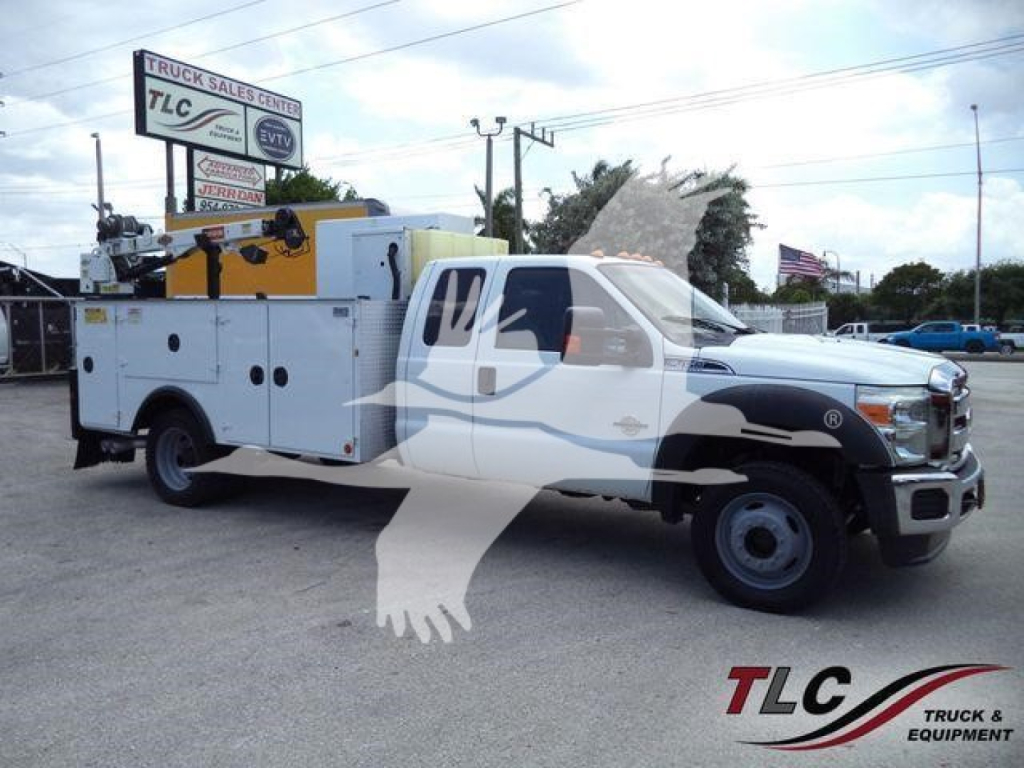
Selling a 2011 ford service/utility truck? List your 2011 ford service/utility truck for sale and reach thousands of commercial buyers.
2011 Ford Service/Utility Trucks
For 2011 Ford service and utility trucks, engine choice matters because it affects maintenance planning, cold weather performance, and jobsite suitability. Common gas options include the 6.2L V8 on many Super Duty trucks and the 6.8L V10 on some heavier applications. Diesel buyers will often look for the 6.7L Power Stroke in pickup-based Super Duty models, while medium-duty F-650 and F-750 trucks from this period may be equipped with the Cummins ISB. Transmission, GVWR, rear axle ratio, and 4x2 versus 4x4 all change how useful the truck is once the utility body, tools, fluids, and personnel are added. A service body that looks clean but sits on an underspec'd chassis can become a problem fast when bins fill up and tongue weight is added.
The upfit deserves a close inspection because that is where most of the value sits. Buyers should look at compartment depth, door seals, latch condition, shelving layout, and whether the body is steel or aluminum. If the truck has a crane, check rated capacity, boom reach, outrigger design, remote operation, and hour meter readings if available. If it has a compressor, generator, inverter, reel carrier, or fuel tank with pump, confirm how the system is powered and whether there is a usable PTO or standalone engine-driven setup. Service trucks in this class are also commonly known as utility trucks, mechanic trucks, crane service trucks, or field service trucks, and each setup is tailored to a different trade such as telecom, electric utility, municipal fleet, mobile repair, or construction support.
Cab configuration and operating environment should drive the final choice. A regular cab can maximize body length on a shorter wheelbase, while a crew cab is better when the truck carries a full crew but usually shortens available body space. In northern climates, buyers often pay closer attention to frame corrosion, body mount condition, rust at compartment floors, and the condition of wiring for beacons, strobes, and work lights. For city and utility fleet work, maneuverability, backup visibility, and idle time history matter. For off-pavement use, ground clearance, locking or limited-slip rear axle setup, tire selection, and front axle capacity matter more. The best 2011 Ford utility truck is not simply the one with the biggest body or crane. It is the one whose chassis ratings, upfit design, and service history match the actual work cycle.
Frequently Asked Questions about 2011 Ford Service/Utility Trucks
What should I look for first on a 2011 Ford service or utility truck?
Start with the chassis rating and the upfit, because that determines whether the truck can actually do the job. Check GVWR, front and rear axle ratings, wheelbase, cab style, drivetrain, and engine. Then inspect the service body for rust, compartment condition, shelving, locks, and signs of hard use. If the truck has a crane, compressor, welder, generator, or fuel tank, verify operation, power source, and any hour meter readings. A strong body on an undersized chassis, or a capable chassis with a worn-out upfit, can both turn into expensive mistakes.
Are 2011 Ford F-550 and F-750 utility trucks used for different jobs?
Yes. A 2011 Ford F-550 service truck is commonly used for mobile mechanic work, contractor service, utility support, and medium crane applications where maneuverability still matters. A 2011 Ford F-750 utility truck is more appropriate when the body is larger, the tool and equipment load is heavier, or the truck needs air brakes, a bigger crane package, or more durable medium-duty running gear. The right choice depends on payload, body length, daily route conditions, and whether the truck works in tight urban spaces or on heavier industrial sites.
Is gas or diesel better in a 2011 Ford utility truck?
That depends on duty cycle and maintenance priorities. Gas engines can be a practical choice for shorter routes, lower annual mileage, and fleets that want simpler emissions-related maintenance. Diesel engines usually make more sense for heavier bodies, more frequent towing, higher mileage, and applications where low-end torque matters. On a 2011 model, the engine should be evaluated with the intended upfit weight in mind, not just empty-road performance. Service records, idle time, and how the truck was loaded are often more important than the fuel type alone.
How important is PTO compatibility on a service truck?
It is critical if the truck powers equipment through the chassis. Many cranes, compressors, hydraulic systems, and some specialty utility bodies depend on a PTO-driven setup. Buyers should confirm the truck has the correct transmission and PTO provisions for the installed equipment, or determine whether the accessories are engine-driven or electric. If a PTO system is present, inspect engagement, hydraulic response, leaks, and operating smoothness under load. PTO compatibility can be the difference between a truck that goes straight to work and one that needs costly reconfiguration.
What body features add the most value on a used 2011 Ford service truck?
The most useful body features are the ones that improve organization, productivity, and durability. Deep compartments with adjustable shelving, secure latches, good seals, integrated lighting, ladder or material racks, vice or workbench mounting, reel holders, and clean wiring for beacons or work lights all matter. For mechanic truck applications, crane condition, outrigger setup, and compressor performance can add more value than cosmetic appearance. Aluminum bodies may offer corrosion advantages, while steel bodies can still be excellent if they have been maintained and are not rotted at the floors or mounts.