
Flatbed Trucks For Sale in Washington
Browse flatbed trucks for sale in Washington. Compare deck sizes, GVWR, chassis options, tie-down features, and body styles for work-ready hauling.
Selling a flatbed truck? List your flatbed truck for sale and reach thousands of commercial buyers.
Flatbed Trucks in Washington
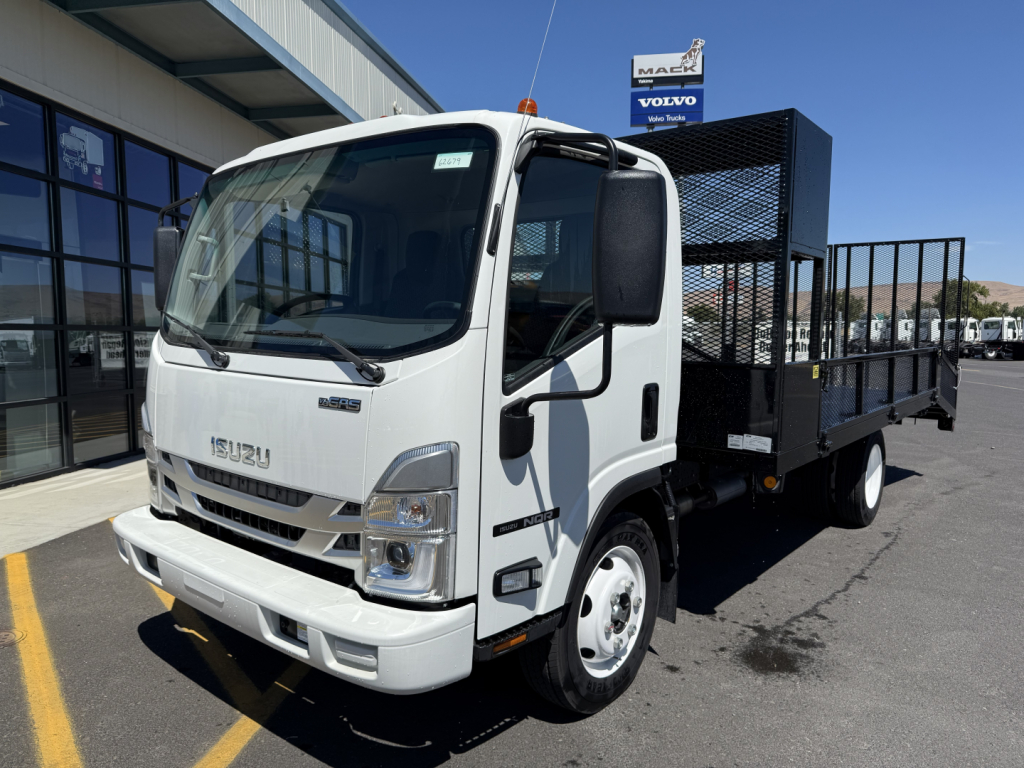
Body configuration matters as much as the cab and drivetrain. A basic platform bed is ideal for forklifts loading from either side, but many buyers prefer stake-side or landscape bodies with fold-down mesh sides, rear dovetails, and loading ramps for mowers, compact machines, and loose materials. Steel decks hold up well to concentrated loads and hard use, while aluminum bodies help reduce tare weight and improve corrosion resistance in wet climates. Key details worth comparing include deck length and width, crossmember spacing, rub rails, stake pockets, D-rings, headache racks, toolboxes, scuff protection, and ramp ratings. If the truck will carry equipment daily, look closely at rear suspension, axle ratio, wheelbase, and how the body is mounted to the frame.
Powertrain choice depends on route and duty cycle. Gas engines can be a strong fit for local fleets that want lower acquisition cost, simpler emissions systems, and easier service access. Diesel flatbed trucks still make sense for higher mileage, heavier payloads, PTO use, and sustained highway work, especially when torque and fuel range are priorities. Automatic transmissions dominate this category, with Allison-equipped medium-duty trucks remaining popular for predictable shift quality and vocational durability. Buyers in Washington should also pay attention to traction and braking for year-round operation. Tire type, rear differential setup, wheelbase, and load balance all affect how a flatbed behaves on slick pavement, gravel approaches, and grades.
The best flatbed truck is the one matched to the freight, not just the badge on the hood. Confirm usable payload after the body, tools, fuel, and crew are accounted for. Check bed height if frequent hand loading is part of the job. Measure ramp angle for low-clearance equipment. Review tie-down placement for the loads you actually secure every day. If towing is part of the application, verify hitch type, trailer brake controls, GCWR, and PTO compatibility where applicable. A well-spec'd flatbed truck can cover an unusually wide range of work, but the right combination of GVWR, deck design, and chassis durability is what keeps it productive.
Frequently Asked Questions about Flatbed Trucks in Washington
What should I look for first when buying a flatbed truck?
Start with GVWR, usable payload, and deck dimensions. Those three numbers determine whether the truck can legally and efficiently handle your typical load. After that, compare body style, tie-down equipment, axle ratings, wheelbase, and drivetrain. A truck with a strong engine but the wrong bed length or poor load securement options can be less useful than a lower-cost unit that is correctly spec'd for the work.
Are gas or diesel flatbed trucks better for Washington work routes?
Gas engines are often a good fit for local delivery, landscaping, and contractor work with shorter routes and frequent stops. They typically have lower upfront cost and can be simpler to maintain. Diesel engines are better suited to heavier payloads, towing, mountain grades, and higher annual mileage. In Washington, the right answer usually comes down to route length, average payload, idle time, and whether the truck will spend more time in town or on the highway.
What body features are most important on a flatbed truck?
The most important features depend on what you haul, but buyers commonly focus on deck material, stake pockets, rub rails, D-rings, headache racks, fold-down sides, tool storage, and ramp setup. A plain flat deck works well for pallet freight and forklift loading. A landscape or stake-bed configuration can be more useful for crews hauling mowers, compact equipment, or loose materials. Buyers hauling machines should closely review dovetail design, ramp capacity, and deck height.
How do I know if a flatbed truck can tow safely as well as carry a load?
Check the truck's GVWR, GCWR, rear axle rating, hitch rating, and brake controller setup. Many flatbed trucks are asked to do double duty by carrying cargo on the deck and towing a trailer, but that only works if the combined ratings support the full application. Rear suspension type, axle ratio, and wheelbase also affect towing stability and launch performance, especially on grades and wet pavement.
Why are deck length and wheelbase so important on a flatbed truck?
Deck length determines how much usable cargo space you have, but wheelbase affects turning radius, ride quality, weight distribution, and body fit. A longer deck on a short wheelbase can create poor balance, while too much wheelbase can make a truck harder to maneuver on tight jobsites or city streets. The best setup is one where the body length, axle placement, and expected load center all work together.