
New 2025 Flatbed Trucks For Sale
Shop new 2025 flatbed trucks with medium-duty and chassis cab options built for hauling materials, equipment, pallets, and jobsite loads.
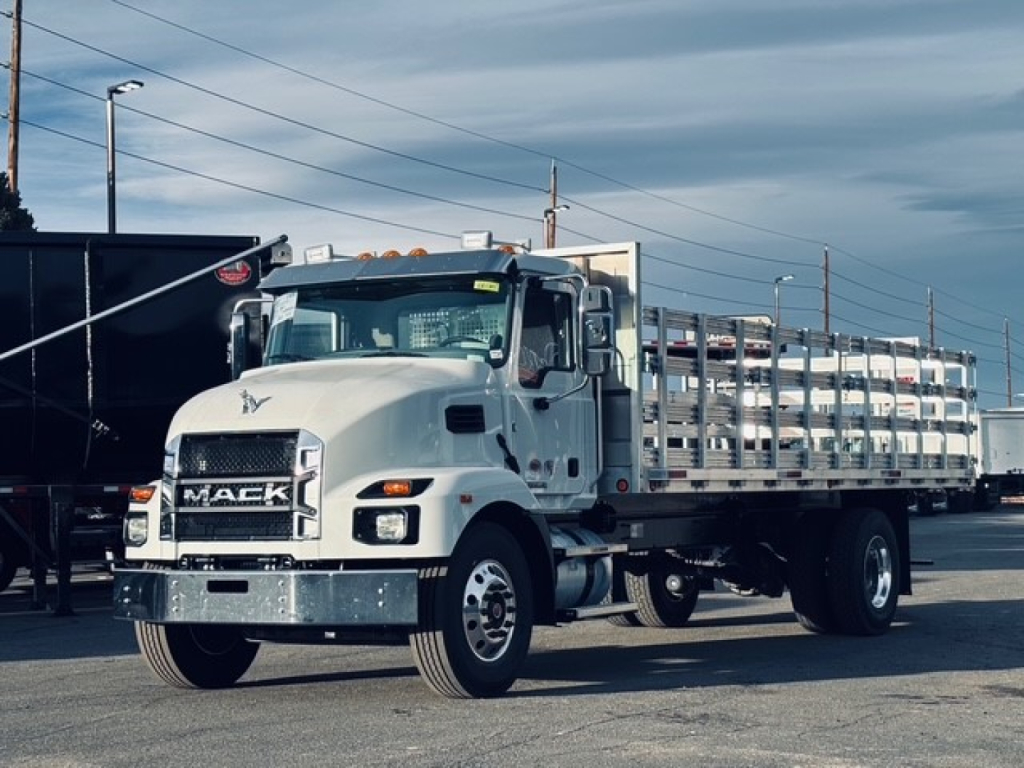
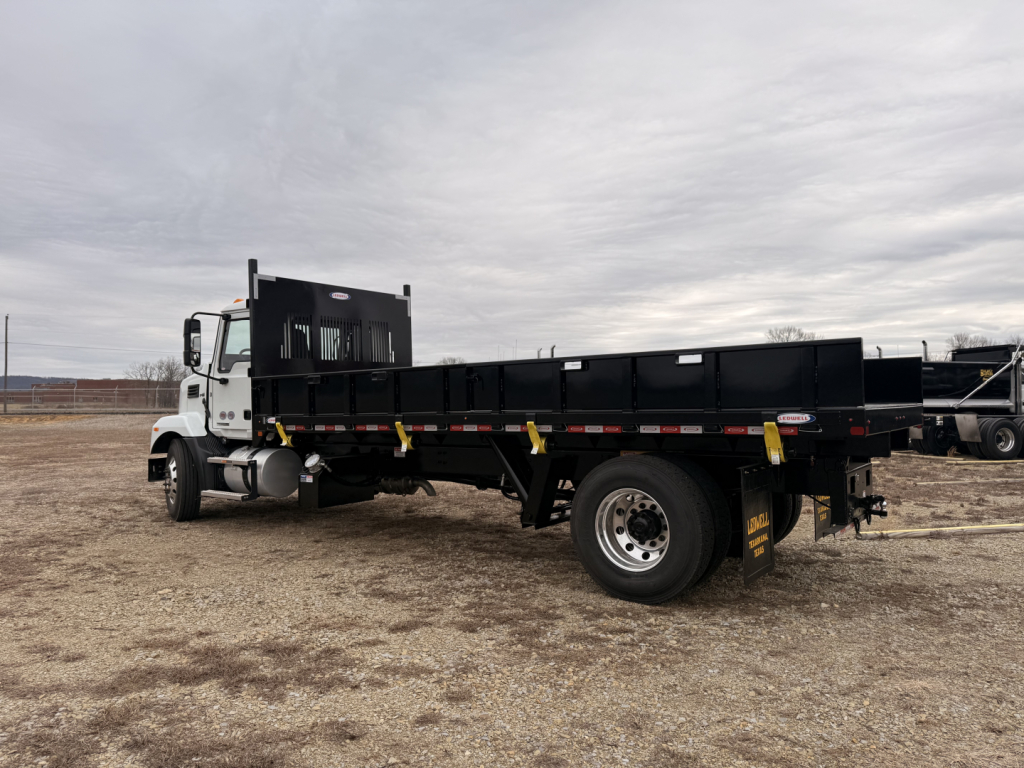
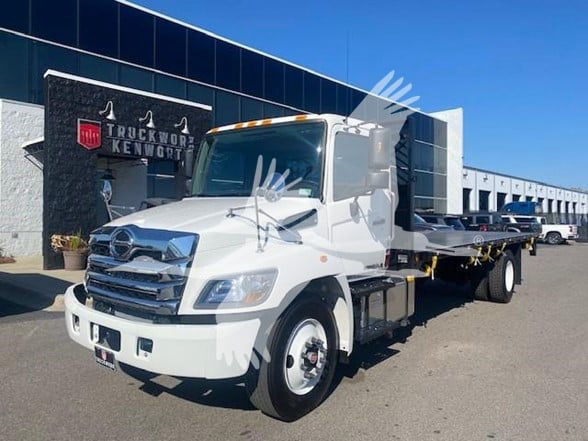
Selling a new 2025 flatbed truck? List your new 2025 flatbed truck for sale and reach thousands of commercial buyers.
New 2025 Flatbed Trucks
Common 2025 flatbed truck configurations include Class 4 through Class 6 chassis cabs, plus heavier medium-duty platforms for higher payload and longer decks. Typical bed lengths run from about 9 feet on hotshot-style hauler bodies up to 24 feet on commercial medium-duty trucks. Steel beds are popular for abrasion resistance and hard daily use, while aluminum beds cut tare weight and can improve payload and corrosion resistance. Useful body details include headache racks or bulkheads, stake pockets, rub rails, tie-downs, underbody toolboxes, rear hitches, gooseneck or pintle setups, and fold-down ramps or beavertails for loading compact equipment. If the truck will carry masonry, pipe, lumber, or fabricated materials, check deck rating, crossmember spacing, and tie-down placement as closely as you check engine and axle specs.
Powertrain choices in this category usually center on diesel engines paired with Allison automatic transmissions, especially in medium-duty applications where stop-and-go operation and PTO compatibility matter. Cummins ISB 6.7L, Duramax 6.6L, and similar diesel platforms remain common because they balance torque, service support, and durability. Axle ratings, wheelbase, rear axle ratio, suspension type, and brake package have a direct effect on how a flatbed performs with a full load. A longer wheelbase helps support a 22-foot or 24-foot deck, while air ride rear suspension can improve loaded ride quality and protect sensitive cargo. Buyers working in urban routes should also pay attention to turning radius, cab style, overall length, and cab-to-axle measurement to make sure the body and chassis are matched correctly.
The best new 2025 flatbed truck is the one spec'd for the freight, not just the one with the biggest deck. A contractor hauling skid steers may need ramps, a beavertail, and strong rear suspension. A building supplier may care more about deck length, bulkhead design, and easy side loading. A hotshot or hauler-style buyer may prioritize gooseneck hitch ratings, aluminum construction, and storage. On any new flatbed, inspect GVWR, payload after upfit, bed manufacturer, frame reinforcement, lighting, hitch ratings, and securement features before comparing price. Those details determine how productive the truck will be on day one and how well it will hold up over years of loading, strapping, and jobsite use.
Frequently Asked Questions about New 2025 Flatbed Trucks
What should I look for first when buying a new 2025 flatbed truck?
Start with GVWR, payload after the flatbed upfit, and the type of cargo the truck will carry most often. Bed length, deck material, and securement features should match the work. A truck hauling palletized materials needs easy forklift access and strong tie-down points, while a truck moving machines may need ramps, a beavertail, and hitch options. Cab-to-axle measurement is also critical because the body must fit the chassis correctly.
Are steel or aluminum flatbed bodies better?
Steel flatbeds are generally preferred for severe-duty work because they resist impact and abrasion well, especially in construction and material handling. Aluminum flatbeds reduce body weight, which can improve legal payload and help with corrosion resistance. The right choice depends on application, climate, and how hard the deck will be used. Buyers should compare tare weight, expected cargo type, repair considerations, and long-term durability in their operating environment.
Do I need a CDL for a flatbed truck?
Not always. Many flatbed trucks are built on Class 4, Class 5, or Class 6 chassis that can be configured under the 26,001-pound CDL threshold. That said, CDL requirements depend on actual GVWR, GCWR, trailer use, and local or federal operating rules. If the truck will tow equipment trailers or operate across state lines, confirm licensing and compliance requirements before purchase rather than assuming an under-CDL chassis will cover every application.
What bed length is most common on a medium-duty flatbed truck?
On medium-duty flatbed trucks, 22-foot and 24-foot beds are common because they balance cargo space with maneuverability and chassis fitment. Shorter flatbeds around 9 to 12 feet are common on hauler and chassis cab pickups, while specialized applications may use 16-foot to 20-foot decks. The correct length depends on wheelbase, axle placement, weight distribution, and the dimensions of the freight being hauled.
Which features matter most for jobsite and equipment hauling?
For jobsite and equipment use, the most important features are a durable deck, a strong bulkhead or headache rack, reliable tie-down points, and the right loading setup. Buyers often look for stake pockets, rub rails, underbody toolboxes, ramps, beavertails, trailer hitches, and rear lighting protection. Suspension and axle ratings matter just as much as the body because repeated loading of dense cargo can quickly expose an under-spec'd truck.