
New 2024 Flatbed Trucks For Sale
Shop new 2024 flatbed trucks with diesel power, medium-duty and heavy-duty specs, and bodies built for hauling equipment, steel, and materials.
Selling a new 2024 flatbed truck? List your new 2024 flatbed truck for sale and reach thousands of commercial buyers.
New 2024 Flatbed Trucks
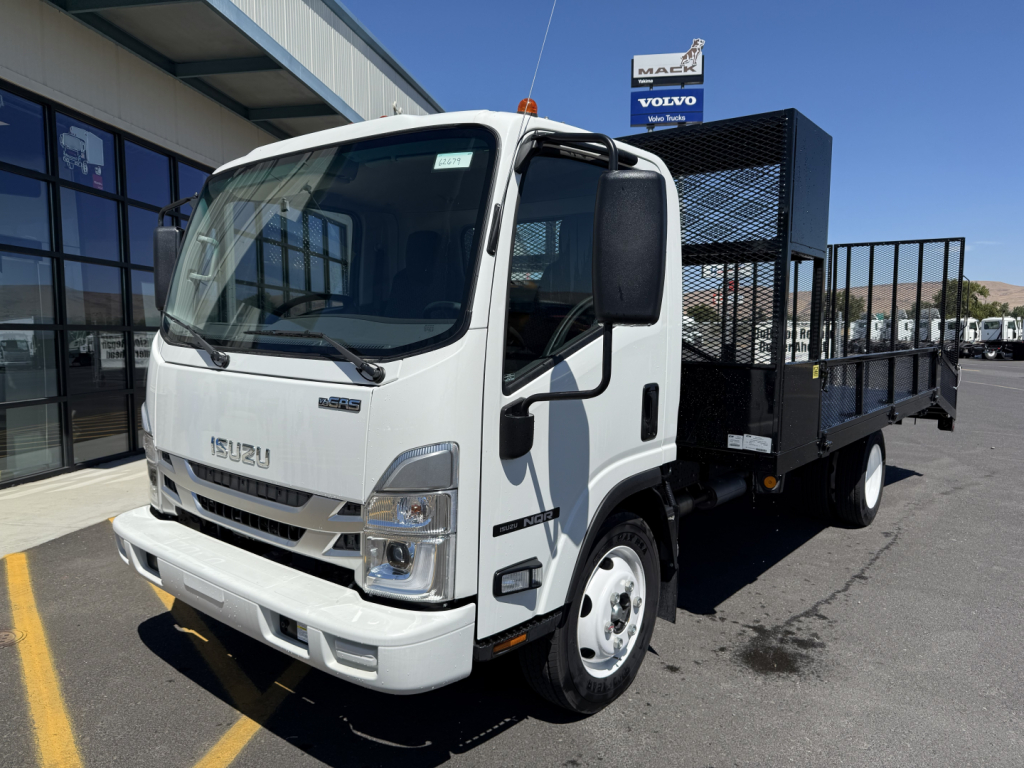
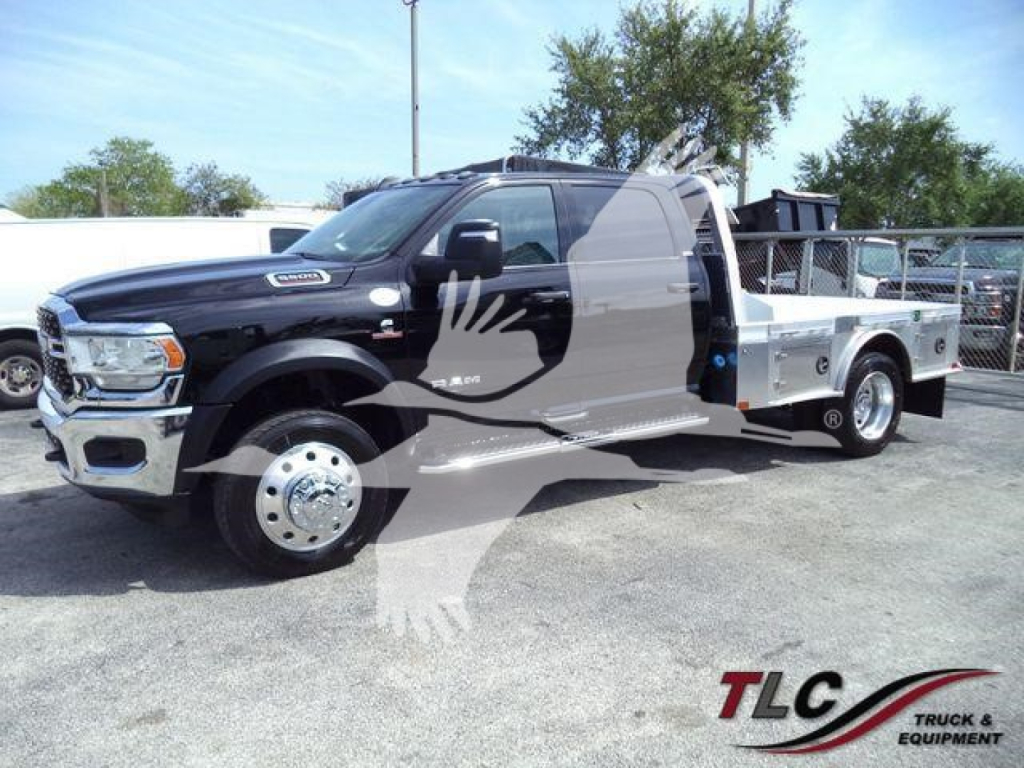
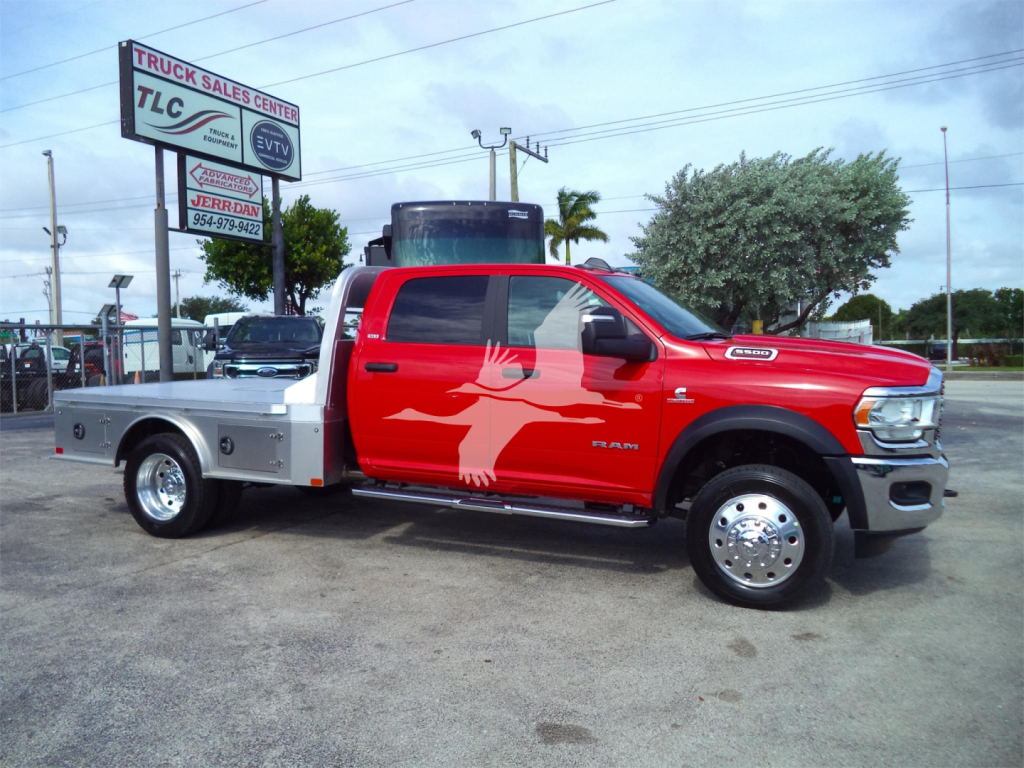
Common configurations range from Class 3 and Class 4 chassis for contractor and hotshot-style work up to medium-duty and heavy-duty platforms for pallets, pipe, jobsite materials, and machinery. Bed lengths often run from about 9 feet on cab-and-chassis pickups to 16 feet or more on larger commercial trucks. Buyers should look closely at deck material, crossmember spacing, rub rails, stake pockets, headache racks, ICC bumpers, and integrated tool storage. Aluminum beds reduce tare weight and resist corrosion, while steel beds usually cost less upfront and hold up well in severe-duty service. Features like sliding winch tracks, D-rings, gooseneck or pintle setups, and underbody toolboxes can make a major difference in day-to-day productivity.
Powertrain selection depends on route, load, and upfit weight. New flatbed trucks are commonly spec'd with diesel engines for torque, towing, and long service intervals under commercial use, paired with automatic transmissions in both pickup-based and medium-duty chassis. Rear axle ratio, suspension type, wheelbase, and brake package all affect payload carrying manners and trailer control. If the truck will carry mounted equipment such as compressors, welders, or cranes, pay attention to available frame space, PTO compatibility, and body reinforcement. If it will run urban delivery, turning radius, cab visibility, and step-in height matter just as much as peak GVWR.
A good flatbed spec balances payload, securement, and service access. Buyers comparing new 2024 flatbed trucks should verify published payload after the body and any accessories are installed, not just chassis rating. It also helps to confirm bed width, deck height, tie-down count, and trailer towing limits against your actual loads. The right flatbed truck should make loading safer, securement simpler, and every stop faster without pushing the truck beyond its intended class.
Frequently Asked Questions about New 2024 Flatbed Trucks
What is the difference between a flatbed truck and a stake bed truck?
A flatbed truck has an open platform body designed for side and rear loading, while a stake bed is a flatbed fitted with removable side panels or stake racks. The base body is similar, but stake sides help contain loose or stacked material that does not need a fully enclosed body. Buyers moving palletized freight, equipment, steel, or jobsite materials often prefer a standard flatbed with strong tie-down points, while fleets hauling bulkier landscape or supply loads may benefit from stake sides.
How do I choose the right GVWR for a new flatbed truck?
Start with the heaviest real-world payload, then add the body weight, tools, fuel, passengers, and any mounted equipment or trailer tongue weight. GVWR should be selected based on the completed truck, not the bare chassis. A pickup-based flatbed may be enough for contractors, field service, or gooseneck towing, while a Class 5 through Class 7 truck is often a better fit for palletized building materials, machinery, or repeated high-payload use. Leaving margin in the spec usually improves durability and compliance.
Is an aluminum flatbed better than a steel flatbed?
Aluminum flatbeds are lighter and generally offer better corrosion resistance, which can increase available payload and reduce long-term rust issues. Steel flatbeds usually have a lower upfront cost and are favored in severe applications where impact resistance and repair familiarity matter. The better choice depends on duty cycle, climate, expected service life, and how important tare weight is to your operation.
What features matter most on a work-oriented flatbed body?
The most important features are usually tie-down layout, rub rails, stake pockets, headache rack design, toolbox placement, and deck height. Buyers hauling equipment or irregular loads should also look for winch tracks, D-rings, traction-friendly decking, and trailer connections that match their trailers. If crews use forklifts regularly, side access and clear deck space can be more valuable than cosmetic body options.
Can a flatbed truck be used for towing as well as carrying cargo?
Yes, many flatbed trucks are set up to carry deck cargo and tow a trailer at the same time, but towing capacity depends on the chassis, axle ratings, hitch type, brakes, and the final upfit. Pickup-based flatbeds are often ordered with gooseneck or receiver hitches, while larger commercial chassis may use pintle or frame-mounted trailer systems. Buyers should confirm GCWR, hitch rating, and payload interaction before assuming the truck can legally and safely do both jobs at once.