
2005 Mack Flatbed Trucks For Sale in New York
Have 2005 mack flatbed truck to sell? List it here to reach thousands of buyers.
2005 Mack Flatbed Trucks in New York
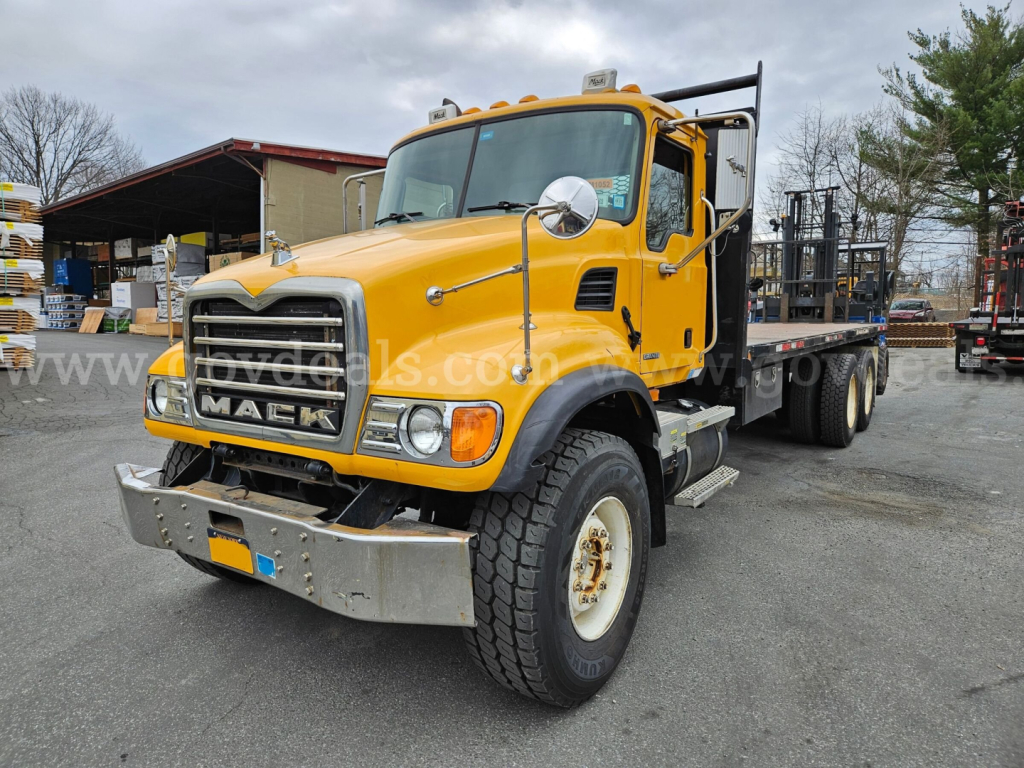
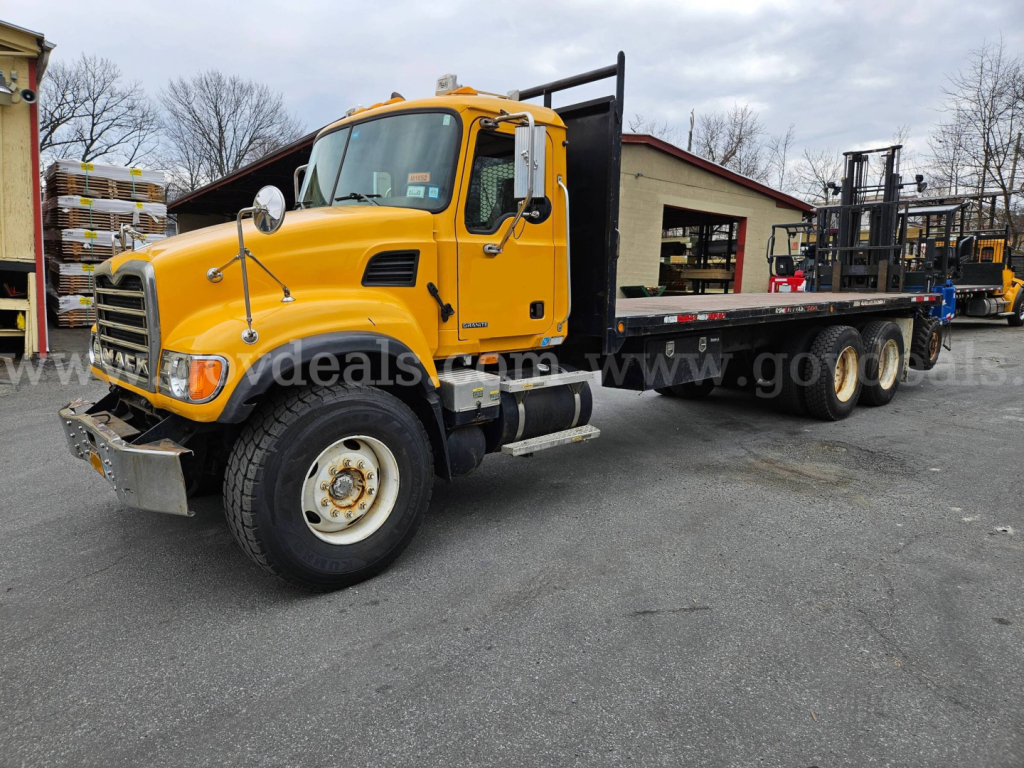
The key buying decisions usually come down to bed configuration and drivetrain. Common flatbed lengths in this class run around 24 feet, though shorter platform bodies exist on trucks that may have been converted from dump or vocational service. Buyers should confirm deck material, headboard design, tie-down layout, and whether the truck has sliding winches, rub rail, stake pockets, or forklift mounting provisions. On the powertrain side, many 2005 Mack units carry pre-emissions diesel engines in the 300 to 370 hp range paired with Mack manual transmissions or Eaton Fuller boxes, including vocational-friendly 8LL and 10-speed options. Rear axle ratios in the mid-5s are not unusual, which helps low-speed pulling and loaded starts but can limit road speed compared with highway-oriented setups.
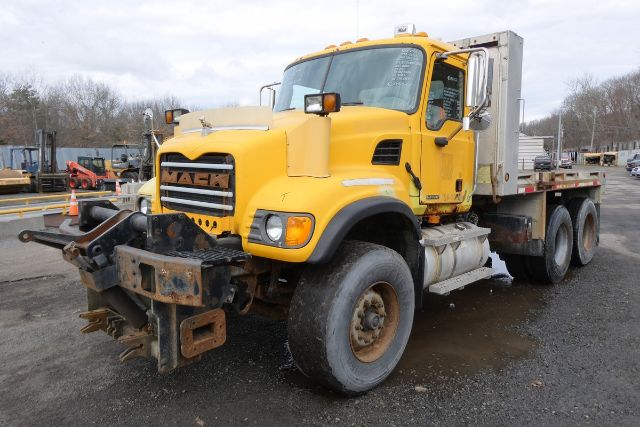
A used 2005 Mack flatbed should be evaluated like a vocational truck first and a deck truck second. Pay close attention to frame condition, suspension wear, camelback trunnions, spring packs, steering components, PTO operation, and any signs the chassis previously carried a dump body, plow gear, spreader equipment, or hydraulic systems. Bed integrity matters just as much. Check crossmembers, floor condition, chain tie-down points, rub rails, headache rack structure, and signs of frame or body modifications behind the cab. If the truck includes a piggyback forklift package or mounting hardware, verify weight distribution, rear overhang, and how that affects legal payload.
For buyers comparing 2005 Mack flatbed trucks against lighter medium-duty options, the advantage is simple: these are severe-service trucks that can handle tougher payloads and rougher jobsite conditions. The tradeoff is higher empty weight, stiffer ride quality, and operating costs that reflect a heavy tandem axle vocational chassis. A well-matched truck in this category can serve building supply delivery, steel hauling, equipment transport, municipal support, and regional construction work for a long time, especially when the axle ratings, wheelbase, cab-to-axle measurement, and flatbed length are matched correctly to the load profile.
Frequently Asked Questions about 2005 Mack Flatbed Trucks in New York
What should I look for first on a 2005 Mack flatbed truck?
Start with the chassis specification and body layout. Confirm the front axle rating, rear axle rating, suspension type, wheelbase, cab-to-axle, and GVWR, then compare those numbers to the loads you expect to haul. On a 2005 Mack flatbed, buyers should also inspect frame rails, double-frame sections, bed crossmembers, tie-down equipment, and any PTO or wetline components because many of these trucks worked in severe-duty applications before becoming flatbeds.
Are 2005 Mack flatbed trucks good for construction and material delivery?
Yes, this category is commonly well-suited for construction supply, steel, pipe, machinery, and equipment delivery. Many 2005 Mack flatbeds were built on heavy vocational chassis such as the Granite CV713, which means strong axle capacities, durable suspension, and drivetrains designed for loaded starts and rough surfaces. The right fit depends on bed length, deck capacity, and whether the truck needs to carry a truck-mounted forklift or specialized securement equipment.
What engines and transmissions are common in a 2005 Mack flatbed?
Many trucks in this category use Mack diesel engines in the roughly 300 to 370 horsepower range, often in pre-emissions configurations that appeal to buyers seeking mechanical simplicity. Manual transmissions are common, including Mack gearboxes and Eaton Fuller units such as 8LL, 10-speed, or similar vocational transmissions. The transmission choice should match the route profile because low-speed jobsite work and regional road delivery place different demands on gearing.
Why does rear axle ratio matter on a flatbed truck?
Rear axle ratio affects pulling power, launch under load, gradeability, and road speed. A deeper ratio such as 5.55 or 5.73 is common on severe-service Mack chassis and helps when starting heavy loads, moving through jobsites, or operating in stop-and-go vocational service. The tradeoff is that highway cruising speed may be lower and engine rpm may run higher than on a road-spec flatbed built for long-distance freight.
How important is bed configuration on a used Mack flatbed?
Bed configuration is one of the most important parts of the purchase because it determines how the truck can actually be loaded and secured. Buyers should verify usable deck length, body width, floor material, headboard height, stake pockets, rub rails, chain tie-down points, sliding winches, and any forklift carrying setup. A heavy-duty Mack chassis can be an excellent platform, but the body still needs to match the freight, loading method, and securement requirements of the work.