
2005 Mack Flatbed Trucks For Sale
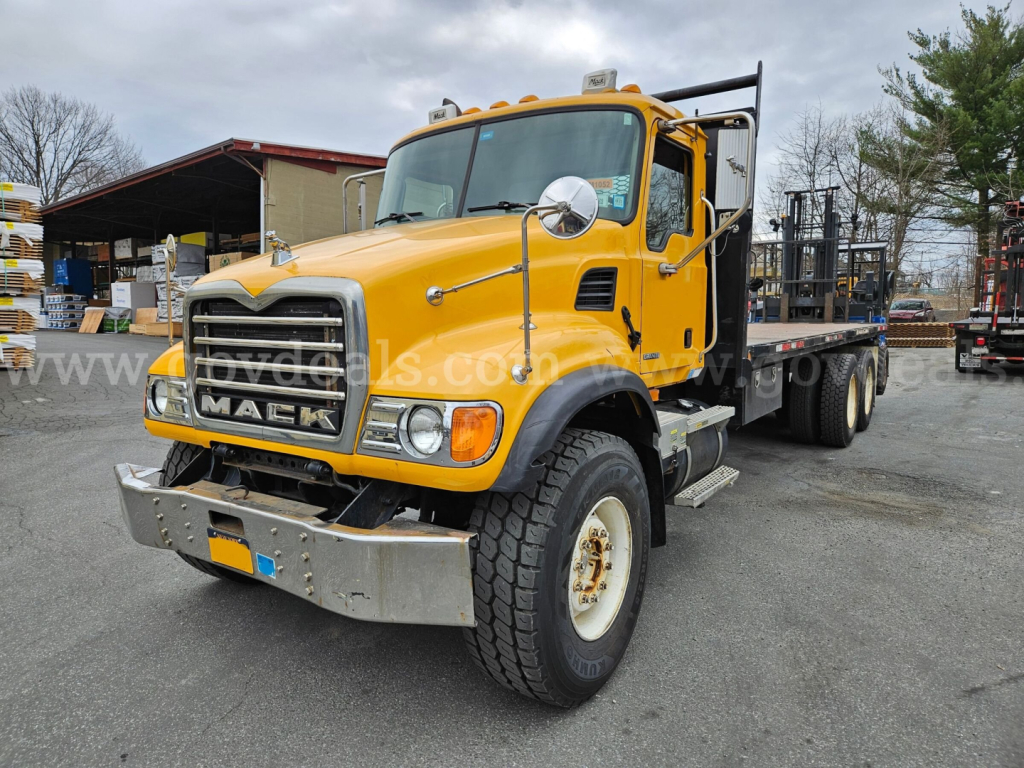
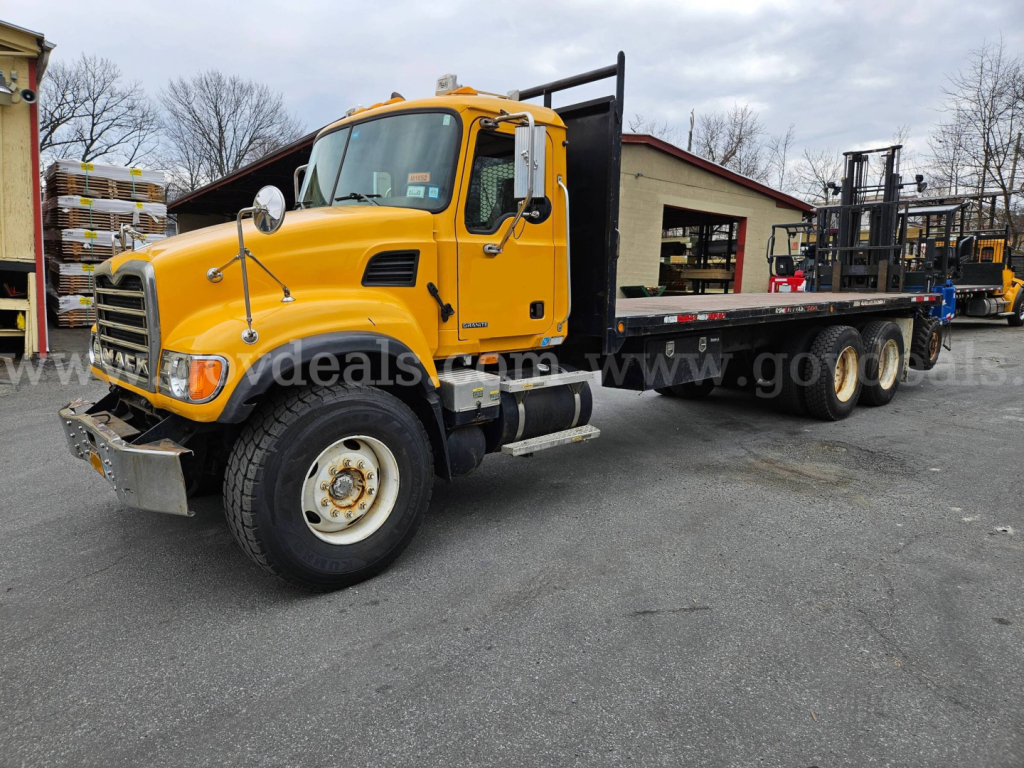
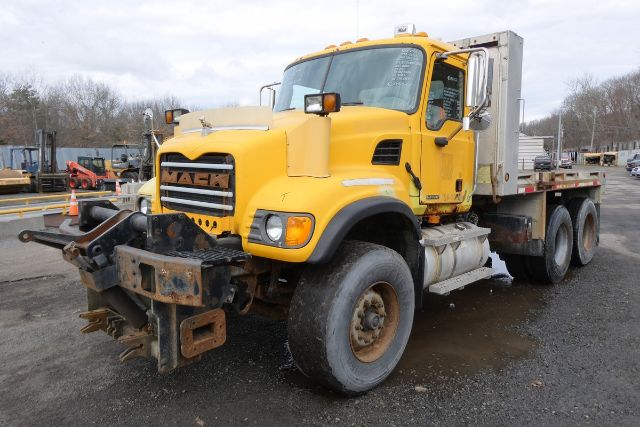
Have 2005 mack flatbed truck to sell? List it here to reach thousands of buyers.
2005 Mack Flatbed Trucks
The most important buying decision is usually the truck’s original vocation and current body setup. Some 2005 Mack flatbeds started life as dump trucks, municipal trucks, or chassis intended for plows, spreaders, cranes, or hydraulic equipment. That means you may see double-frame rails, wet kits, front engine PTO drives, Camelback suspension, high axle capacities, and shorter wheelbases designed for severe-duty work. Those features can be a major advantage if you need toughness and hydraulic capability, but they also affect ride quality, empty weight, turning radius, and legal payload. Bed construction matters too. Aluminum beds save weight and resist corrosion, while steel beds usually tolerate harder abuse. Buyers should also check stake pockets, rub rails, tie-down points, headache racks, toolboxes, and winch or strap arrangements if securement speed matters in daily use.
Powertrain and axle specs are especially important on a 2005 Mack flatbed because these trucks were often ordered for regional or off-road applications rather than linehaul efficiency. Common setups include Mack diesel engines in the 300 to 400 horsepower range, paired with Mack or Eaton Fuller manual transmissions such as 8LL or 10-speed units. Rear axle ratings around 40,000 to 46,000 pounds are common on tandem trucks, and some trucks carry heavy front axles in the 18,000 to 20,000 pound range. Ratios can be aggressive, which helps with low-speed pulling and jobsite starts but may limit road speed and fuel economy. Suspension type also matters. Mack Camelback is well known for durability and load stability in vocational service, but it rides firmer than air ride and is better suited to rough-service work than fragile freight.
Condition and upfit quality should carry as much weight as mileage on a 2005 unit. A buyer should verify frame condition, bed mounting, crossmember integrity, PTO operation, hydraulic plumbing, and any signs of former dump-body conversion. Check for rust at body attachment points, cracked welds, worn spring components, and uneven tire wear that can point to suspension or alignment issues. On older vocational Macks, service records, accurate hours and mileage, and evidence of clutch, transmission, and brake work are often more useful than odometer readings alone. If the truck will run under CDL thresholds, on municipal work, or with specialized attachments such as forklifts, plows, or spreaders, axle spacing and legal weight distribution should be reviewed closely before purchase.
Frequently Asked Questions about 2005 Mack Flatbed Trucks
What should I look for first on a 2005 Mack flatbed truck?
Start with the truck’s vocational history, axle ratings, and body installation. Many 2005 Mack flatbed trucks were originally spec’d for severe-duty work, so features like double frames, heavy suspensions, wet kits, and PTOs may be present. Those can add value for construction or municipal use, but they also add weight and can reduce payload flexibility. After that, inspect frame condition, bed structure, suspension wear, and the quality of any body conversion or repair work.
Are 2005 Mack flatbed trucks considered pre-emissions?
Many 2005 Mack flatbed trucks fall into the pre-DPF or earlier-emissions era, which is a major reason buyers seek them out. These trucks generally have simpler emissions systems than newer models, which can reduce complexity in certain applications. That said, engine family and build date still matter, so buyers should confirm the exact engine model and emissions configuration rather than assuming every 2005 truck is identical.
What bed length and axle setup are common on a 2005 Mack flatbed?
A common setup is a tandem-axle Mack Granite or CV713 with a flatbed around 24 to 27 feet, although shorter and specialized bodies also exist. Heavy front axles and 40,000 to 46,000 pound rear ratings are typical in vocational specifications. These trucks are designed more for payload support, durability, and jobsite work than for maximizing highway fuel economy.
Is Camelback suspension good for a flatbed truck?
Camelback suspension is a strong choice when the truck will spend time on rough surfaces, carry concentrated loads, or work in construction and municipal service. It is known for toughness, stability, and long-term durability under heavy vocational use. The tradeoff is a firmer ride compared with air ride, so it is better suited to severe-duty hauling than to operations where cargo sensitivity or driver comfort is the top priority.
Why do some 2005 Mack flatbed trucks have PTOs or wetlines?
A PTO or wetline usually indicates the truck was built to power hydraulic equipment such as a dump body, crane, plow, spreader, or trailer system. On a flatbed, that can be useful if you plan to run hydraulic accessories or repurpose the truck for multi-role work. It also means you should inspect the hydraulic system carefully for leaks, wear, and proper operation, especially if the truck has been converted from another body style.