
Chevrolet Flatbed Trucks For Sale in California
Shop Chevrolet flatbed trucks in California. Compare Silverado and 4500 class specs, GVWR, bed setups, powertrains, and jobsite fit.
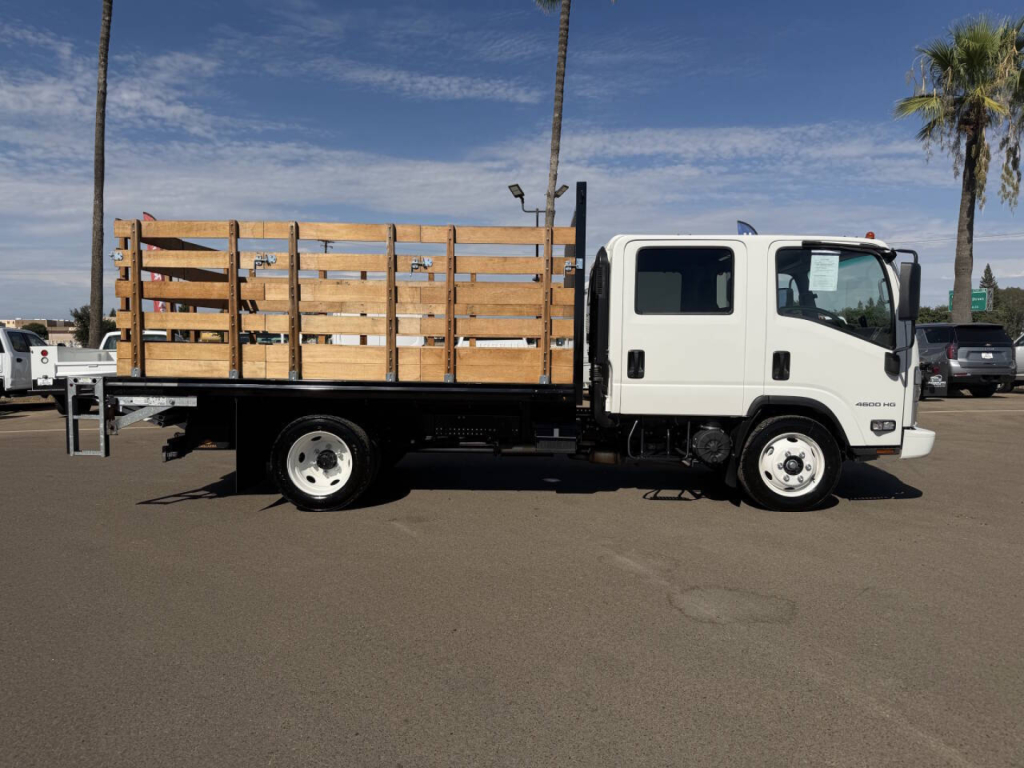
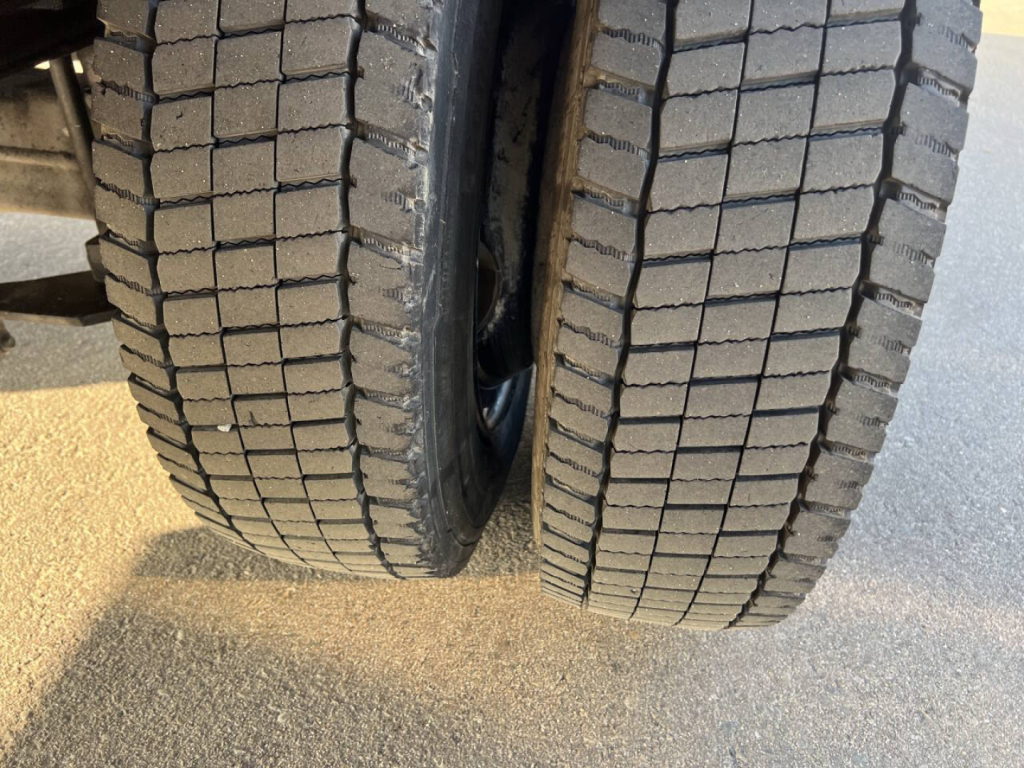
Selling a chevrolet flatbed truck? List your chevrolet flatbed truck for sale and reach thousands of commercial buyers.
Chevrolet Flatbed Trucks in California
Frequently Asked Questions about Chevrolet Flatbed Trucks in California
What is the difference between a Chevrolet Silverado flatbed and a Chevrolet 4500 flatbed?
A Chevrolet Silverado flatbed, especially in 4500HD or 5500HD form, typically gives buyers a familiar cab layout, strong towing capability, and easier service access through the GM medium-duty network. A Chevrolet 4500 class flatbed is usually chosen when body length, payload management, and commercial-duty durability matter more than pickup-style packaging. The right choice depends on GVWR, axle ratings, body size, and how often the truck will run near its working capacity.
What GVWR range is common for Chevrolet flatbed trucks?
Common Chevrolet flatbed trucks in this category often fall around 14,500 lb to 19,500 lb GVWR, depending on chassis series, drivetrain, and body configuration. Buyers should look beyond the headline GVWR and confirm front axle rating, rear axle rating, tire capacity, and the actual payload after the flatbed, rack, toolboxes, liftgate, or other upfit equipment are installed. A truck with the right rated capacity on paper can still be undersized once the body and tools are added.
Are diesel and gas Chevrolet flatbed trucks both good choices?
Both can be good choices, but they fit different duty cycles. Diesel Chevrolet flatbeds are commonly preferred for heavier loads, more frequent towing, and long daily routes because of low-end torque and fuel efficiency under load. Gas-powered trucks can make sense for lighter regional work, lower annual mileage, and fleets that want lower upfront cost and simpler emissions-related maintenance. The best choice depends on payload, route length, idle time, and service strategy.
What flatbed features should buyers check first?
Start with bed length, deck material, rub rail design, stake pockets, tie-down placement, and headboard strength. Then check for practical work features such as underbody boxes, rear receiver hitches, gooseneck or pintle provisions, bulkhead screens, ladder racks, and lighting. If the truck will carry pallets, pipe, equipment, or mixed cargo, the deck layout and securement options often matter as much as the chassis itself.
Is 4x4 important on a Chevrolet flatbed truck in California?
4x4 can be a major advantage for buyers operating in mountain regions, rural properties, fire roads, utility corridors, or soft jobsite conditions. It adds traction and versatility, but it also increases cost, weight, and sometimes ride height. For fleets staying on pavement or improved surfaces, a 4x2 configuration may deliver better payload efficiency and lower operating cost. The decision should be based on terrain, load frequency, and seasonal access requirements.