
Chevrolet Flatbed Trucks For Sale
Compare Chevrolet flatbed trucks by frame strength, bed materials, payload, corrosion resistance, and upfit specs for 3500HD to 6500HD chassis.

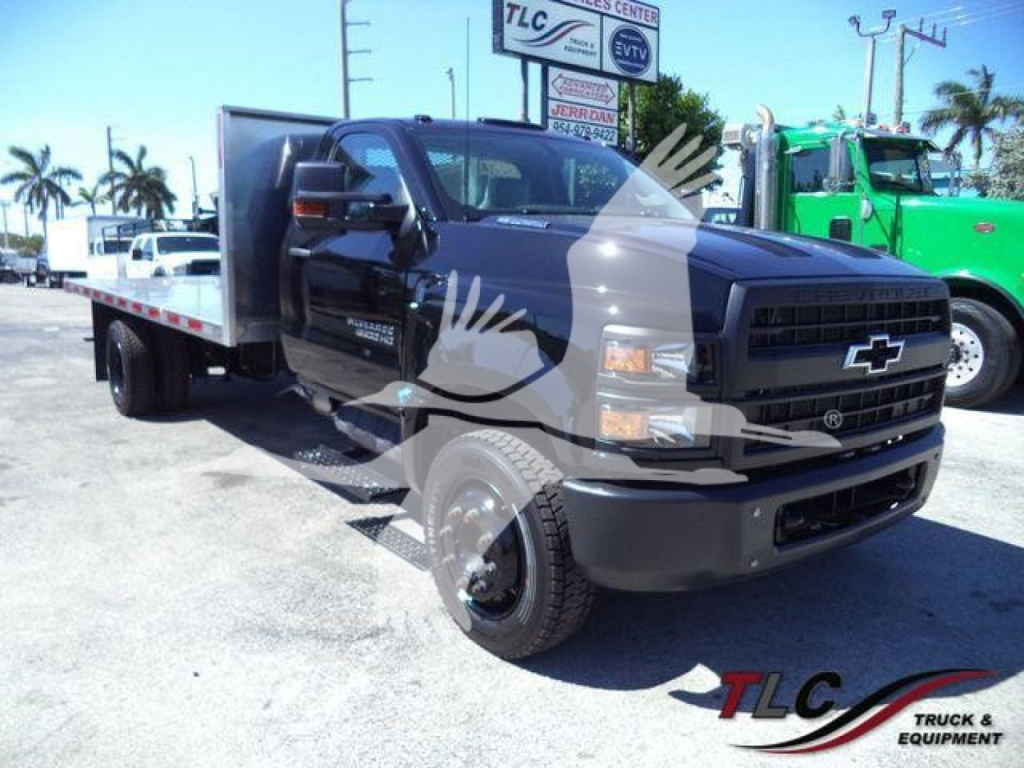
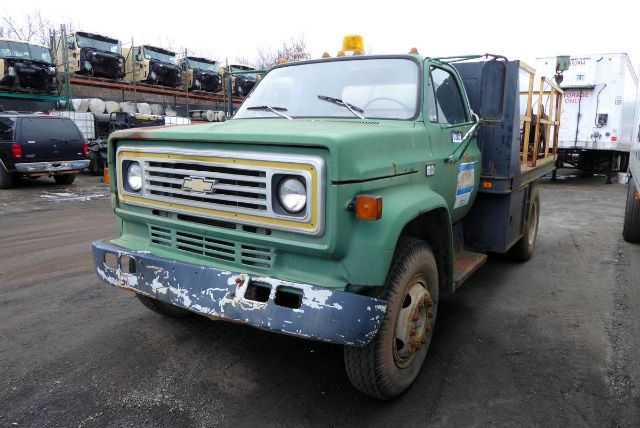
Selling a chevrolet flatbed truck? List your chevrolet flatbed truck for sale and reach thousands of commercial buyers.
Chevrolet Flatbed Trucks
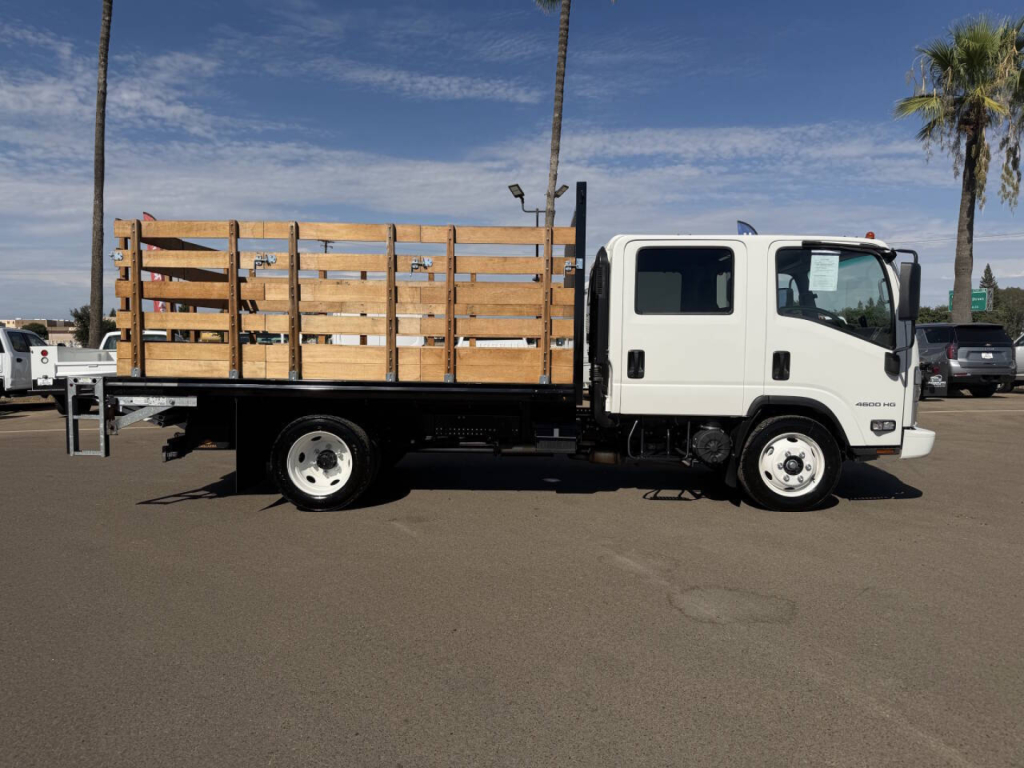
Floor strength on a flatbed comes from deck material, crossmember spacing, and rail integration, not just thickness. Steel tread plate at 3/16 inch with 12 inch on center crossmembers handles point loads from pallets and equipment; 1/4 inch plate adds margin for chain binders and machinery feet. Extruded aluminum plank delivers similar stiffness at lower tare weight, ideal for maximizing payload on gasoline or Class 5 builds. Dense hardwood or apitong over steel stringers cushions impact and is easy to repair, with scuff angles and rub rails protecting the edges. Look for stake pockets and chain slots on 24 inch centers, recessed D rings rated to match the chassis payload, a properly braced headache rack, and optional gooseneck ball with underbed reinforcement if you tow.
Tare weight and corrosion resistance drive long term cost. Aluminum beds cut 600 to 1,000 pounds compared to steel on 12 to 14 foot lengths, which can translate into an extra pallet on lighter GVWR trucks. Steel decks remain the benchmark for abrasion and heat tolerance but need the right coating stack; e coat or epoxy primer plus powder coat and sealed wiring harnesses reduce rust creep in salt states. Chevrolet chassis use coated frames and protected aftertreatment routing; pair that with stainless hardware, underbody boxes with automotive seals, and isolators between aluminum beds and steel frames to avoid galvanic corrosion. U bolt or clamped bed mounts let the frame flex as designed, which helps prevent cracked crossmembers and preserves ride quality.
Thermal integrity on an open deck is about heat management near the exhaust and DPF, not refrigeration. Keep wood or composite floors shielded where they pass the aftertreatment and avoid stacking tarps or plastic near the outlet. On the powertrain side, the Duramax with factory exhaust brake holds speed on grades, reducing service brake heat and pad wear. Hydraulic disc brakes are common across these chassis; fleets that require air systems should confirm build spec on heavier GVWR models. Rear axle ratios, 4x2 or 4x4 driveline, and suspension choices like auxiliary air helpers affect deck height, startability, and net payload, so match them to route terrain and typical cargo. The best Chevrolet flatbed setups balance floor strength with low tare, rust protection, and the upfit details that make daily securement faster and safer.
Frequently Asked Questions about Chevrolet Flatbed Trucks
What payload and GVWR ranges are typical for Chevrolet flatbed trucks?
Silverado 3500HD chassis cabs commonly run in the 12,000 to 14,000 pound GVWR range, suitable for 9 to 12 foot beds. Silverado 4500HD and 5500HD move into Class 5 with GVWRs that support 12 to 16 foot decks and heavier toolboxes. Silverado 6500HD can be speced into Class 6 with the wheelbase and axle ratings to carry 18 to 24 foot flatbeds. Actual payload depends on bed material, wheelbase, and installed equipment; lighter aluminum beds and minimal bolt ons can free up several hundred pounds compared to steel builds.
Which flatbed material is best for durability and corrosion resistance on a Chevy chassis?
Steel tread plate is the most impact tolerant and heat resistant, especially under chain binders or tracked equipment, but it requires quality coatings to fight rust in wet or salted environments. Extruded aluminum resists corrosion without coatings and trims 600 to 1,000 pounds of tare on common lengths, improving payload and fuel economy; add stainless hardware and dielectric isolators where aluminum meets the steel frame. Hardwood or apitong over steel stringers offers good shock absorption and easy board replacement, but boards near the exhaust should be heat shielded.
How should I size cab to axle and wheelbase for a Chevrolet flatbed?
Match cab to axle to the intended deck length so the rear axle lands near the deck center of gravity. As a general guide, 60 to 84 inch CA works for 9 to 12 foot beds on 3500HD, 84 to 120 inch CA for 12 to 16 foot beds on 4500HD or 5500HD, and longer CA options for 18 to 24 foot beds on 6500HD. Verify rear frame overhang limits, hitch requirements, and tool box space. A clean top of frame on Chevrolet medium duty chassis simplifies mounting and helps maintain proper load distribution.
Can a Chevrolet flatbed run a PTO or hydraulics for hoists, cranes, or winches?
Yes. Duramax and Allison equipped chassis are commonly ordered with PTO provisions, and the 6.6L gas V8 can also be paired with PTO capable transmissions on select models. Coordinate PTO clocking, output torque, and pump selection with the upfitter, and confirm clearance to the DEF tank, battery boxes, and crossmembers. A properly braced headache rack, outriggers for cranes, and reinforced subframes are important to protect the cab and frame when using deck mounted equipment.
How do 4x4 and suspension choices affect deck height and payload on Chevy flatbeds?
4x4 adds front axle weight and ride height, which can reduce net payload and raise the deck, helpful off road but less ideal for loading height. Rear leaf springs are standard and durable; auxiliary air helpers can level heavy loads and improve ride without the cost of full air ride. Choose rear axle ratios that match your startability needs on grades; the Duramax exhaust brake helps control speed downhill, which reduces brake heat and extends service intervals.