
Used Dump Trucks For Sale in Tennessee
Compare used dump trucks for sale in Tennessee by axle spacing, legal payload, body material, and inspection needs for quarry and construction work.
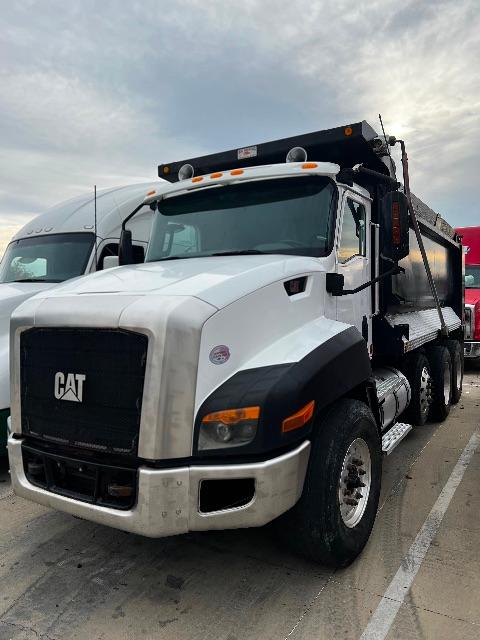
Selling a used dump truck? List your used dump truck for sale and reach thousands of commercial buyers.
Used Dump Trucks in Tennessee
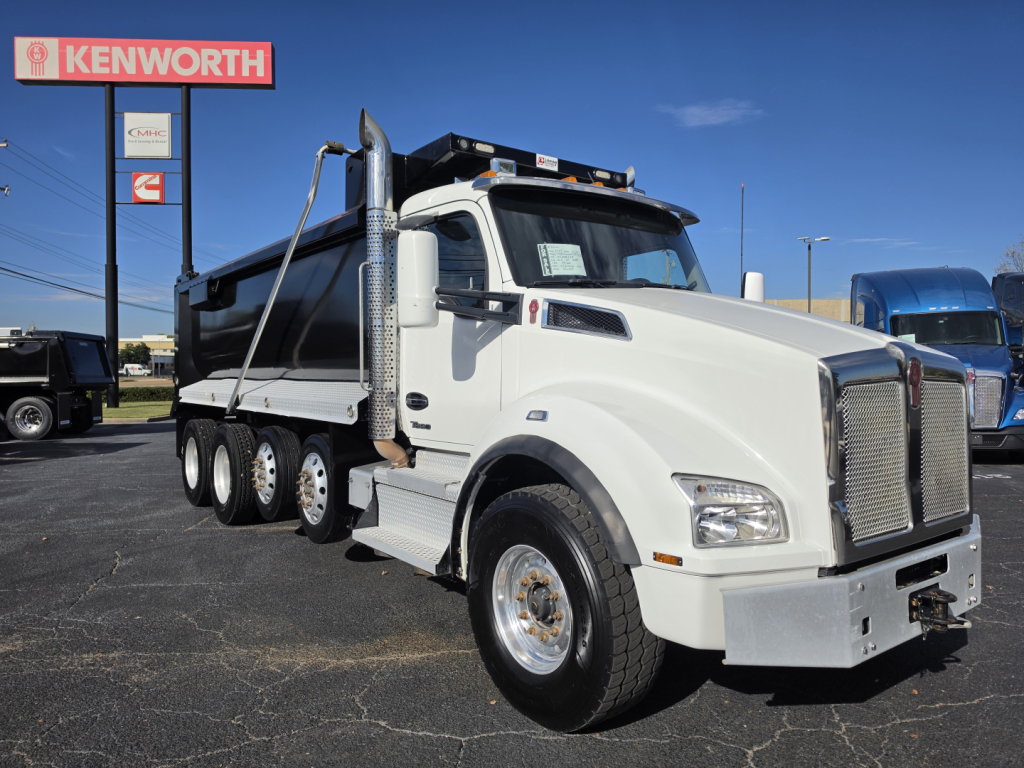
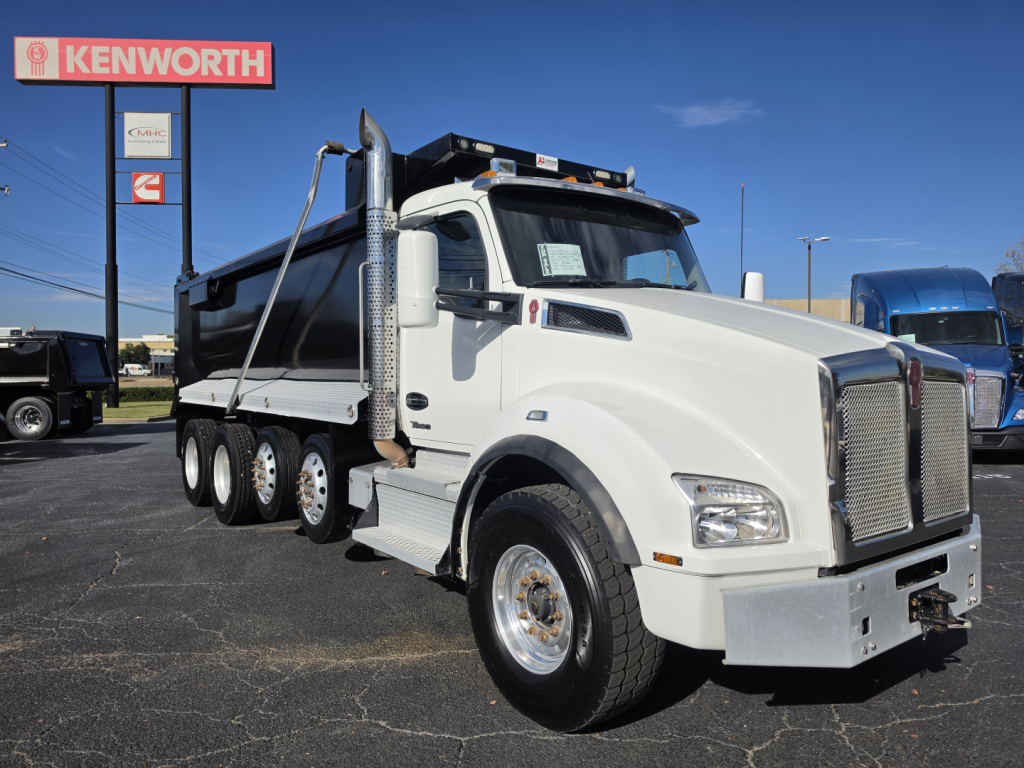
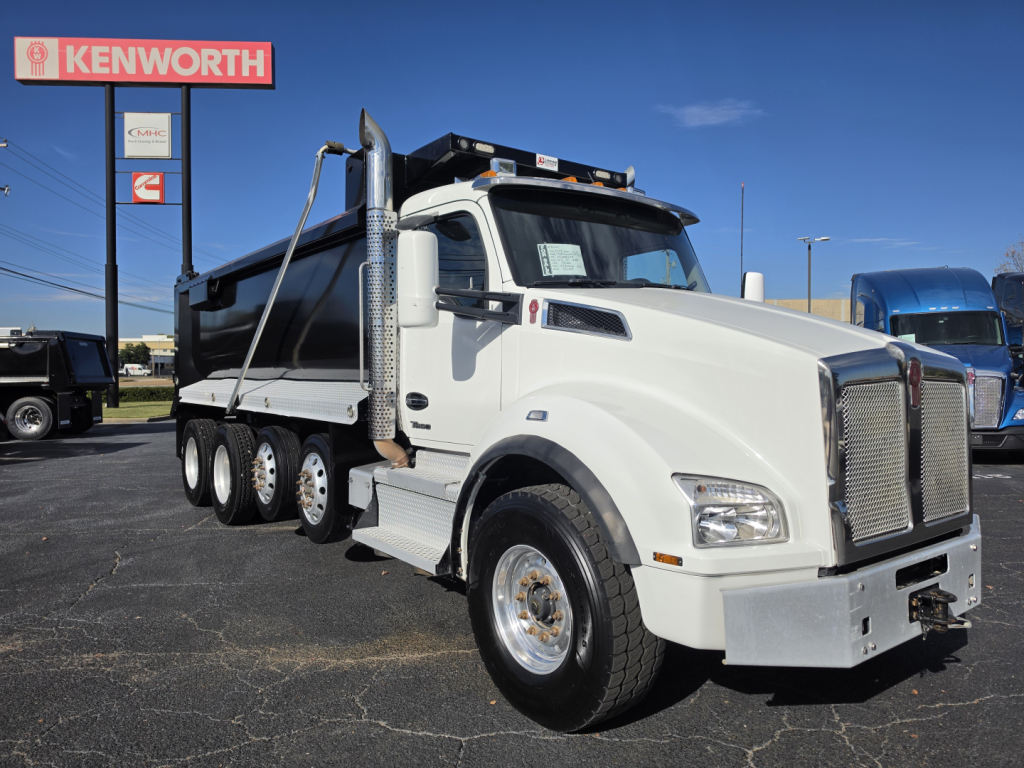
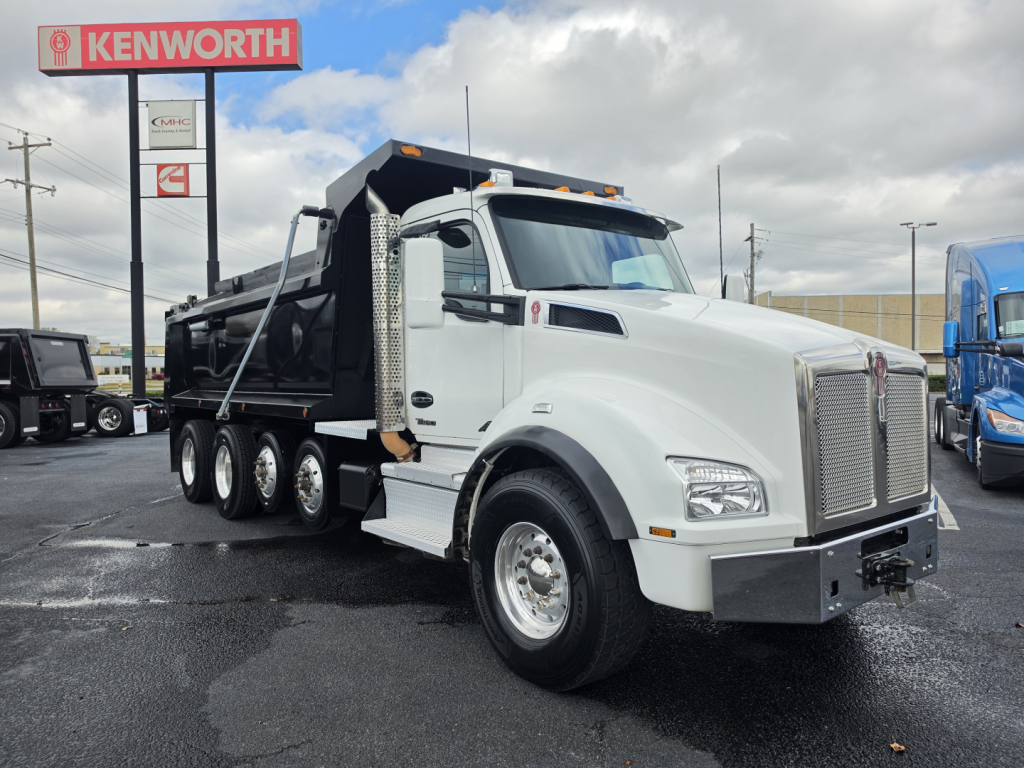
East Tennessee grades favor an effective engine brake, sufficient cooling capacity, and gearing that handles loaded starts without sacrificing road speed. Wet West Tennessee jobsites put traction, differential locks, and tire condition higher on the checklist. Compare vocational chassis such as the Kenworth T880 and Mack Granite by wheelbase, turning clearance, suspension condition, and service access rather than badge alone.
Used dump truck inspections should include a cold start, ECM mileage and engine hours, maintenance records, and a loaded road test when practical. Examine frame rails, hoist mounts, body hinges, tailgate latches, hydraulic hoses, and evidence of floor patching. Check chassis and electrical connections for corrosion from winter road treatments or previous operation outside Tennessee. Most 2007-era and newer highway diesels have a DPF; many 2010-era and newer engines also use SCR and DEF. Confirm emissions equipment by engine certification, and check regeneration history, fault codes, and repair documentation.
Frequently Asked Questions about Used Dump Trucks in Tennessee
How much can a tri-axle dump truck legally haul in Tennessee?
Axle spacing, certified empty weight, and the roads traveled determine legal payload for a tri-axle dump truck in Tennessee. On Interstate routes, standard federal limits are 20,000 pounds on a single axle, 34,000 on a tandem, and 80,000 gross, subject to bridge-formula limits and applicable exceptions. Non-Interstate rules and posted bridges can differ. Subtract scale-verified operating weight from the allowable gross weight, then confirm that each axle remains legal.
Is an Allison automatic better than a manual transmission for dump truck work?
An Allison automatic is a strong fit for dump trucks making frequent loaded starts and maneuvering around paving crews or tight jobsites. A manual transmission can suit experienced drivers and longer haul cycles, while an automated manual requires evaluation of its low-speed controls and vocational programming. On a used truck, verify transmission service records, loaded shift quality, PTO compatibility, and diagnostic history before choosing by transmission type alone.
What CDL do I need to drive a dump truck in Tennessee?
A single dump truck rated at 26,001 pounds GVWR or more generally requires a Class B CDL in Tennessee. A combination rated at 26,001 pounds or more generally requires Class A when the trailer GVWR exceeds 10,000 pounds. Air brakes do not require a separate endorsement, but the driver must not have a restriction that prohibits operating the truck's brake system. Confirm licensing requirements for the actual truck-and-trailer configuration.
What should I inspect on a used dump truck that hauled asphalt?
Asphalt buildup, floor distortion, and heat damage are priority checks on a used asphalt-hauling dump truck. Inspect wiring, hydraulic hoses, tailgate seals, and tarp components near hot material or exhaust-heated body passages. If the body has heat provisions, check those passages for cracks and leakage. Examine insulation where fitted, and assess the steel beneath accumulated material rather than treating a coated floor as evidence of good condition.