
Used Kenworth Dump Trucks For Sale in Tennessee
Compare used Kenworth dump trucks for sale in Tennessee by legal payload, axle spacing, drivetrain, and hydraulic condition before choosing a work truck.
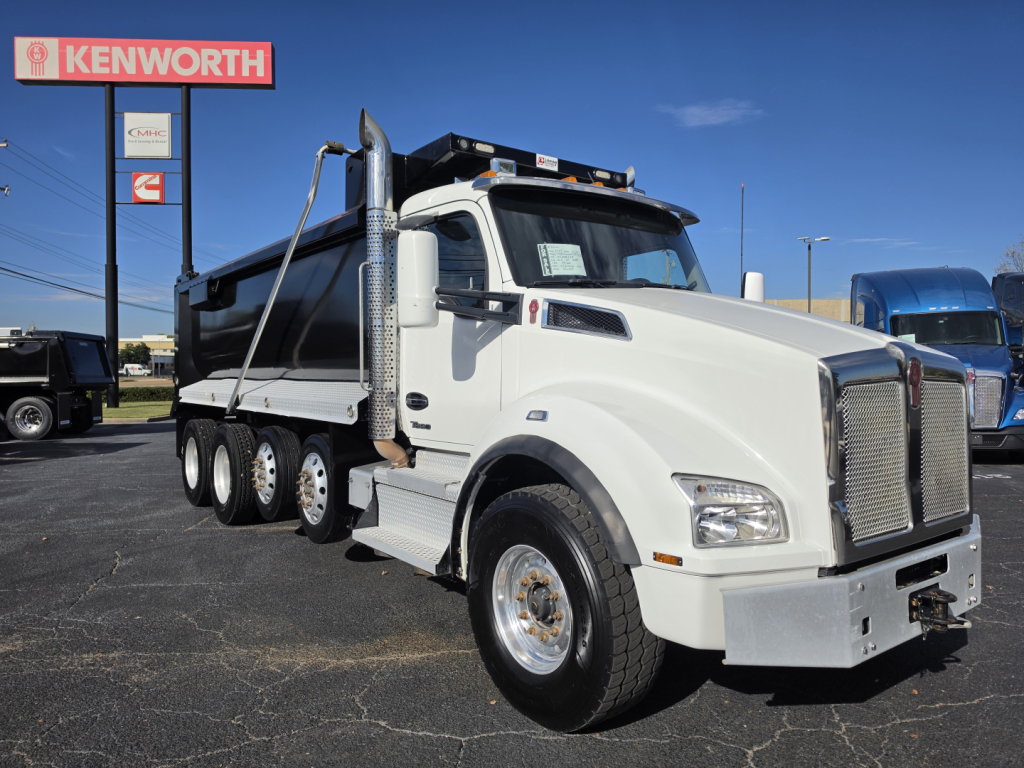
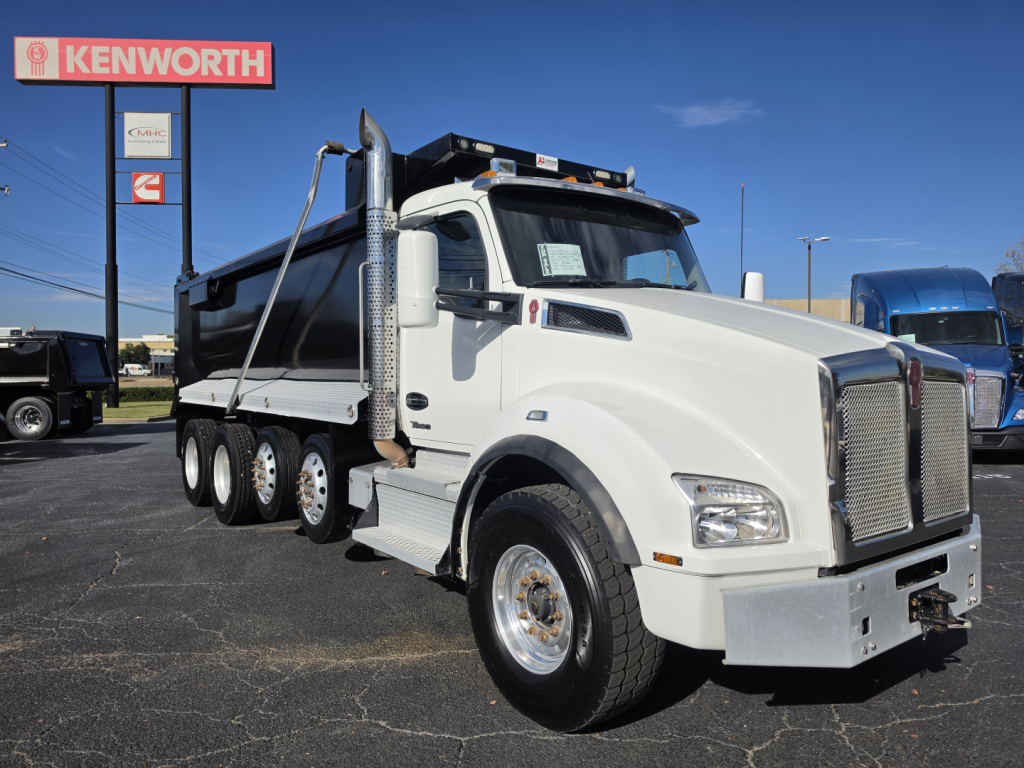
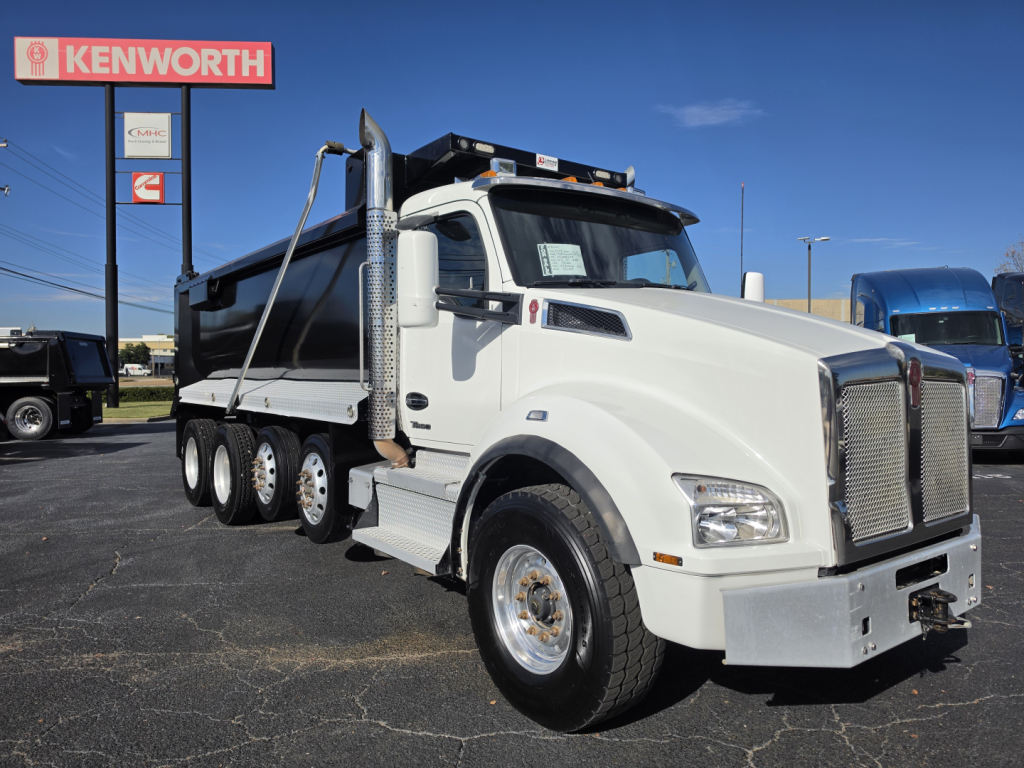
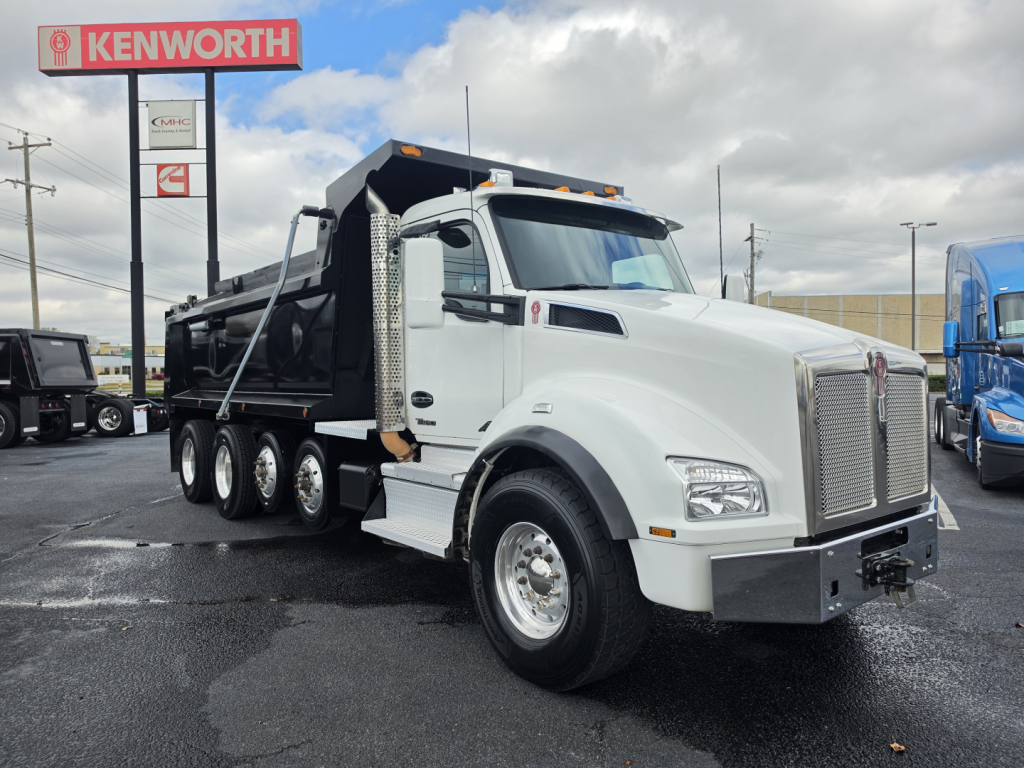
Selling a used kenworth dump truck? List your used kenworth dump truck for sale and reach thousands of commercial buyers.
Used Kenworth Dump Trucks in Tennessee
Kenworth's T880 and T800 are established vocational platforms, while W900 chassis also appear in dump service. Depending on build year and specification, engines include PACCAR MX-13 and Cummins ISX or X15 diesels. Allison automatics suit repeated loading and dumping cycles; Eaton manual and automated transmissions require different driving and maintenance considerations. Match wheelbase, steering geometry, suspension, and differential locks to the jobsite rather than choosing solely by engine output. Auxiliary axles add carrying capability only when their ratings, spacing, and legal use support it.
Used dump truck inspections should start beneath the body: examine hoist mounts, hinge pins, subframe attachments, and chassis rails for cracks, distortion, or undocumented repairs. Use the proper body support before inspecting underneath a raised bed. Compare ECM mileage, engine hours, idle time, and fault history with maintenance records, then check transmission service and differential condition. Engines certified to 2007 standards generally introduced DPF maintenance; 2010-standard engines generally added SCR and DEF systems. Confirm the actual engine configuration and emissions equipment. Tennessee trucks can also have northern service histories, so inspect brake plumbing, frame crossmembers, and electrical connections for salt corrosion.
Frequently Asked Questions about Used Kenworth Dump Trucks in Tennessee
Is a steel or aluminum dump body better for Tennessee quarry work?
Steel is usually the better choice for hauling large, abrasive quarry rock in a Kenworth dump truck. Floor thickness, steel grade, crossmember support, and loading technique determine how well the body survives impact. Aluminum can reduce empty weight for suitable aggregate or asphalt work, but buyers should verify the body manufacturer's material restrictions and inspect for cracked welds and floor damage.
Should I choose 4.30 or 4.56 rear gears in a Kenworth dump truck?
A 4.56 axle ratio provides more reduction than 4.30 with the same transmission and tires, helping a Kenworth dump truck start loaded on grades. The tradeoff is higher engine speed at the same road speed. Compare transmission first gear, top gear, tire diameter, and expected highway mileage before choosing; axle ratio alone does not establish gradeability or cruising efficiency.
How should I test the PTO and dump hydraulics on a used Kenworth?
Test a used Kenworth dump truck's PTO and hoist after the hydraulic oil reaches operating temperature, following the body manufacturer's procedure on firm, level ground. Slow lifting when warm, pump noise, foaming oil, or cylinder drift warrants diagnosis. Inspect hoses, cylinder stages, reservoir condition, and control operation, and never enter beneath a raised body without its approved support engaged.
What CDL do I need to drive a Kenworth dump truck in Tennessee?
A single Kenworth dump truck with a GVWR of 26,001 pounds or more generally requires a Class B CDL in Tennessee. Towing a trailer rated over 10,000 pounds generally requires Class A when the combination meets the commercial weight threshold. The driver must also have the appropriate air-brake qualification; an air-brake restriction can prevent operation of an otherwise suitable dump truck.
Is a used Kenworth dump truck with deleted emissions equipment legal for road work?
No. Removing or disabling required emissions controls on a road-going Kenworth dump truck violates federal anti-tampering requirements. A truck that runs without warning lights is not proof of compliance because altered software can suppress faults. Have a qualified shop verify the engine calibration and required hardware before purchase, and obtain a written assessment of any work needed to restore compliance.