
Used 2016 Dump Trucks For Sale in New York
Browse used 2016 dump trucks for sale in New York. Compare axle ratings, body specs, hydraulics, PTO setups, and plow-ready configurations.
Selling a used 2016 dump truck? List your used 2016 dump truck for sale to reach thousands of commercial buyers.
Used 2016 Dump Trucks in New York
For a 2016 dump truck, the core spec decisions are body construction, hoist style, drivetrain, and brake and suspension layout. Steel bodies are common for rock, scrap, and construction debris because they take abuse better than aluminum, while aluminum can help maximize legal payload in less severe applications. Buyers should look closely at side height, floor thickness, tailgate design, and whether the truck has a scissor hoist or telescopic cylinder. PTO-driven hydraulics are standard on most commercial dump setups, and a wet kit or multi-function hydraulic package can matter if the truck is also expected to run a plow, spreader, or other attachments. Suspension choice also affects performance. Spring suspensions remain common for durability, while rubber block or air options may improve ride or application flexibility depending on the chassis.
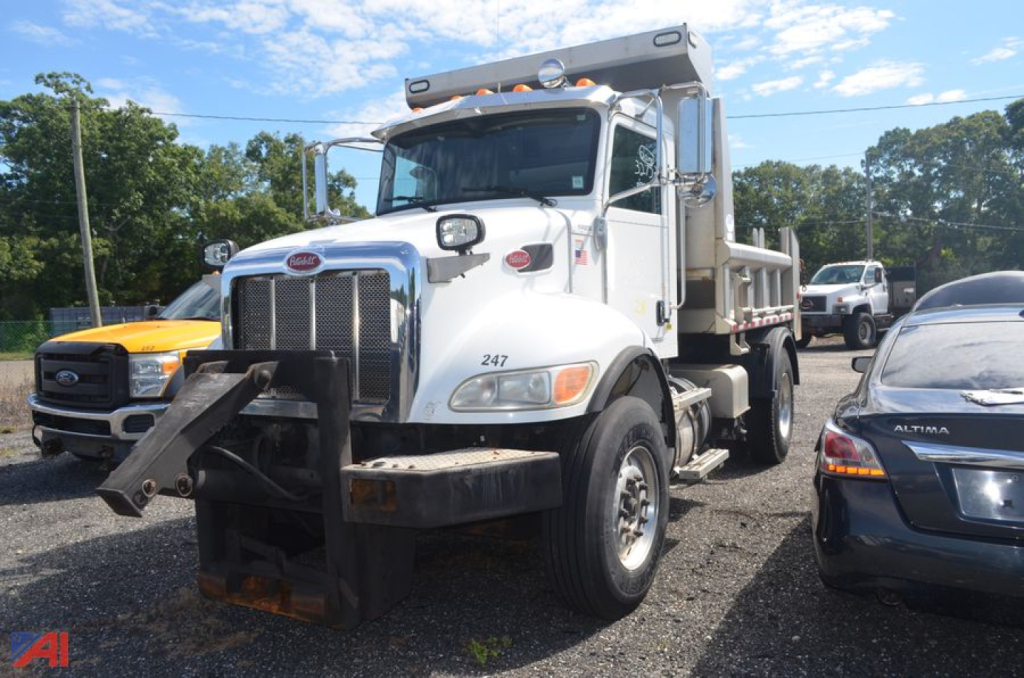
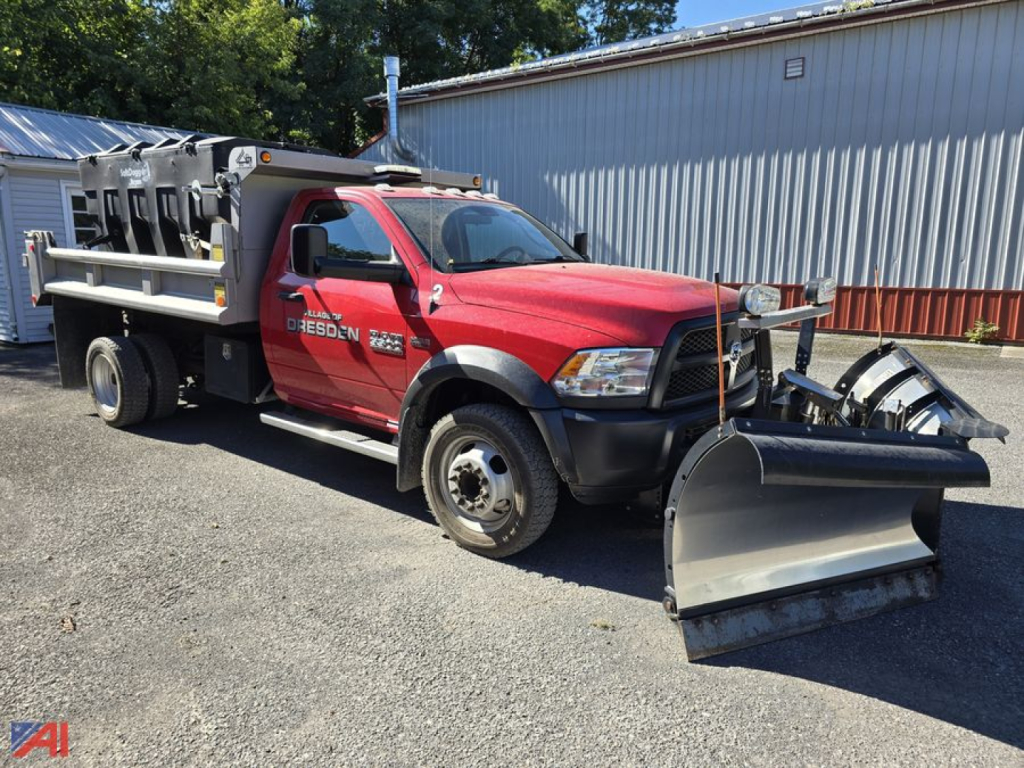
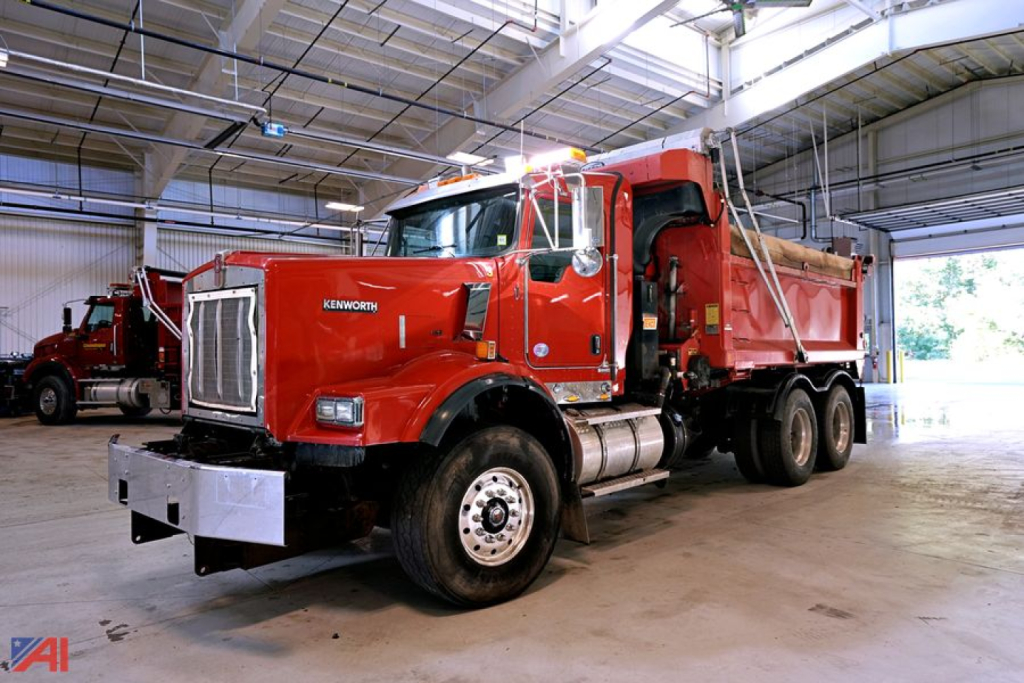
New York buyers often need to think beyond dump performance alone. Many used dump trucks in this market are spec'd for municipal or contractor service with front plow mounts, central hydraulics, underbody scrapers, sanders, and corrosion from winter road salt exposure. That makes frame condition, body crossmember integrity, hinge points, hoist pins, and cab corner rust especially important on a used 2016 model. Brake type, tire size, wheelbase, cab-to-axle, and turning radius also deserve attention because they directly affect maneuverability on tight streets, transfer stations, and jobsite entrances. Tandem rears are better suited for higher payloads and off-road traction, while single-axle dumps can be easier to operate in urban areas and may reduce maintenance and registration costs.
Engine and transmission choices on 2016 dump trucks vary widely by make and GVWR, but buyers should expect diesel power in most medium-duty and heavy-duty units, often paired with Allison automatic transmissions or manual gearboxes depending on prior vocation. Emissions equipment is part of the ownership equation on this year model, so service history for DPF, DEF, and related aftertreatment components matters. A good used 2016 dump truck should be evaluated as a working system, not just a chassis with a box. Inspect hydraulic response, PTO engagement, hoist operation under load, tailgate function, liner wear, electrical controls, and any auxiliary upfit equipment. For buyers comparing multiple listings, the best value usually comes from matching the truck's original vocational spec to the work it will actually do, rather than paying for capacity or attachments that will sit unused.
Frequently Asked Questions about Used 2016 Dump Trucks in New York
What should I check first on a used 2016 dump truck?
Start with the truck's vocational fundamentals: GVWR, front and rear axle ratings, body length, hoist type, and hydraulic setup. Then inspect the frame, dump body floor, crossmembers, tailgate hinges, hoist pins, and PTO operation. On trucks used in New York, rust and corrosion are major concerns, especially on plow-equipped or salt-service units. Service records for engine, transmission, brakes, and emissions components are also important because a 2016 model will typically include modern aftertreatment systems.
Is a single-axle or tandem-axle 2016 dump truck better?
It depends on payload, route, and jobsite conditions. A single-axle dump truck is often easier to maneuver, lighter, and less expensive to maintain, which makes it practical for urban delivery, landscaping materials, and many municipal tasks. A tandem-axle dump truck is usually the better choice for heavier aggregate hauling, rougher jobsites, and higher legal payload requirements. Buyers should compare axle ratings, wheelbase, and body capacity against the material they plan to haul most often.
Are 2016 dump trucks in New York commonly set up for plows and spreaders?
Yes. Many dump trucks in New York are configured for year-round municipal or contractor use with front plow mounts, hydraulic plow controls, sanders, and central hydraulic systems. That versatility can add value if snow and ice control is part of the intended use. It also means buyers should inspect hydraulic plumbing, electrical harnesses, front frame extensions, and signs of salt-related corrosion very carefully, since winter service can be hard on both the chassis and the body.
What body and hoist features matter most on a used dump truck?
Body material, floor condition, side height, and tailgate configuration are key because they determine how well the truck fits the material being hauled. Steel bodies are preferred for abrasive or impact-heavy loads, while lighter-duty applications may benefit from reduced tare weight. Hoist design matters as well. Scissor hoists are common and generally provide stable lifting for many applications, while telescopic cylinders are also widely used depending on body style and chassis spec. Buyers should confirm smooth lift operation, no major hydraulic leaks, and proper tailgate release and latch function.
Do emissions systems matter on a used 2016 dump truck?
Yes. Most 2016 medium-duty and heavy-duty dump trucks use emissions equipment such as DPF and DEF systems, and those components can affect uptime and operating cost if maintenance has been neglected. Buyers should look for fault codes, ask about regeneration history, and review any records related to sensors, injectors, filters, or aftertreatment repairs. A dump truck that idles extensively or sees short-route municipal service may have had tougher emissions-system duty than one used in steady on-road hauling.