
Used 2016 Dump Trucks For Sale
Browse used 2016 dump trucks for sale, including tandem and single-axle models with vocational specs for hauling aggregate, asphalt, debris, and snow.
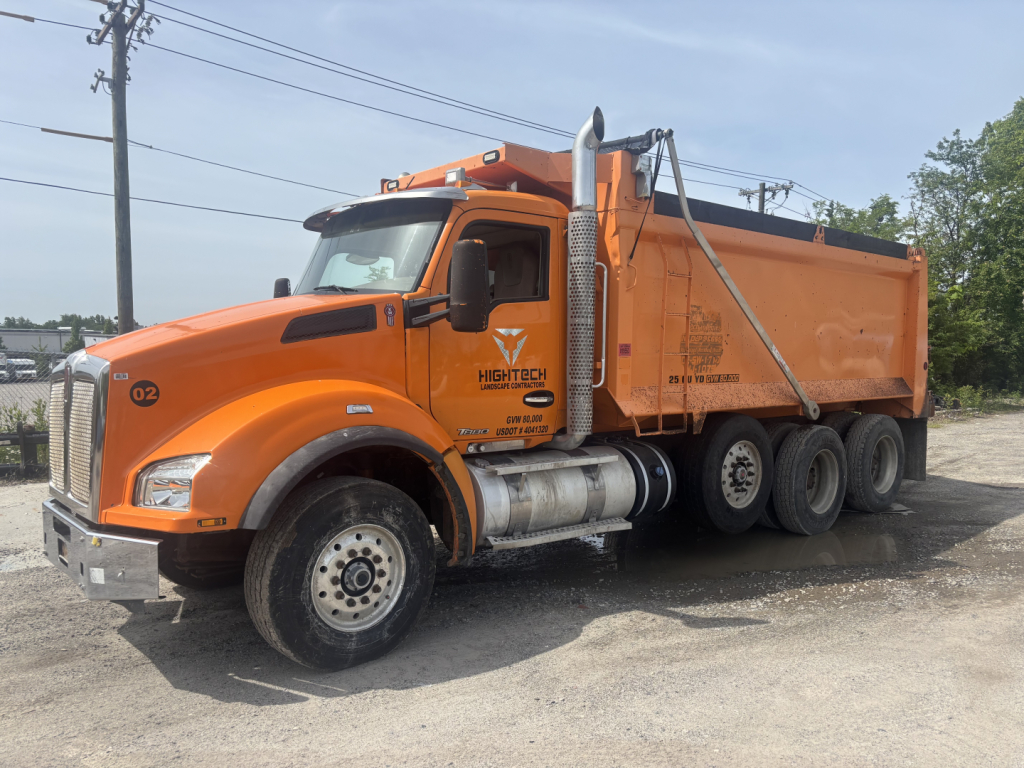
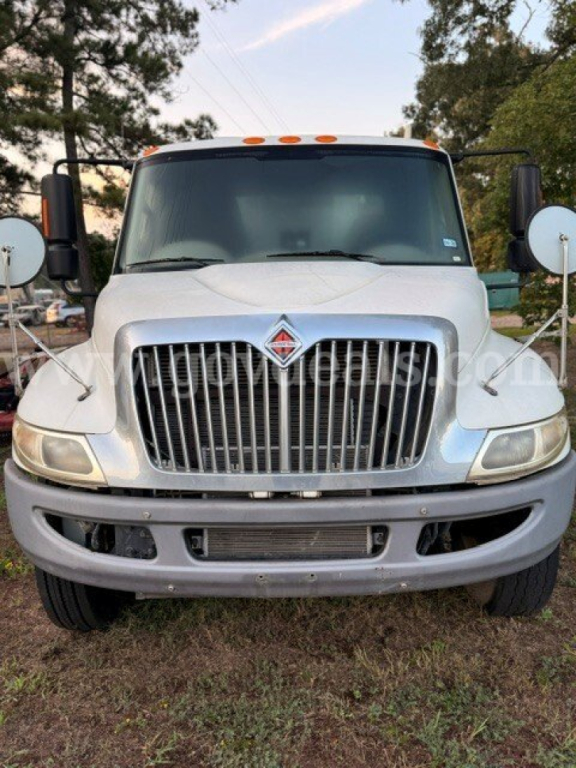
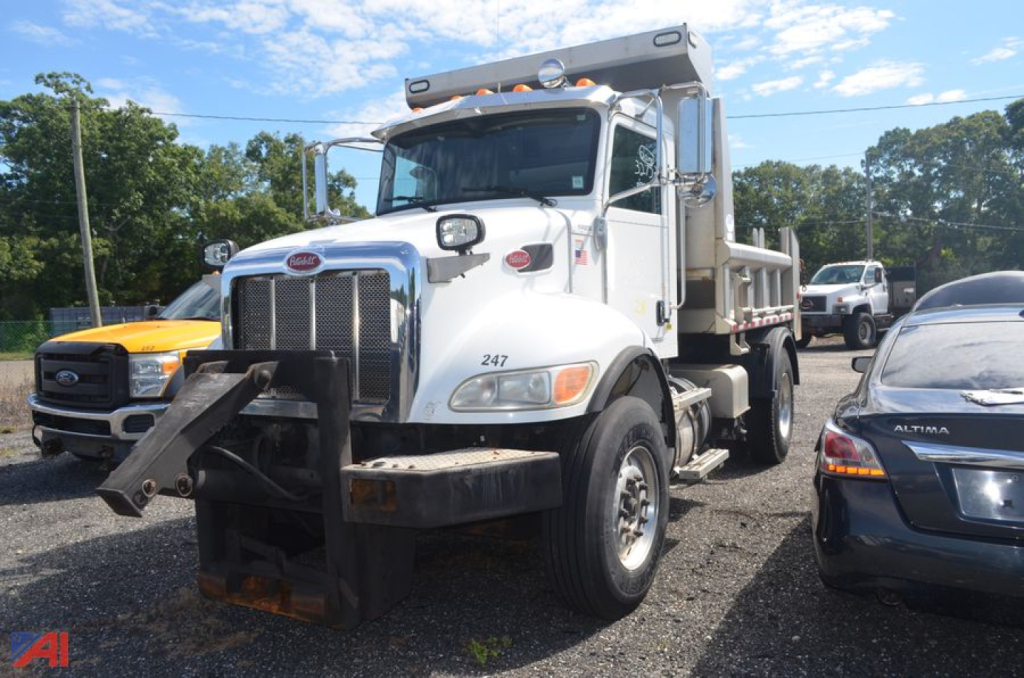
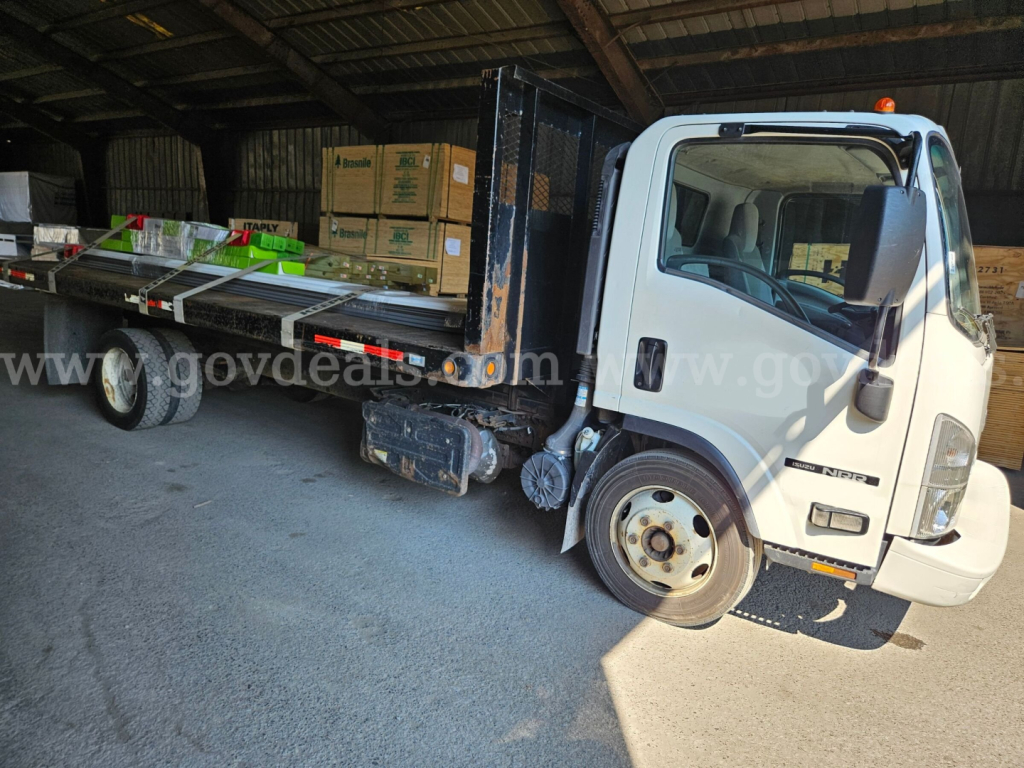
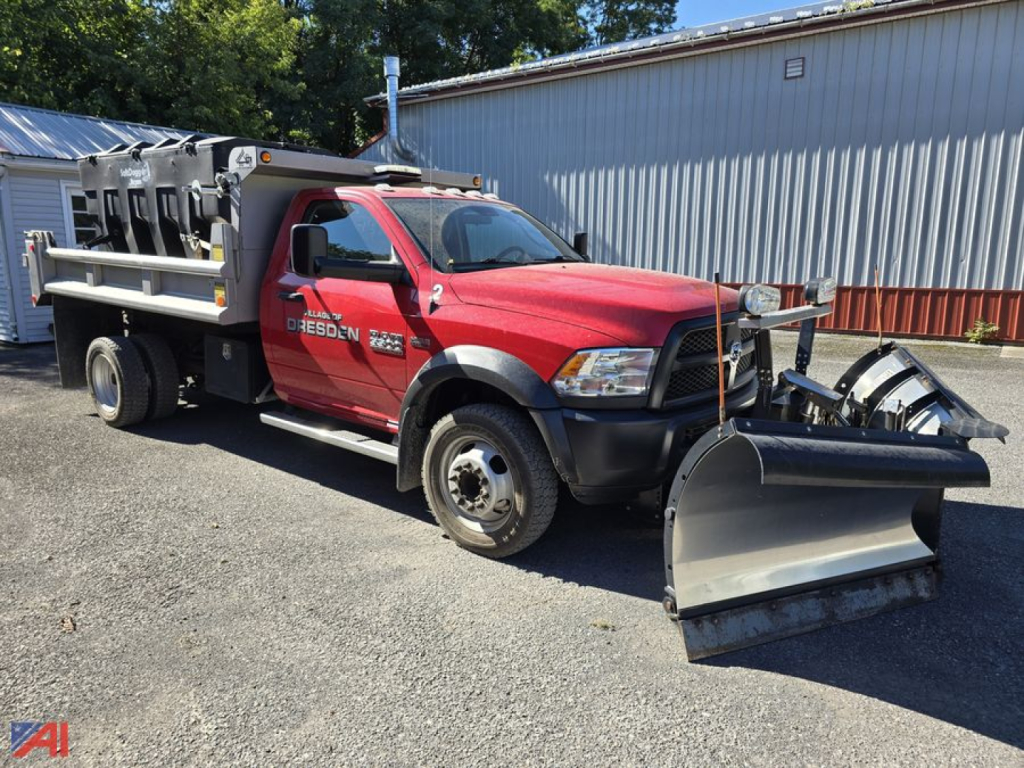
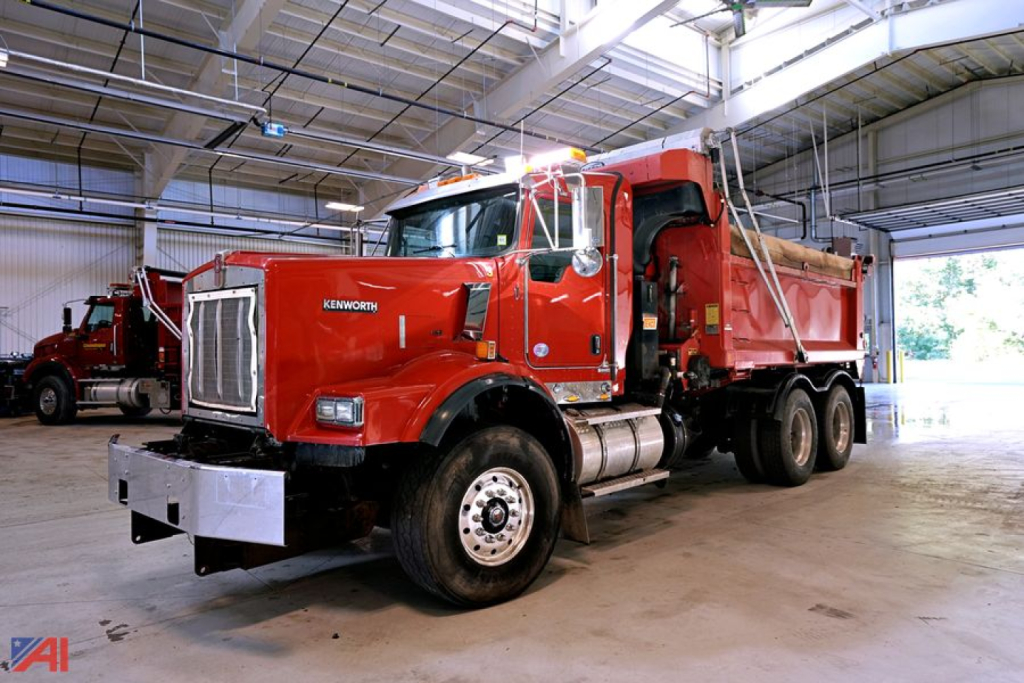
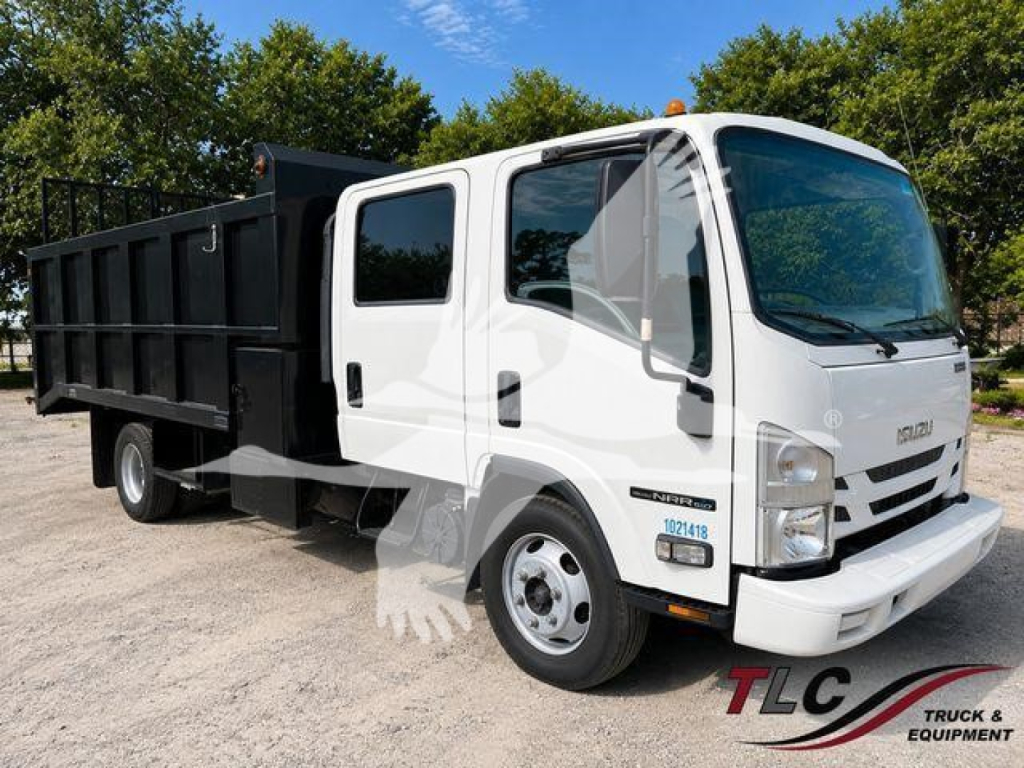
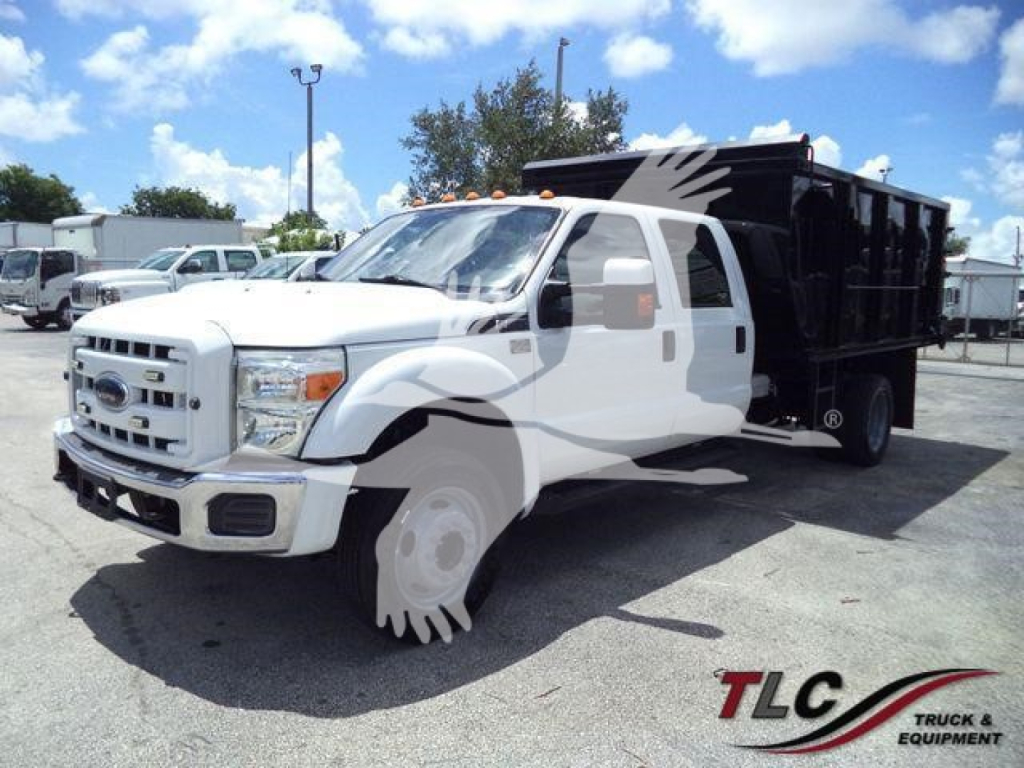
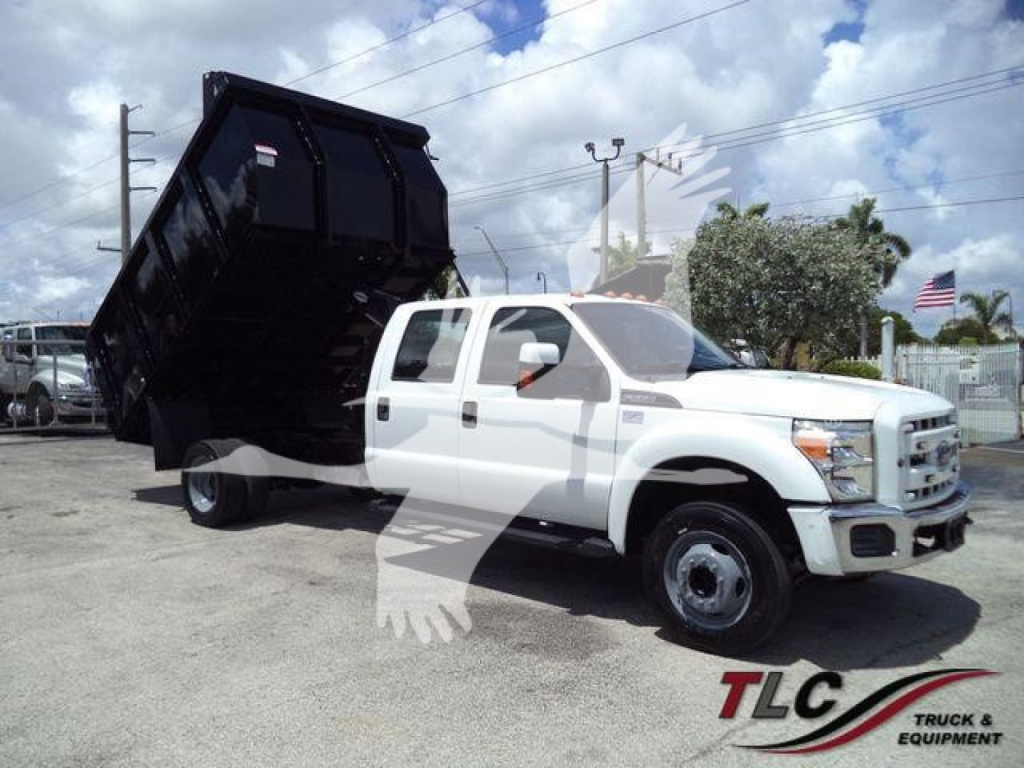
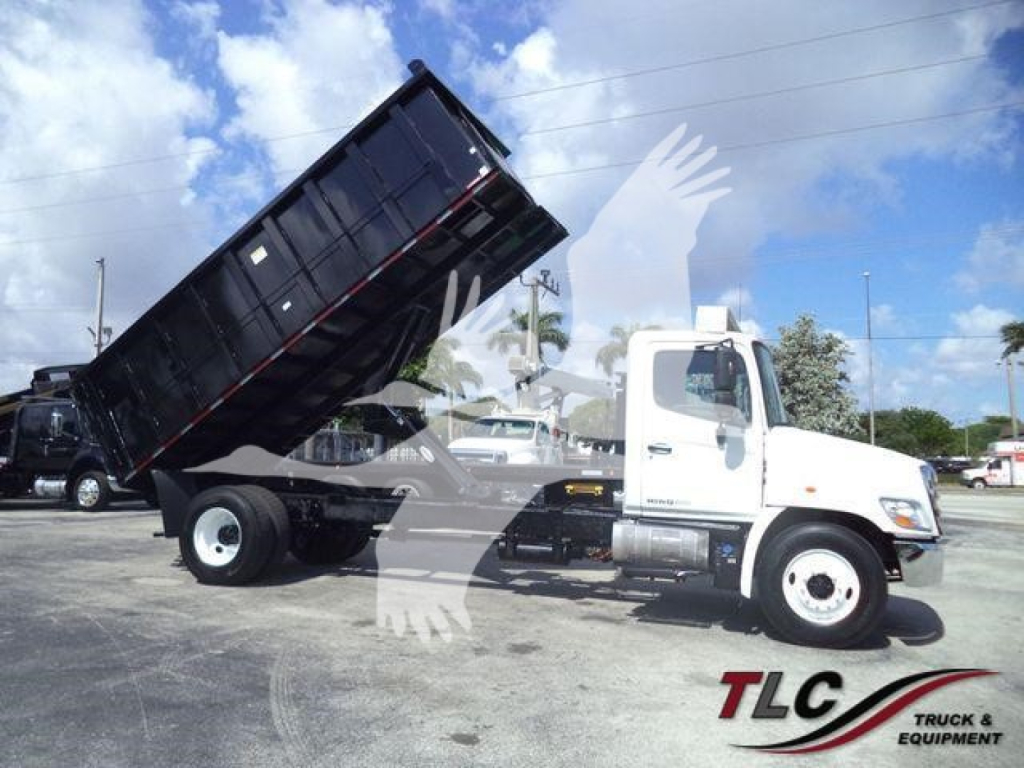
Looking for the easiest place to sell your used 2016 dump truck? List it here to reach thousands of buyers.
Used 2016 Dump Trucks
Body size and axle configuration should drive the first buying decision. A single-axle 2016 dump truck is often the right fit for tighter job sites, local material delivery, patch crews, and municipal departments that need maneuverability over payload. Tandem-axle trucks are more common for heavier hauling and usually carry larger bodies, stronger suspensions, and higher legal payload potential. Buyers should compare body length, side height, material type, hoist design, and tailgate setup. Common dump body specs include steel or aluminum construction, half-round or rectangular bodies, underbody or telescopic hoists, and options like tarp systems, coal chutes, asphalt gates, pintle hitches, and electric or air controls. If the truck has been used in snow service, check for front plow mounts, wing plow provisions, central hydraulics, spreader controls, and corrosion around the frame, body, wiring, and hydraulic components.
On a 2016 model, powertrain details matter as much as body condition. Many dump trucks from this year use diesel engines in the 300 to 500 horsepower range paired with Allison automatics, automated manuals, or traditional manual transmissions such as 8LL and 10-speed vocational setups. Rear axle ratios, suspension type, and axle ratings have a direct effect on gradeability, off-road traction, and payload performance. A buyer should verify front axle capacity, rear suspension type, frame rail specs, PTO operation, wet kit or central hydraulic setup, and brake configuration. Dump trucks live hard lives, so attention should go to hinge points, hoist pins, crossmembers, floor wear, tailgate alignment, steer axle loading, and signs of frame cracking or previous repairs. On emissions-equipped 2016 diesels, maintenance records for DEF, DPF, EGR, and aftertreatment service are especially important.
Used 2016 dump trucks can also vary widely by prior application, and that history tells you a lot. A truck that spent its life hauling asphalt or stone may show body wear and suspension fatigue, while a former municipal truck may have lower miles but higher idle hours, seasonal salt exposure, and added hydraulic complexity. Hour meter readings, PTO hours, and service documentation can be as important as odometer mileage. For buyers comparing multiple listings, the best value usually comes from matching the truck's body, axle package, and vocational equipment to the work it will actually perform instead of buying strictly on price or engine badge alone.
Frequently Asked Questions about Used 2016 Dump Trucks
What should I look for first when buying a used 2016 dump truck?
Start with axle configuration, GVWR, and dump body specs because those factors determine whether the truck fits the work. A single-axle truck is often better for lighter payloads and tighter routes, while a tandem is better suited for heavier material hauling. After that, inspect the body floor, hoist, tailgate, frame, suspension, PTO operation, and hydraulic system. Service records and evidence of emissions-system maintenance are especially important on a 2016 diesel truck.
Are 2016 dump trucks a good balance between price and modern features?
Yes. Many 2016 dump trucks offer a solid middle ground between older pre-emissions vocational trucks and much newer high-cost units. Buyers can often get newer cab layouts, improved automatic or automated transmissions, and more current vocational chassis designs at a lower acquisition cost than late-model trucks. The tradeoff is that emissions components, hydraulic wear, and body fatigue need to be checked carefully because these trucks are old enough to have seen heavy vocational use.
How important are hours on a dump truck compared to miles?
Hours matter a great deal, especially on municipal and jobsite trucks. Dump trucks often spend significant time idling, running PTO equipment, operating plows or spreaders, or waiting in line at plants and landfills. A truck with moderate miles but very high engine or PTO hours may have more wear than the odometer suggests. Comparing miles, engine hours, PTO hours, and maintenance history gives a much more accurate picture of actual use.
What are common body and hoist setups on used 2016 dump trucks?
Common setups include rectangular and half-round dump bodies in steel or aluminum, with underbody hoists or telescopic front-mounted cylinders depending on the application. Steel bodies are preferred for abrasive or demolition material, while aluminum can help reduce tare weight for payload-sensitive operations. Buyers should also look at side height, floor thickness, tailgate style, tarp system condition, and whether the truck has specialty equipment such as asphalt gates, spreaders, or plow gear.
What problems are common on used dump trucks from this year range?
Typical trouble areas include worn body floors, cracked crossmembers, hoist leaks, tailgate misalignment, suspension wear, steering component play, rust from year-round or winter service, and electrical issues tied to auxiliary equipment. On 2016 emissions trucks, DPF, DEF, EGR, and sensor-related problems can add cost if maintenance has been deferred. A careful inspection should also check for frame repairs, uneven tire wear, brake condition, and signs the truck has been consistently overloaded.