
Dump Trucks For Sale in Rhode Island
Have dump truck to sell? List it here to reach thousands of buyers.
Dump Trucks in Rhode Island
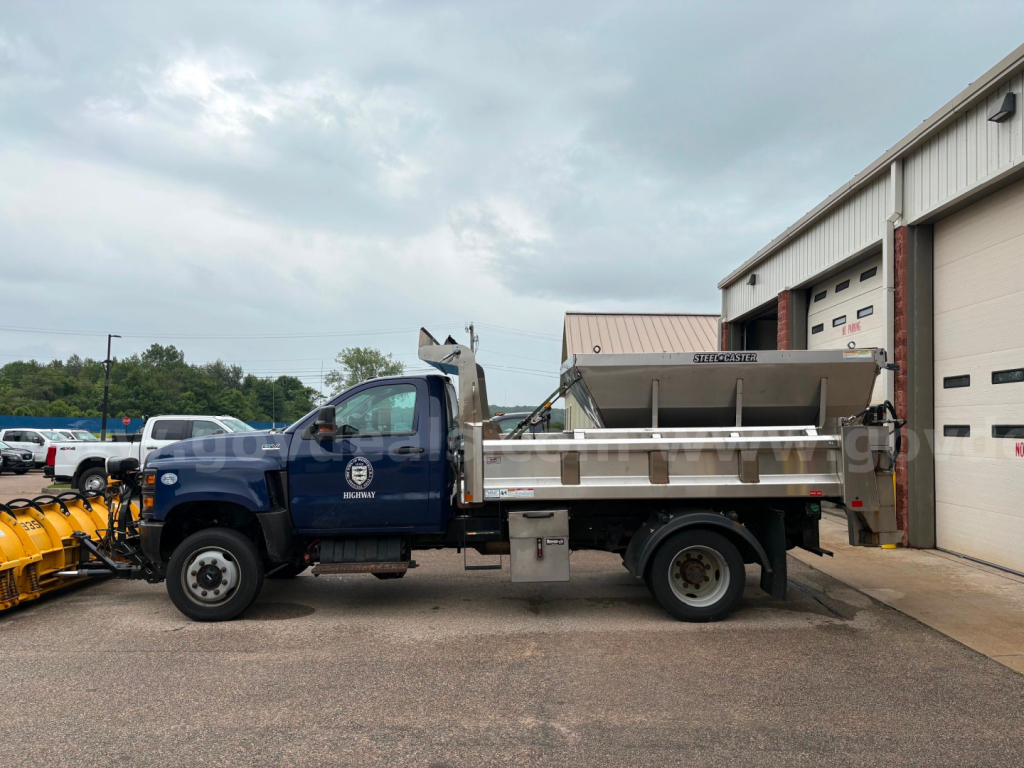
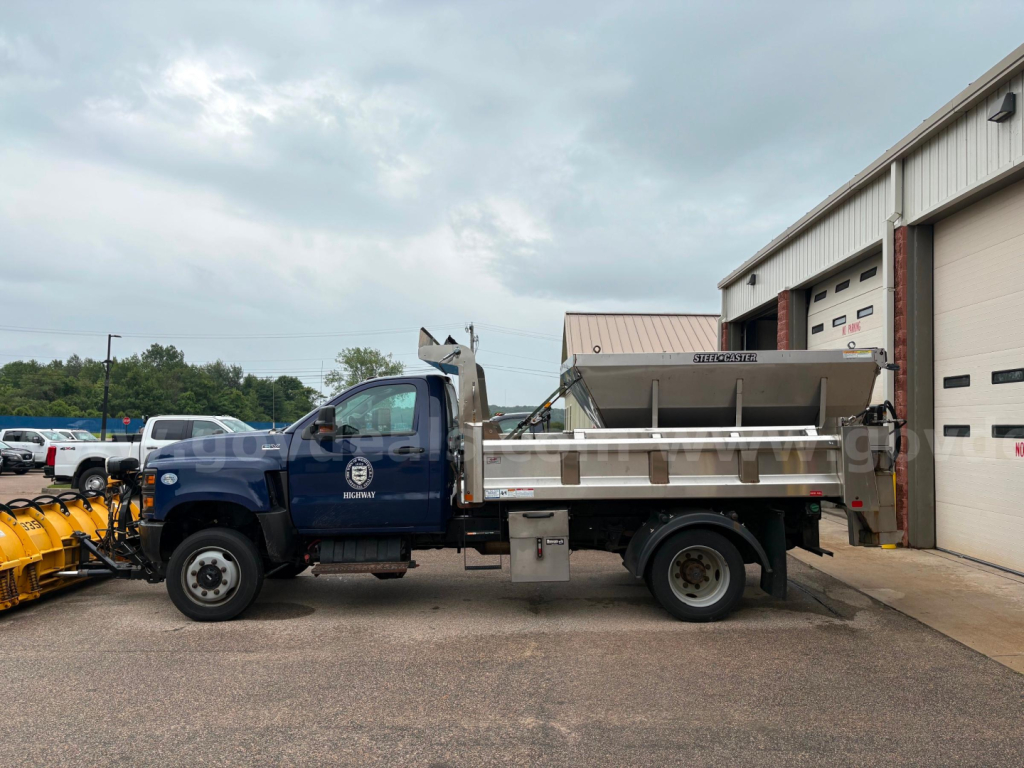
Body specification is just as important as the chassis. Steel dump bodies are common for rock, broken concrete, and abrasive demolition material, while lighter-weight aluminum bodies may make sense when maximizing legal payload on less abrasive loads. Buyers should check body length, side height, floor thickness, hoist type, tailgate design, and whether the truck has a liner, asphalt gate, tarp system, or pintle hitch. PTO and hydraulic performance deserve close attention because slow cycle times or weak hoist operation can hurt productivity on paving, site work, and snow-related municipal jobs. If the truck is intended to pull a tag trailer or equipment trailer, rear axle ratio, hitch rating, and brake setup should be reviewed closely.
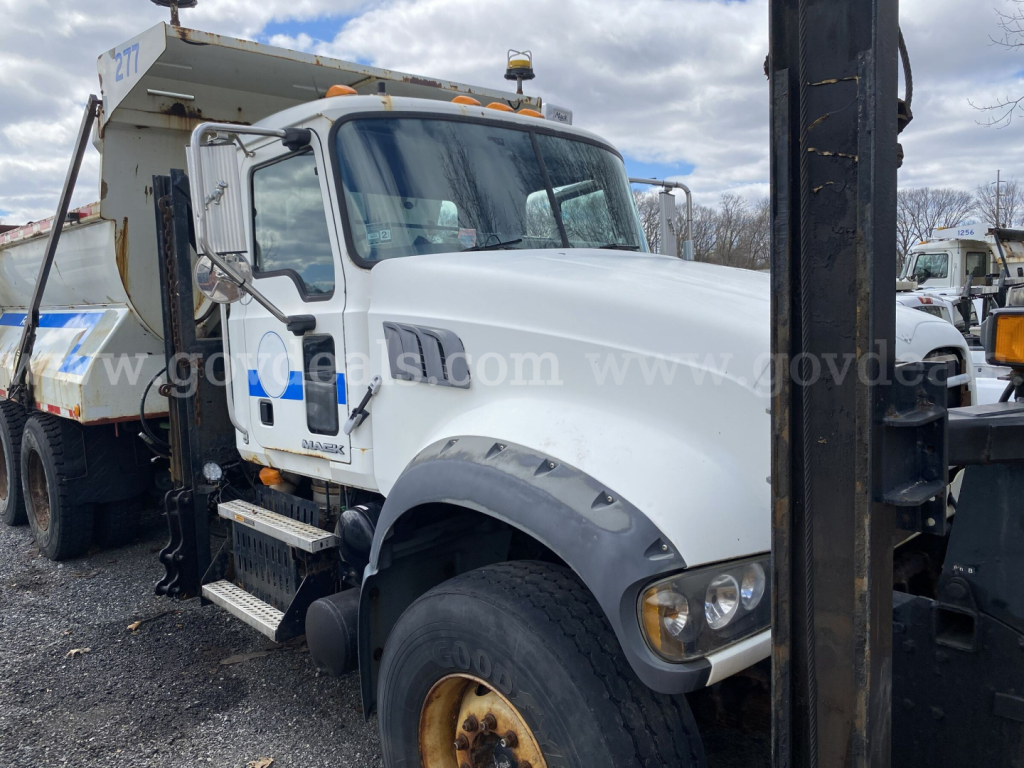
For Rhode Island use, condition and corrosion exposure often deserve extra scrutiny. Trucks that have worked through coastal weather and winter road salt should be checked carefully for frame scale, cab corrosion, crossmember condition, wiring repairs, hydraulic line wear, and body mount fatigue. Buyers should also evaluate suspension type, bridge-law considerations, tire size, and wheelbase, since those factors affect maneuverability, legal payload, and how the truck carries weight on local roads and job sites. A locking rear, camelback or vocational air suspension, and severe-duty transmission spec can all make a noticeable difference in traction and service life.
Most dump trucks in this class are powered by medium- to heavy-duty diesel engines paired with manual, automated manual, or automatic transmissions, depending on the work and driver preference. Mileage matters, but engine hours, PTO hours, and maintenance history often tell the better story on a vocational truck. A well-matched dump truck should be judged by its axle ratings, body condition, hydraulic system, and previous application at least as much as by model year. For contractors, municipalities, excavators, and material haulers, the right dump truck is the one that meets local weight limits, survives severe-service use, and cycles material efficiently all day.
Frequently Asked Questions about Dump Trucks in Rhode Island
What is the difference between a single-axle and tandem-axle dump truck?
A single-axle dump truck usually has one rear drive axle and is generally easier to maneuver, lighter, and less expensive to operate. It often fits landscaping, light construction, and municipal work in tighter areas. A tandem-axle dump truck has two rear axles, higher gross weight capacity, and better suitability for aggregate, asphalt, excavation spoil, and demolition loads. The right choice depends on payload targets, road restrictions, and how tight the job sites are.
What should I inspect first on a used dump truck?
Start with the frame, dump body, hoist, PTO, and hydraulic system because those components define the truck's vocational value. Check for cracks, rust-through, bent rails, leaking cylinders, sloppy hinge points, body floor wear, and tailgate issues. Then review engine condition, transmission operation, suspension, brake wear, and axle ratings. On trucks used in snowy or coastal regions, corrosion on crossmembers, cab mounts, wiring, and hydraulic lines is especially important.
Is a steel or aluminum dump body better?
Steel bodies are generally preferred for heavy rock, concrete, and abrasive debris because they resist impact damage better and hold up well in severe-duty service. Aluminum bodies reduce tare weight and can improve legal payload on lighter materials, but they are not always the best fit for harsh demolition or quarry work. Body choice should match the material being hauled, expected cycle count, and total cost of ownership rather than just initial weight savings.
Why does wheelbase matter on a dump truck?
Wheelbase affects turning radius, bridge-law compliance, load distribution, and body length options. A shorter wheelbase is helpful for maneuvering through tight city streets, transfer stations, and compact job sites, while a longer wheelbase may support a longer body and improve load placement. The best wheelbase is the one that balances legal axle loading with the maneuverability required for the truck's actual routes and job conditions.
Are engine hours important on a dump truck?
Yes. Engine hours can be more revealing than mileage on a vocational truck because dump trucks often spend long periods idling, powering PTO functions, or working in low-speed stop-and-go conditions. A truck with moderate miles but very high hours may have more wear than the odometer suggests. Buyers should consider mileage, hours, maintenance records, PTO use, and the truck's previous job type together.