
Peterbilt Dump Trucks For Sale in New York
Shop Peterbilt dump trucks for sale in New York. Compare specs, axle setups, body options, PTO systems, and jobsite-ready configurations.
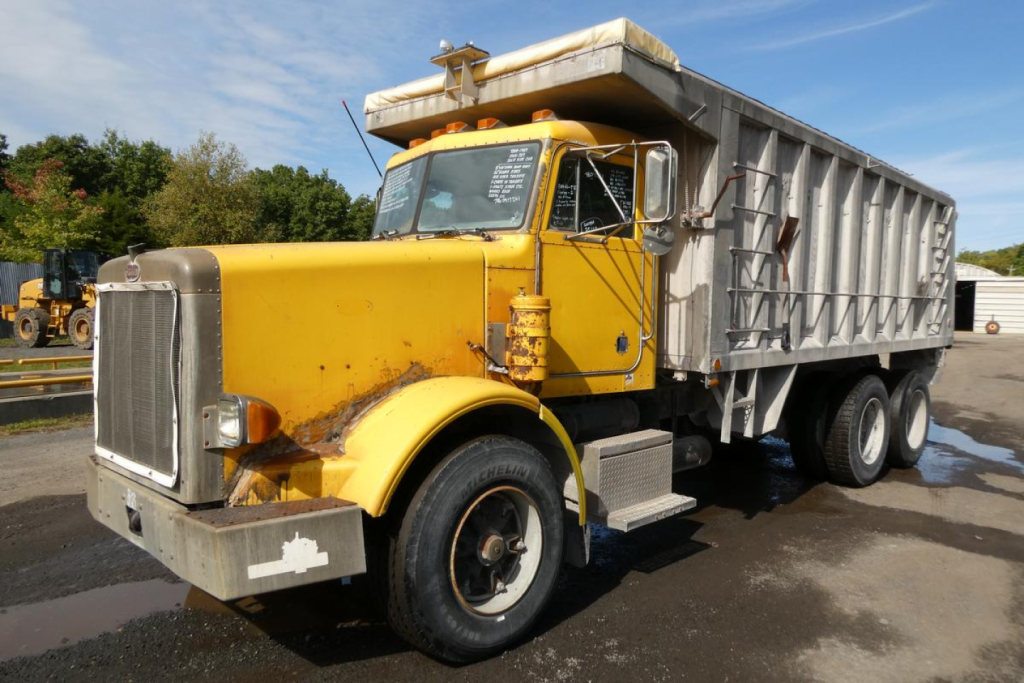
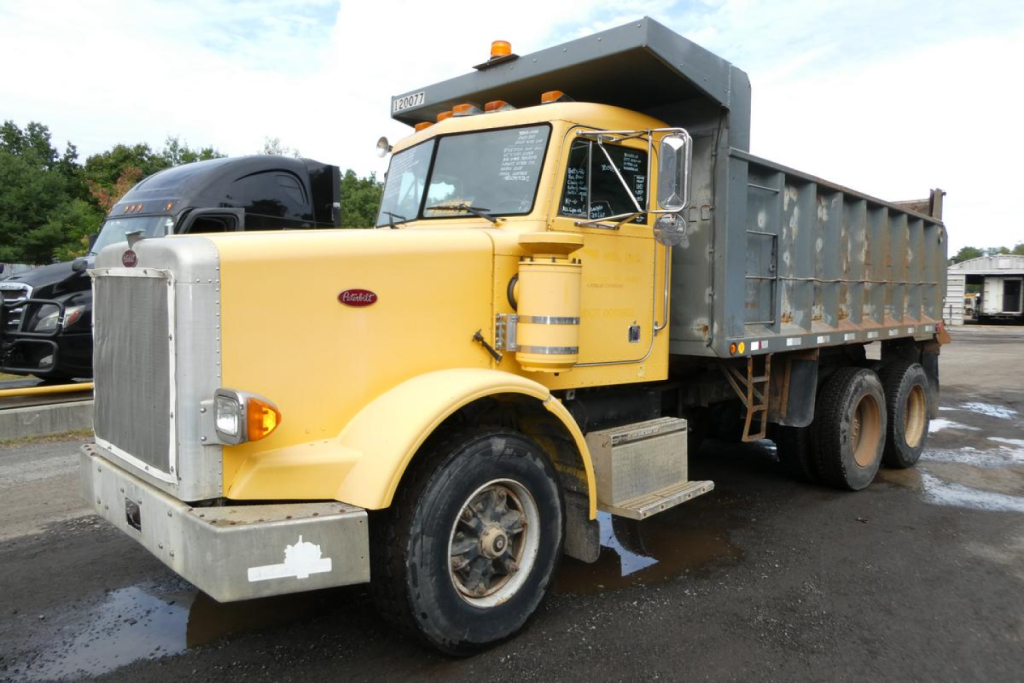
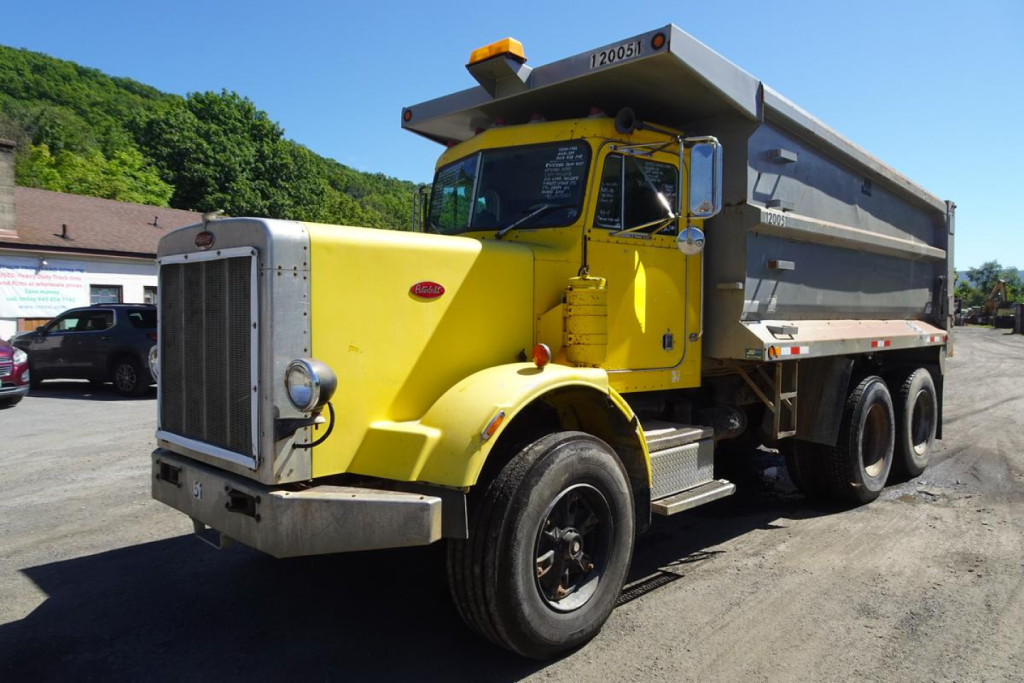
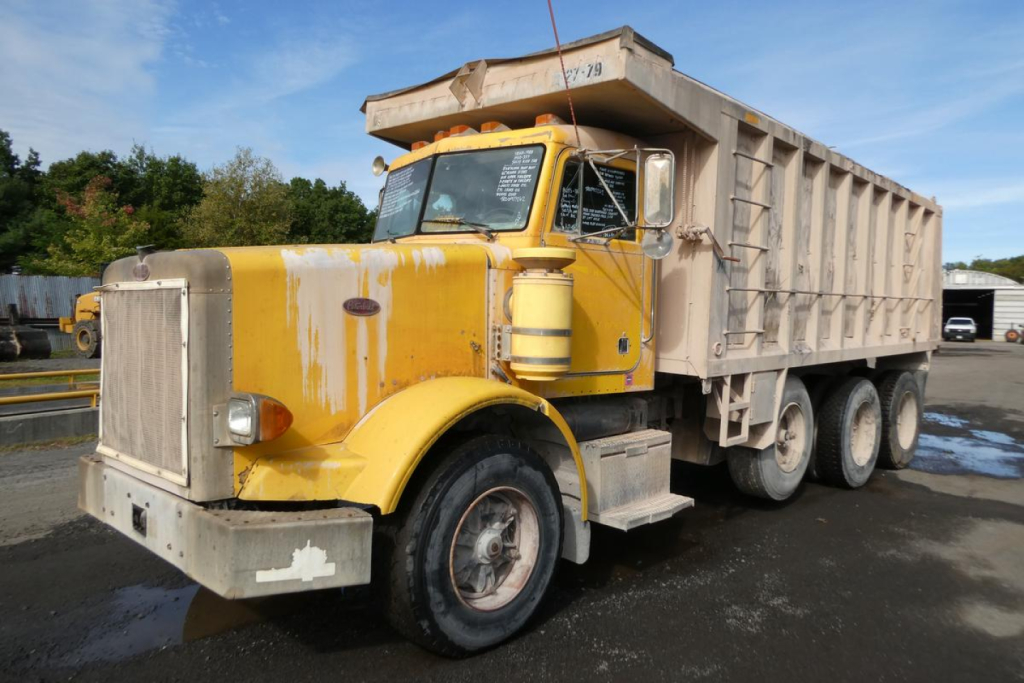
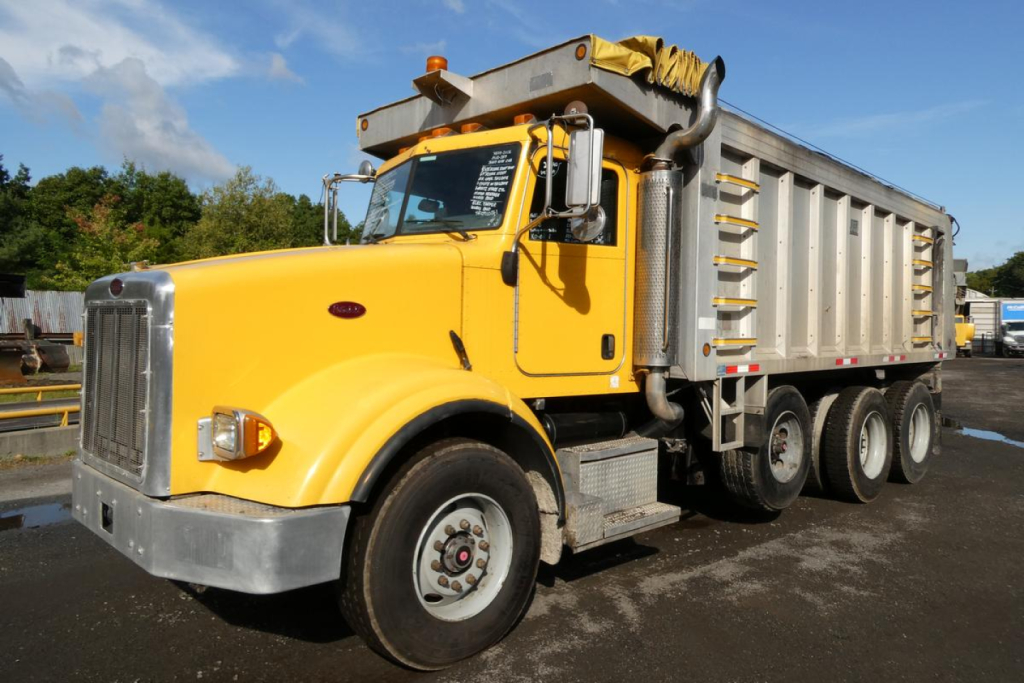
Selling a peterbilt dump truck? List your peterbilt dump truck for sale and reach thousands of commercial buyers.
Peterbilt Dump Trucks in New York
A serious dump truck comparison should start with the chassis and hoist package, not just the badge on the hood. Buyers should look at GVWR, front axle capacity, rear axle ratios, suspension type, wheelbase, and PTO compatibility. Body specs matter just as much. Common dump body choices include steel or aluminum construction, half-round or square bodies, high-lift tailgates, coal chutes, electric tarps, and pintle hitch setups for trailer work. In snow country, many New York operators also want front plow mounts, central hydraulics, underbody scrapers, wing plow provisions, and corrosion resistance features that hold up better against salt exposure. If the truck will spend time on soft jobsites, axle lock, suspension spec, and tire size can be as important as engine horsepower.
Peterbilt dump trucks are often spec'd with diesel engines in the vocational horsepower range, paired with manual, automated manual, or automatic transmissions depending on driver preference and stop-and-go duty cycle. Lower gearing can improve launch and grade performance when hauling heavy material, while the right wheelbase helps balance turning radius against body capacity. Buyers comparing used units should pay close attention to frame condition, hoist operation, liner wear, floor and side integrity, hydraulic leaks, PTO engagement, and signs of overloading. On higher-hour trucks, suspension bushings, steer axle wear, brake condition, and the condition of the box crossmembers can tell you a lot about how the truck was worked.
For New York applications, the best Peterbilt dump truck is usually the one matched tightly to the work: site work, municipal road maintenance, asphalt haul, landscape material, or winter service. A truck set up for paving may need different body dimensions and suspension behavior than one used for snow and ice control. If payload is the priority, body material and axle layout deserve close review. If uptime is the priority, service history, engine platform, and hydraulic system condition move to the top of the list. Peterbilt remains a strong fit in the dump truck market because these trucks can be spec'd for severe duty, regional hauling, or all-season municipal work without giving up operator comfort or vocational capability.
Frequently Asked Questions about Peterbilt Dump Trucks in New York
What should I look for first when buying a Peterbilt dump truck?
Start with axle configuration, GVWR, body size, and the truck's intended material. A Peterbilt dump truck hauling asphalt or stone needs a different setup than one used for mulch, snow removal, or municipal patch work. After that, inspect the hoist, PTO, hydraulics, frame rails, suspension, and dump body condition. Payload capacity, wheelbase, and local bridge-law compliance matter more than cosmetic condition.
Which Peterbilt models are common in dump truck applications?
Peterbilt vocational models such as the 357 and 367 are common in dump truck service because they are built to accept heavy front axles, multiple rear axle configurations, PTO-driven hydraulic systems, and severe-duty frame specs. The exact model matters less than how the chassis was ordered, because dump truck performance is heavily influenced by axle ratings, gearing, suspension, and the body and hoist package installed on the truck.
Is a tandem axle or tri-axle Peterbilt dump truck better in New York?
It depends on the payload target, route type, and local weight requirements. Tandem axle trucks are often easier to maneuver and can be a good fit for tighter jobsites and shorter hauls. Tri-axle dump trucks can offer better legal payload potential where regulations and application support the extra axle. In New York, buyers often compare both layouts based on bridge laws, turning radius, and how frequently the truck will run on municipal streets versus larger road projects.
What dump body features are most useful on a Peterbilt dump truck?
The right dump body depends on the material and season. Steel bodies are common for abrasive or demolition material, while aluminum bodies can help reduce tare weight for payload-sensitive work. Useful options include high-lift tailgates, air-operated gates, asphalt liners, electric or manual tarps, pintle hitches, vibrator systems, and coal chutes. For winter service, front plow mounts, salt spreader hydraulics, and corrosion-resistant components are especially important.
How do I evaluate a used Peterbilt dump truck's condition?
Check for rust and cracking on the frame, hoist mounts, body floor, sidewalls, tailgate, and crossmembers. Test the PTO and hoist through a full cycle and look for slow lift times, hydraulic leaks, or unstable body movement. Review wear in the suspension, steering, brakes, and driveline, and look closely at signs of chronic overloading such as frame repairs, distorted body panels, or uneven tire wear. A truck with a clean service history and a sound hydraulic system is usually a better vocational buy than one with a freshly painted but tired dump body.