
Dump Trucks For Sale in New Hampshire
Browse dump trucks for sale in New Hampshire. Compare specs, body sizes, axle setups, PTO hydraulics, and hauling applications.
No exact matches found for your search
Showing Dump Trucks instead.
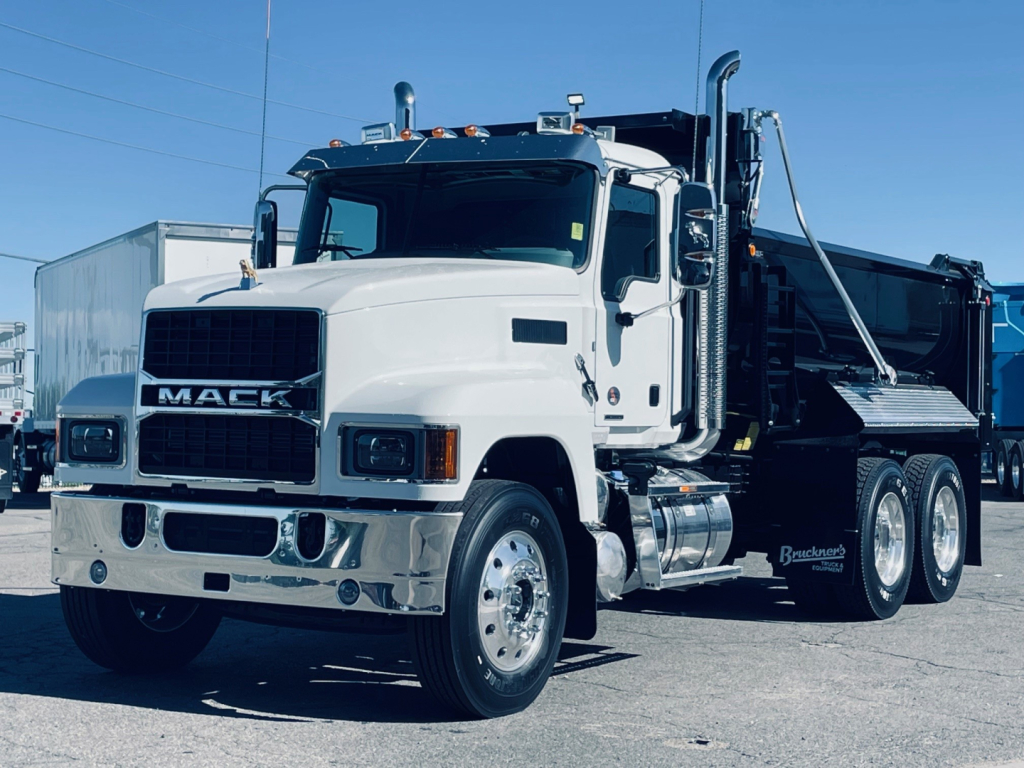
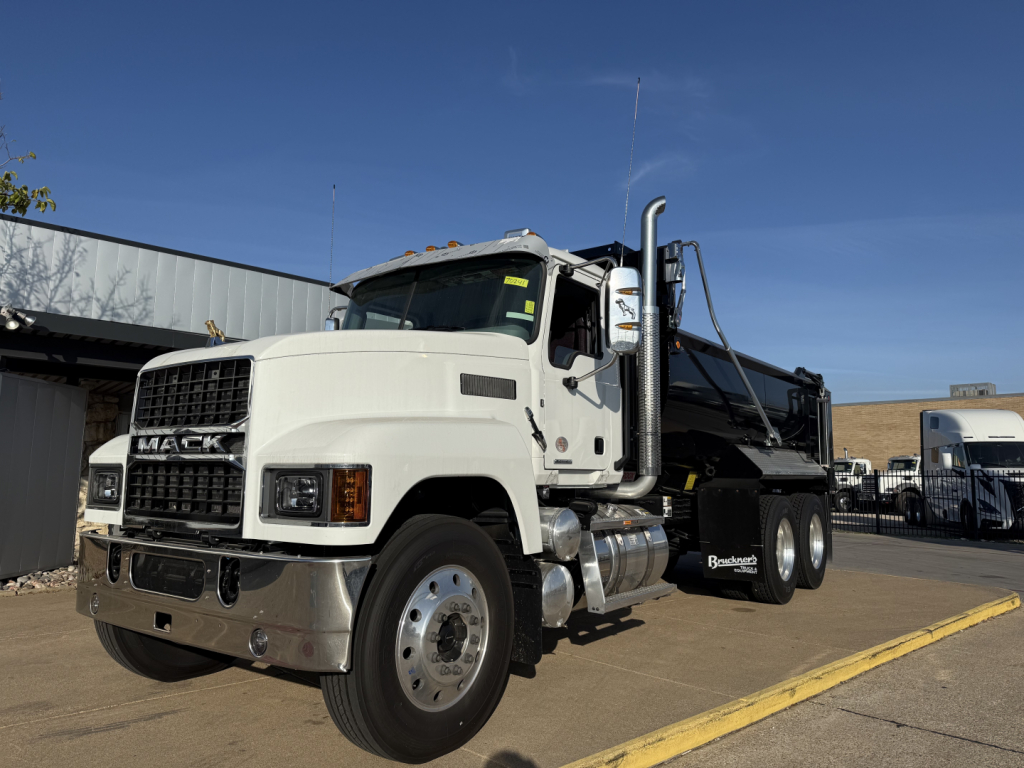
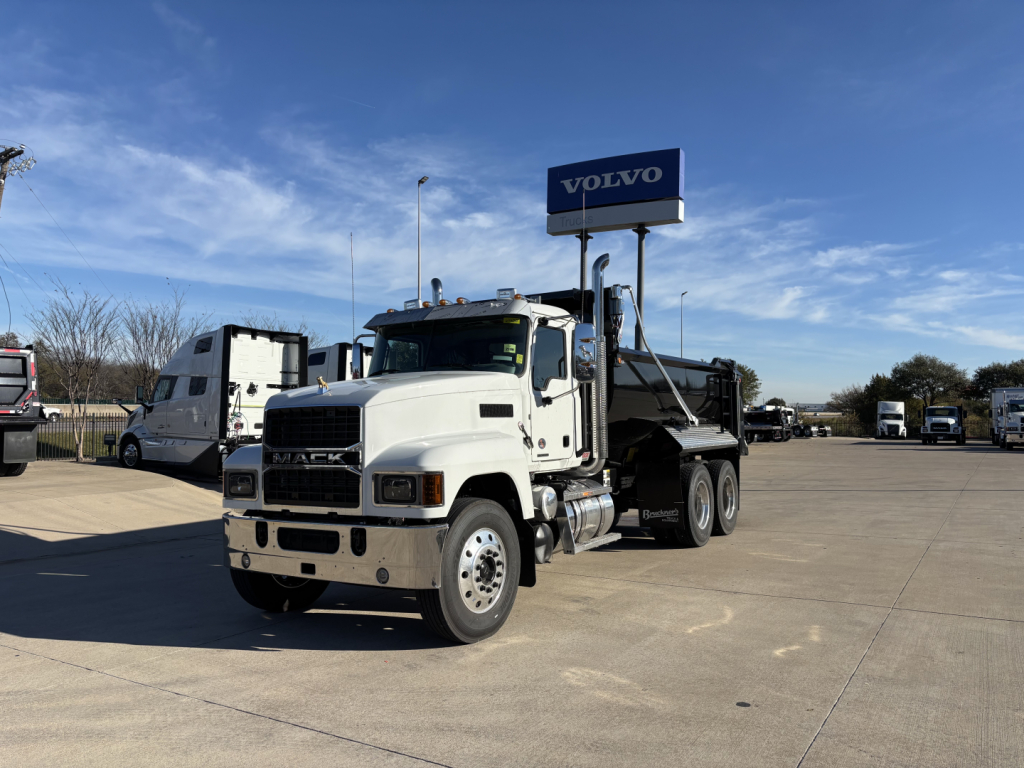
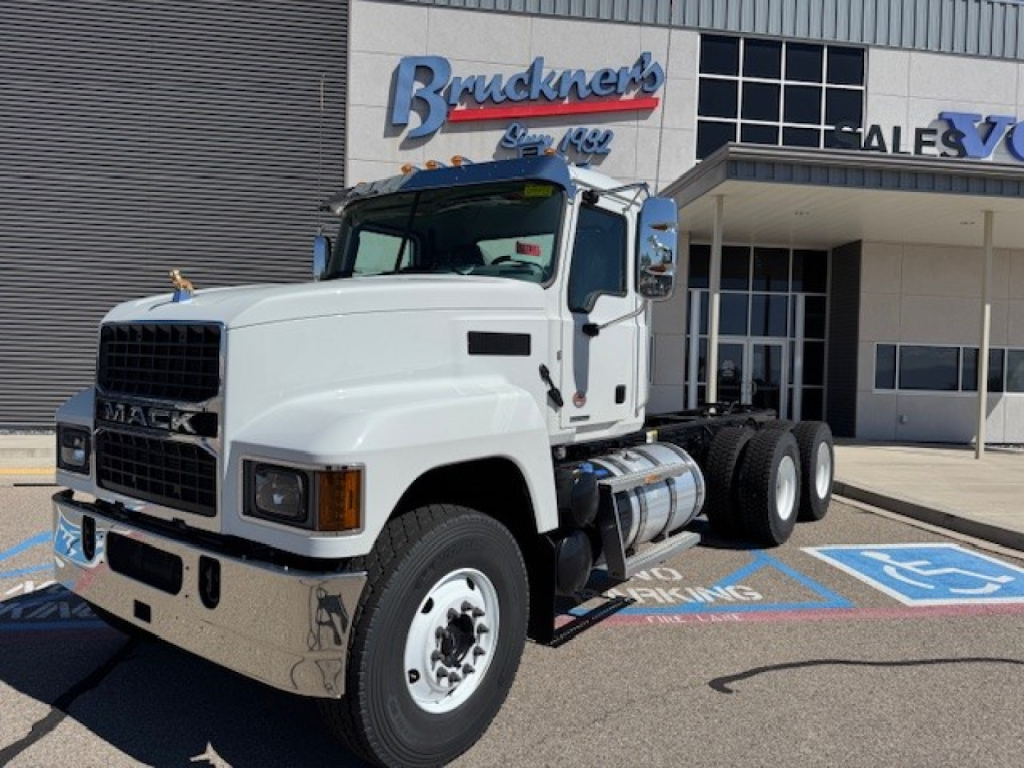
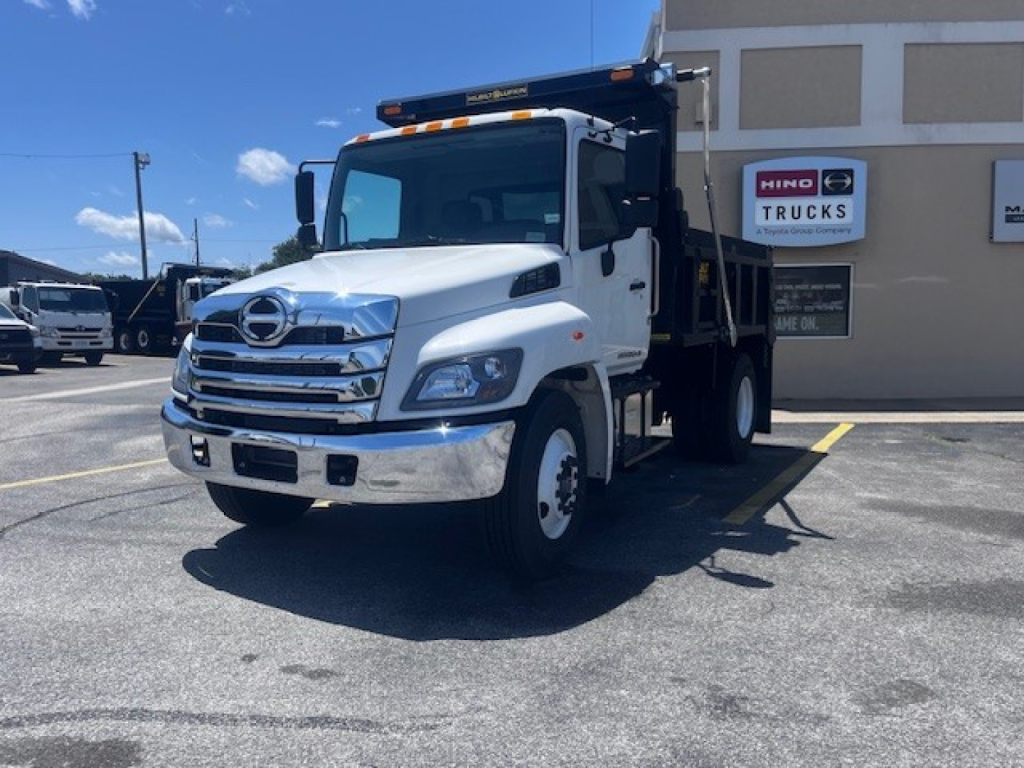
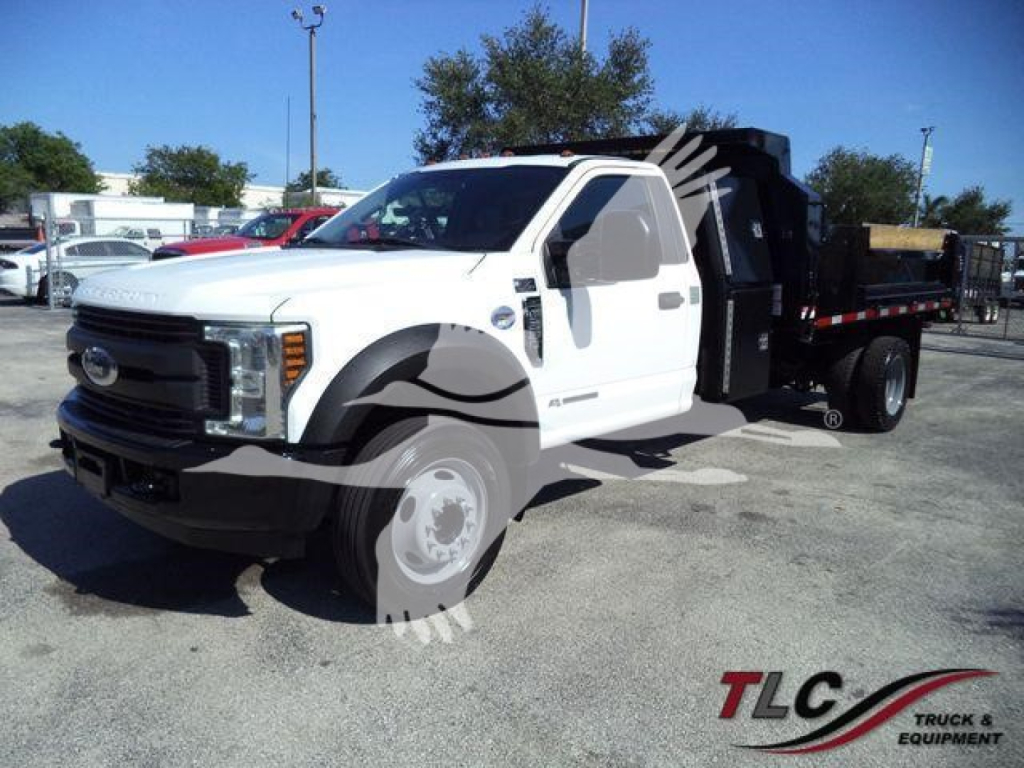
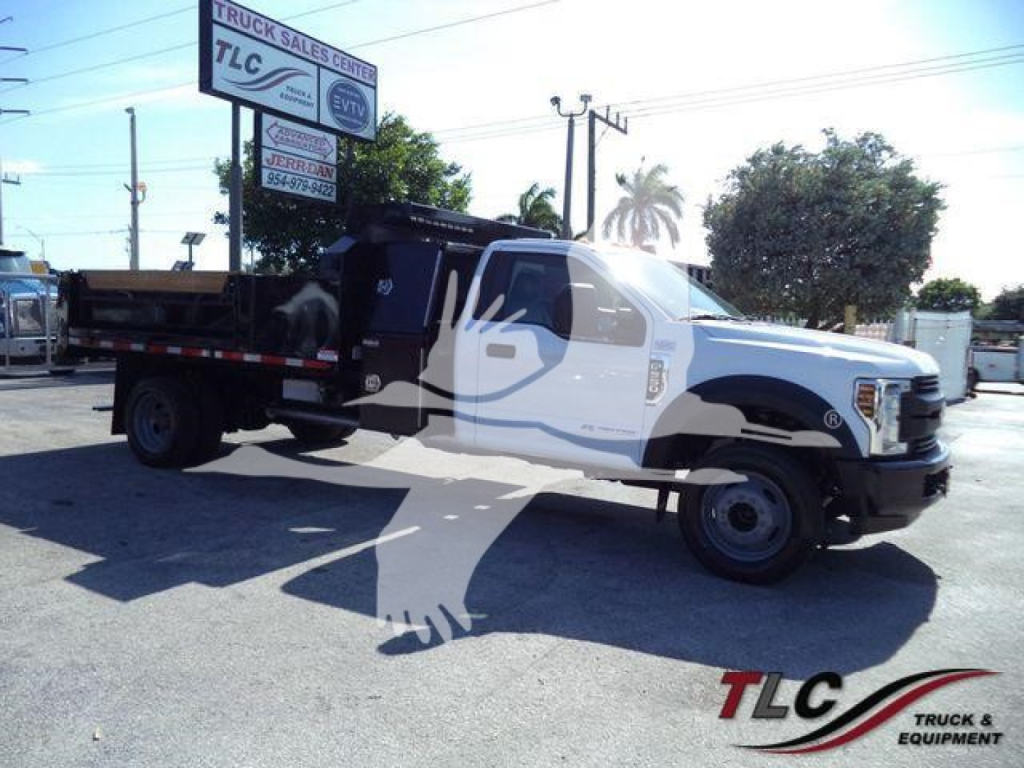
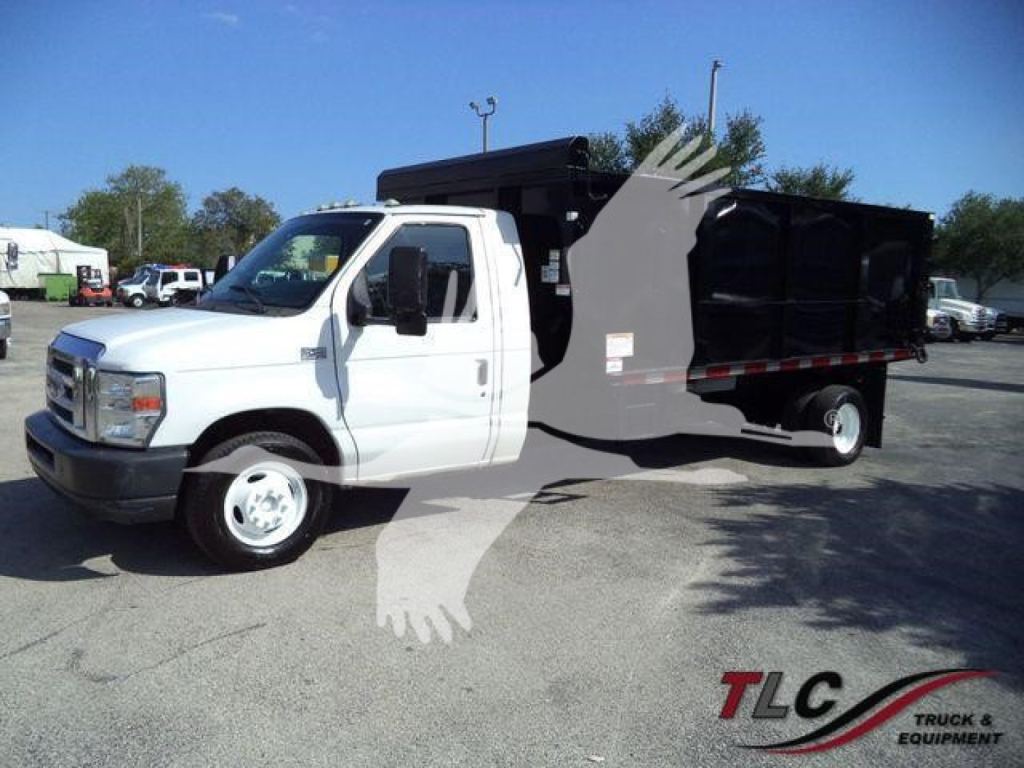
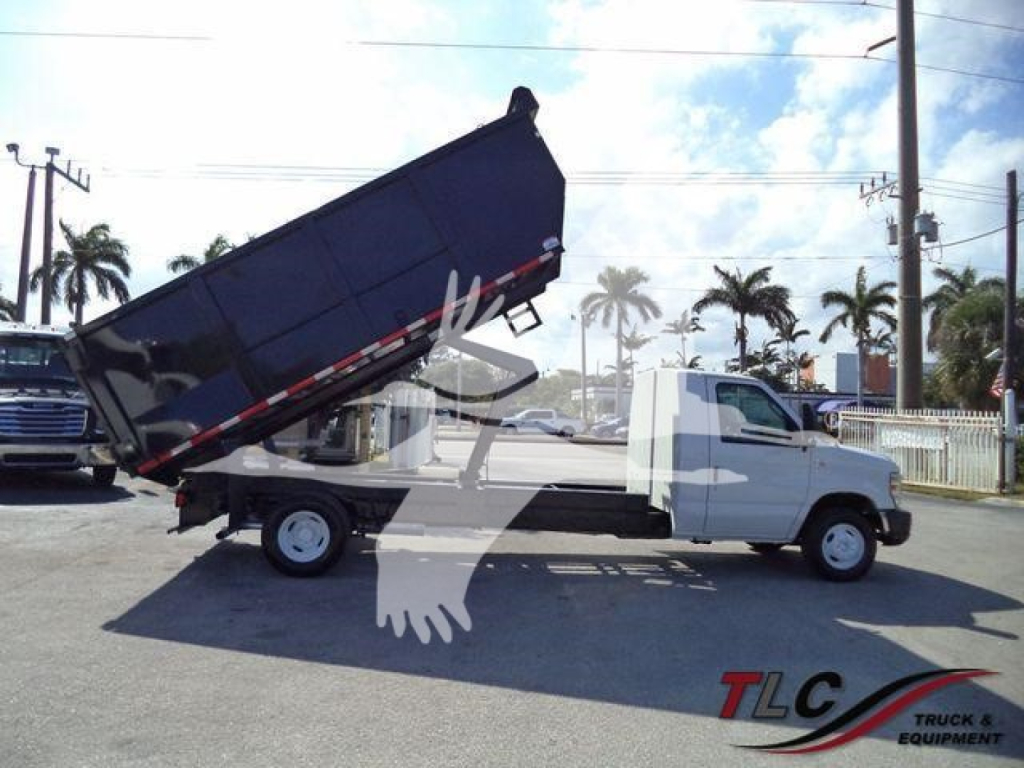
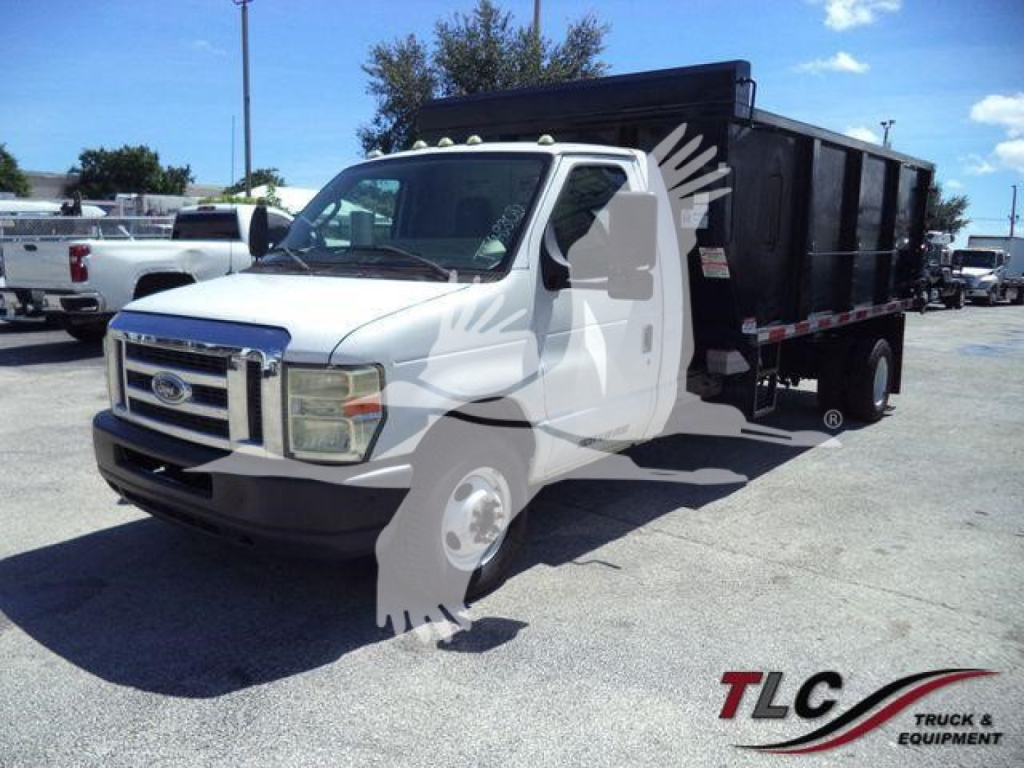
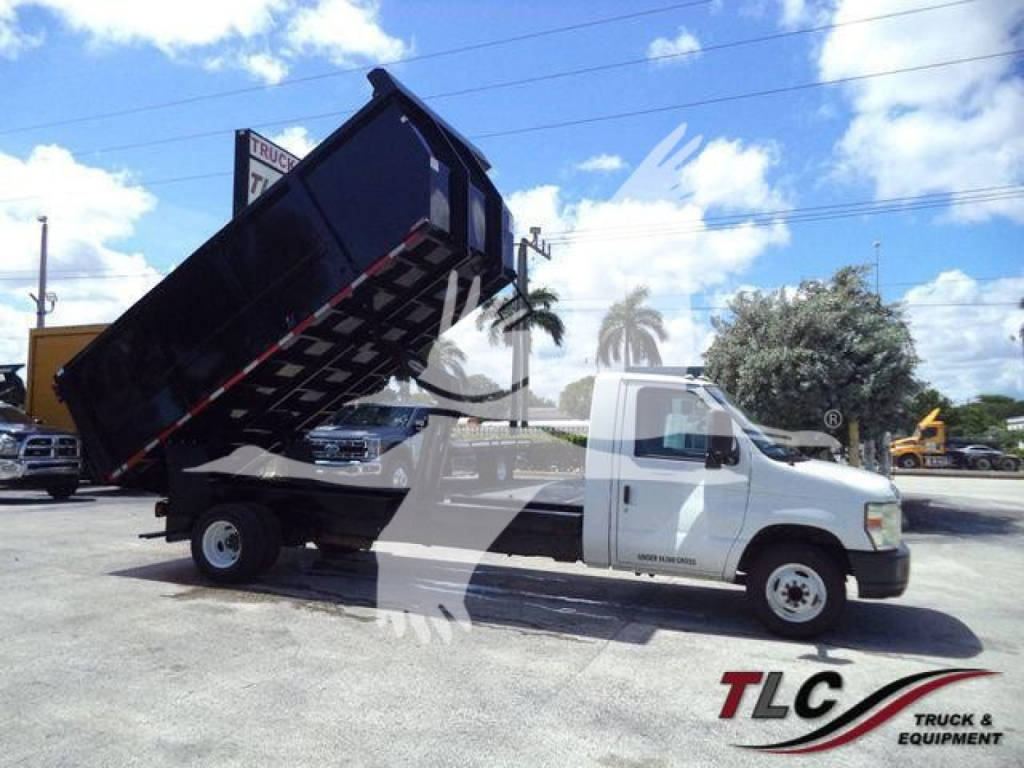
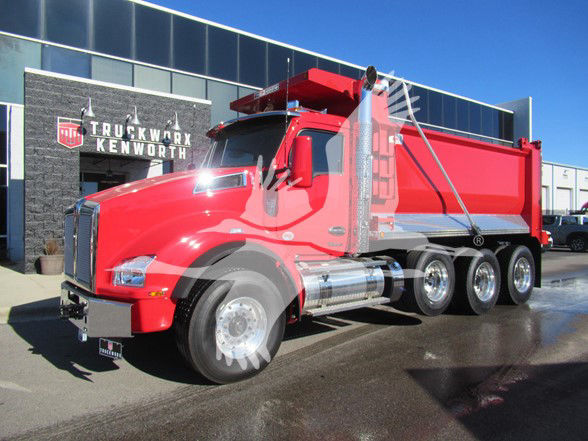
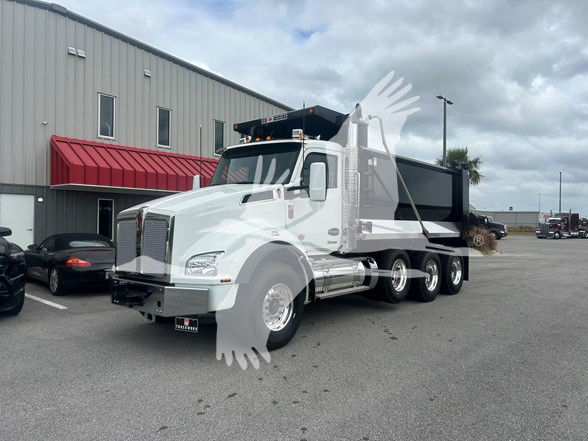
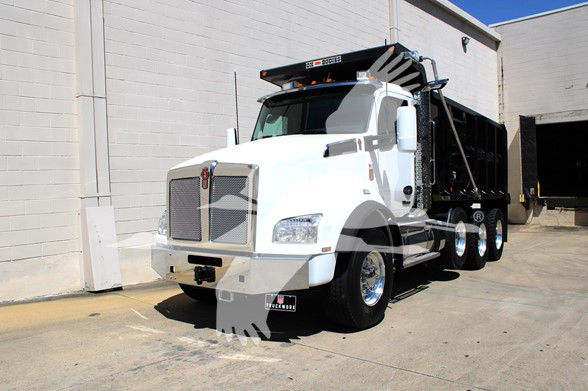
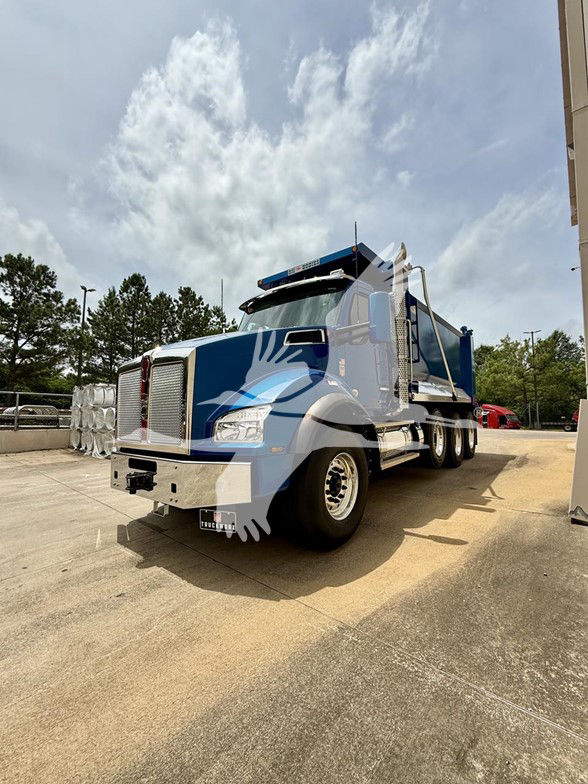
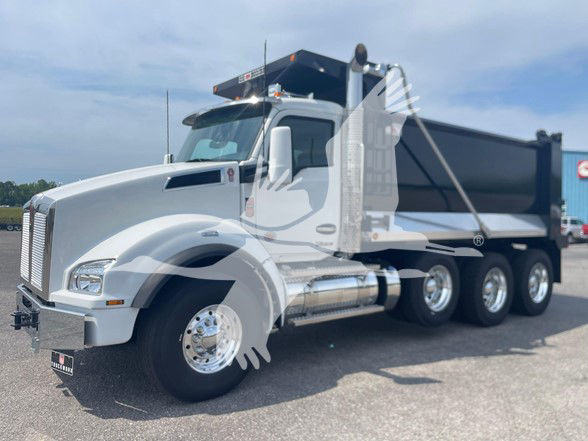
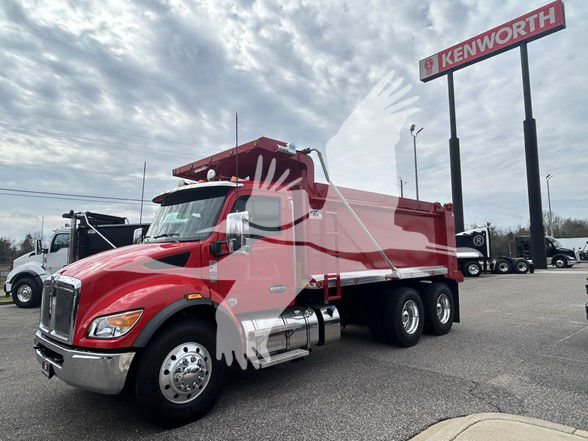
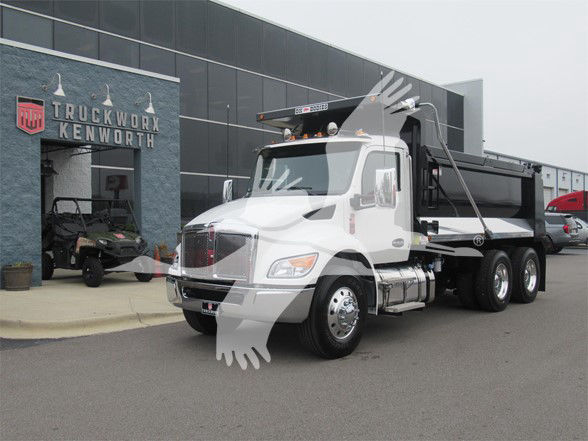
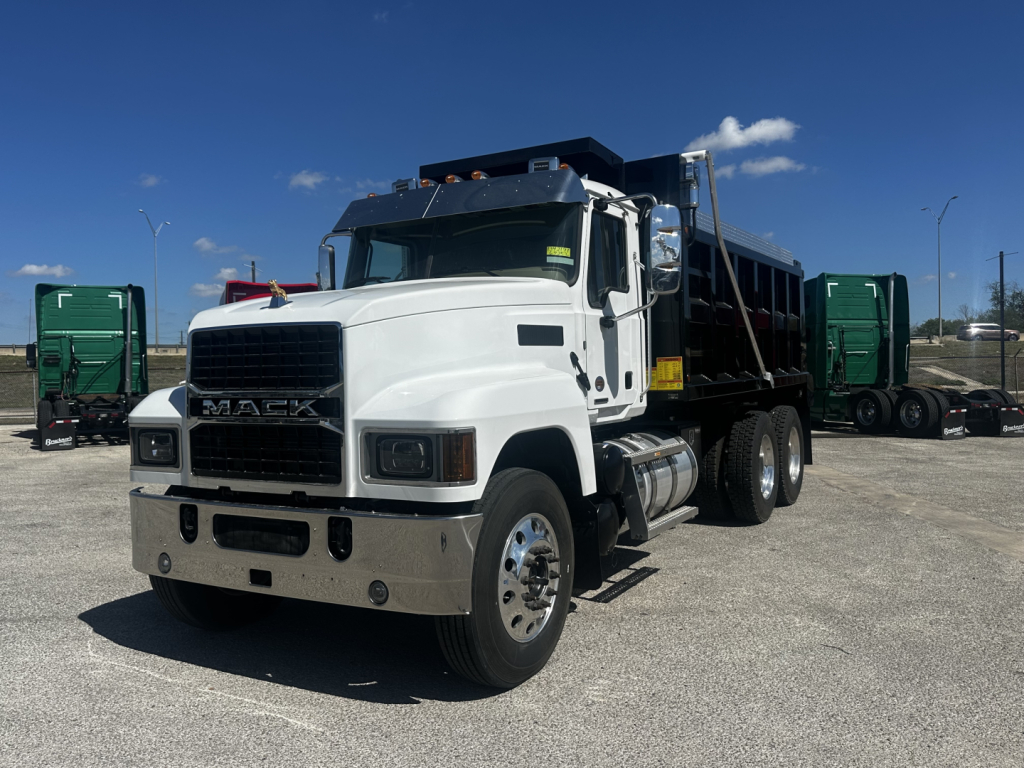
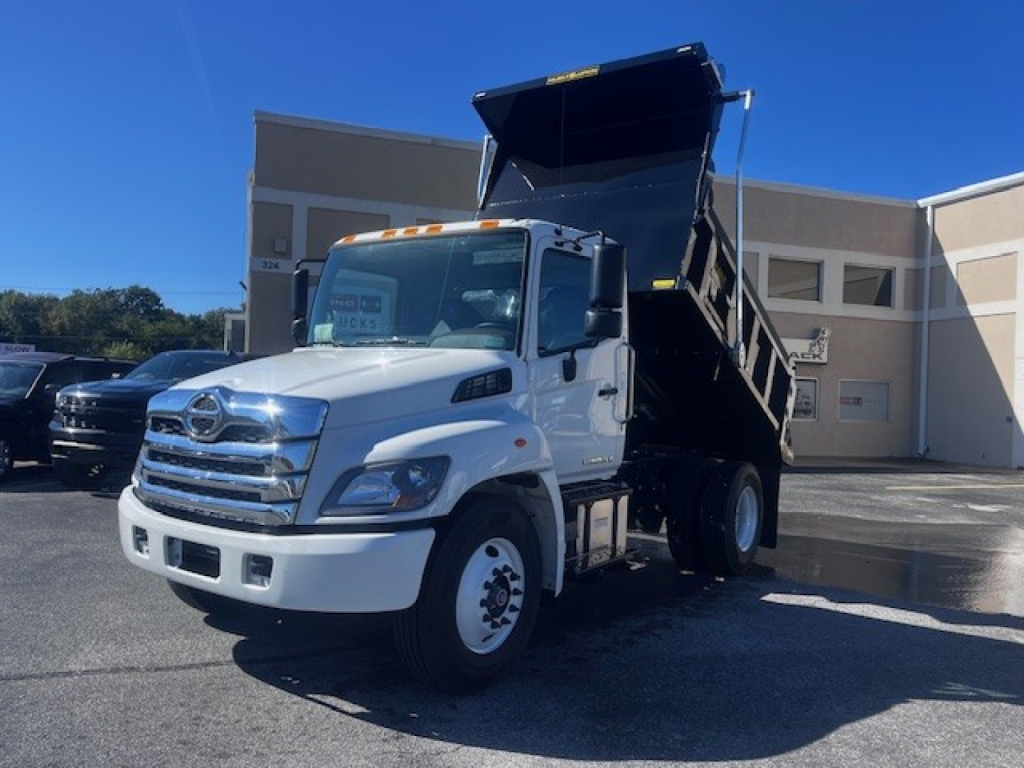
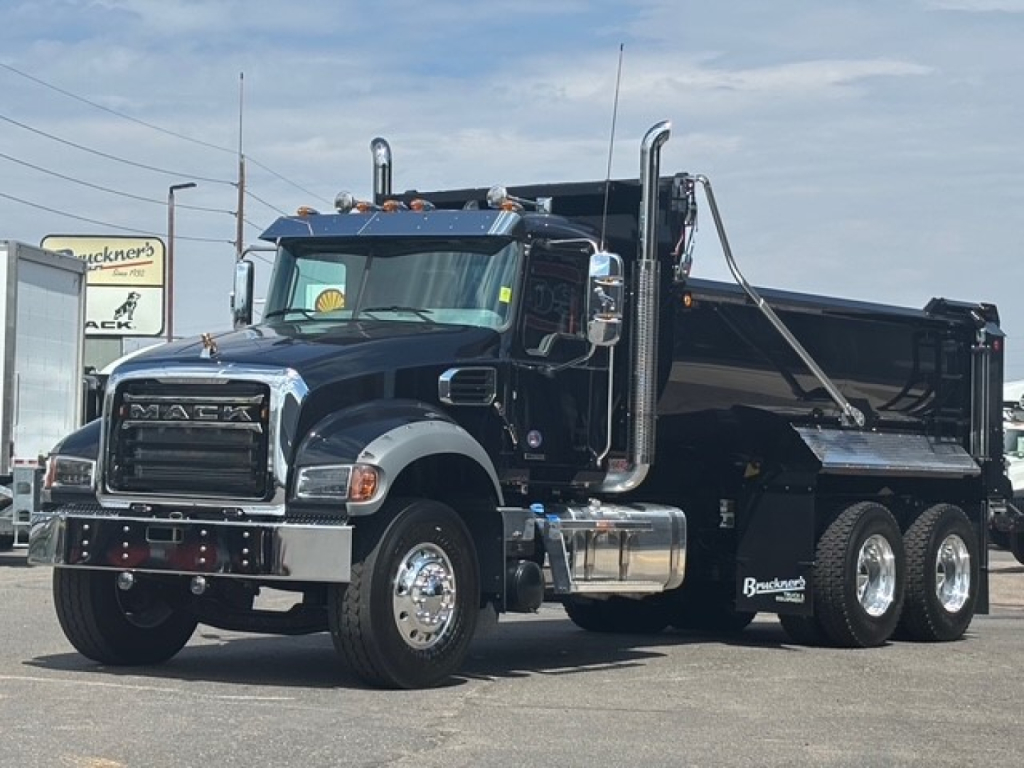
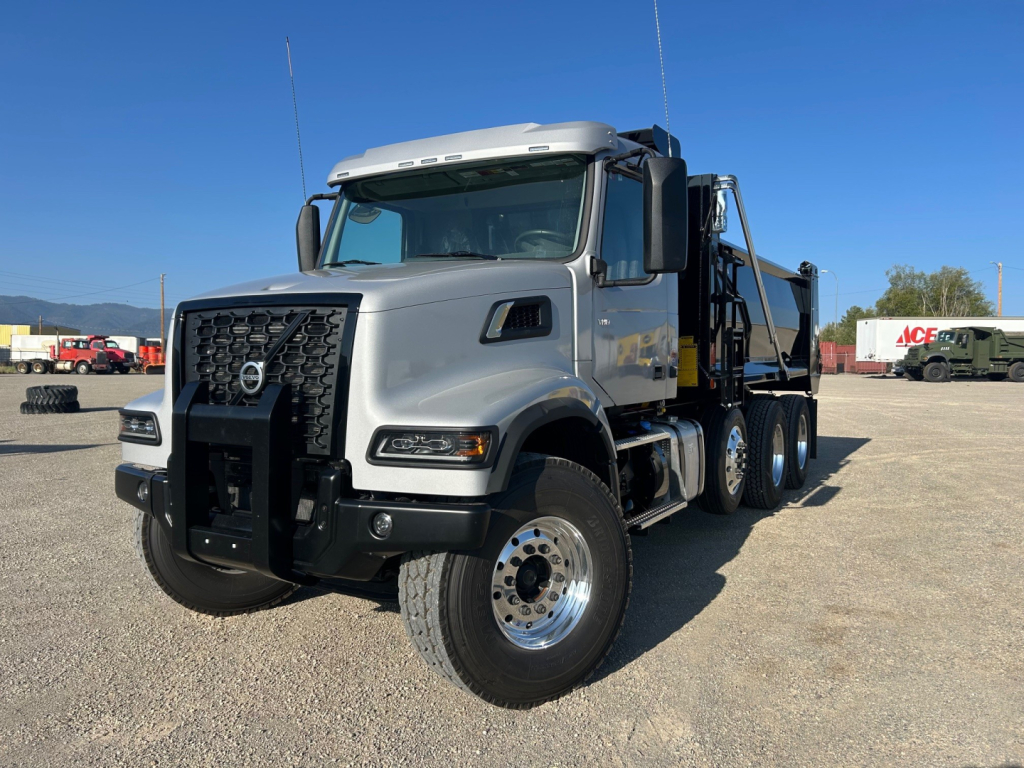
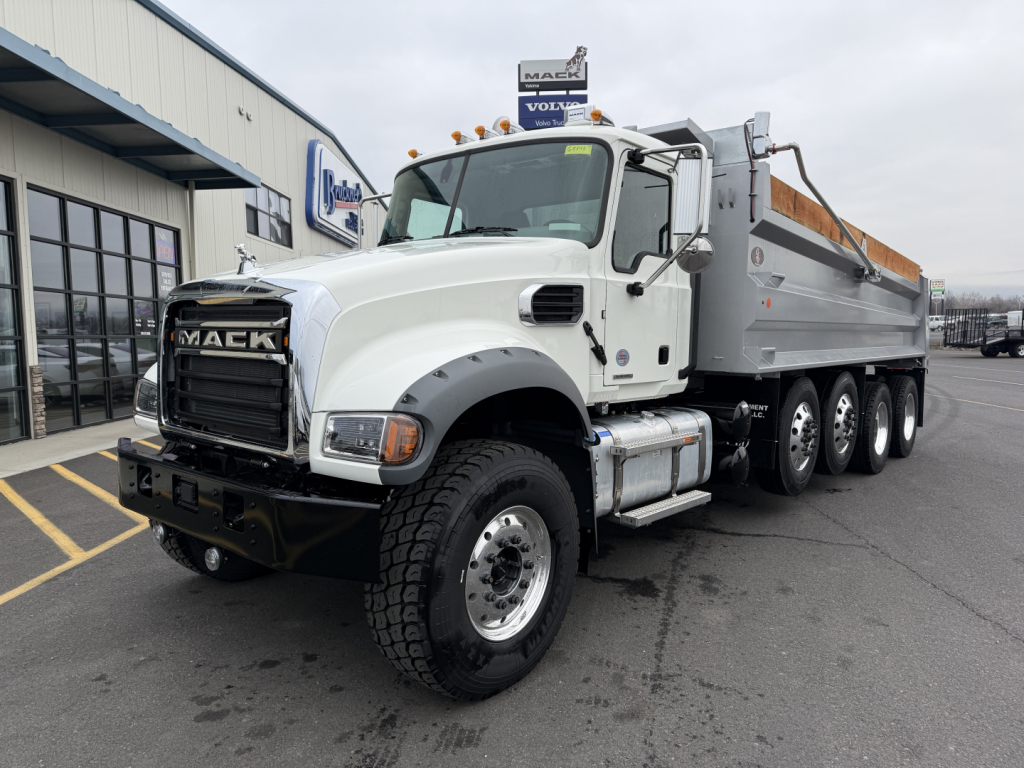
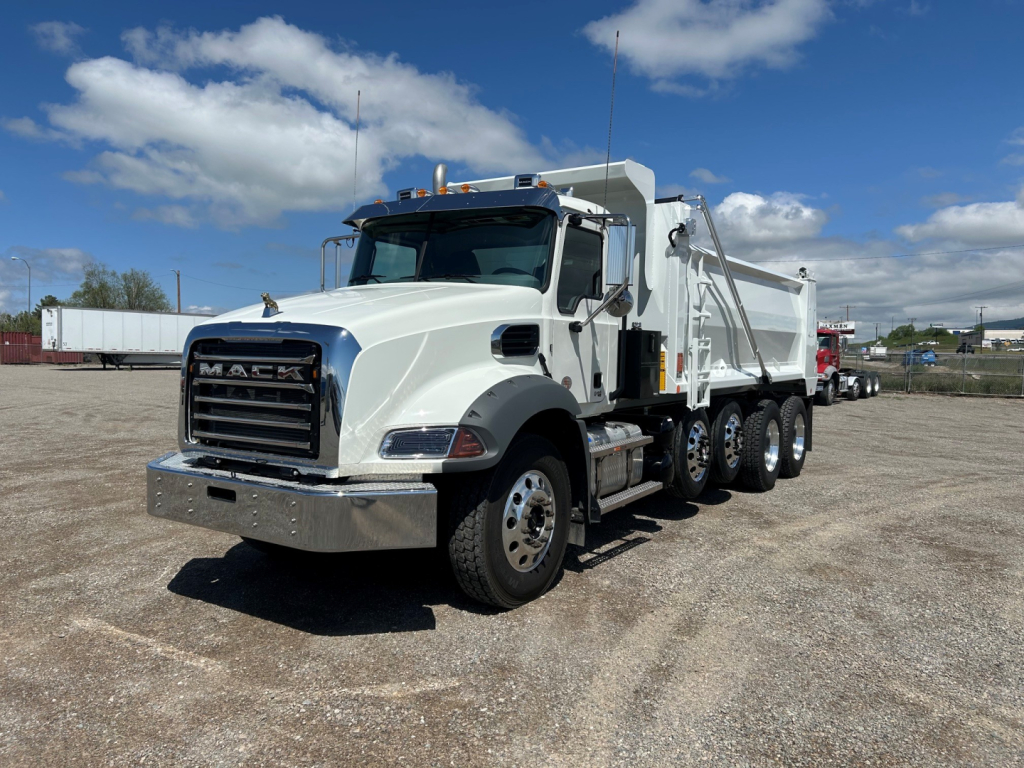
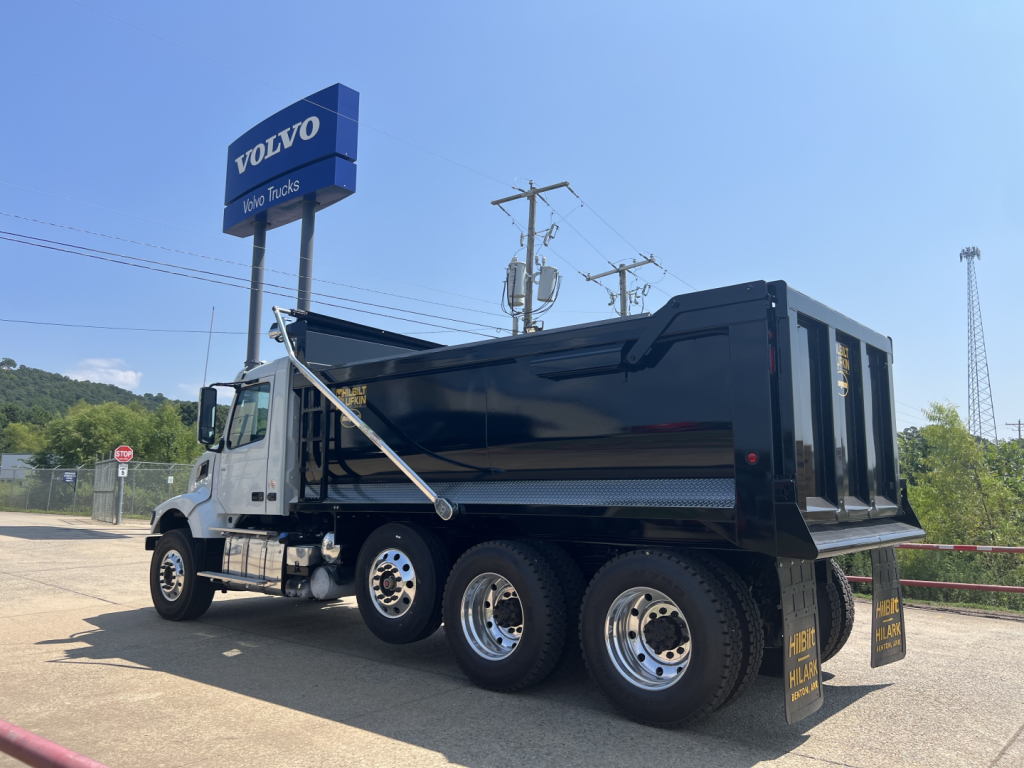
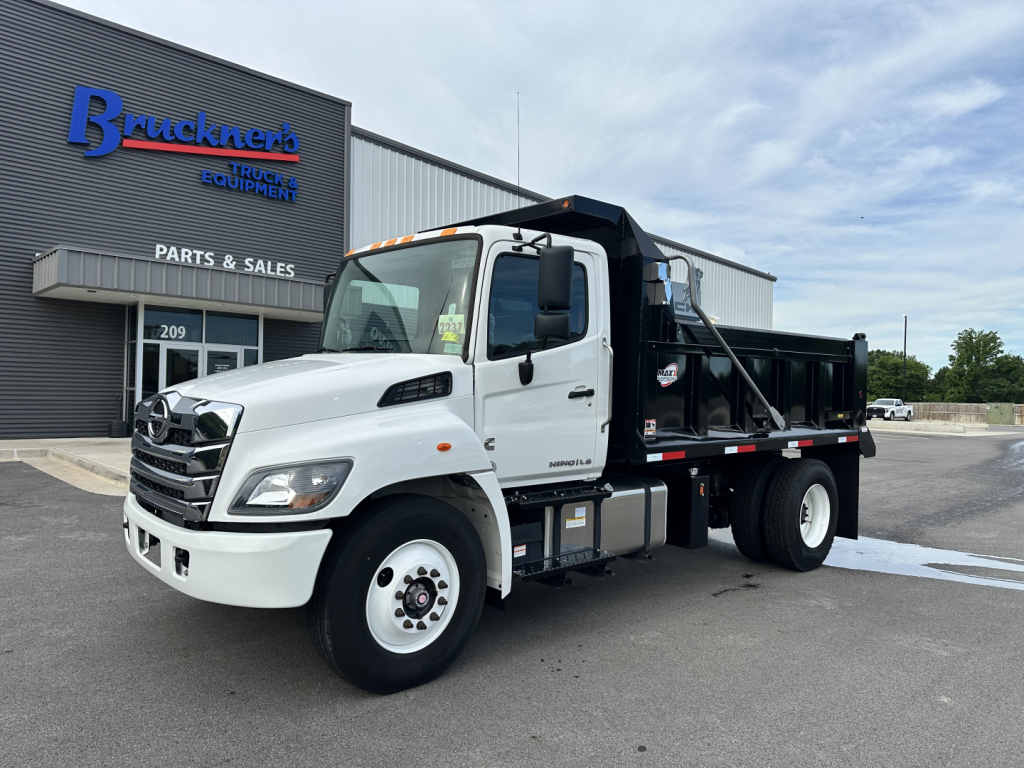
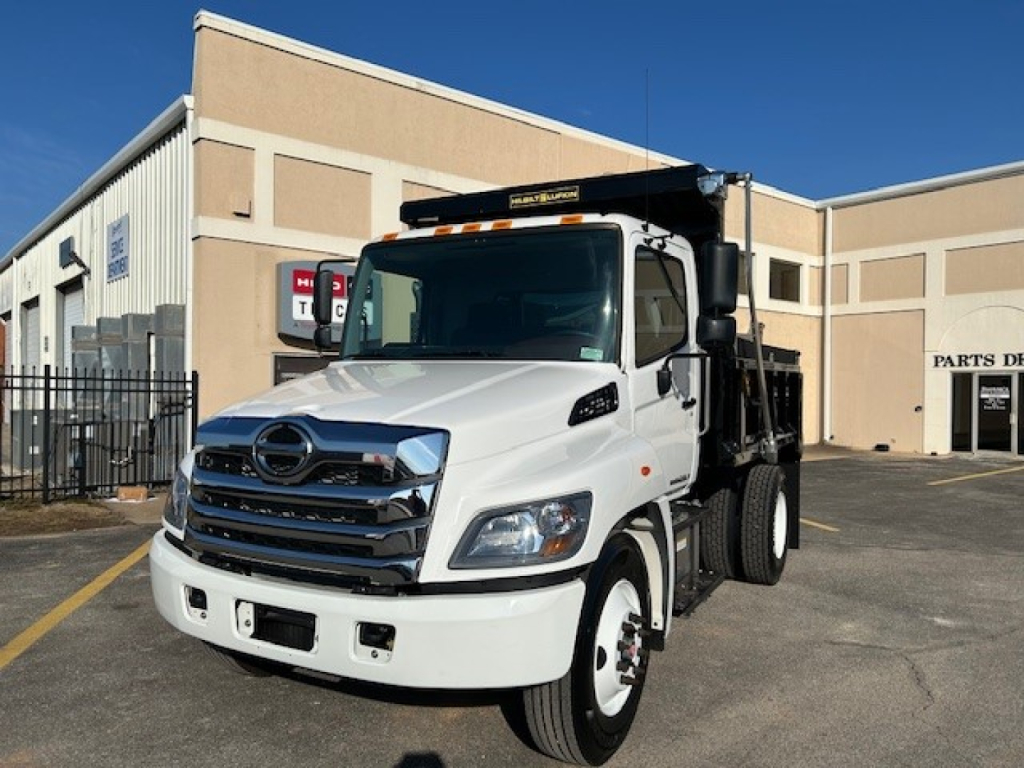
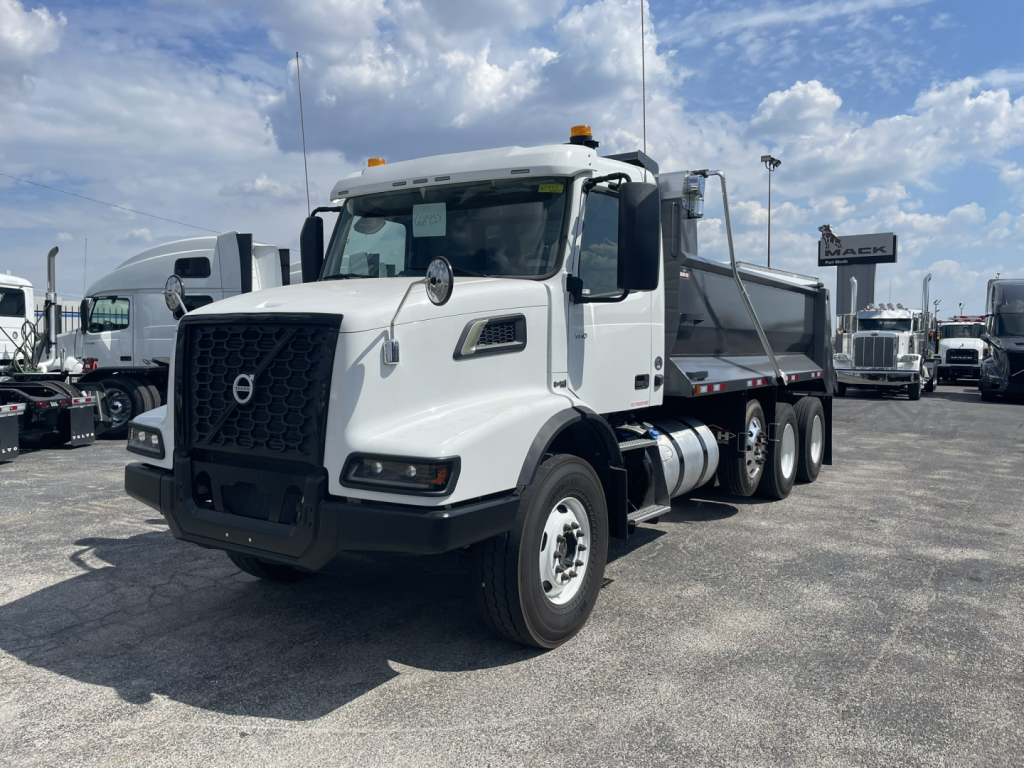
Showing 253 to 280 of 370 results
Selling a dump truck? List your dump truck for sale and reach thousands of commercial buyers.
Dump Trucks in New Hampshire
Body configuration is one of the first things to evaluate. Typical dump bodies vary by length, side height, floor thickness, and material, with steel bodies favored for abrasive loads and severe-duty use. Aluminum bodies can reduce tare weight for operators focused on maximizing payload. Hoist type, tailgate style, PTO setup, and hydraulic condition all affect performance and uptime. Buyers should also pay close attention to frame condition, suspension type, axle ratings, wheelbase, and brake setup, especially on used dump trucks that have seen municipal winter service or repeated off-road loading cycles.
Powertrain choices matter more in a dump truck than they do in many other truck categories because the truck often starts heavy, works on uneven ground, and spends time in stop-and-go service. Engine horsepower, torque, transmission type, rear axle ratio, and locking differentials all influence gradeability and launch under load. Automatic transmissions are common in municipal and vocational applications, while manual or automated manual setups may still appeal in certain fleet preferences. Front axle capacity, steerable lift axles, and bridge law compliance can also affect how useful a truck will be in local aggregate, paving, excavation, or public works service.
For buyers comparing dump trucks for sale, the most important questions are usually about payload class, body condition, hydraulic performance, and how the truck was previously used. A truck set up for plowing and sanding may include additional vocational equipment and wiring, while a construction spec may prioritize heavier suspension, stronger hoists, and more durable body construction. Looking closely at rust, crossmembers, hinge points, hoist cylinders, apron wear, and evidence of frame repair can tell you as much as the odometer. The best dump truck is not simply the biggest one. It is the one matched to your routes, material type, loading method, and legal weight requirements.
Frequently Asked Questions about Dump Trucks in New Hampshire
What is the difference between a single-axle dump truck and a tandem-axle dump truck?
A single-axle dump truck typically offers better maneuverability, a shorter wheelbase, and lower operating cost, which makes it a strong fit for landscaping, municipal work, and lighter material hauling. A tandem-axle dump truck has greater payload potential, better weight distribution, and improved stability under heavier loads. Tandem setups are more common in aggregate hauling, paving, excavation, and other severe-duty applications where legal payload and jobsite durability are more important than turning radius.
What should I inspect first on a used dump truck?
Start with the dump body, hoist, frame, and hydraulics. Check the floor, sides, tailgate, hinge points, and crossmembers for cracking, rust, patches, and distortion from repeated heavy loading. Inspect the hoist cylinder for leaks or scoring and confirm the PTO engages smoothly. After that, review axle ratings, suspension wear, brake condition, tire wear, and any signs of frame repair or corrosion, especially on trucks that may have worked in winter road salt conditions.
Are steel or aluminum dump bodies better?
Steel dump bodies generally hold up better in abrasive, impact-heavy applications such as rock, demolition debris, and riprap. They are heavier but usually more resistant to denting and long-term abuse. Aluminum dump bodies reduce tare weight, which can help increase legal payload in certain operations, but they are typically better suited to lighter materials or applications where weight savings outweigh severe-duty body abuse. The right choice depends on the material hauled and how aggressively the truck is loaded.
Do dump trucks in New Hampshire often come set up for snow and municipal work?
Yes. In New Hampshire, many dump trucks are used in public works and winter service, so it is common to see trucks equipped or prepped for plows, sanders, hydraulic controls, central hydraulics, and auxiliary lighting. That can be a benefit if you need a multi-season vocational truck. It also means buyers should inspect for corrosion, wiring repairs, and wear associated with snow duty, salt exposure, and frequent stop-and-go operation.
How do I choose the right dump truck size for my business?
Choose the truck based on the heaviest material you haul, the average haul distance, your loading equipment, and local weight restrictions. A smaller dump truck may be more efficient for residential work, tighter access points, and lighter payloads. A larger tandem or heavy-spec vocational truck makes more sense for quarry work, asphalt, excavation, and bulk material movement. Matching the axle configuration, body size, and suspension to your actual work is more important than simply buying the highest-capacity truck available.