
International Dump Trucks For Sale in New Hampshire
Browse International dump trucks for sale in New Hampshire. Compare specs, GVWR, axle setups, body options, and vocational applications.
No exact matches found for your search
Showing International Dump Trucks instead.
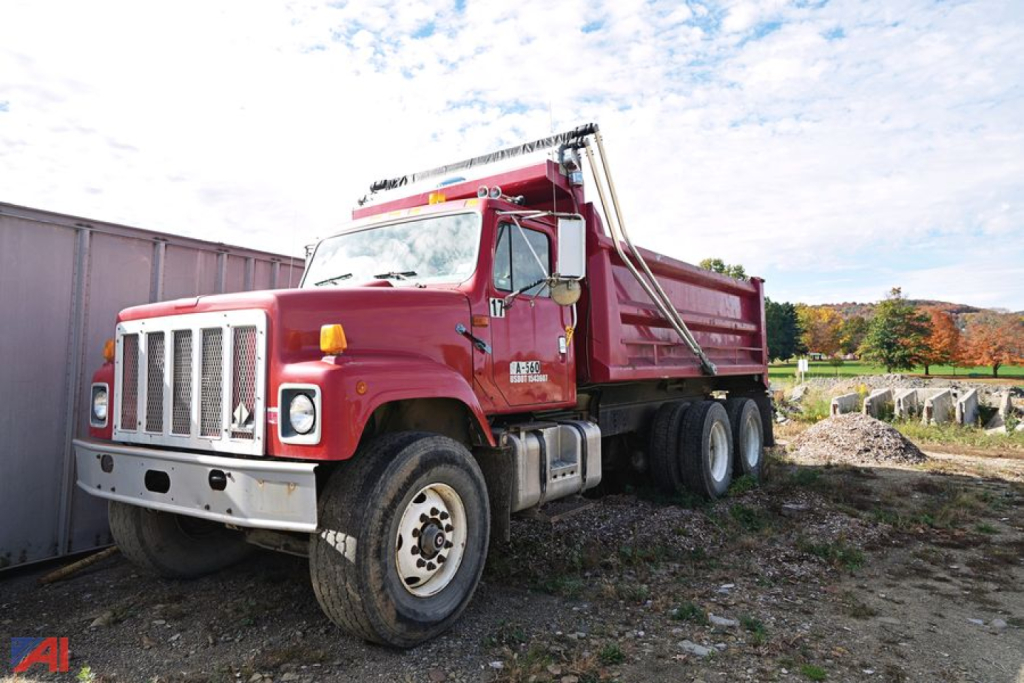
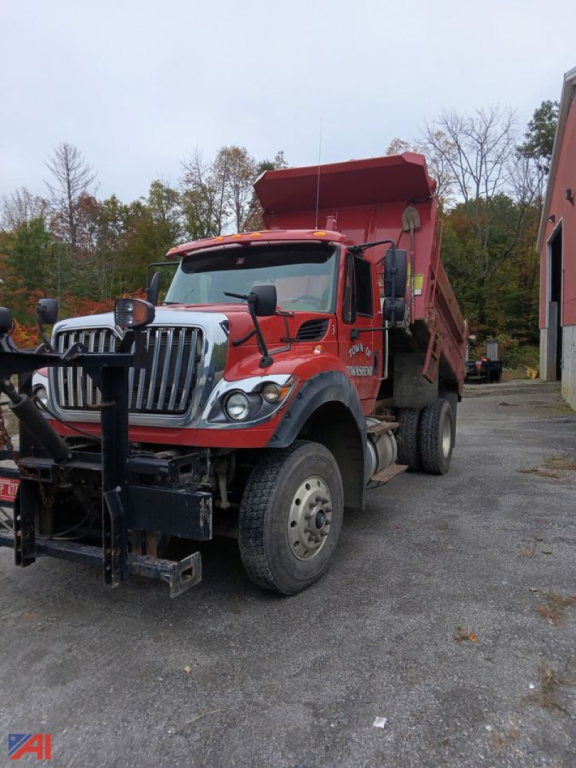
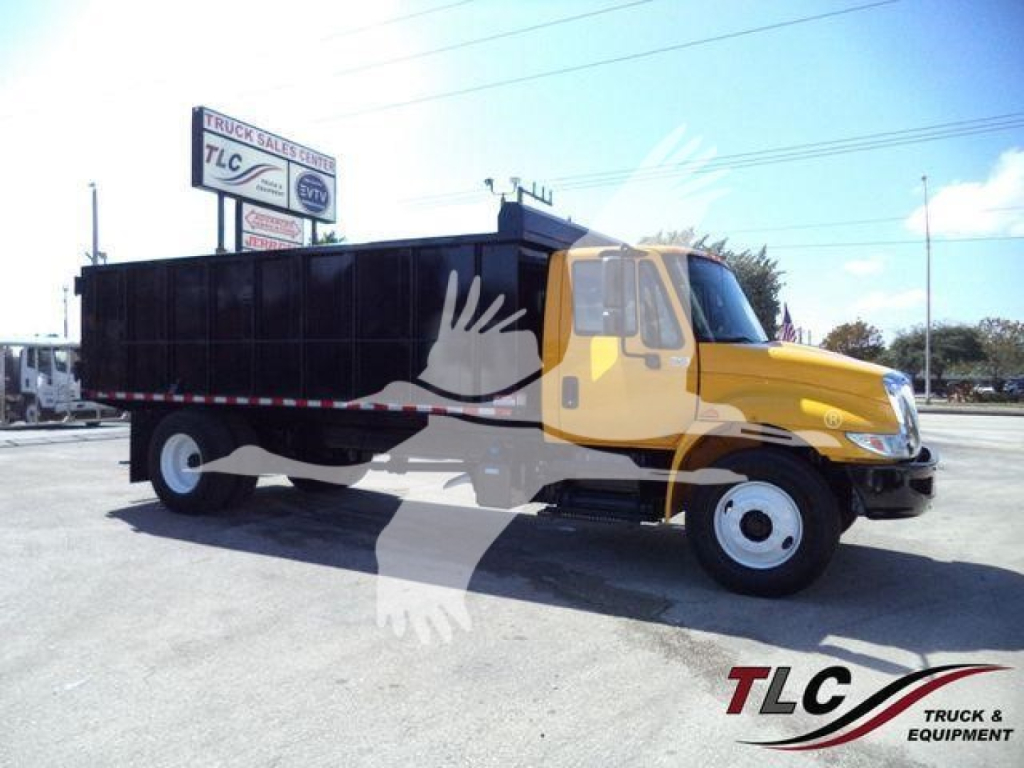
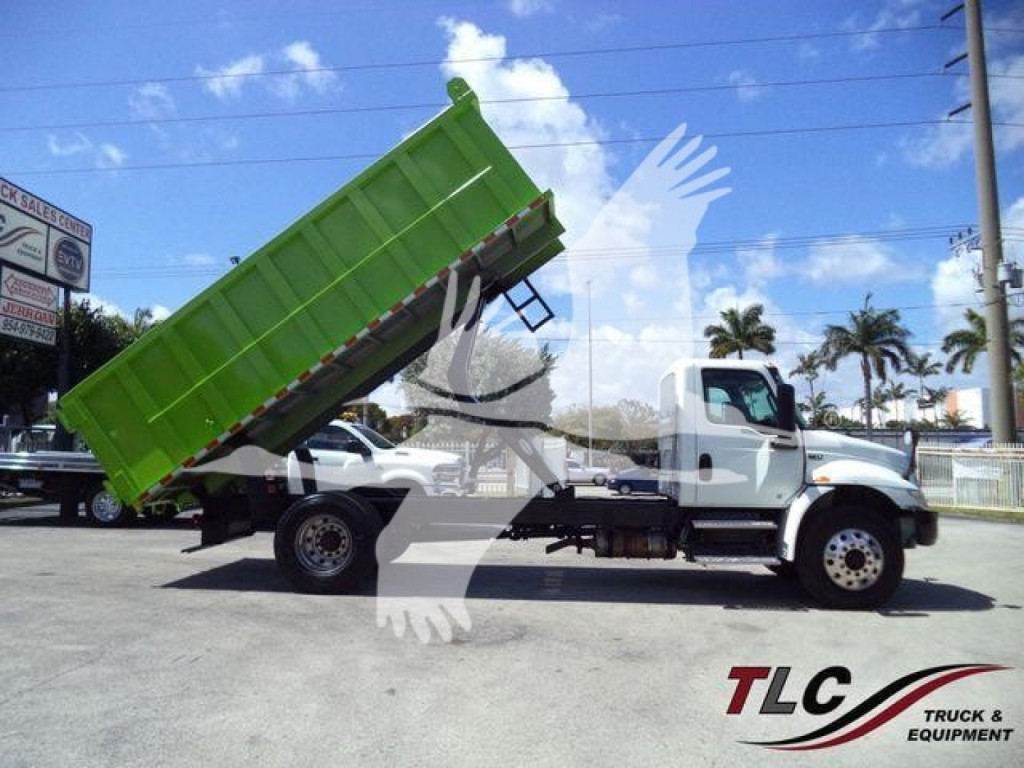
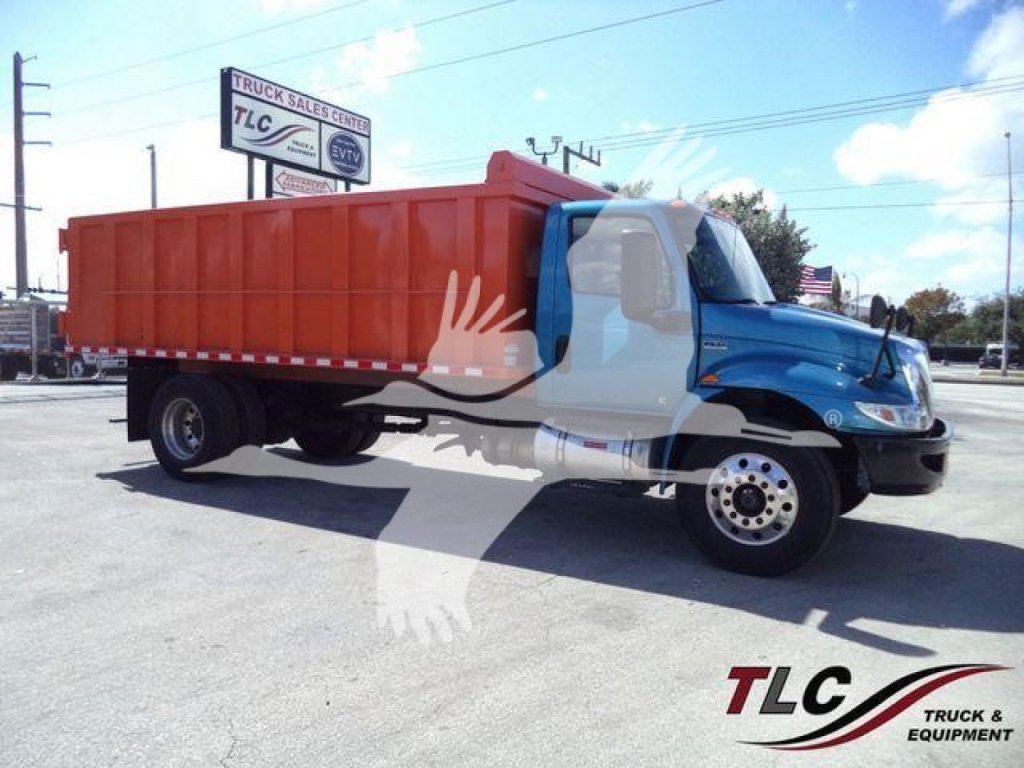
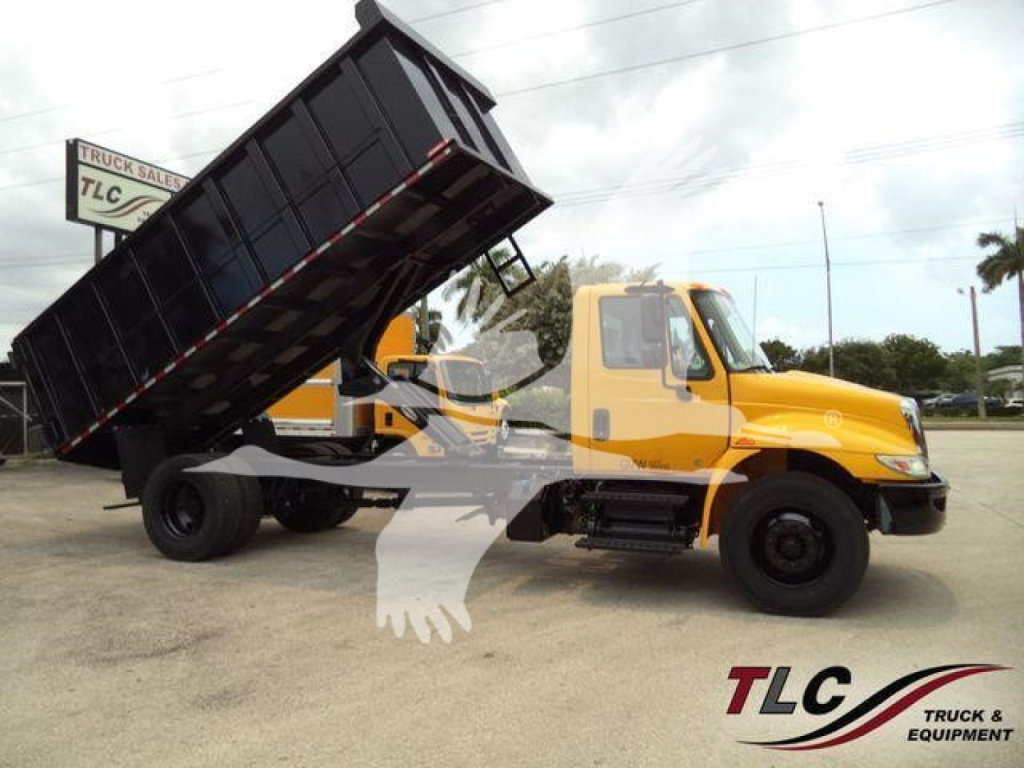
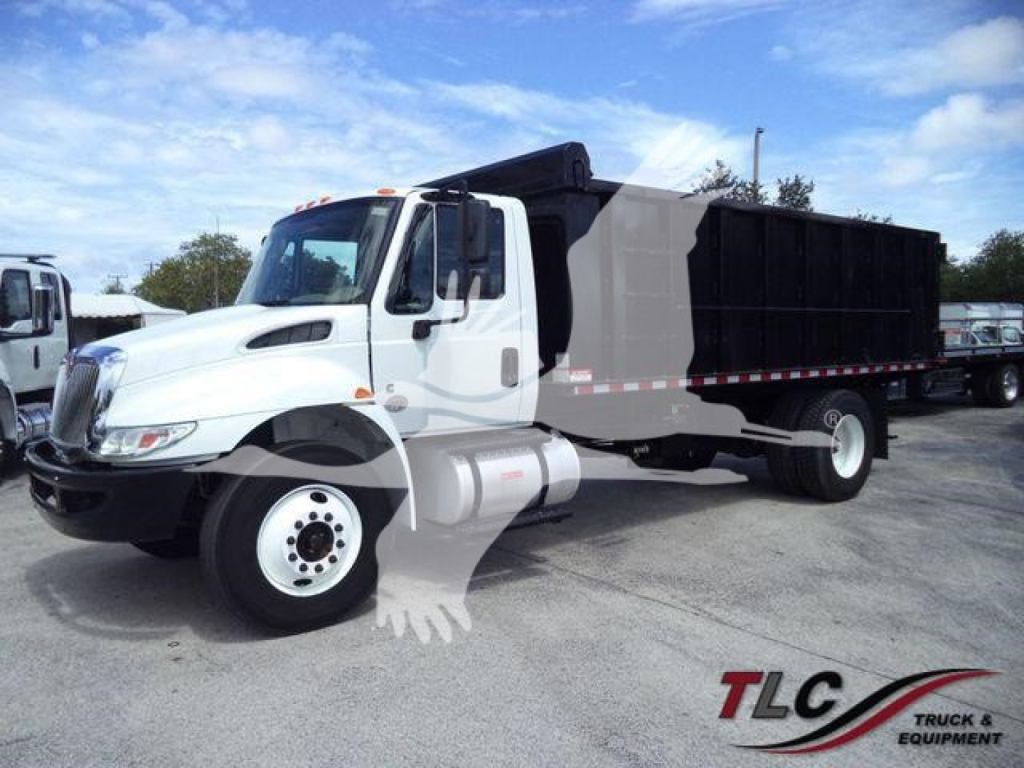
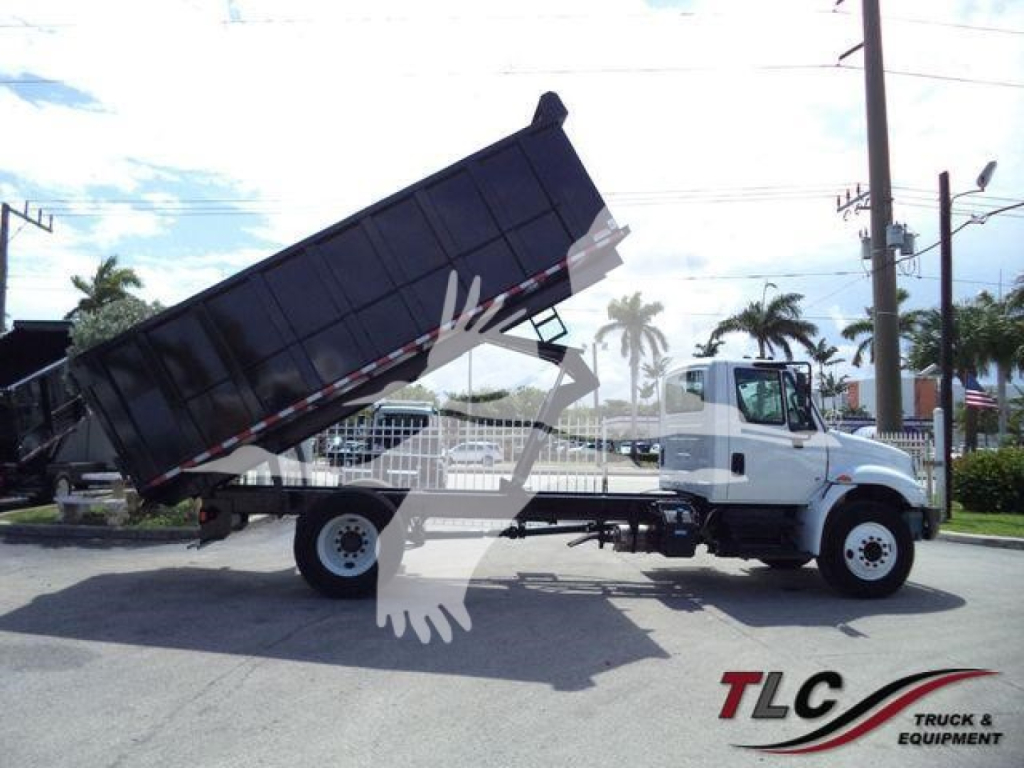
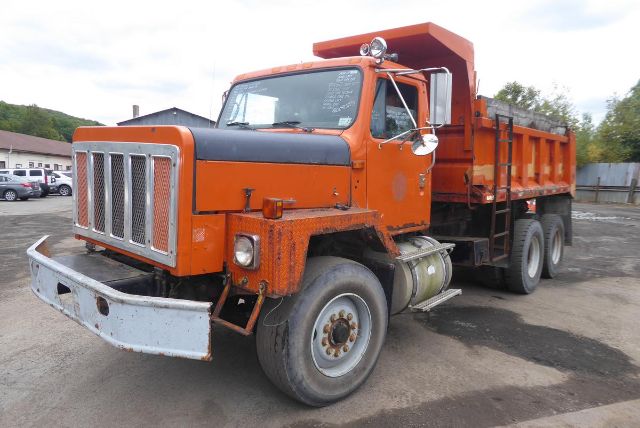
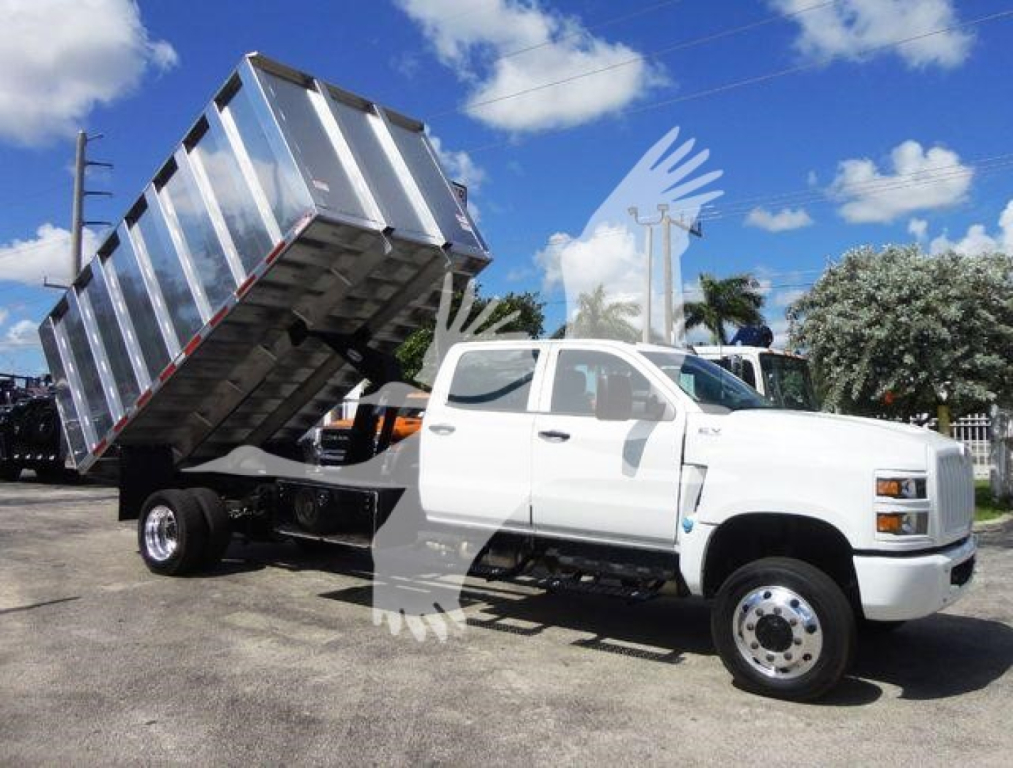
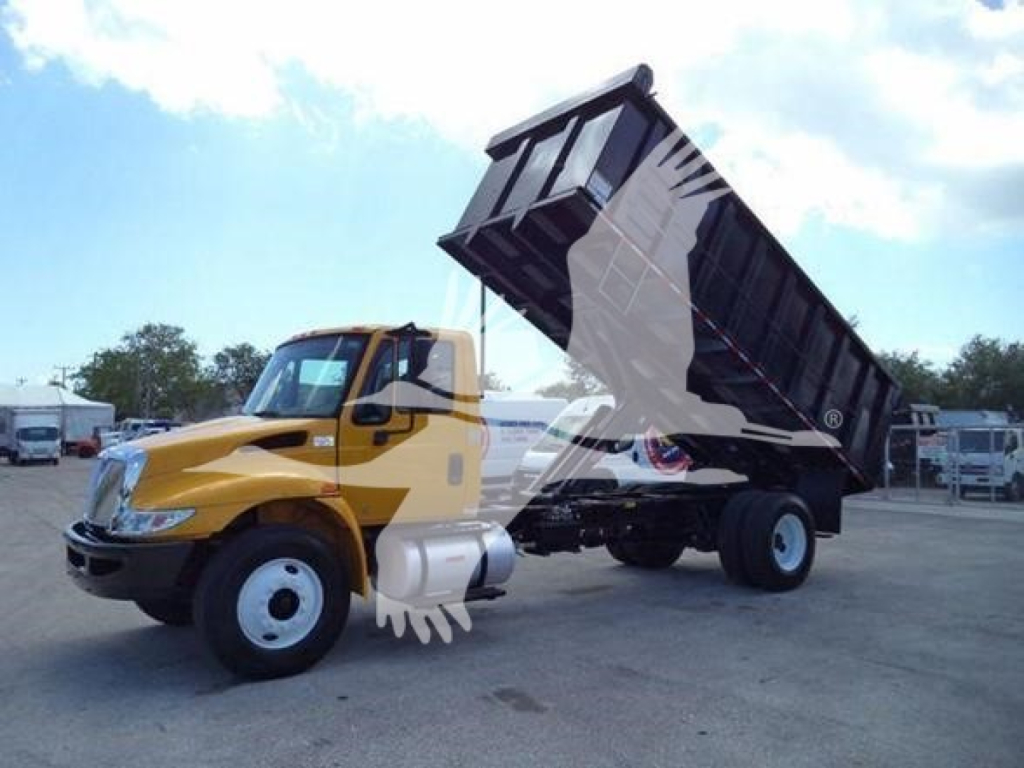
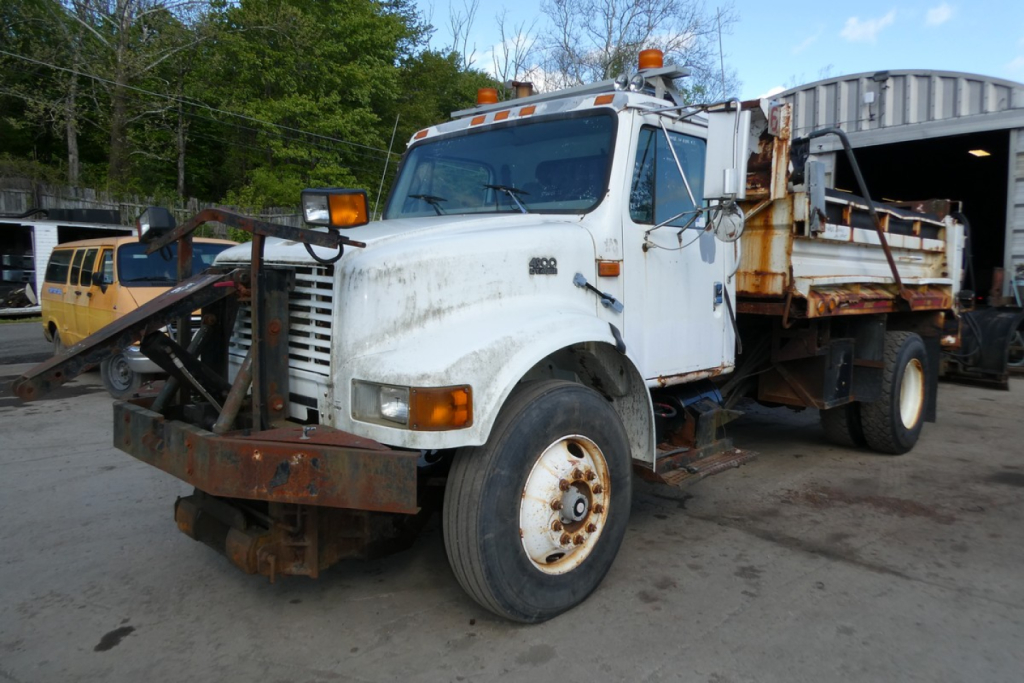

Selling a international dump truck? List your international dump truck for sale and reach thousands of commercial buyers.
International Dump Trucks in New Hampshire
The right International dump truck starts with intended material and route profile. A single-axle truck is easier to maneuver on tight town roads, residential jobs, and smaller commercial sites, while a tandem delivers better legal payload capacity and stability for gravel, demolition debris, asphalt, and bulk material. Common considerations include diesel engine rating, transmission type, suspension, wheelbase, PTO setup, and body length. Buyers should also look at body construction, including steel versus aluminum, side height, floor thickness, tailgate style, tarp system, and hoist type. If snow and ice work is part of the plan, front plow provisions, central hydraulics, spreader controls, and auxiliary lighting matter just as much as dump capacity.
International vocational chassis are generally valued for straightforward serviceability and predictable upfitting. Many are spec'd with engines from the DT, MaxxForce, or Cummins families depending on year and model, paired with manual, automatic, or automated transmissions. A buyer comparing used units should confirm GVWR, front and rear axle ratings, locking differentials, brake type, and tire size, then match those numbers to the body and legal operating weight. Cab-to-axle length is especially important if future body replacement or reconfiguration is on the table. For trucks already working in construction or municipal service, inspect the PTO engagement, hoist cycle speed, cylinder condition, hinge pins, apron wear, and any cracking around body saddles or subframe mounts.
For New Hampshire use, practical buying decisions usually come down to seasonality, terrain, and maintenance history. Steeper grades and mixed road conditions reward the right rear ratio, traction setup, and brake spec. A municipal truck may have valuable equipment already installed, but idle hours, corrosion, and hydraulic wear need to be weighed against purchase price. A contractor-focused unit may offer a cleaner body spec for hauling and unloading efficiency. International dump trucks remain a strong fit for buyers who want a vocational platform that can handle construction, road maintenance, landscape material, and year-round public works duty without unnecessary complexity.
Frequently Asked Questions about International Dump Trucks in New Hampshire
What should I check first on a used International dump truck?
Start with the frame, body, and hydraulic system. On a dump truck, structural condition matters as much as engine hours or mileage. Look for corrosion on the frame rails, crossmembers, spring hangers, hoist mounts, and body subframe. Check the hoist cylinder for leaks, pitting, or slow operation, and inspect hinge pins, tailgate hardware, PTO engagement, and hydraulic hoses. In New Hampshire, road salt exposure makes underbody and electrical inspection especially important.
Is a single-axle or tandem International dump truck better?
It depends on payload, maneuverability, and the roads you run. A single-axle International dump truck is usually the better choice for tighter jobsites, municipal streets, and lighter material loads. A tandem-axle truck generally offers higher legal payload capacity, better weight distribution, and improved stability for heavier hauling applications. Buyers should compare axle ratings, wheelbase, body size, and local bridge and road restrictions before deciding.
Which specs matter most when comparing International dump trucks?
GVWR, axle ratings, engine horsepower and torque, transmission type, suspension, PTO setup, and body dimensions are the core numbers to compare. Body material and hoist design also matter because they affect payload, durability, and unloading performance. For vocational buyers, front axle capacity, rear ratio, locking differentials, and cab-to-axle length can be just as important as engine make. These specs determine how well the truck fits hauling, paving, municipal, or snow service work.
Are International dump trucks good for snow and municipal work?
Yes. International dump trucks are commonly used by towns, highway departments, and contractors that need one chassis to handle multiple seasons. Many can be equipped with front plow mounts, wing plow provisions, sanders or spreaders, central hydraulics, and additional lighting. That versatility makes them well suited for winter road maintenance, then spring and summer hauling work. Buyers should verify that the hydraulic and electrical systems were installed cleanly and are still serviceable.
What engine and drivetrain details should I verify on an older International dump truck?
Confirm the engine family, emissions system, horsepower rating, transmission model, rear axle ratio, and differential setup before purchase. Older International dump trucks may be powered by DT, MaxxForce, Cummins, or other vocational diesel options depending on model year. Service records are important, especially for cooling system work, injector history, turbocharger condition, and emissions-related repairs on later engines. A dump truck lives under load, so drivetrain history often tells you more than odometer mileage alone.