
New Freightliner Dump Trucks For Sale in Georgia
Shop new Freightliner dump trucks in Georgia. Compare M2 106 and 114SD specs, body options, axle ratings, PTO setups, and vocational features.
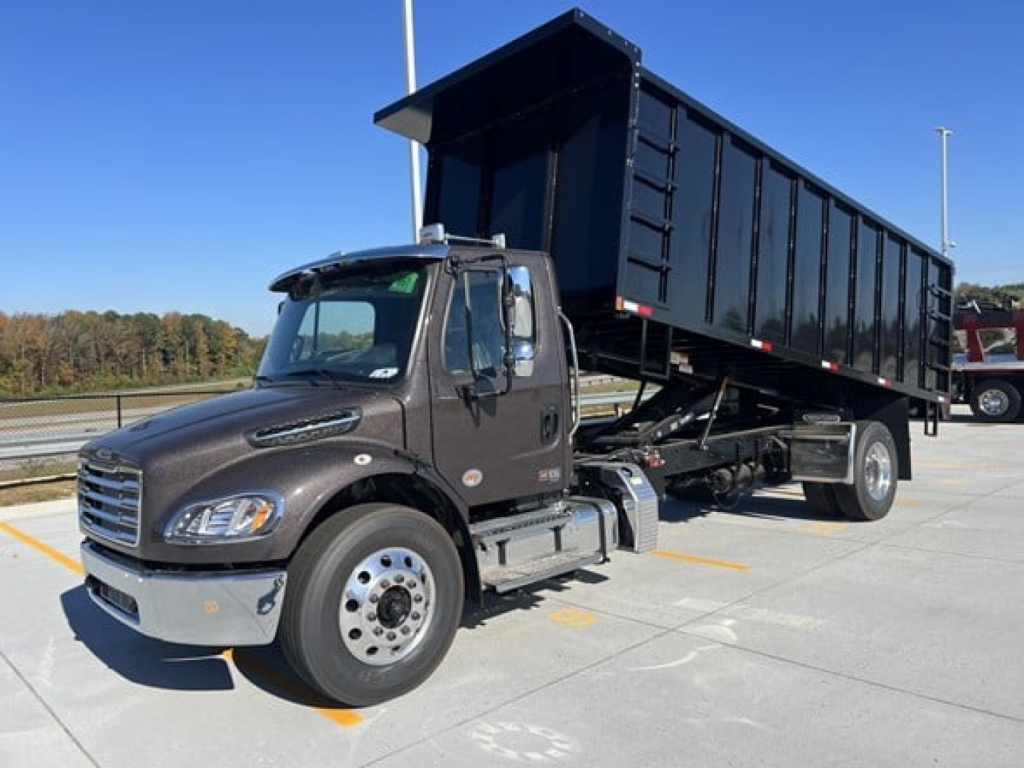
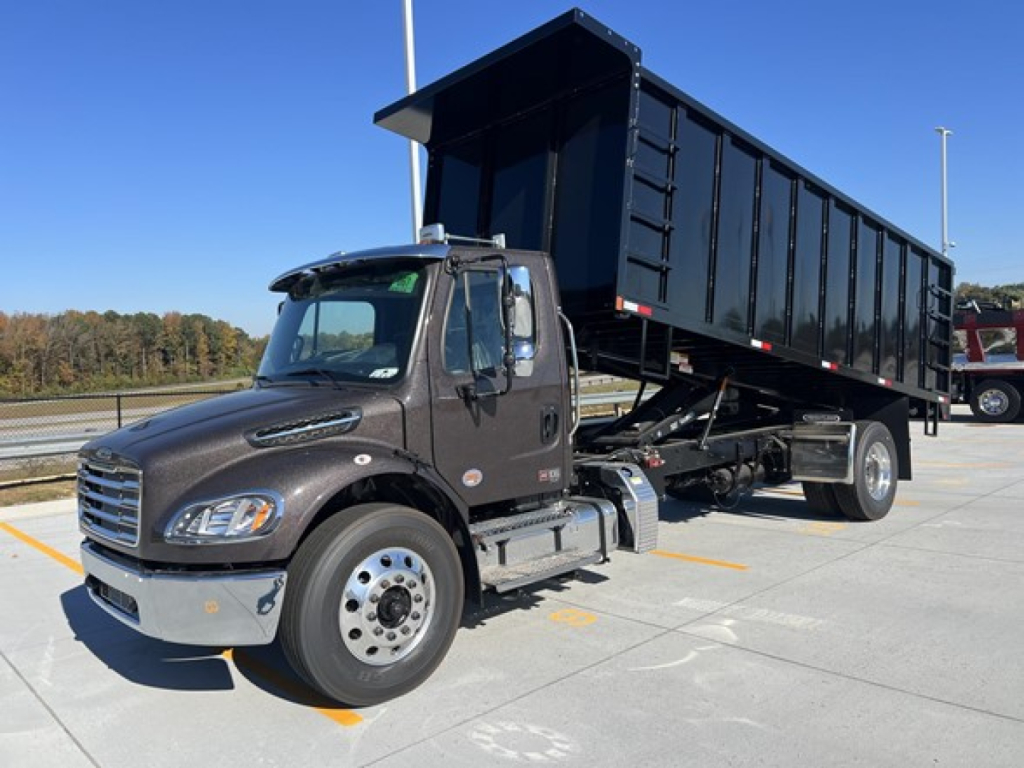
Have new freightliner dump truck to sell? List it here to reach thousands of buyers.
New Freightliner Dump Trucks in Georgia
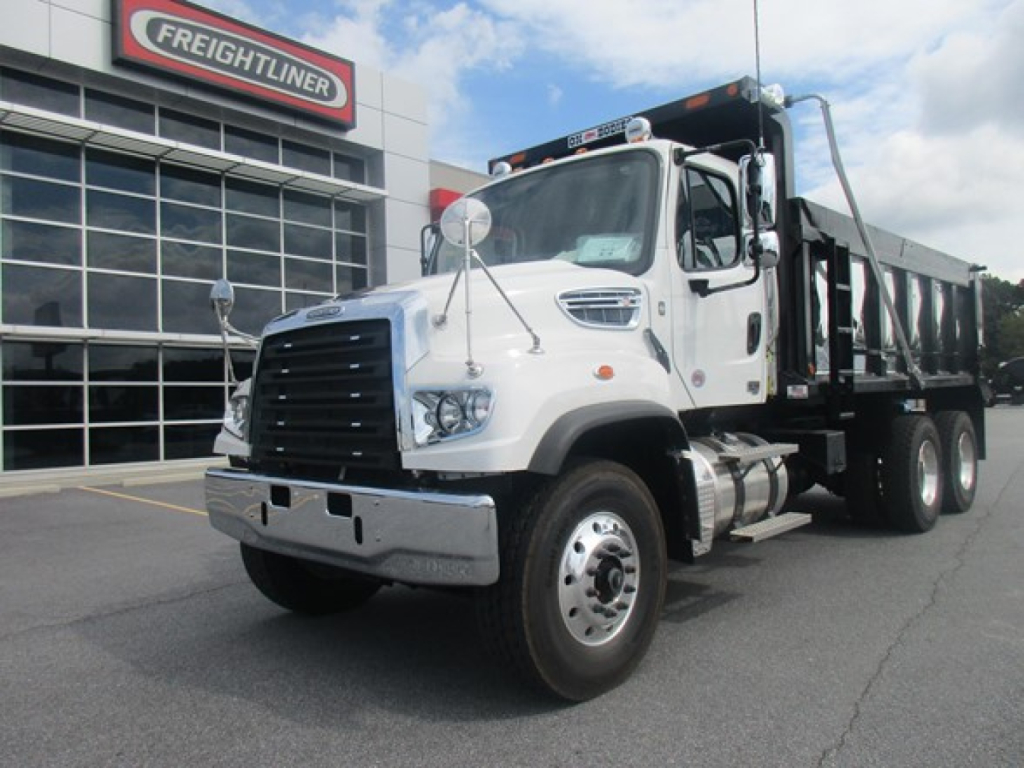
The 114SD is often spec'd as a tandem axle dump with heavy front axles, 46,000 lb rears, double-frame construction, and vocational components designed for jobsite durability. Common setups include Detroit DD13 power, Allison automatic transmissions such as the 4500 RDS, engine brakes, and PTO-driven hoists matched to steel or aluminum dump bodies. Body specs matter as much as the chassis. A 16-foot insulated body may suit asphalt and paving work, while other applications call for general-purpose aggregate bodies, high-lift tailgates, electric or manual tarps, pintle hitches, trailer air, and full tractor protection packages. Tire size, wheel material, suspension choice, and bridge-law considerations all affect payload and how the truck performs on rough ground or tight urban routes.
For buyers in Georgia, corrosion exposure, heat, and mixed on-road/off-road duty cycles make practical spec decisions more important than brochure features. Aluminum wheels can reduce weight, but steel wheels may still make sense in some high-abuse applications. Air ride cabs and air ride driver seats improve comfort on long workdays, while suspension and steering axle ratings should match the actual material being hauled, not just the legal minimum. If the truck will pull a pup trailer, check for the right pintle hitch rating, rear gladhand setup, brake controls, and drivetrain gearing. New Freightliner dump trucks also benefit from broad parts and service support, which matters when uptime is tied directly to daily production.
A good dump truck spec is built around the material, the route, and the body, not just the badge on the hood. Sand, asphalt, demolition debris, and wet clay all place different demands on hoist capacity, body construction, gate style, and axle distribution. Freightliner gives buyers a flexible platform, but the smartest purchase comes from matching GVWR, wheelbase, cab configuration, PTO setup, and dump body package to the actual work. That is especially true when comparing an M2 106 against a 114SD, because the right answer depends on payload target, turning radius needs, and how much time the truck will spend off pavement.
Frequently Asked Questions about New Freightliner Dump Trucks in Georgia
What is the difference between a Freightliner M2 106 dump truck and a Freightliner 114SD dump truck?
The Freightliner M2 106 is generally a better fit for lighter vocational work, tighter urban routes, and jobs where maneuverability and lower empty weight are priorities. The Freightliner 114SD is a severe-duty platform built for heavier axle ratings, stronger frame configurations, more demanding body packages, and harsher off-road conditions. Buyers hauling dense materials like stone, asphalt, or demolition debris usually lean toward the 114SD, while the M2 106 is often used for local delivery, landscaping materials, and lighter construction support work.
What engine and transmission are common in new Freightliner dump trucks?
New Freightliner dump trucks are commonly equipped with diesel engines such as the Detroit DD13 on heavier severe-duty models, paired with vocational transmissions that match stop-and-go hauling and PTO operation. Allison automatic transmissions are popular in dump applications because they simplify operation, improve low-speed control, and work well in mixed driver fleets. The final choice should be based on payload, terrain, trailer use, and how often the truck will operate on soft ground, steep grades, or congested job sites.
What dump body length and configuration are common on Freightliner dump trucks?
A common tandem dump configuration is a 16-foot body, but the correct length and body style depend on axle spacing, intended payload, and the material being hauled. Asphalt work may call for an insulated body and tarp system, while aggregate or demolition hauling may need a heavier general-purpose body, specific gate options, and reinforced floor thickness. Buyers should evaluate body material, hoist type, side height, tailgate style, and tarp setup together because body design directly affects payload, durability, and unloading performance.
What should Georgia buyers look for in a new Freightliner dump truck spec?
Georgia buyers should focus on axle ratings, cooling performance, suspension durability, and the truck's ability to handle both highway travel and off-road jobsite work. Hot weather, uneven terrain, and frequent stop-and-go hauling can expose weak points in an underbuilt spec. It is also important to consider legal weight distribution, bridge compliance, tire selection, and whether the truck needs towing equipment like a pintle hitch, trailer air, and electrical connections for a pup or equipment trailer.
Why are axle ratings and frame specs so important on a dump truck?
Axle ratings and frame strength determine how well a dump truck handles payload, body weight, trailer tongue weight, and repeated stress from uneven surfaces and loaded turns. A truck that looks similar on paper can perform very differently depending on front axle capacity, rear suspension rating, frame rail thickness, and whether it has a double-frame chassis. These specs affect safety, legal payload, long-term durability, and the ability to support specialized dump bodies or towing equipment without premature wear.