
New 2026 Freightliner Dump Trucks For Sale in Georgia
Shop new 2026 Freightliner dump trucks for sale, including M2 106 and 114SD models built for hauling, construction, and municipal work.
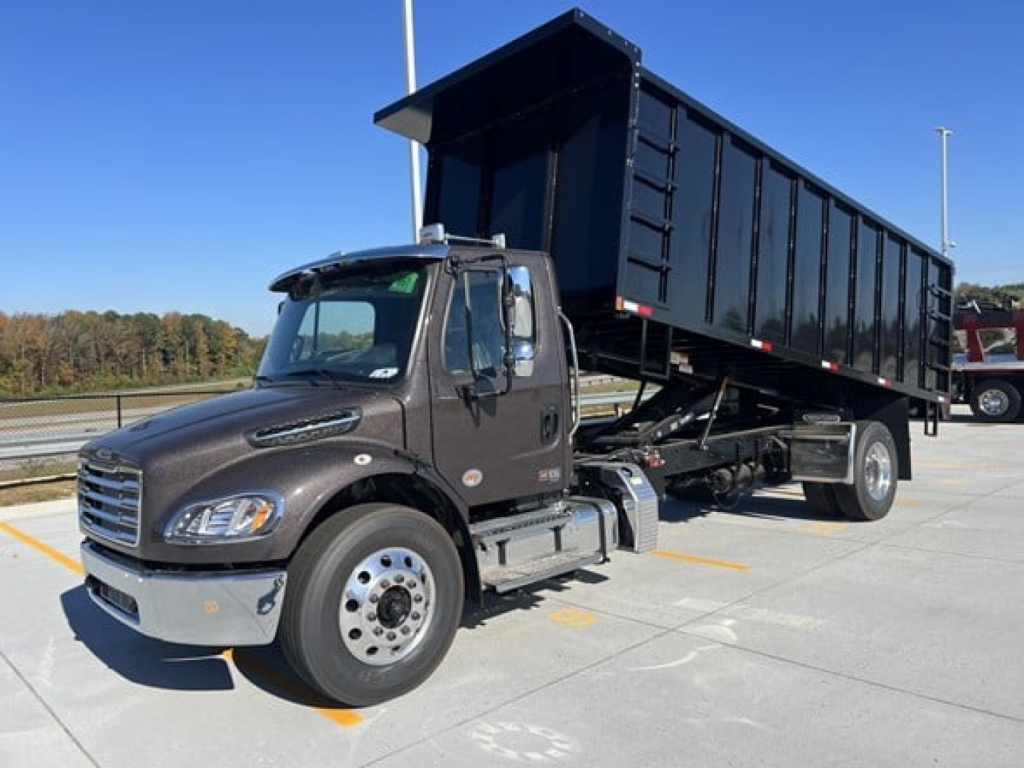
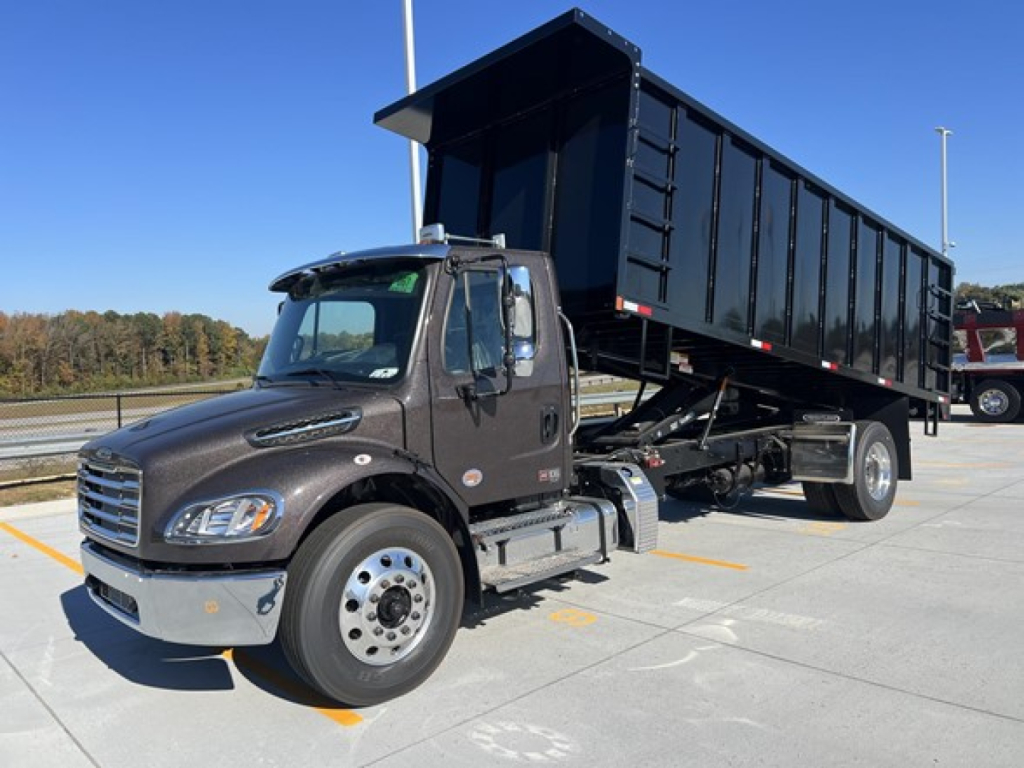
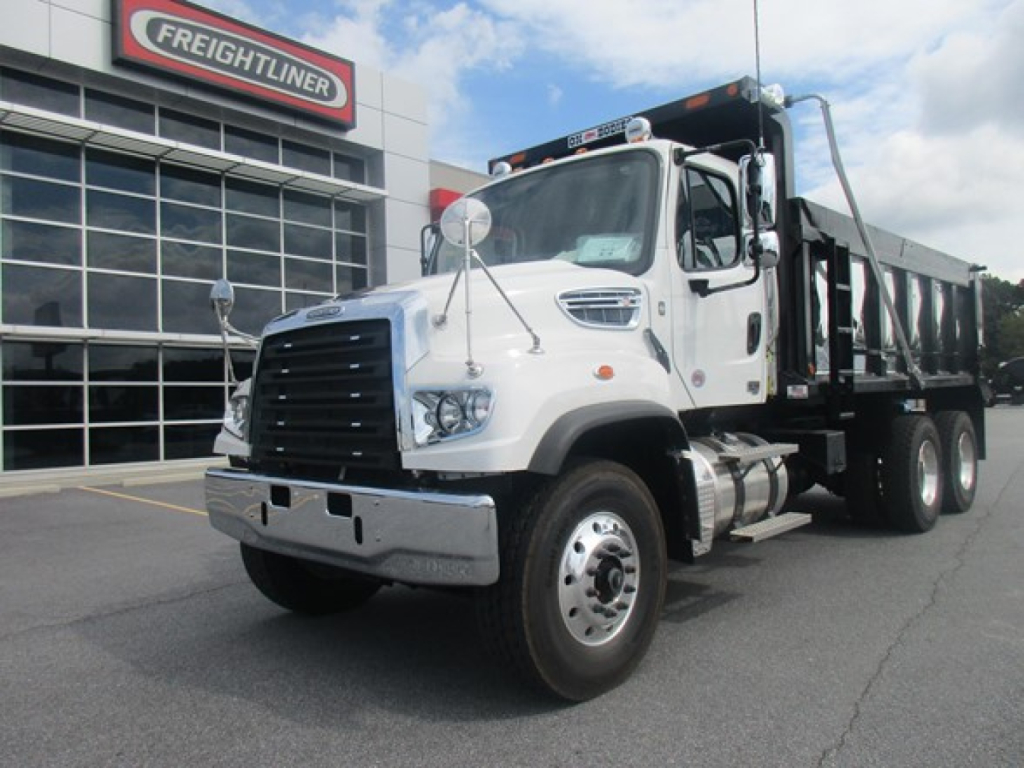
Have new 2026 freightliner dump truck to sell? List it here to reach thousands of buyers.
New 2026 Freightliner Dump Trucks in Georgia
A Freightliner dump truck is only as good as its chassis and body match. Common buying points include single axle versus tandem axle layout, front axle capacity, rear axle ratio, double-frame construction, and the type of dump body installed. On new 2026 units, many buyers will be looking for diesel power in the 300 to 500 horsepower range depending on gross vehicle weight and terrain, paired with an Allison automatic or a vocational manual or automated transmission. Severe-duty Freightliner 114SD dump trucks are often spec'd with 20,000 lb front axles, 40,000 to 46,000 lb rears, locking differentials, engine brake, and heavy vocational suspensions. Body specs can vary widely, from shorter steel or aluminum landscape bodies to 16-foot insulated dump bodies for asphalt and paving support. Details like electric tarp systems, pintle hitches, trailer air hookups, and high-lift or standard tailgates can make a major difference in day-to-day usability.
For Georgia buyers, application and legal payload need to be considered together. Local and regional dump work often means balancing bridge law, county road use, turning radius, and soft-jobsite traction against the need to maximize tons per load. A tandem Freightliner dump truck may be the better fit for contractors moving bulk material or pulling tag trailers, while a lighter M2 106 can make more sense for tighter urban routes, municipal fleets, and crews that need easier maneuverability. Cab configuration, visibility, hood set-back, and service access also matter on a truck that will spend time on mixed pavement and off-road surfaces. Freightliner remains popular in this segment because parts support is broad, the vocational chassis lineup is familiar to many fleet managers, and the trucks can be spec'd for a wide range of dump body applications.
When comparing new 2026 Freightliner dump trucks for sale, focus on the full operating package instead of just the badge on the hood. Verify the engine and transmission pairing, rear suspension type, body manufacturer, hoist capacity, liner or insulation package, and PTO setup. Look closely at wheelbase, cab-to-axle measurement, frame rating, tire size, and any trailer equipment if the truck will pull. The best dump truck spec is the one that fits the material, route, and loading equipment you use every day. A truck that is correctly matched to payload and duty cycle will usually outperform a heavier or more expensive unit that was built for the wrong job.
Frequently Asked Questions about New 2026 Freightliner Dump Trucks in Georgia
What is the difference between a Freightliner M2 106 dump truck and a Freightliner 114SD dump truck?
The Freightliner M2 106 is generally used for lighter to medium-duty dump applications where maneuverability, lower operating weight, and easier urban use are important. The Freightliner 114SD is a severe-duty vocational chassis built for heavier payloads, rougher jobsite conditions, and tandem axle dump work. Buyers typically choose the M2 106 for municipal, landscape, and local material delivery work, while the 114SD is more common in aggregate, paving, excavation, and construction hauling.
What specs matter most when buying a new dump truck?
The most important specs are axle ratings, GVWR, wheelbase, cab-to-axle dimension, engine horsepower and torque, transmission type, suspension, and dump body size and construction. Buyers should also confirm whether the truck has a single frame or double frame, the type of PTO and hoist system, tailgate style, tarp system, and any towing equipment such as a pintle hitch and trailer air lines. These details determine payload, durability, and how well the truck fits the intended job.
Is an automatic transmission a good choice in a Freightliner dump truck?
For many dump truck applications, an Allison automatic is a strong choice because it improves drivability in stop-and-go work, helps reduce driver fatigue, and performs well on jobsites where constant shifting is common. Automatic transmissions are especially popular in municipal fleets, paving support, and contractor fleets with multiple drivers. The right transmission still depends on gross weight, terrain, and duty cycle, but automatics are widely accepted in vocational dump service.
What type of dump body is best for hauling asphalt, stone, or dirt?
The right dump body depends on the material being hauled and the loading method. Insulated bodies are commonly used for asphalt to help retain heat during transport. Heavier steel bodies are often preferred for rock, demolition debris, and abrasive material because they handle impact and wear better. Aluminum bodies can reduce tare weight and improve legal payload in some applications, but they are generally chosen with the material type and expected abuse level in mind.
Why do buyers in Georgia often choose tandem axle dump trucks?
Tandem axle dump trucks are popular in Georgia because many contractors need higher legal payload capacity for aggregate, sand, clay, asphalt, and construction material. A tandem setup also provides better stability under load and is often better suited for pulling equipment or material trailers when spec'd with a pintle hitch and trailer connections. For lighter local work or tighter city routes, a single axle truck may still be the better fit, but tandem axle trucks remain a common choice for heavier vocational hauling.