
New 2026 Freightliner Dump Trucks For Sale
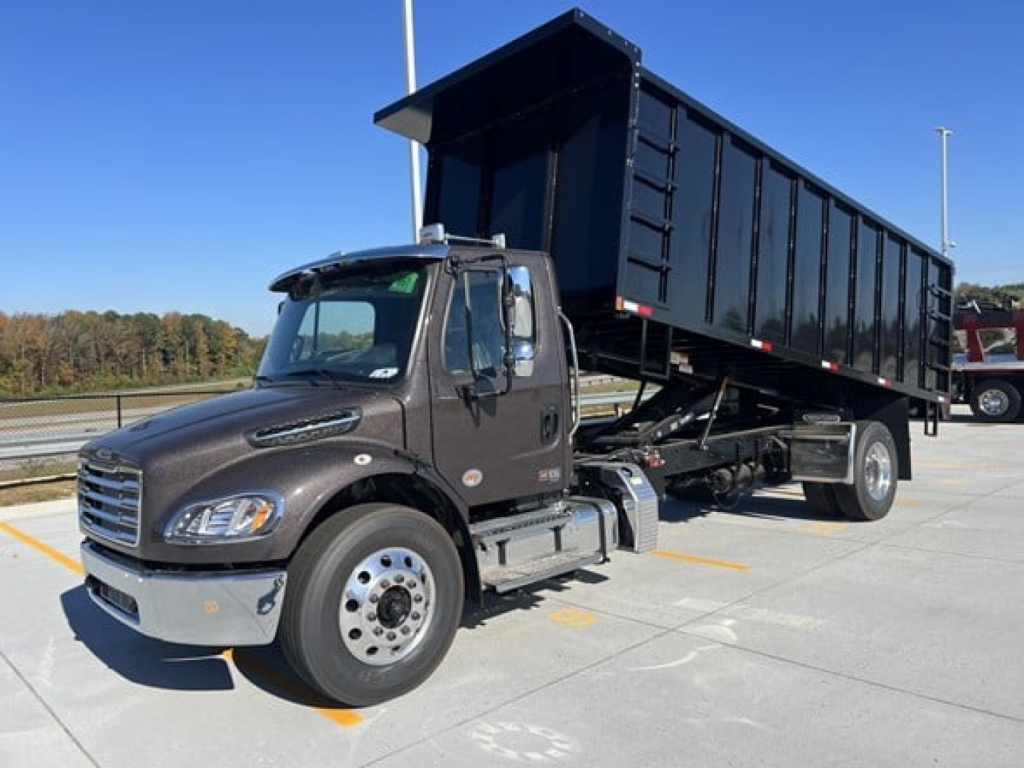
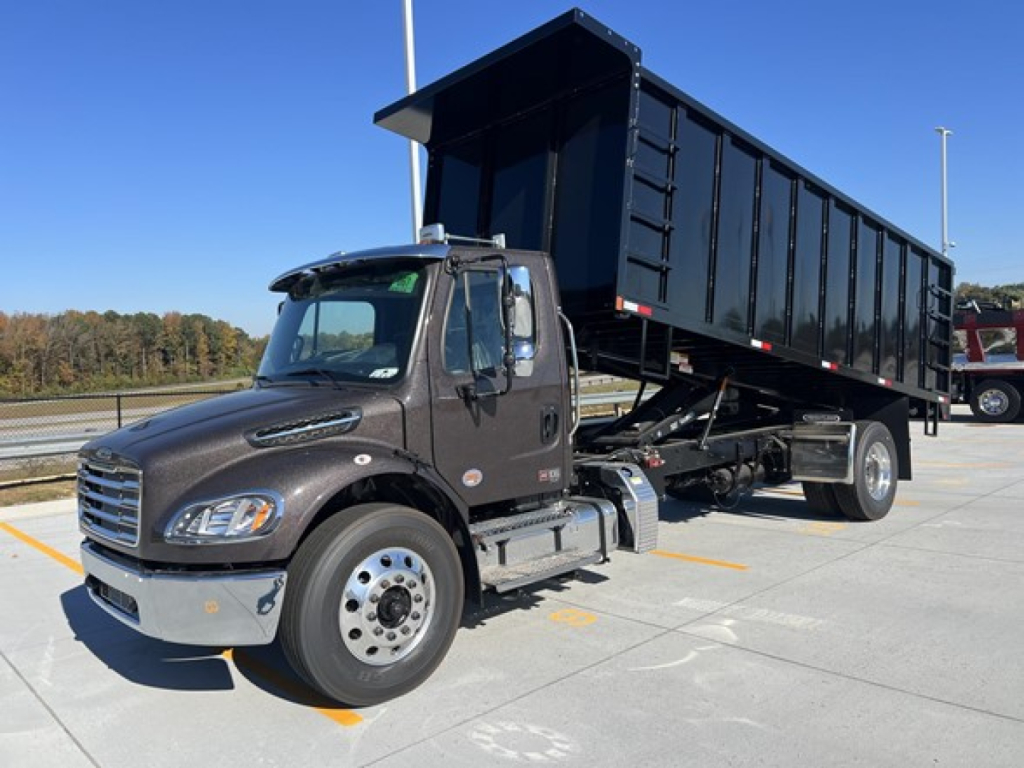
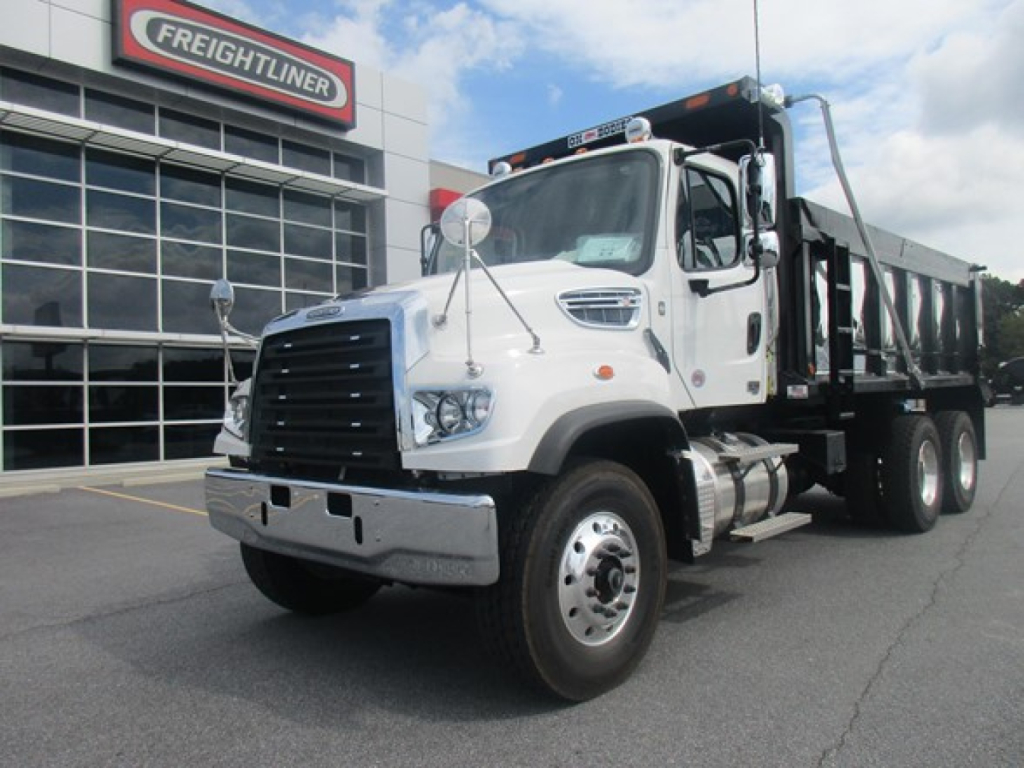
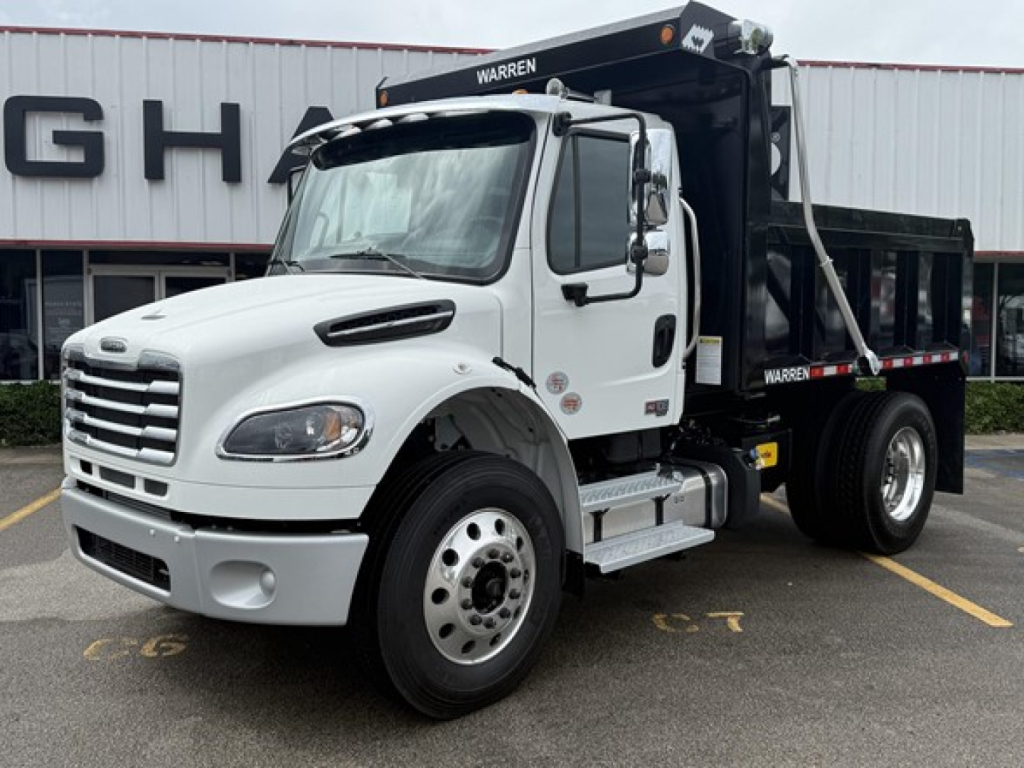
Shop new 2026 Freightliner dump trucks, including M2 106 and 114SD models built for hauling aggregate, asphalt, debris, and jobsite materials.
Have new 2026 freightliner dump truck to sell? List it here to reach thousands of buyers.
New 2026 Freightliner Dump Trucks
On the Freightliner side, the M2 106 is a common choice when you want a more compact chassis with good visibility and a straightforward vocational spec. It is often paired with Cummins power, automatic transmissions, and dump bodies sized for local delivery and contractor use. The 114SD steps up into a more severe-duty package, commonly spec'd with Detroit DD13 power, Allison automatics, double-frame construction, heavier front axles, and 46,000 lb rear tandems. That combination is well suited for operators who need a truck that can handle full loads of stone, millings, dirt, or hot mix while also supporting equipment such as pintle hitches, trailer brake connections, electric tarps, and insulated bodies.
Body spec matters as much as chassis spec on a dump truck. Buyers should pay close attention to body length, side height, floor thickness, hoist type, gate style, and whether the body is insulated for asphalt work. Common dump body suppliers include Warren and Ox Bodies, and the right choice depends on material type and loading method. A standard gate works for general-purpose hauling, while air-operated or high-lift gate setups may be better for paving or controlled spreading applications. Tarp systems, vibrator options, backup cameras, pintle packages, and body up alarms are also worth reviewing because they affect both compliance and cycle time on the job.
A new 2026 Freightliner dump truck also gives buyers the advantage of current emissions systems, updated safety technology, and a fresh chassis life cycle for fleets that want predictable maintenance. Cab layout, seat suspension, brake spec, wheelbase, tire size, and frame reinforcement should all be matched to the work instead of chosen from a generic vocational template. For local and regional dump work, these trucks are typically selected for durability, service access, and parts support as much as for rated capacity. The best spec is the one that matches route conditions, material density, loading equipment, and how often the truck will tow, idle, or run off-road.
Frequently Asked Questions about New 2026 Freightliner Dump Trucks
What is the difference between a Freightliner M2 106 dump truck and a Freightliner 114SD dump truck?
The Freightliner M2 106 is generally used for lighter vocational applications where maneuverability, visibility, and lower operating weight are important. It fits well in municipal service, landscaping, small contractor work, and local material delivery. The Freightliner 114SD is a heavier severe-duty platform designed for higher axle ratings, stronger frame configurations, larger dump bodies, and more demanding work such as aggregate hauling, paving, demolition, and road construction.
Is a single-axle or tandem-axle Freightliner dump truck better for most buyers?
That depends on payload requirements, route restrictions, and jobsite conditions. A single-axle dump truck is usually easier to maneuver, lighter, and better for short-haul contractor work or municipal applications. A tandem-axle dump truck typically offers higher GVWR, better load distribution, and stronger suspension and frame capacity for heavier materials like crushed stone, dirt, and asphalt. Buyers should compare legal bridge limits, body size, and material density before choosing between the two.
What engine and transmission specs are common in new Freightliner dump trucks?
Common specs include Cummins L9 engines in lighter-duty M2 106 applications and Detroit DD13 engines in heavier 114SD tandem dumps. Automatic transmissions, especially Allison vocational models, are popular because they improve ease of use, reduce driver fatigue, and perform well in stop-and-go hauling. The right powertrain depends on terrain, PTO requirements, average payload, and how often the truck operates on-road versus off-road.
What dump body features should buyers focus on first?
The most important dump body decisions are body length, side height, floor and side material thickness, hoist capacity, and gate configuration. Buyers hauling asphalt should also consider insulated bodies and tarp systems. For aggregate or demolition work, durability features such as reinforced floors, stronger crossmembers, and reliable hoists become more important. Matching the body to the material is critical because an underspec'd body will wear out quickly even if the chassis is correctly rated.
Are new 2026 Freightliner dump trucks a good fit for towing equipment trailers?
Many are, especially when spec'd with a full tractor or pintle package that includes a pintle hitch, trailer air connections, electrical hookup, and the correct rear frame setup. This is common on heavier tandem dump trucks used by paving crews, site contractors, and municipalities that need one truck to haul material and tow support equipment. Buyers should verify GCWR, hitch rating, rear axle ratio, brake setup, and local weight laws before planning regular trailer use.