
2016 Ford Dump Trucks For Sale
Have 2016 ford dump truck to sell? List it here to reach thousands of buyers.
2016 Ford Dump Trucks
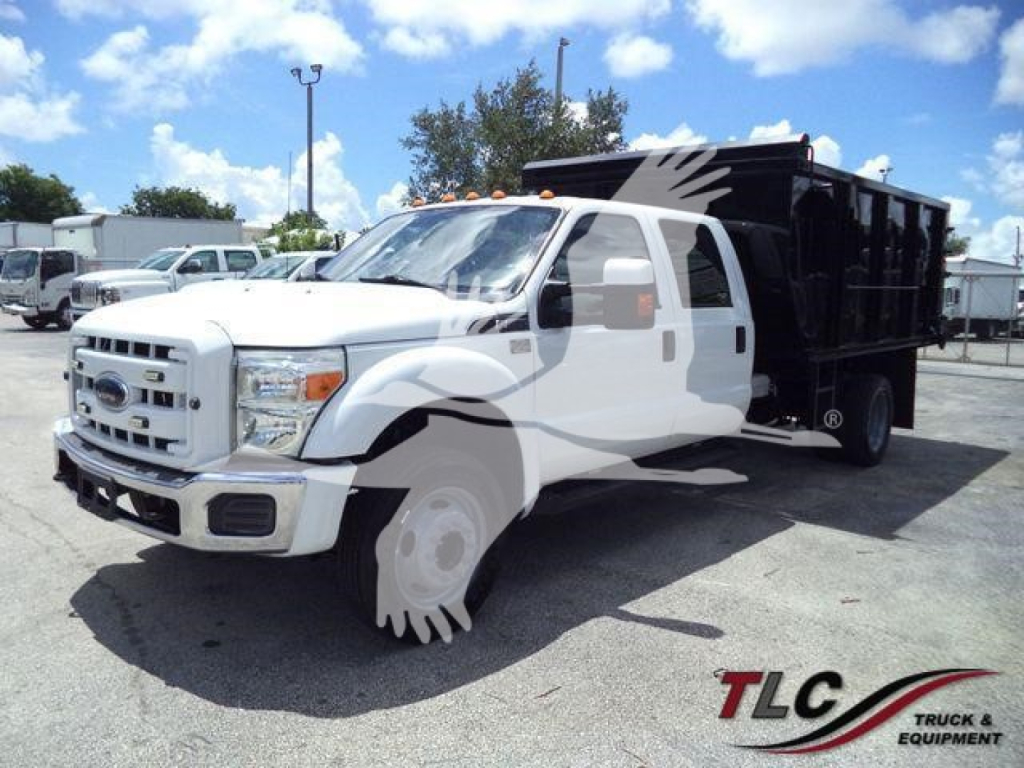
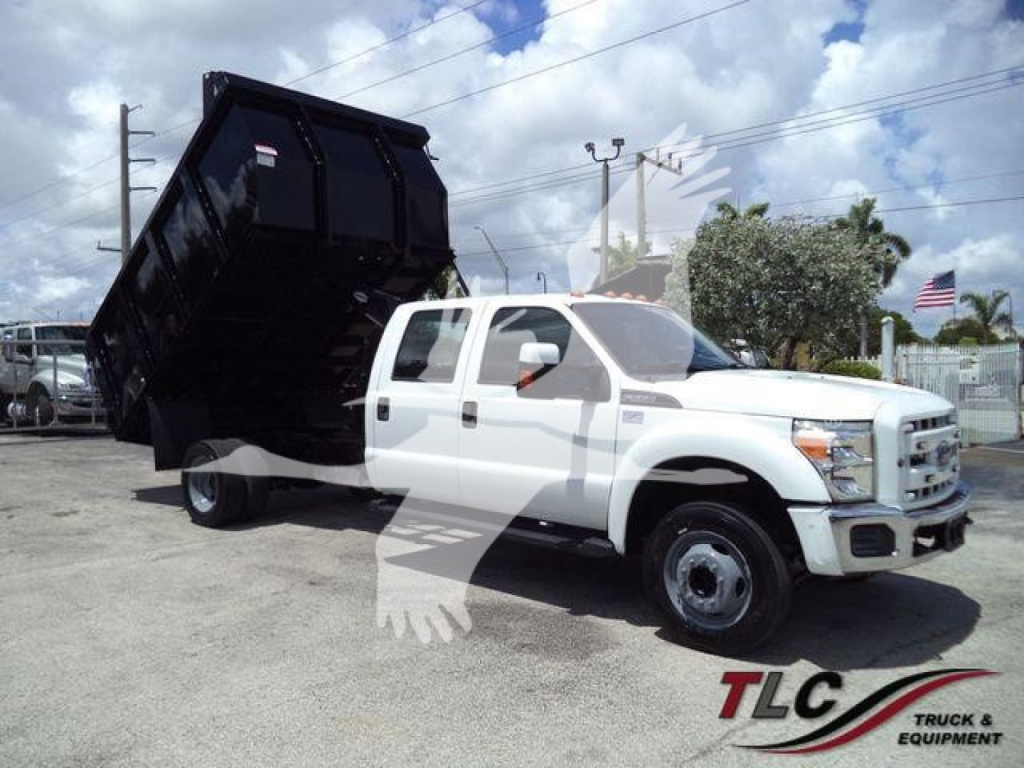
Body configuration matters as much as the chassis. Common setups include steel landscape dump bodies, mason dumps, and dirt dumps with side heights ranging from low material sides to tall landscape sides for leaves, brush, and light debris. Buyers should look closely at body length, rear door style, cab shield, tarp system, and hoist design. A 12-foot steel dump body with high sides suits landscape and refuse-related work, while a shorter, lower-sided body is often better for aggregate, asphalt patching, mulch, topsoil, and palletized material loaded by forklift. PTO-driven hydraulic hoists remain the standard on work-ready units, and hitch equipment like pintle hitches or receiver setups can add value for operators pulling trailers, skid steers, or compact equipment.
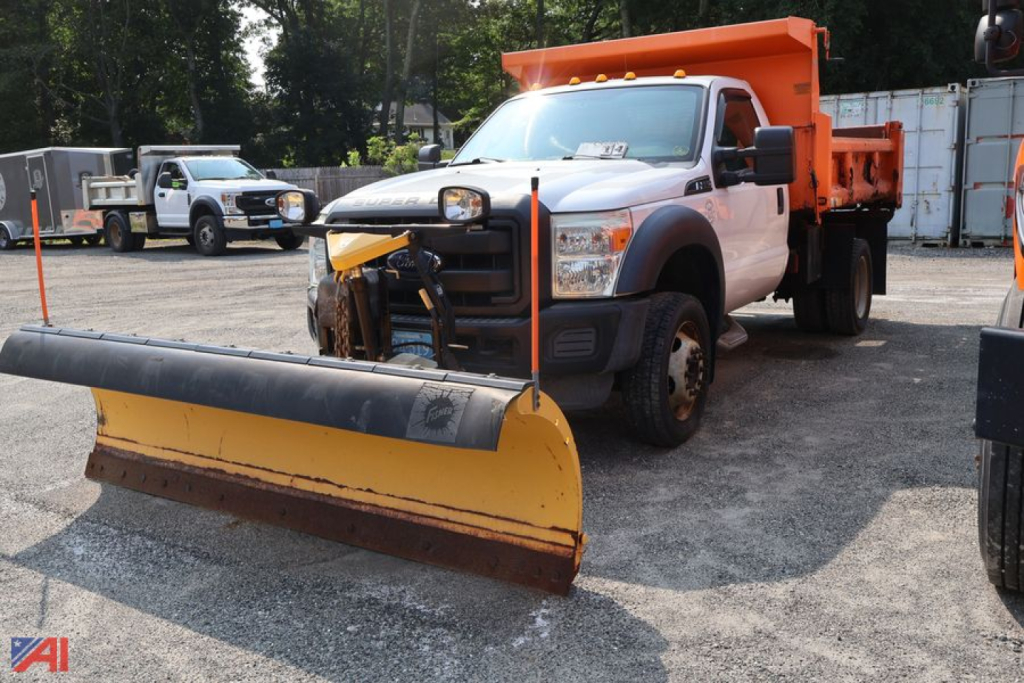
On the powertrain side, 2016 Ford dump trucks are often found with gasoline engines in lighter dump applications, especially on F-550 chassis, paired with automatic transmissions. Gas-powered units can make sense for fleets with shorter routes, lower annual miles, and simpler maintenance preferences. Buyers comparing trucks should verify axle ratings, rear suspension, brake controller setup, tire size, wheelbase, and whether the truck is 4x2 or 4x4. For winter service or off-pavement use, a 4x4 Ford dump truck with plow prep, spreader wiring, and front attachment provisions can be more valuable than raw payload alone. Crew cab versus regular cab is another real-world decision, especially for contractors moving a full work crew with tools.
Condition is heavily tied to the dump system and body structure, not just engine hours or mileage. Inspect the hoist, hinge points, crossmembers, floor thickness, sidewall straightness, and any corrosion around the rear sill, underbody, and subframe. Check for hard use signs such as bowed sides, patch plates, cracked welds, leaking hydraulic cylinders, and wear at the rear gate latches. A good 2016 Ford dump truck should match the material being hauled, the jobsite access required, and the licensing needs of the operator. For many buyers, the appeal is straightforward: a 2016 Ford dump truck can offer a familiar service network, widely understood chassis components, and a size range that works well for businesses needing a versatile work truck rather than a full-size heavy construction dump.
Frequently Asked Questions about 2016 Ford Dump Trucks
What are the most common 2016 Ford dump truck models buyers look for?
The most common 2016 Ford dump truck listings are usually built on F-450 and F-550 Super Duty chassis, with the F-550 being especially common for landscape dumps, mason dumps, and contractor bodies. Some buyers also look for medium-duty Ford chassis when they need more GVWR, axle capacity, or a larger dump body. The right model depends on payload target, trailer towing needs, body size, and whether the truck will work in tight urban spaces or more open jobsites.
Is a 2016 Ford F-550 dump truck a good choice for landscaping and contractor work?
Yes. A 2016 Ford F-550 dump truck is often a strong match for landscaping, tree service, property maintenance, and general contractor work because it balances payload, maneuverability, and upfit flexibility. It can typically carry a dump body large enough for mulch, soil, debris, or light aggregates while still fitting residential driveways and tighter streets better than a larger medium-duty truck. Buyers should still confirm actual GVWR, body dimensions, side height, and hoist capacity because body style can change how useful the truck is for a specific trade.
What should I inspect first on a used 2016 Ford dump truck?
Start with the dump body and hydraulic system. The body floor, crossmembers, hoist, hinges, cylinder seals, rear gate hardware, and subframe usually tell more about real work history than the odometer alone. After that, inspect frame condition, suspension, axle ratings, PTO operation, tires, brake setup, and signs of overload wear such as cracked welds or distorted side panels. On work trucks, corrosion and body fatigue can be more expensive to correct than routine engine or chassis service.
Are gasoline-powered 2016 Ford dump trucks common?
Yes. Gasoline-powered 2016 Ford dump trucks are common in lighter-duty applications, especially on Super Duty chassis used by landscapers, municipalities, and local contractors. Gas engines can be a sensible choice for operations with lower annual mileage, frequent stop-and-go routes, and maintenance programs that prefer simpler emissions-related service demands. They are typically best suited to local hauling and vocational use rather than high-mileage long-route duty.
What body features add the most value on a 2016 Ford dump truck?
The most useful body features depend on the work, but buyers often place value on a steel dump body, functional PTO hoist, cab shield, tarp system, well-designed rear gate, and trailer towing equipment. High sides and swing doors are especially useful for landscape and debris work, while lower sides and a durable floor are more important for stone, dirt, and asphalt-related hauling. Toolboxes, brake controller wiring, plow prep, and spreader provisions can also matter if the truck will serve multiple seasonal roles.