
Used 2021 Day Cab Trucks For Sale in Georgia
Shop used 2021 day cab trucks in Georgia. Compare regional haul specs, engine options, axle setups, and fuel-efficient fleet tractors.
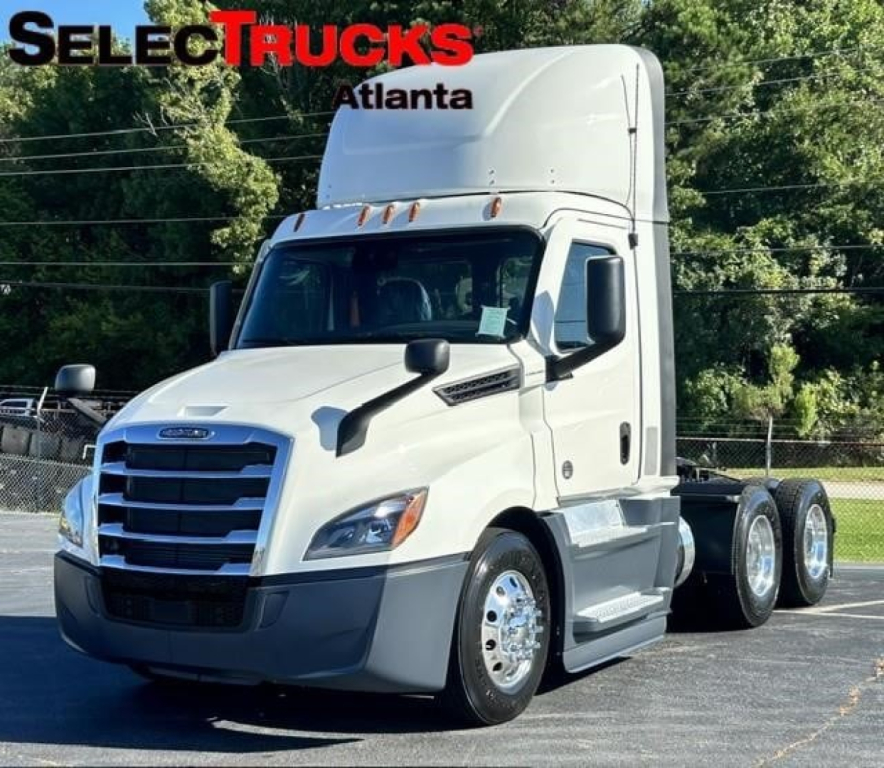
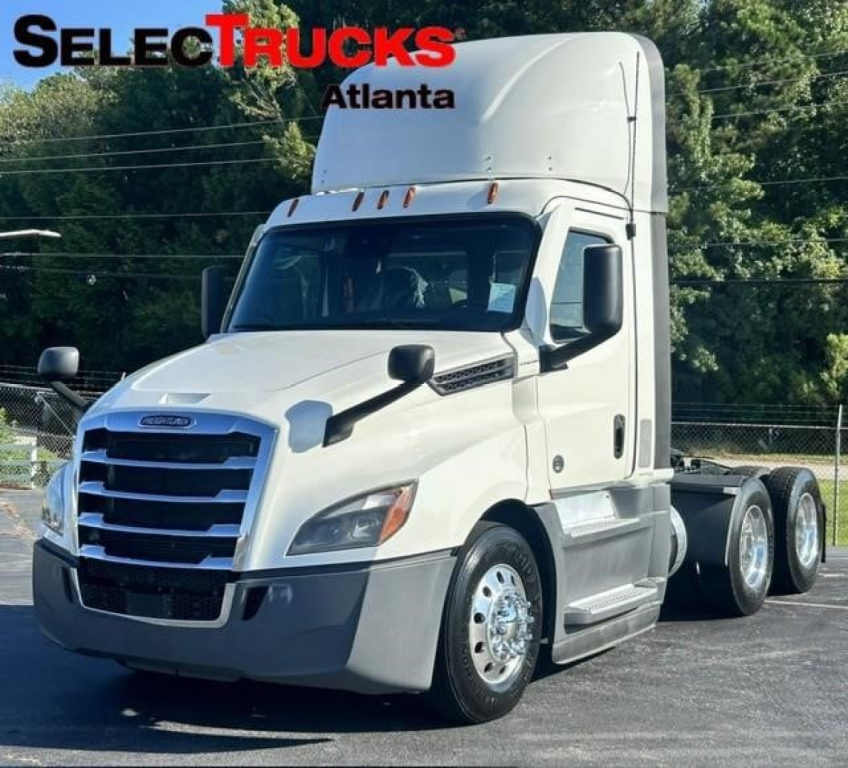

Selling a used 2021 day cab truck? List your used 2021 day cab truck for sale and reach thousands of commercial buyers.
Used 2021 Day Cab Trucks in Georgia
For most buyers, the key decisions start with engine and transmission spec. Common 2021 day cab setups include Detroit DD13, Cummins X12 or X15, and PACCAR MX-series engines, often paired with automated manual transmissions such as the DT12 or Endurant, though some manual and full automatic configurations are still found in vocational or specialized service. Horsepower in this class commonly falls in the 350 to 455 range, with torque selected around route profile, gross combination weight, and stop-and-go frequency. A lower-horsepower, fuel-focused spec can make sense for dry van and dedicated regional lanes, while heavier bulk, tanker, container, or multi-stop operations may justify higher torque, lift axles, or more aggressive rear axle ratios.
Chassis details matter just as much as the powertrain. Buyers should compare wheelbase, axle rating, fifth wheel position, suspension type, and fuel capacity against the trailers they plan to pull and the turning radius they need in tight terminals. Typical day cab configurations are 6x4 tandem axle tractors, but 6x2 variants can appear in fuel-economy-focused fleets. Aluminum wheels, air ride suspension, collision mitigation, lane departure warning, and onboard telematics are common on newer fleet-spec trucks. If the truck will work around ports or urban delivery zones, visibility features, heated mirrors, camera systems, and easier cab entry can make a meaningful difference in driver acceptance and daily productivity.
On a used 2021 day cab, inspection should focus on engine aftertreatment history, idle hours versus road miles, transmission calibration, brake wear, tire condition, and signs of uneven suspension or alignment wear. It also pays to review ECM data, maintenance records, DOT inspection history, and any evidence of fleet reconditioning. Georgia buyers should think about how the truck will perform in hot-weather traffic, regional grades, and frequent low-speed operation, all of which can affect cooling performance, DPF behavior, and fuel burn. A well-matched 2021 day cab can deliver a practical balance of acquisition cost, uptime, driver comfort, and efficiency for fleets that need a modern tractor without paying new-truck pricing.
Frequently Asked Questions about Used 2021 Day Cab Trucks in Georgia
What is a 2021 day cab truck best used for?
A 2021 day cab truck is best suited for regional hauling, local delivery, intermodal work, dedicated fleet lanes, and any operation where the driver returns home daily or does not need a sleeper berth. The layout reduces weight and shortens overall tractor length, which helps with maneuverability in distribution centers, ports, and urban freight environments. For many buyers, a day cab is the most practical tractor for high-frequency runs with multiple turns per week.
What engines and transmissions are common in used 2021 day cab trucks?
Common engine options in used 2021 day cab trucks include the Detroit DD13, Cummins X12 and X15, and PACCAR MX-series, depending on make and fleet spec. Many are paired with automated manual transmissions such as the Detroit DT12 or Eaton Endurant because fleets value fuel economy, easier driver onboarding, and reduced clutch wear. The right combination depends on average gross weight, terrain, idle time, and how much stop-and-go driving the truck sees.
What should I check first on a used 2021 day cab tractor?
Start with service records, engine hours, fault code history, and aftertreatment performance. A used 2021 day cab should also be checked for transmission shift quality, suspension wear, brake life, tire condition, and frame or fifth wheel wear consistent with its application. ECM downloads and documented preventive maintenance are especially useful because they show how the truck was operated and whether major systems were maintained on schedule.
Is a 2021 day cab good for Georgia freight operations?
Yes, a 2021 day cab is often a strong match for Georgia freight operations because the state supports dense regional traffic, port drayage, warehouse distribution, and high-volume lanes centered around Atlanta and Savannah. Day cabs are easier to maneuver in crowded terminals and can be spec'd for fuel efficiency on short to mid-length runs. Buyers in Georgia should still pay close attention to cooling system condition, idle strategy, and emissions performance because heat, congestion, and frequent low-speed operation can affect long-term reliability.
How do I choose the right axle ratio and horsepower for a day cab?
Axle ratio and horsepower should be selected based on payload, terrain, trailer type, and expected road speed. Lower horsepower and faster rear axle ratios usually favor fuel economy on lighter regional freight, while heavier loads, steeper grades, and frequent starts may need more torque and a ratio that improves launch and drivability. A truck that looks efficient on paper can feel under-spec'd in real service, so buyers should match the driveline to actual route demands instead of buying only by mileage or price.