
Crane Trucks For Sale in Minnesota
Browse crane trucks for sale in Minnesota. Compare boom type, lift capacity, chassis specs, axle setup, and PTO-driven hydraulic performance.
No exact matches found for your search
Showing Crane Trucks instead.
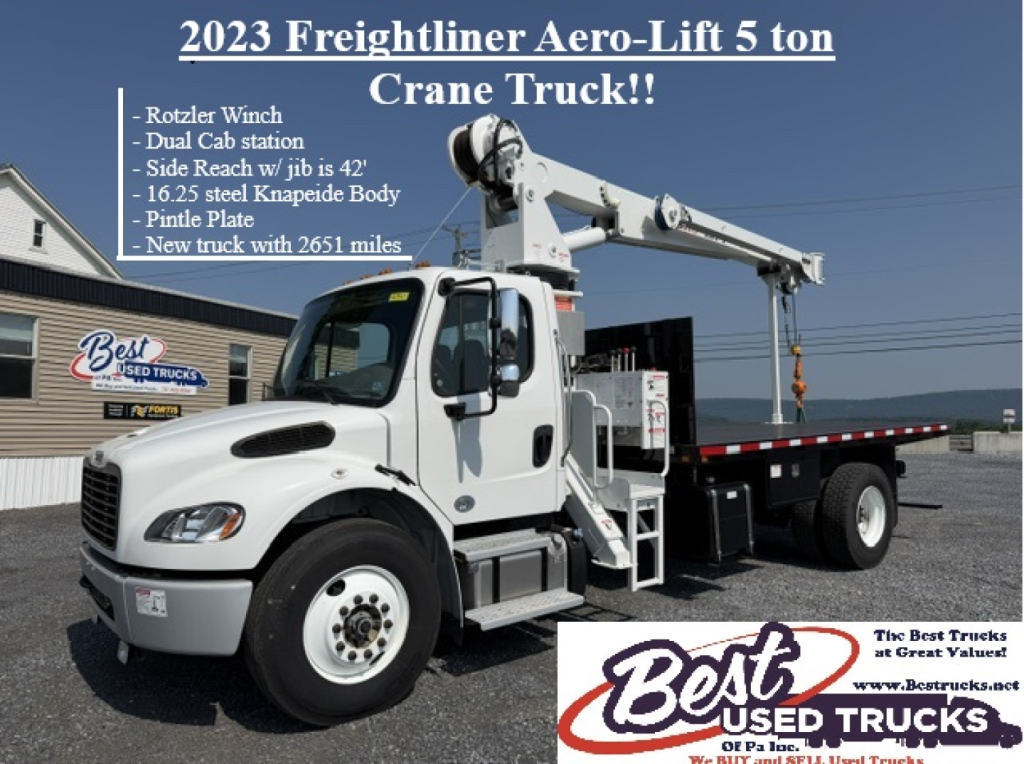
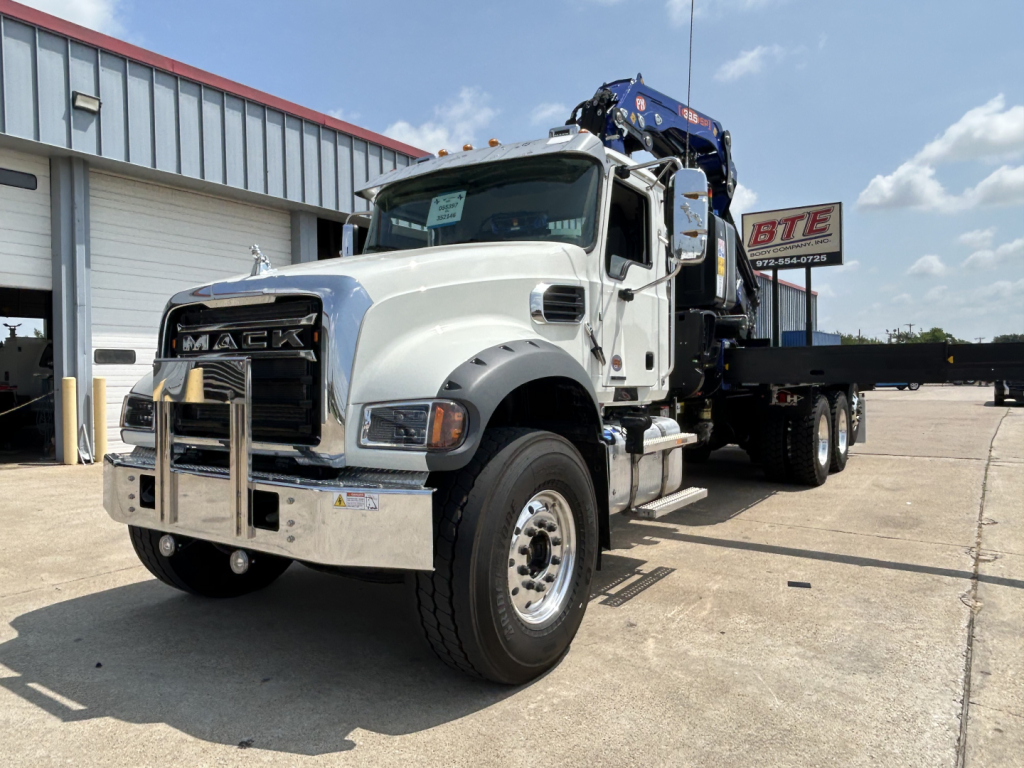
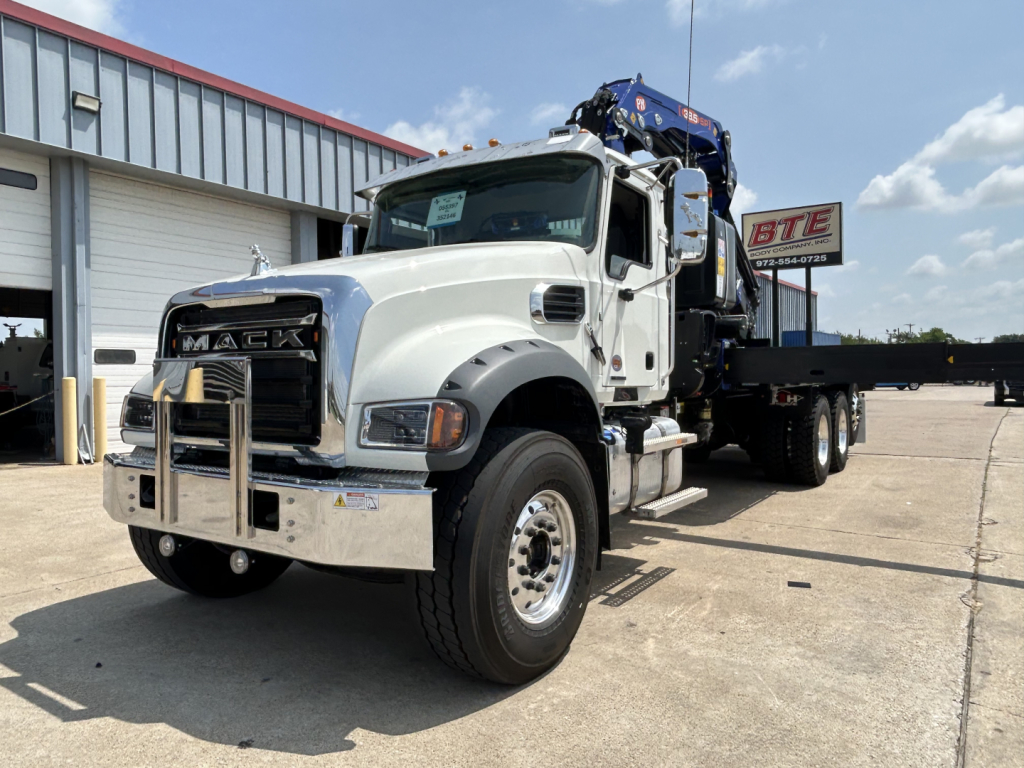
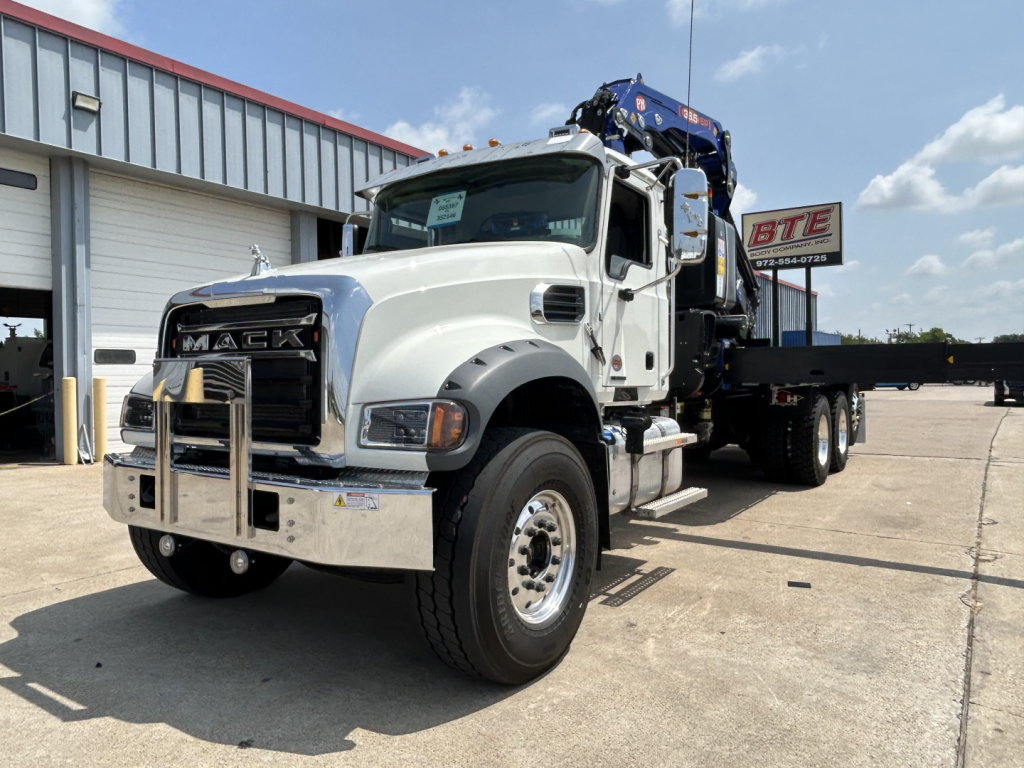
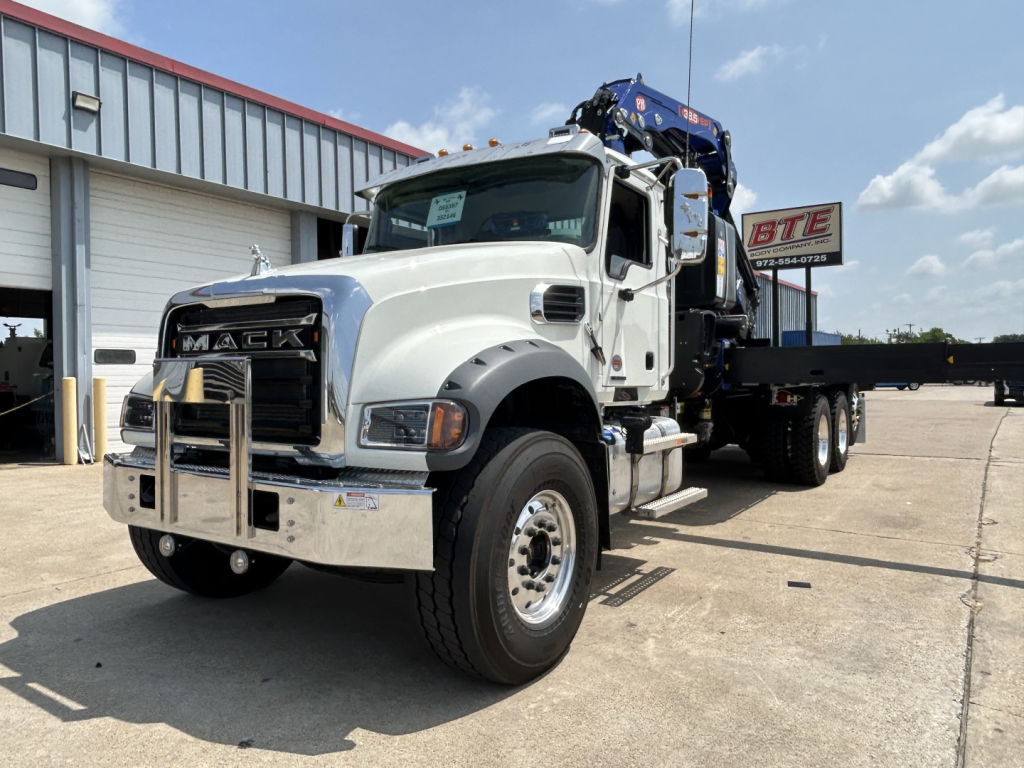
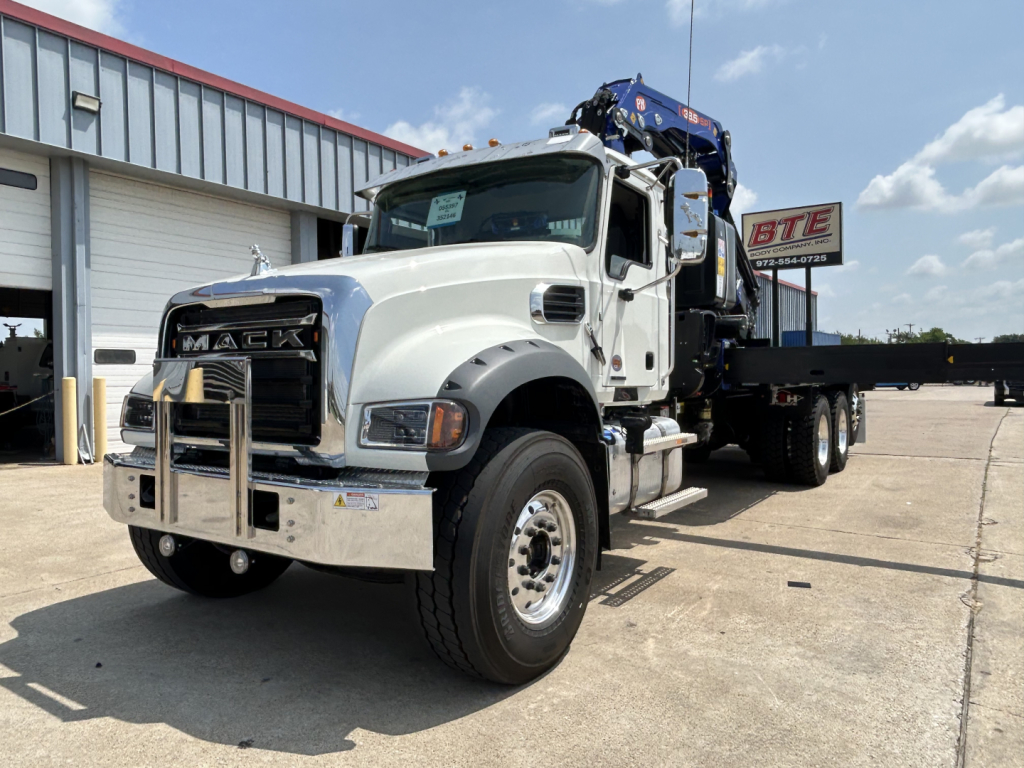
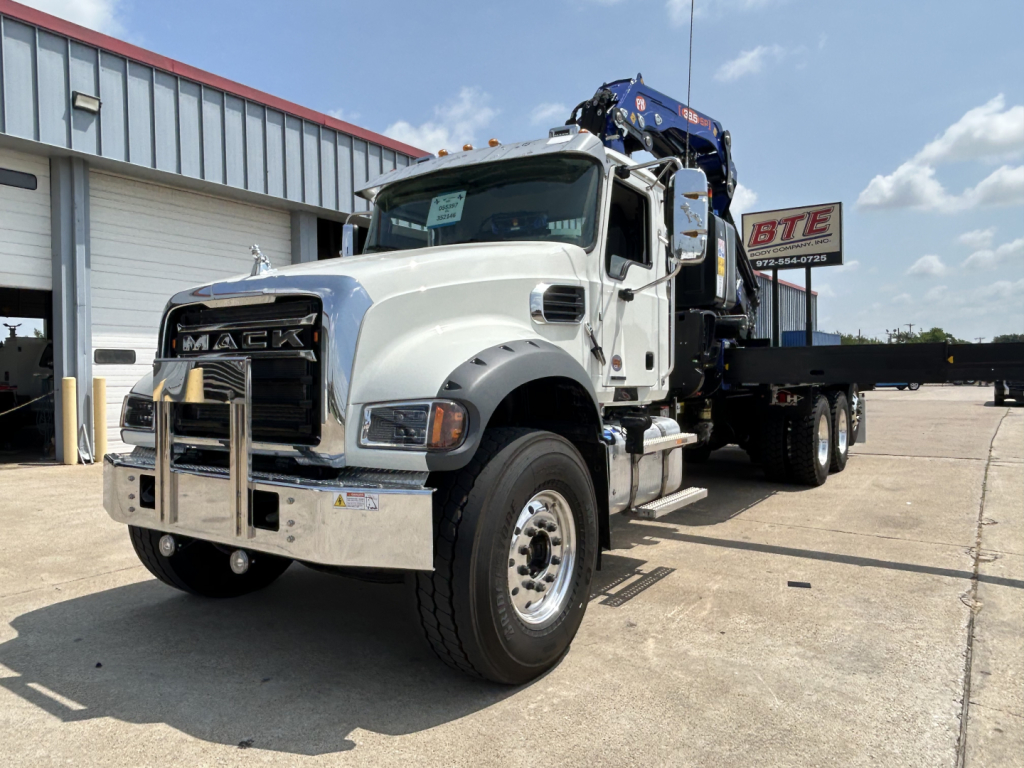
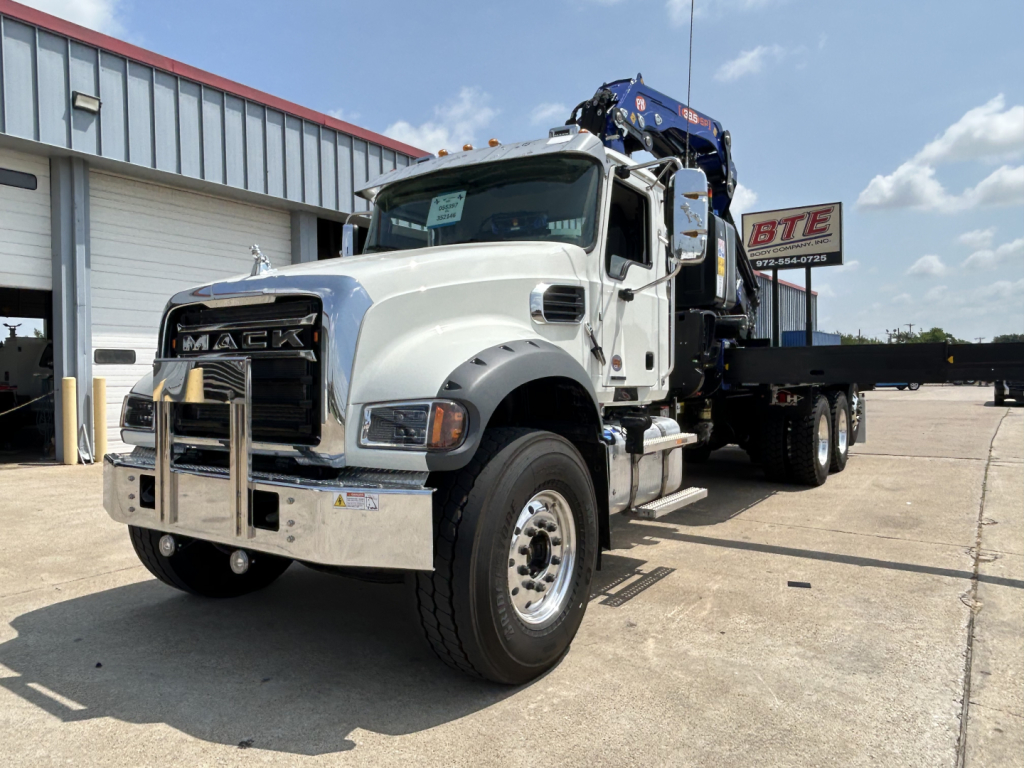
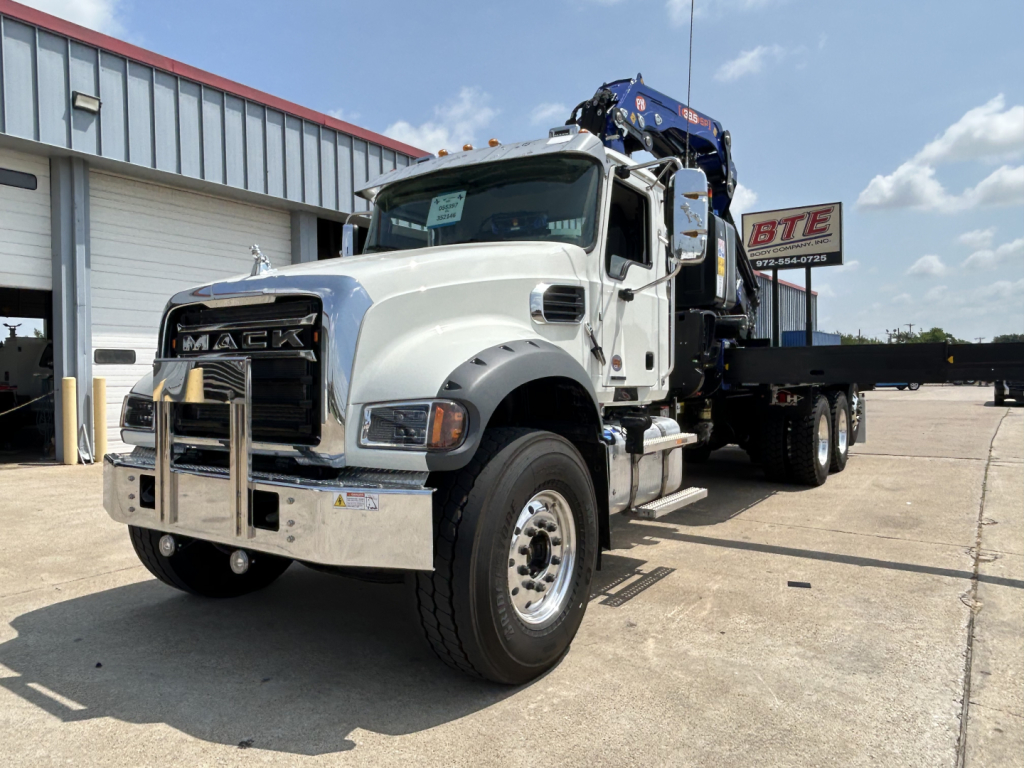
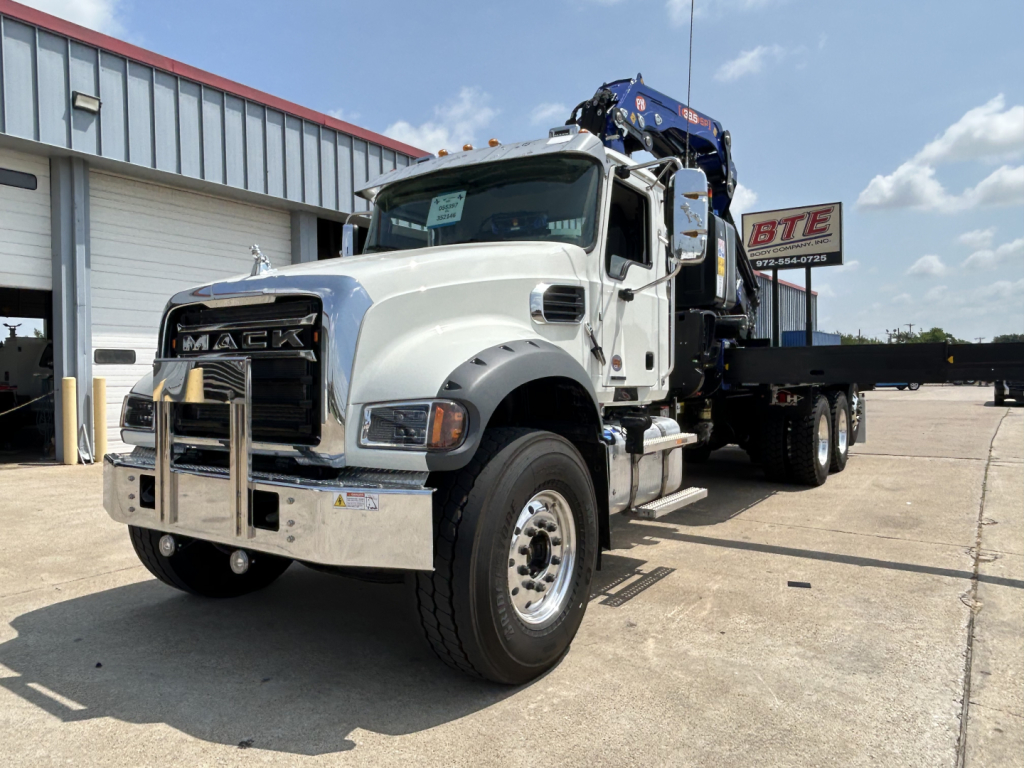
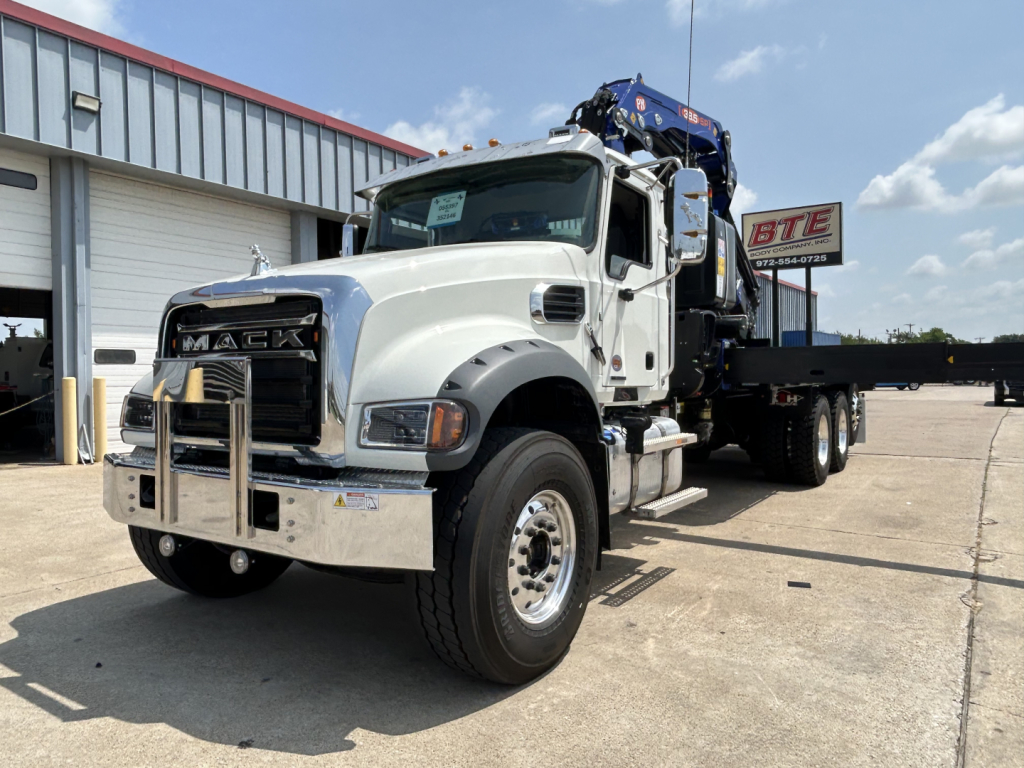
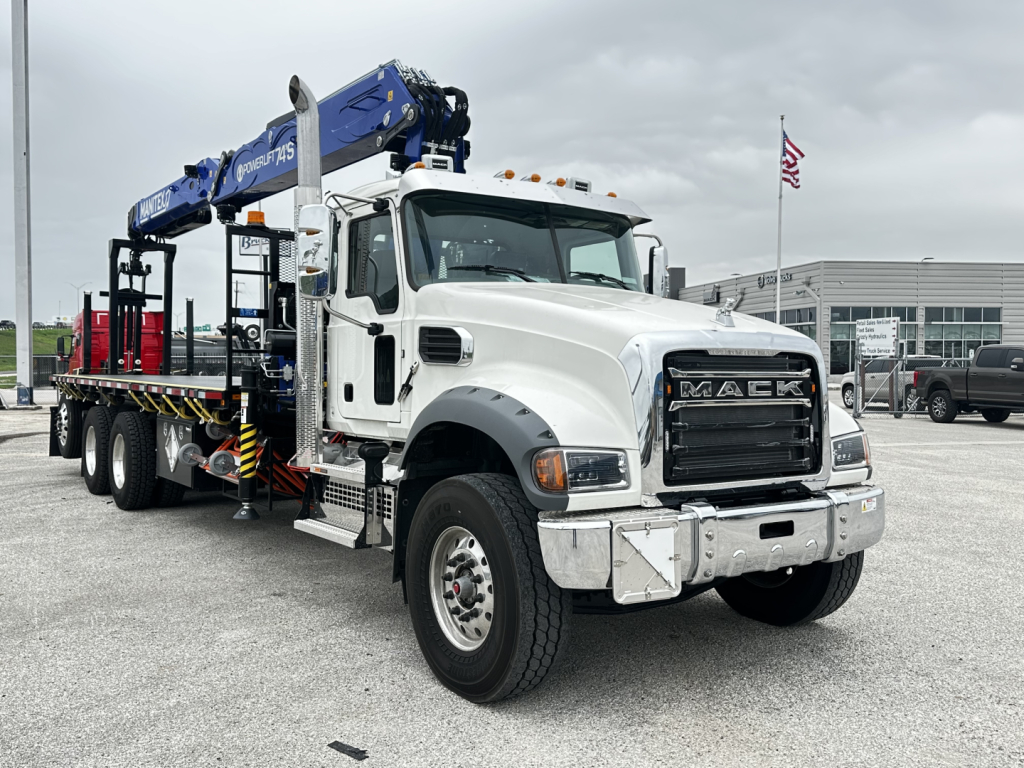

Selling a crane truck? List your crane truck for sale and reach thousands of commercial buyers.
Crane Trucks in Minnesota
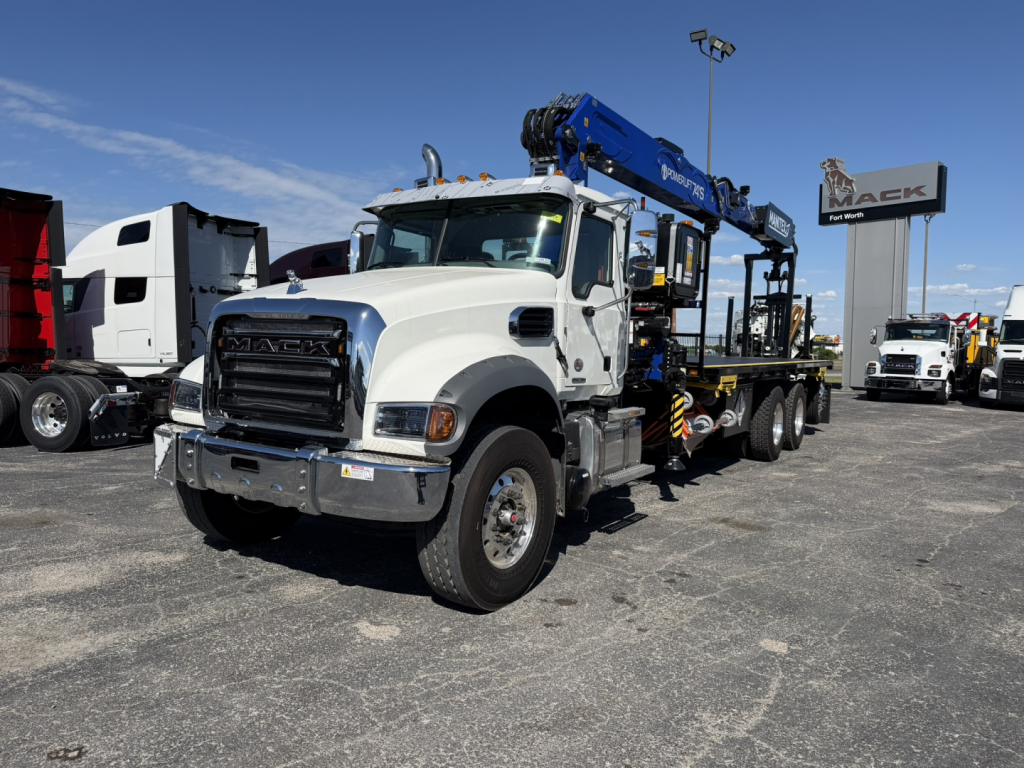
Lift capacity, boom length, and working radius are the first specs to verify because they determine what the truck can actually do in the field. A longer boom does not automatically mean better lifting performance at reach, and many buyers focus too much on maximum height instead of chart capacity at common working radiuses. PTO-driven hydraulics, outrigger spread, winch rating, and body layout all affect day-to-day productivity. On the truck side, pay close attention to GVWR, front axle capacity, rear axle configuration, wheelbase, and suspension. Heavier crane packages often require tandem or tri-drive setups, especially when the chassis also carries tools, rigging, or mounted bodies. Engines in this class commonly come from Cummins, Detroit, or Paccar, paired with automatic or automated manual transmissions depending on duty cycle and operator preference.
Body style and crane mounting layout should match the work. Behind-cab cranes are common for balanced load distribution and easier deck access, while rear-mounted cranes can improve loading flexibility for certain material-handling applications. Utility crane trucks may include an aerial device, insulated boom sections, platform controls, and storage for line tools and safety gear. Mechanics and field service operations often prefer smaller knuckle boom or telescopic crane setups on service bodies for lifting compressors, generators, and jobsite components without stepping up to a full boom truck. Buyers should also inspect frame reinforcement, PTO engagement, hydraulic leaks, boom wear, rotation smoothness, outrigger condition, and service records. Annual inspections and load test documentation are especially important on crane-equipped trucks because the chassis and lifting equipment age on different maintenance cycles.
A good crane truck purchase comes down to matching the lift chart to real jobs, not buying for peak spec numbers alone. In Minnesota, traction, axle loading, and legal road weight can be just as important as boom reach, particularly for fleets moving between urban streets, county roads, and soft jobsites. Look closely at rust on outriggers, subframes, and body mounts, and confirm that controls, safety interlocks, and any remote systems function correctly. A properly spec'd crane truck can replace separate hauling and lifting equipment on many jobs, but only if the chassis, crane, and body are built to work as one system.
Frequently Asked Questions about Crane Trucks in Minnesota
What is the difference between a crane truck and a boom truck?
The terms are often used interchangeably, but boom truck usually refers to a truck with a hydraulic telescopic crane used for lifting materials, while crane truck can be a broader category that includes utility units, service bodies with cranes, and some personnel-lift configurations. The key difference is the actual crane design, lift chart, and intended application. Buyers should verify whether the unit is built for material handling, personnel lifting, or both, because those uses require different equipment ratings, controls, and inspection standards.
What crane truck specs matter most when comparing listings?
The most important specs are rated lifting capacity, boom length, working radius, outrigger spread, and the crane's load chart at realistic pick points. On the chassis, GVWR, axle ratings, wheelbase, frame strength, PTO setup, and transmission choice are critical because they affect legal payload, stability, and hydraulic performance. Buyers should also look at body configuration, storage, deck space, and whether the crane is mounted behind the cab or at the rear, since layout changes how the truck works on a jobsite.
Are crane trucks practical for Minnesota operating conditions?
Yes, but Minnesota conditions make chassis and hydraulic health more important. Cold weather can affect hydraulic response, seals, batteries, and PTO operation, while road salt accelerates corrosion on outriggers, subframes, wiring, and body mounts. Buyers in this market should inspect rust carefully, confirm that heaters and cold-weather options work properly, and make sure the truck has the traction, axle configuration, and stability needed for snow, frost, and mixed-surface jobsites.
How do I know if a crane truck is sized correctly for my work?
Start with the heaviest load you need to lift and the distance from the truck where that lift usually happens. Crane performance drops as working radius increases, so the correct unit is determined by the load chart at reach, not just by maximum boom length or maximum capacity at a short radius. It is also important to account for the weight of rigging, attachments, and any body payload carried on the truck, because all of that affects legal weight and safe operation.
What should I inspect on a used crane truck before buying?
Focus on both the truck and the crane as separate systems that must work together. Check engine hours and miles, PTO engagement, transmission behavior, frame condition, axle ratings, tire wear, and hydraulic leaks. On the crane, inspect boom sections, pins, sheaves, hoses, cylinders, rotation function, outriggers, and control stations. Service history, annual inspection records, and any load test documentation are valuable because they show how the lifting equipment has been maintained over time.