
Used Volvo Conventional Sleeper Trucks For Sale in Wisconsin
Shop used Volvo conventional sleeper trucks in Wisconsin. Compare VNL specs, sleeper sizes, D13 power, I-Shift options, and axle setups.
No exact matches found for your search
Showing Used Volvo Conventional Sleeper Trucks instead.
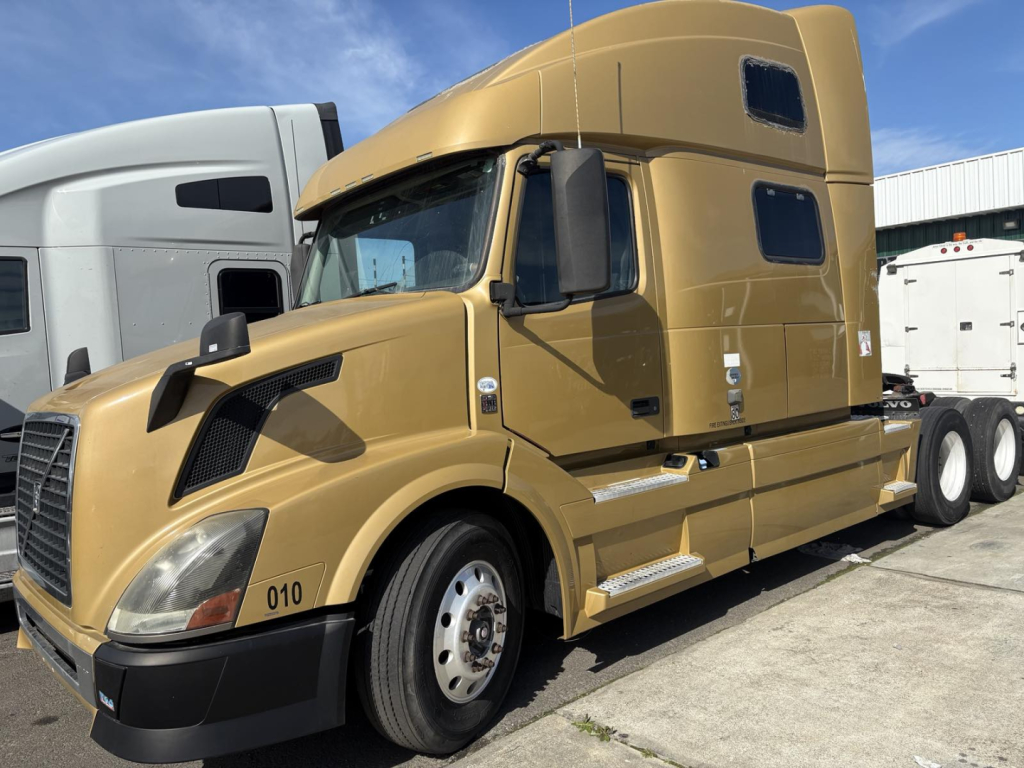
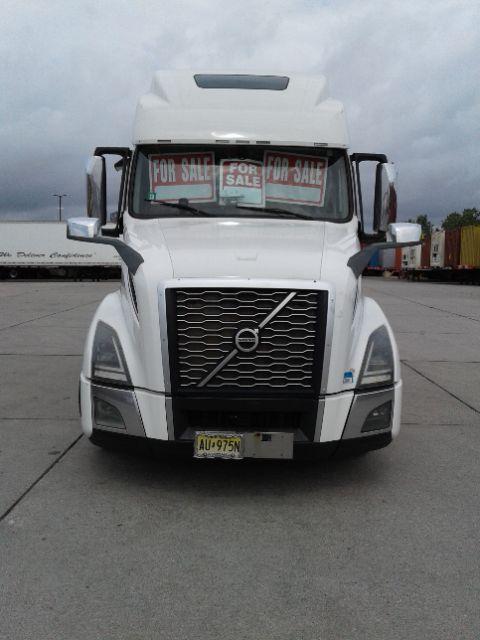
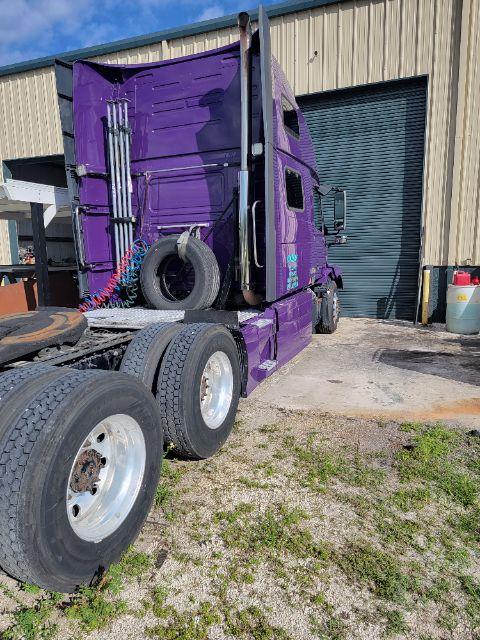
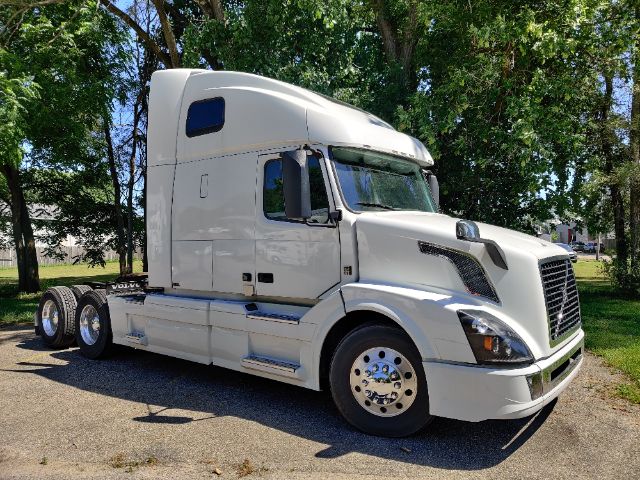
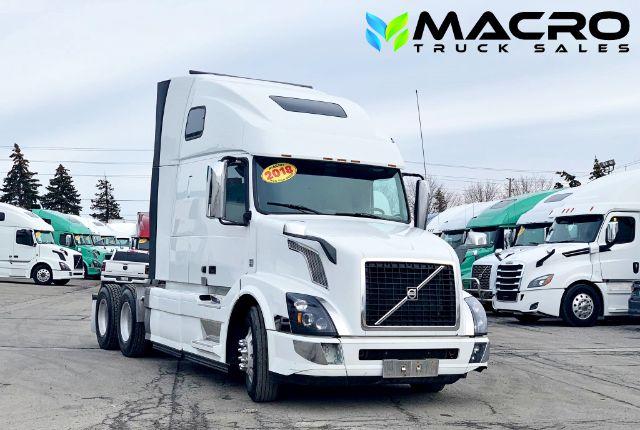
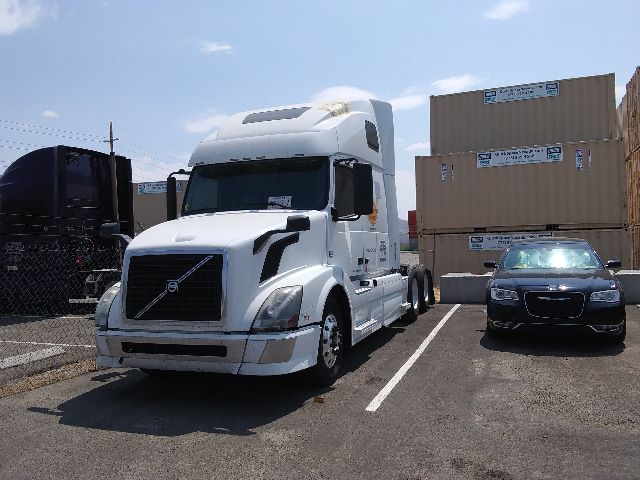
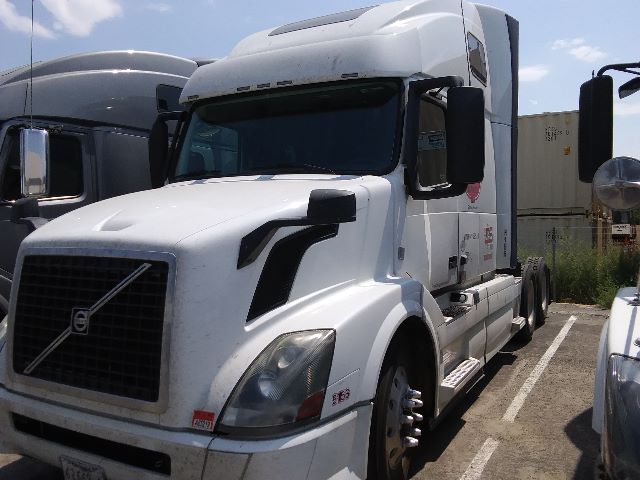
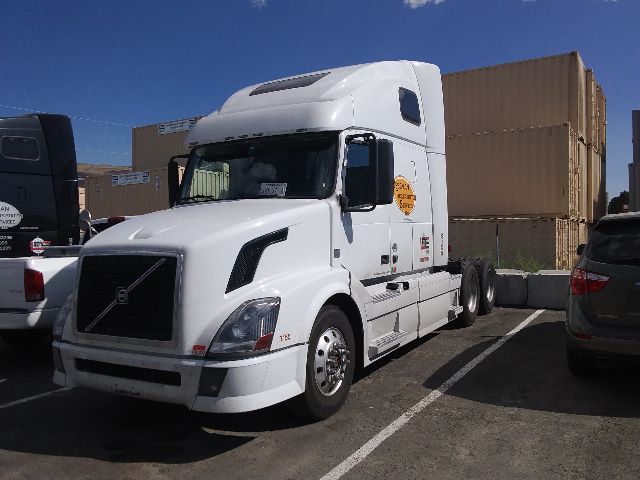
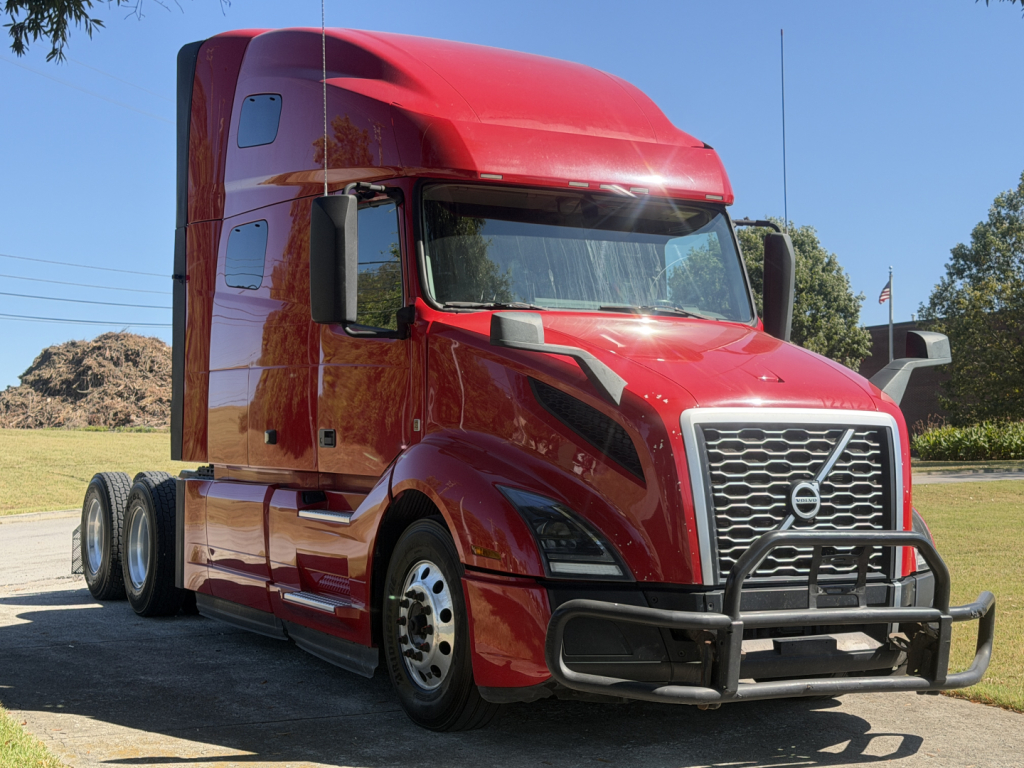
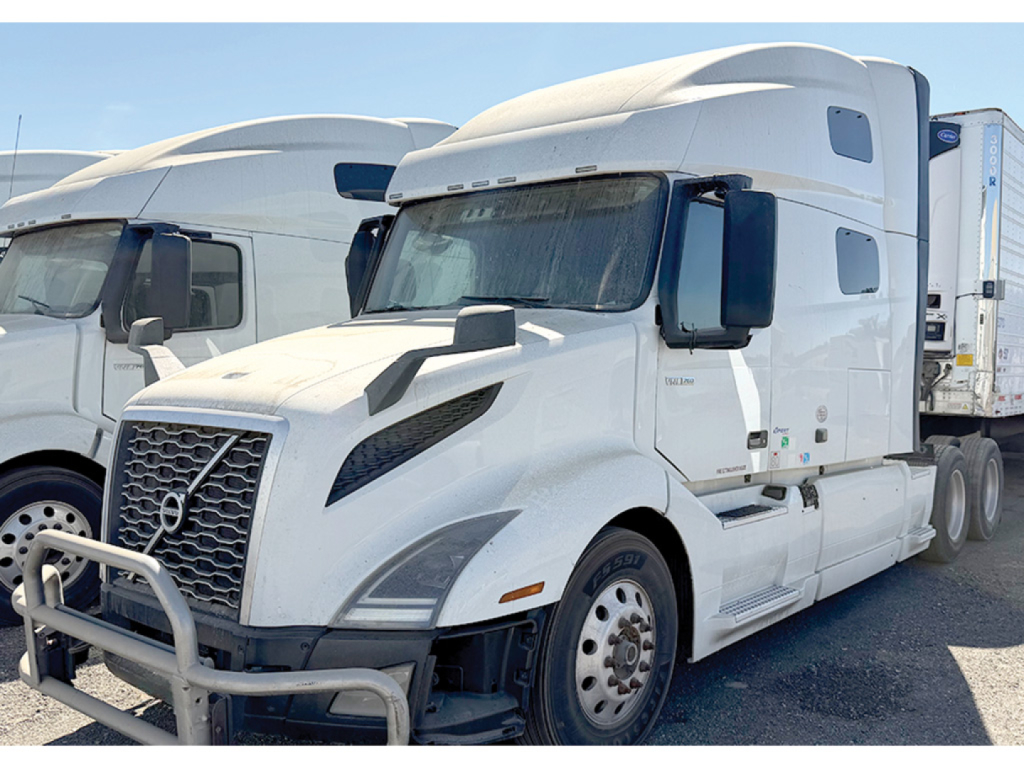
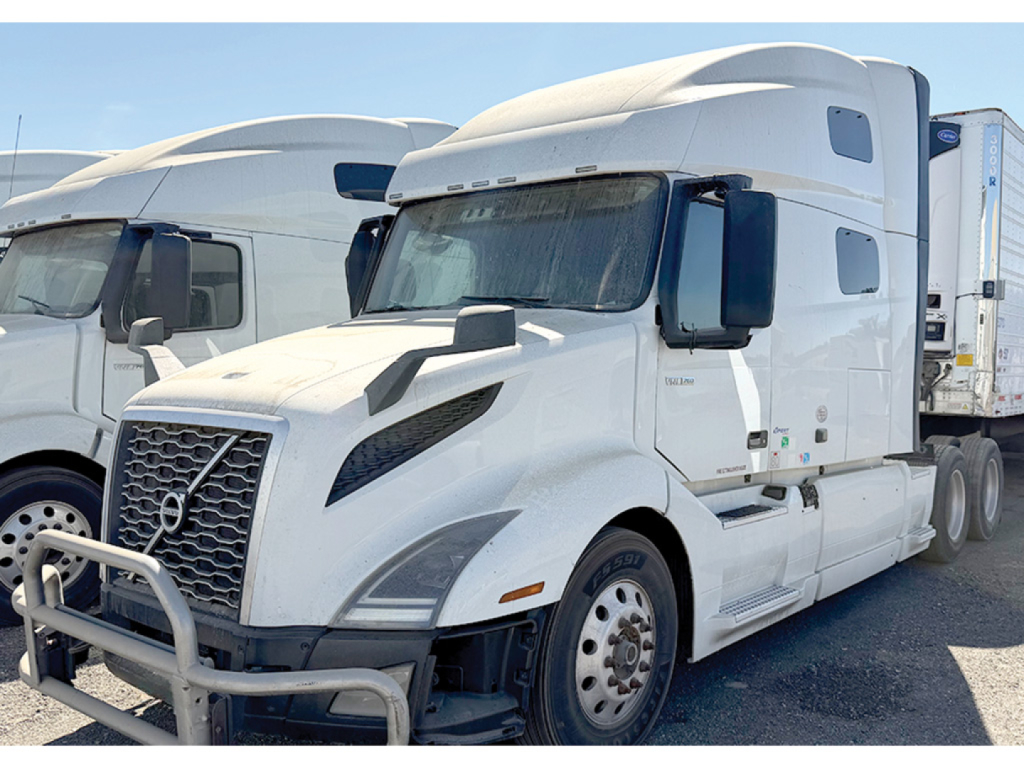
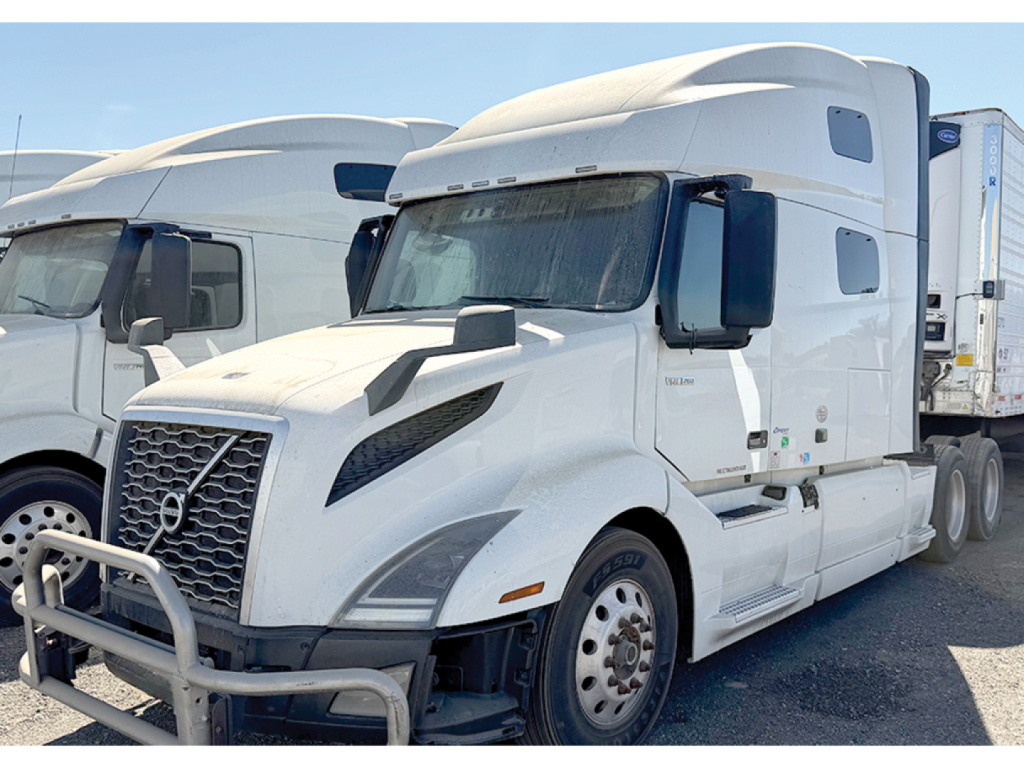
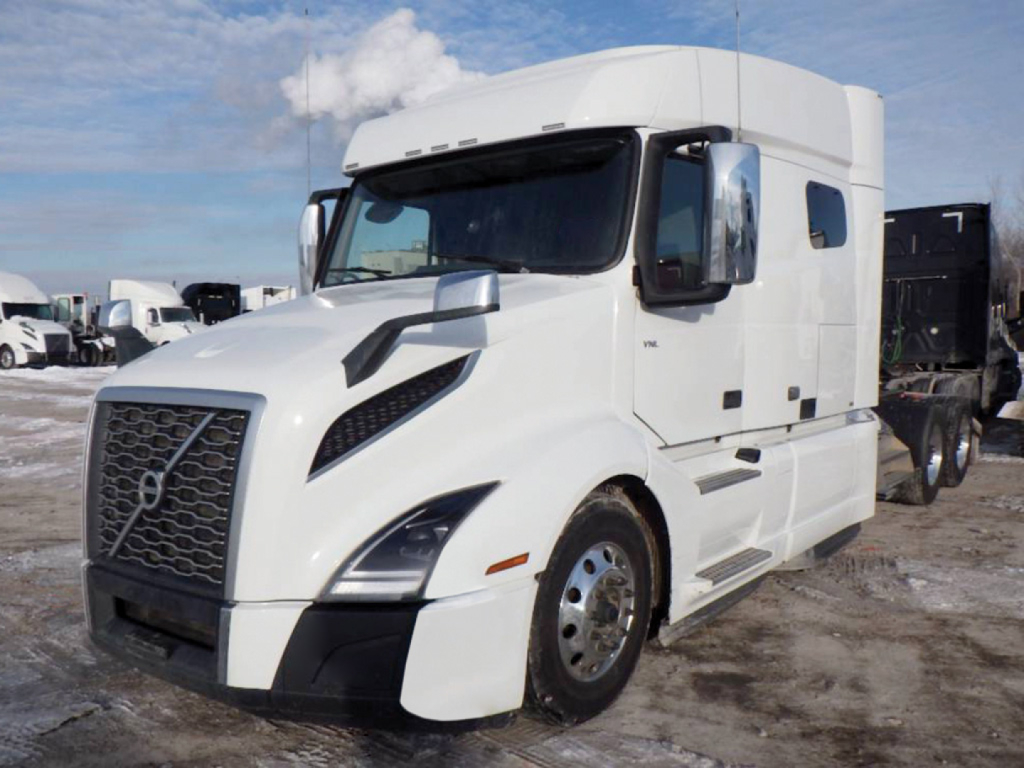
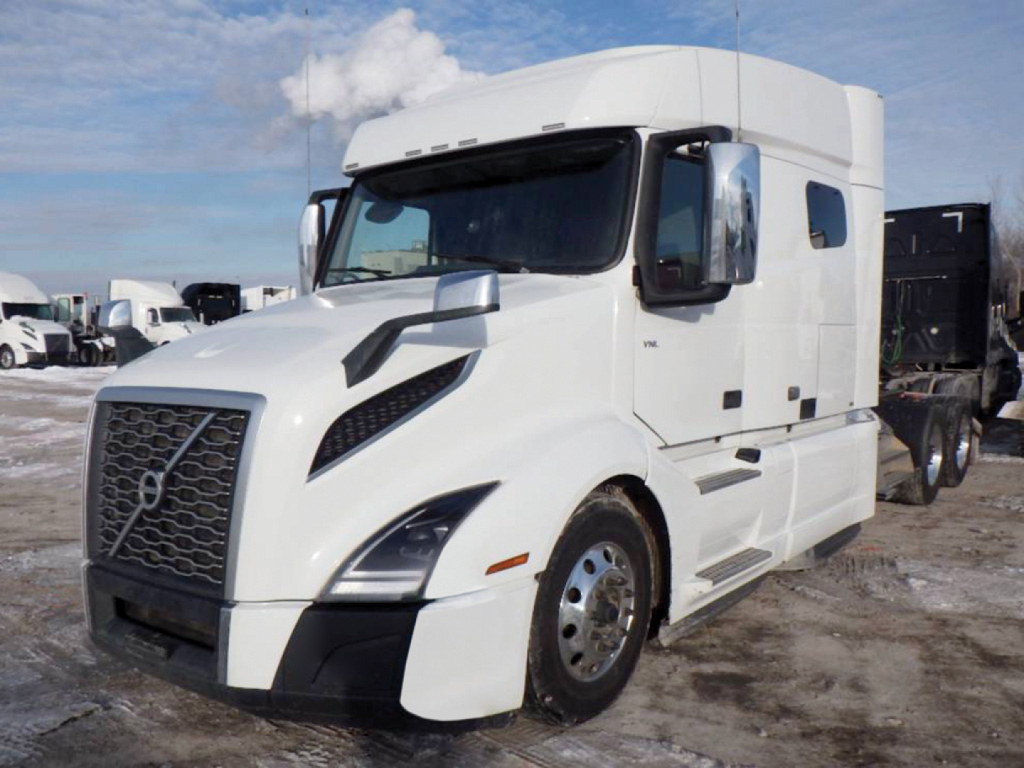
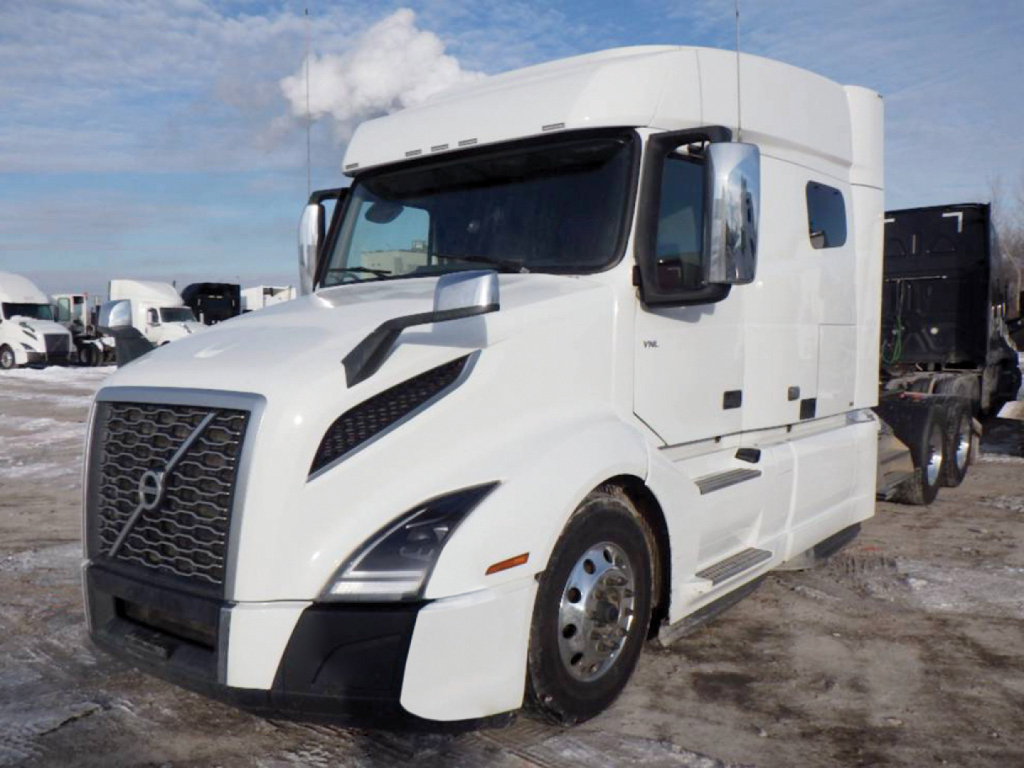
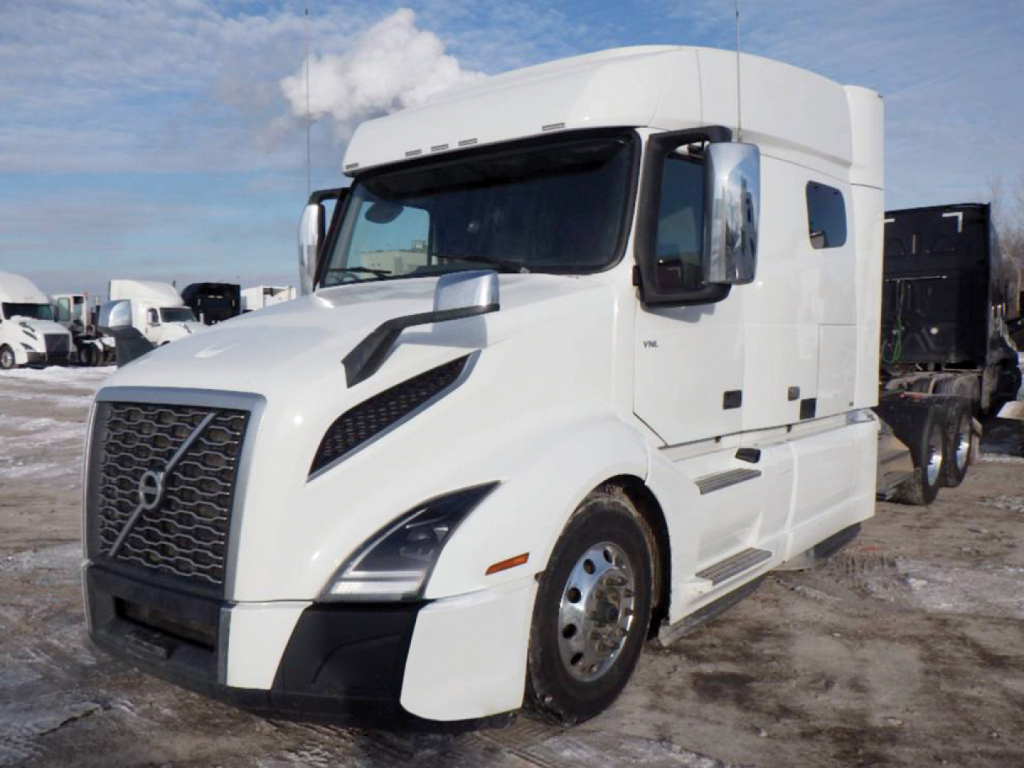
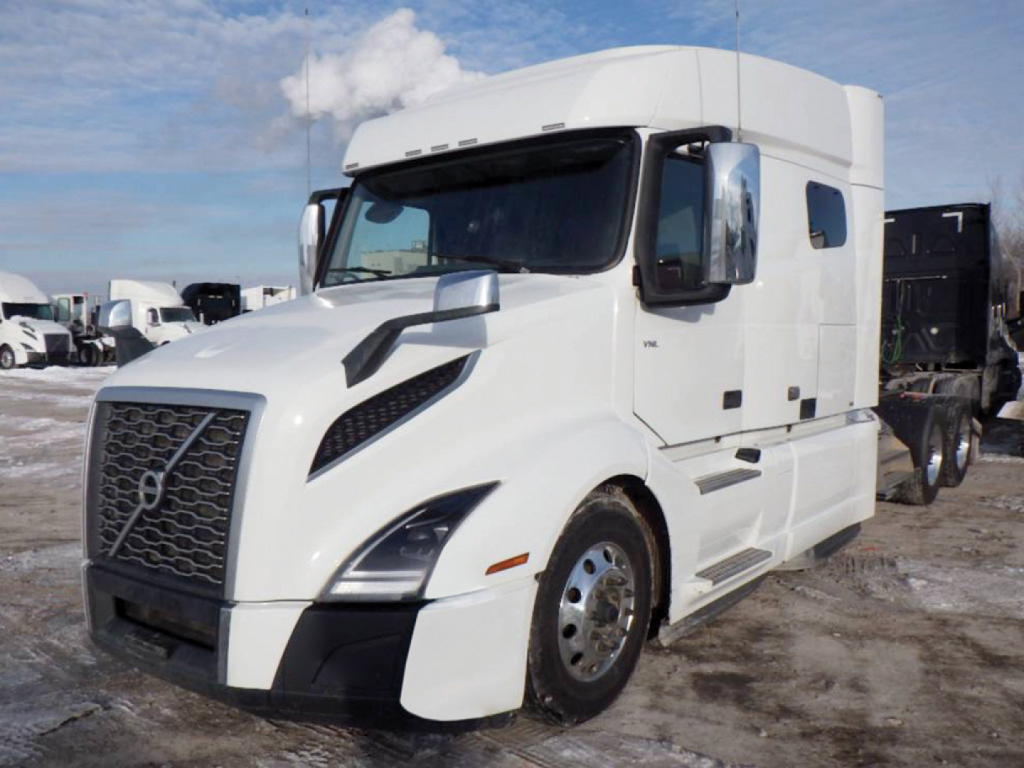
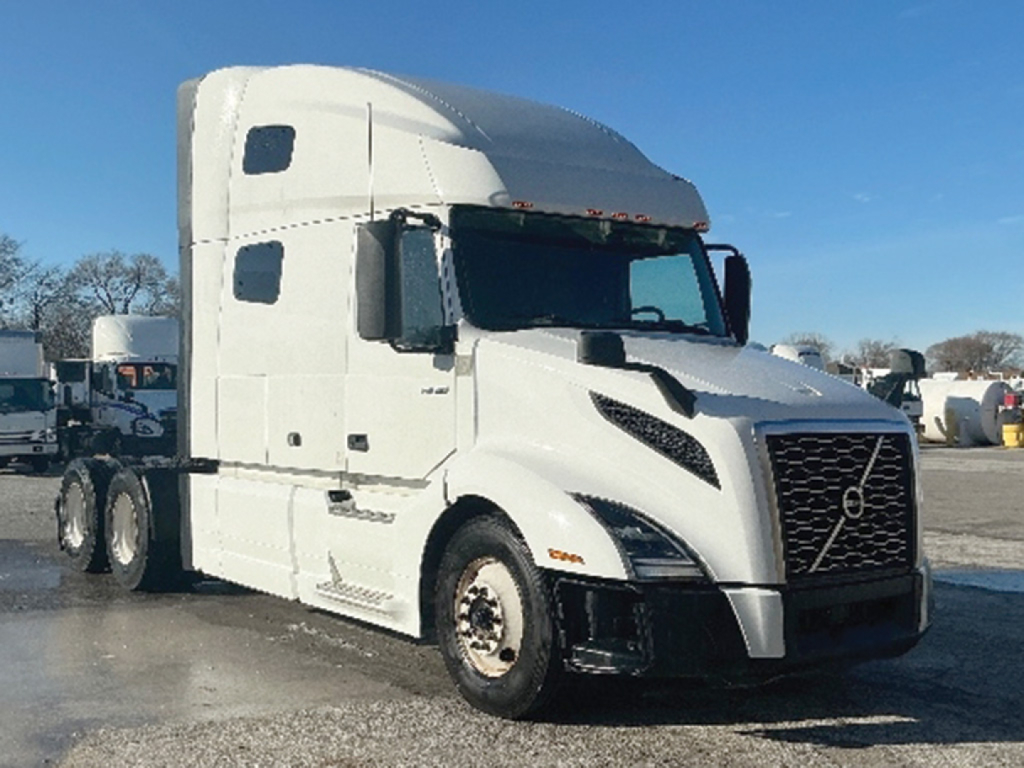
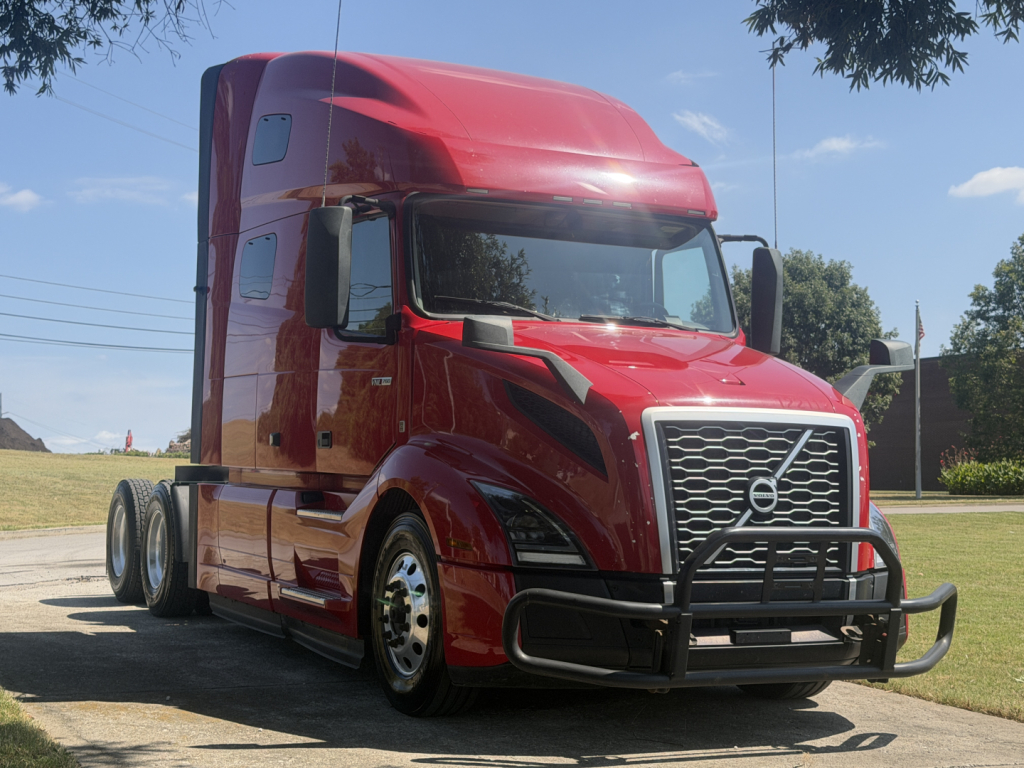
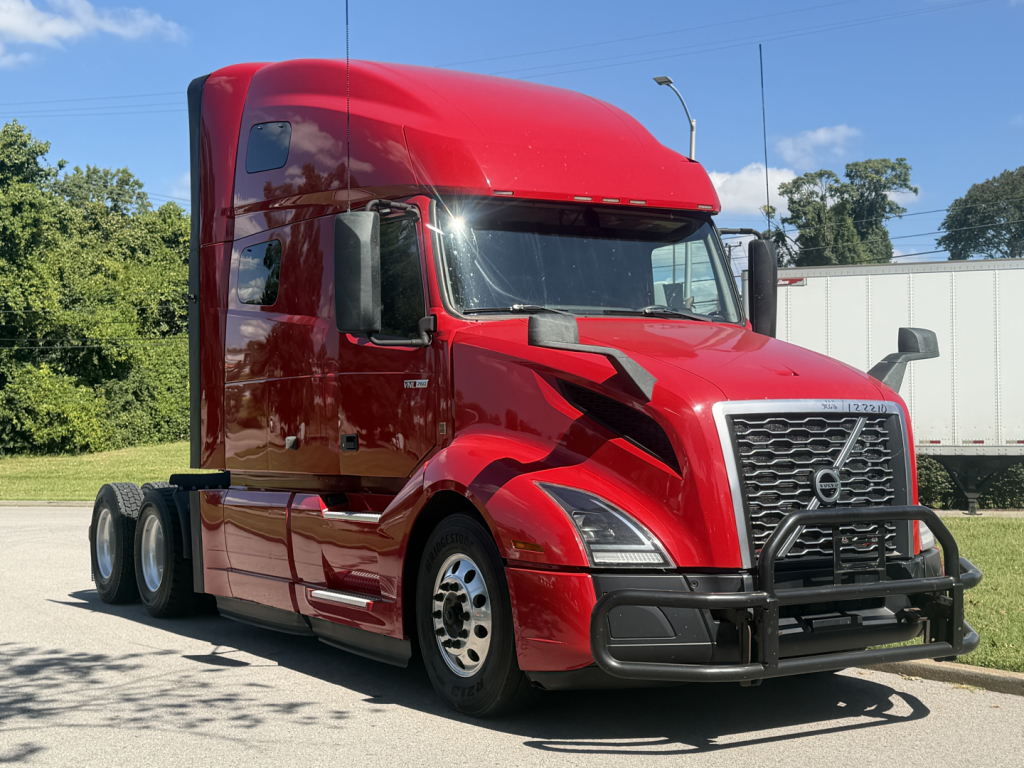
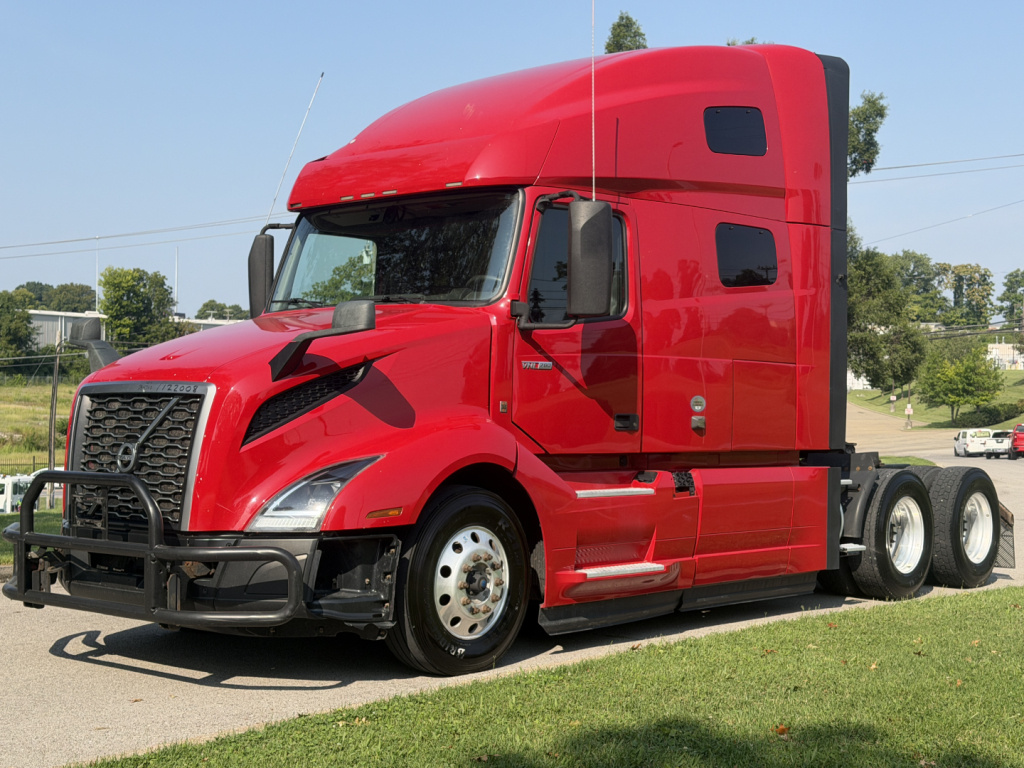
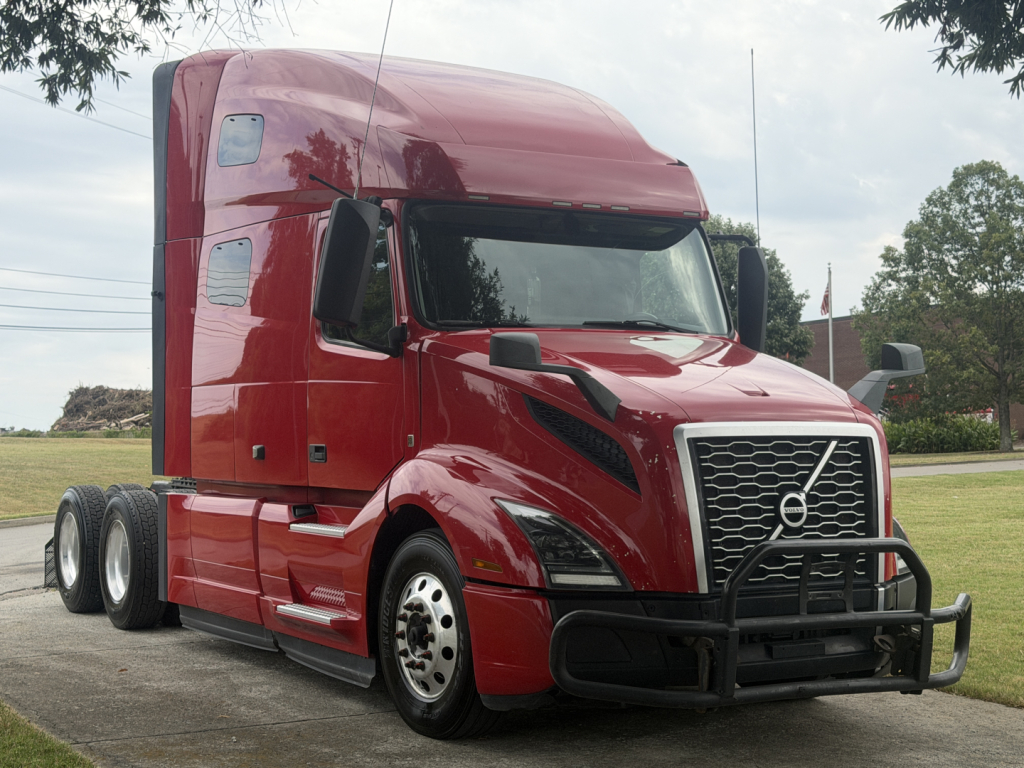
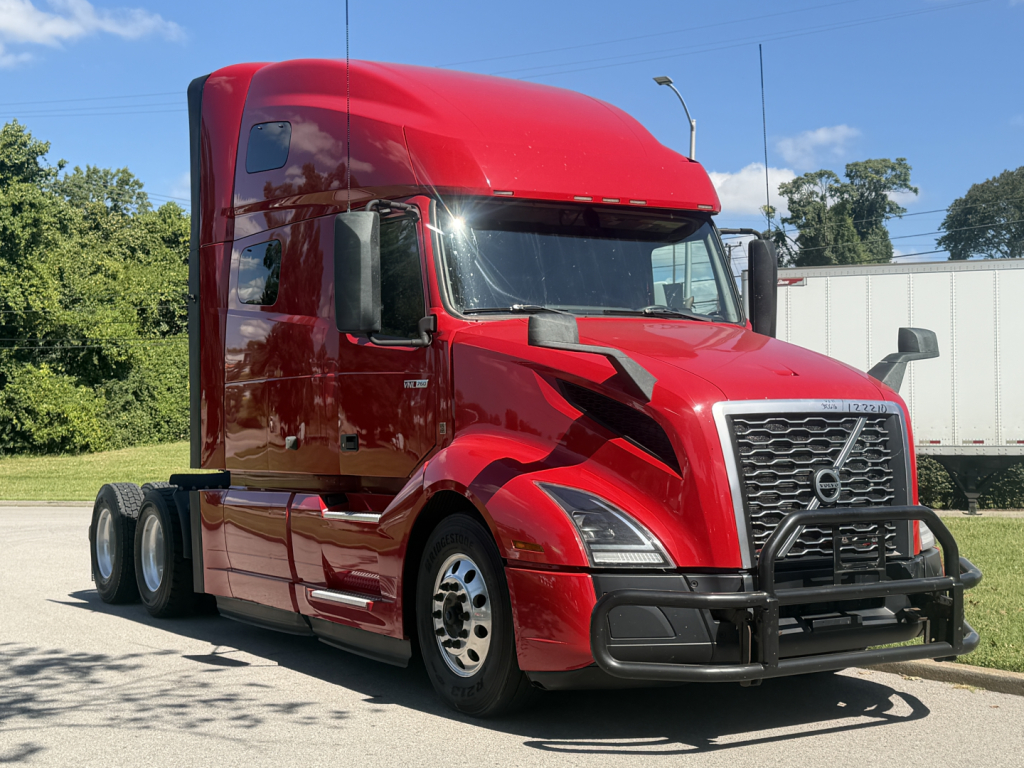
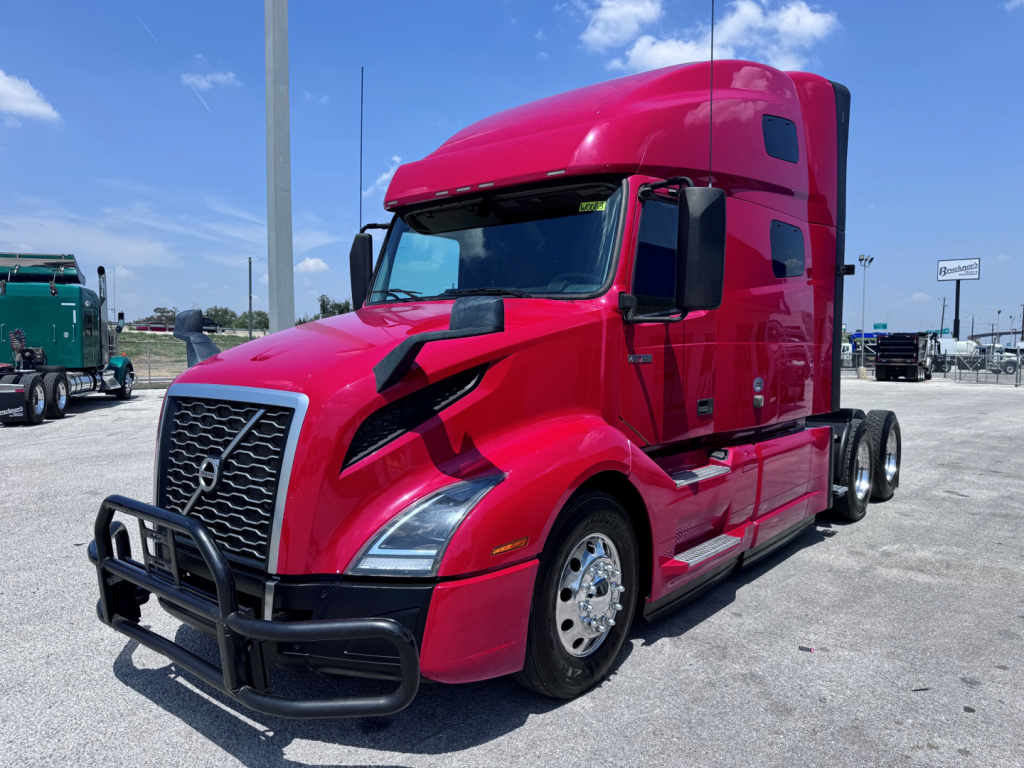
Showing 1 to 28 of 76 results
Selling a used volvo conventional sleeper truck? List your used volvo conventional sleeper truck for sale and reach thousands of commercial buyers.
Used Volvo Conventional Sleeper Trucks in Wisconsin
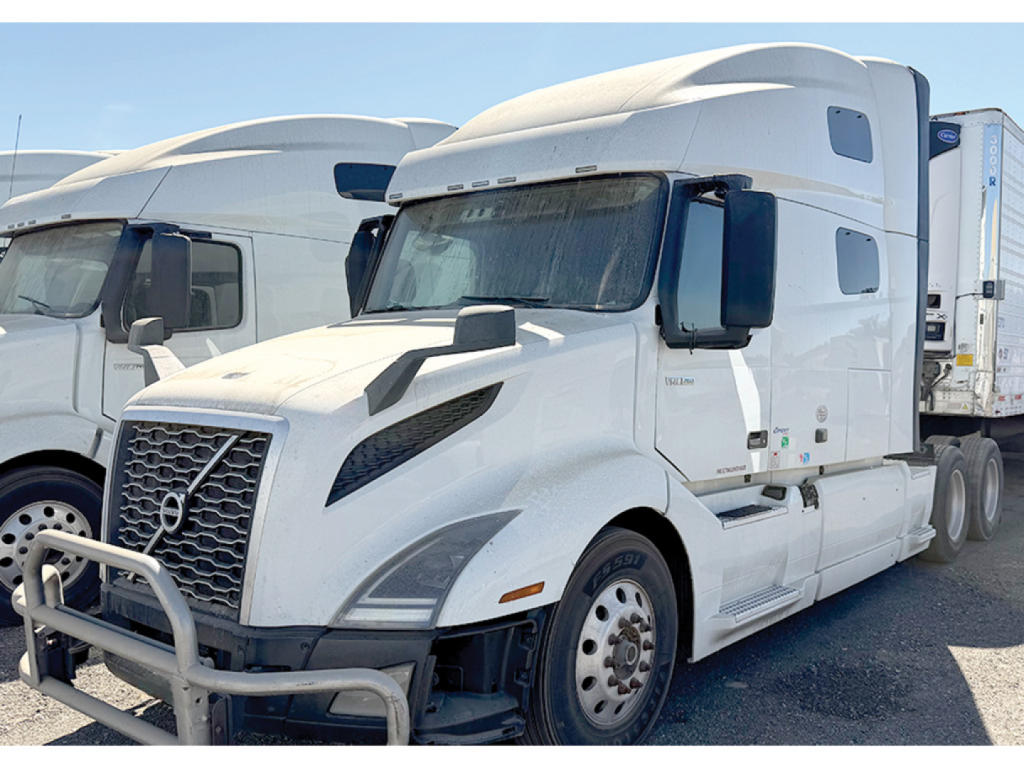
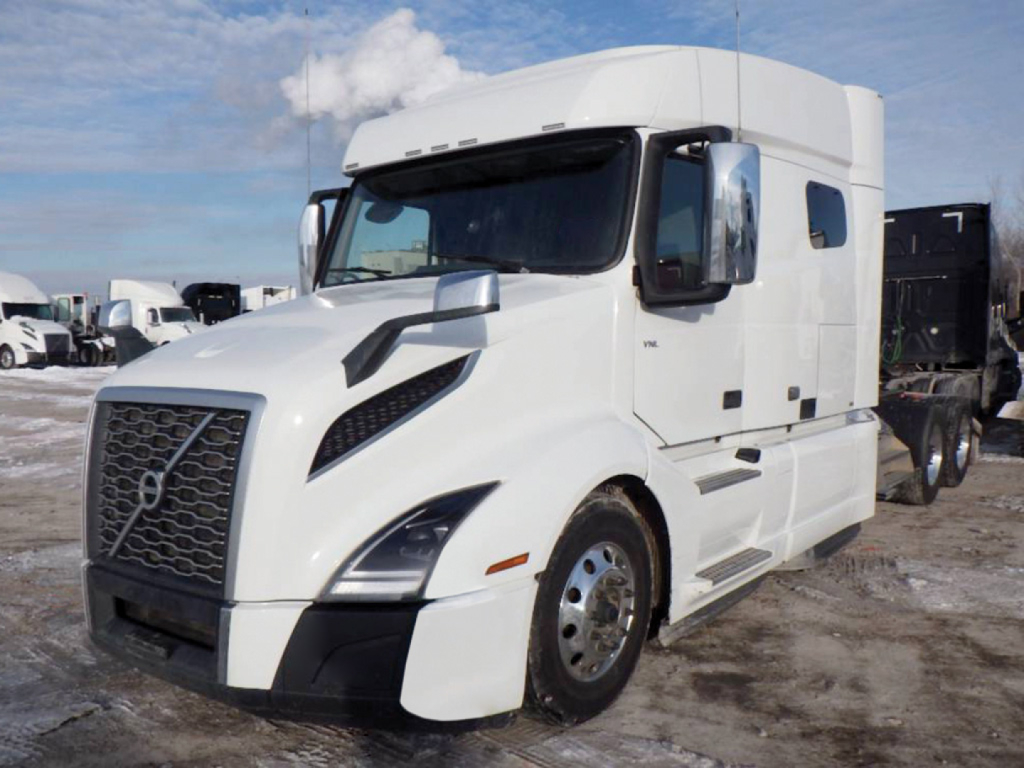
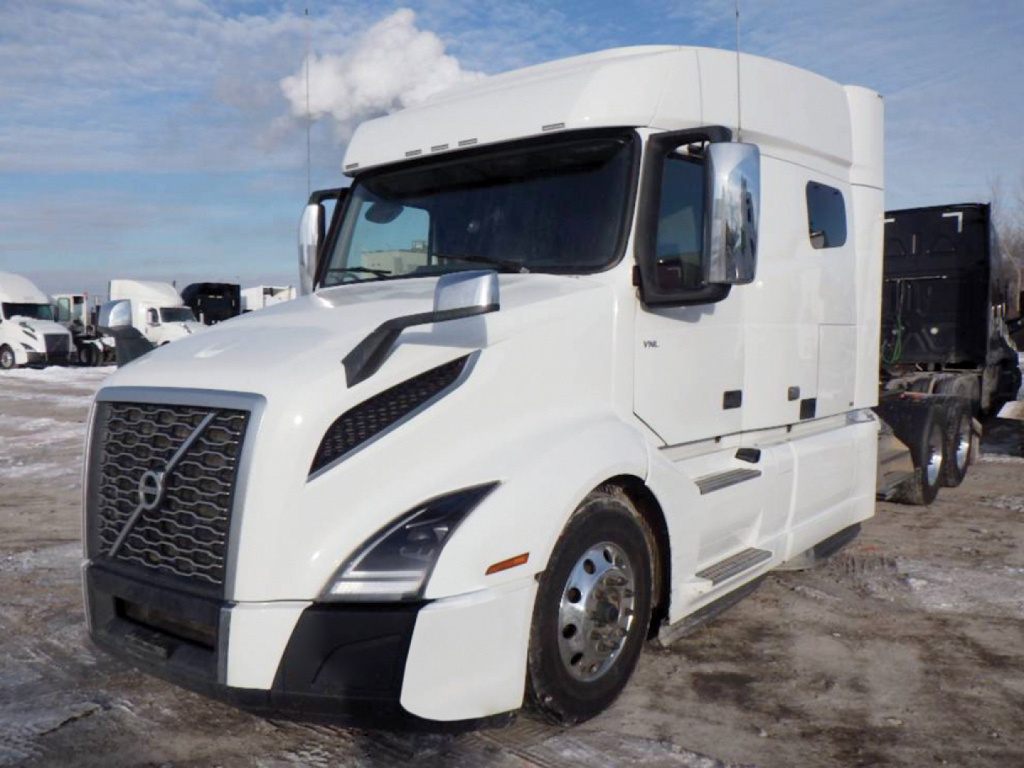
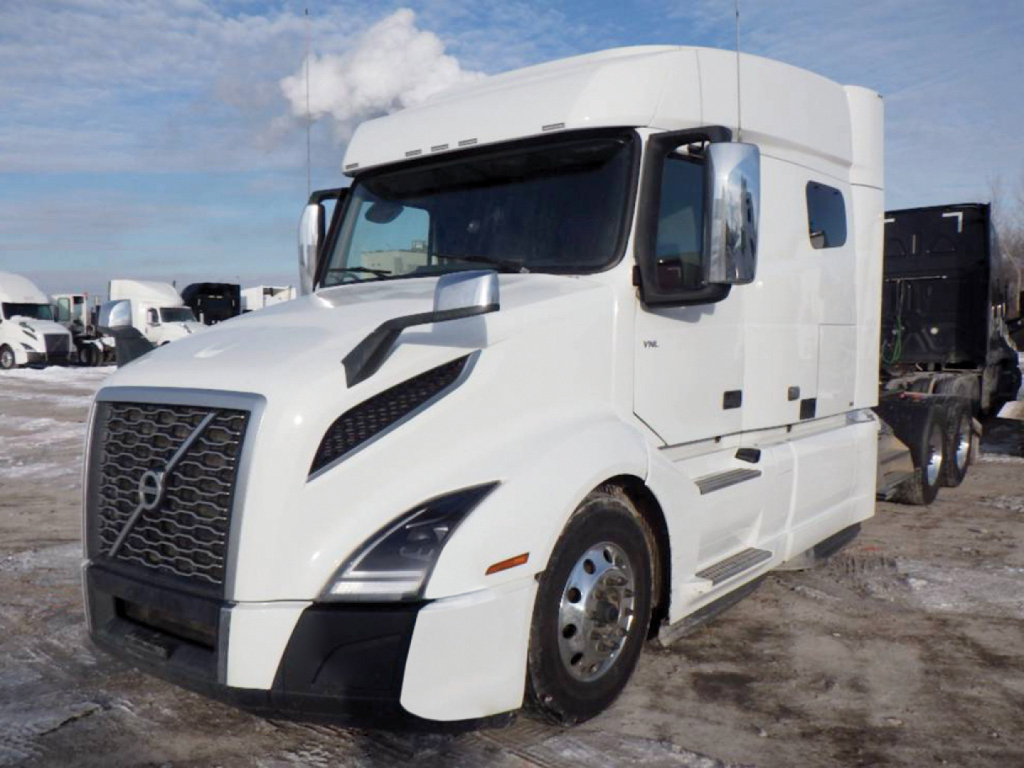
A used Volvo conventional sleeper should be evaluated first by sleeper layout and wheelbase, then by drivetrain. Common specs include 70-inch to 77-inch sleepers, upper bunks, refrigerators, workstations, and air slide or adjustable fifth wheels. Many VNL sleepers run 455 HP D13 engines with 12-speed I-Shift transmissions, 40,000 lb rears, and ratios in the mid-2s, which points to fuel-conscious linehaul service rather than heavy vocational pulling. Air ride suspension, disc brakes, low-profile 22.5 tires, and aluminum wheels are also common on later-model trucks. Buyers comparing listings should pay attention to whether the truck has an APU, engine brake, deer guard, dual fuel tanks, and the exact wheelbase, since those details affect both operating cost and trailer compatibility.
Volvo sleeper trucks are also known for a driver-focused cab. The VNL platform typically offers a quiet interior, good visibility, tight steering feel for a highway tractor, and ergonomic dash controls that fleets and owner-operators both appreciate. In a used unit, interior condition matters because these trucks often spend extended time in over-the-road service. Check the bunk area, HVAC performance, seat wear, idle hours, and functionality of comfort features such as bunk heater, refrigerator, power accessories, and infotainment controls. On the mechanical side, service records for the emissions system, brake components, transmission calibration, and tire wear patterns can tell you a lot about how the truck was maintained.
For a buyer narrowing down used Volvo sleeper trucks for sale in Wisconsin, the real decision is matching the spec to the lane. A lighter, more aerodynamic VNL with a fast rear ratio can be a strong fit for dry van and reefer freight moving across I-39, I-41, I-43, and into the broader Midwest. A truck with an APU, larger sleeper, and premium interior features may justify a higher price if retention and driver uptime are priorities. The best used Volvo conventional sleeper is not simply the newest truck. It is the one with the right sleeper size, axle ratio, maintenance history, and cab equipment for the freight it will actually pull.
Frequently Asked Questions about Used Volvo Conventional Sleeper Trucks in Wisconsin
What makes a Volvo conventional sleeper truck a popular choice for long-haul freight?
Volvo conventional sleeper trucks are popular because they combine aerodynamic design, efficient powertrains, and strong driver comfort in a package built for over-the-road use. Most buyers focus on the Volvo VNL series, which is widely used in dry van, reefer, and dedicated fleet service. The Volvo D13 engine and I-Shift transmission are especially common because they support fuel-efficient highway operation, easy shifting, and reduced driver fatigue compared with older manual setups.
What should I look for when buying a used Volvo VNL sleeper?
Start with the core spec: engine rating, transmission model, rear axle ratio, sleeper size, and wheelbase. Then verify the maintenance side, including service history for the emissions system, brakes, suspension, and transmission software updates or calibrations. In the cab, check bunk condition, HVAC output, refrigerator or APU operation, seat wear, and signs of excessive idle use. Tire wear and brake condition can also show whether the truck has been aligned and maintained correctly.
Is the Volvo I-Shift a good transmission in a used sleeper truck?
The Volvo I-Shift is one of the most common automated manual transmissions in late-model sleeper tractors and is generally well regarded for highway use. It delivers consistent shifting, supports fuel economy goals, and reduces clutch-related wear compared with a traditional manual. In a used truck, the key is not just that it has I-Shift, but whether the truck has been maintained correctly, updated as needed, and matched to the right axle ratio and engine spec for the intended application.
What axle ratios are common in used Volvo sleeper trucks, and why do they matter?
Many used Volvo conventional sleepers in linehaul service carry rear axle ratios in the 2.47 to 2.64 range. These faster ratios help keep engine RPM lower at highway speeds, which can improve fuel economy on long interstate routes. The tradeoff is that they are typically better suited to standard freight and highway miles than to heavy haul or frequent low-speed pulling. Buyers should match the axle ratio to terrain, trailer weight, and average route profile.
Are Volvo sleeper trucks a good fit for Wisconsin-based operations?
Yes, Volvo sleeper trucks can be a strong fit for Wisconsin operations because they are commonly spec’d for Midwest regional and over-the-road work. Features like bunk heaters, aerodynamic fairings, air ride suspension, and efficient highway gearing make them practical for year-round freight movement in changing weather. Buyers operating in Wisconsin should still pay close attention to cold-weather starting performance, HVAC condition, corrosion exposure, and tire spec, especially on trucks that have spent multiple winters in northern states.