
Volvo Conventional Sleeper Trucks For Sale in Pennsylvania
Shop Volvo conventional sleeper trucks in Pennsylvania. Compare VNL 760 and VNL 860 specs, sleeper sizes, powertrain options, and highway features.
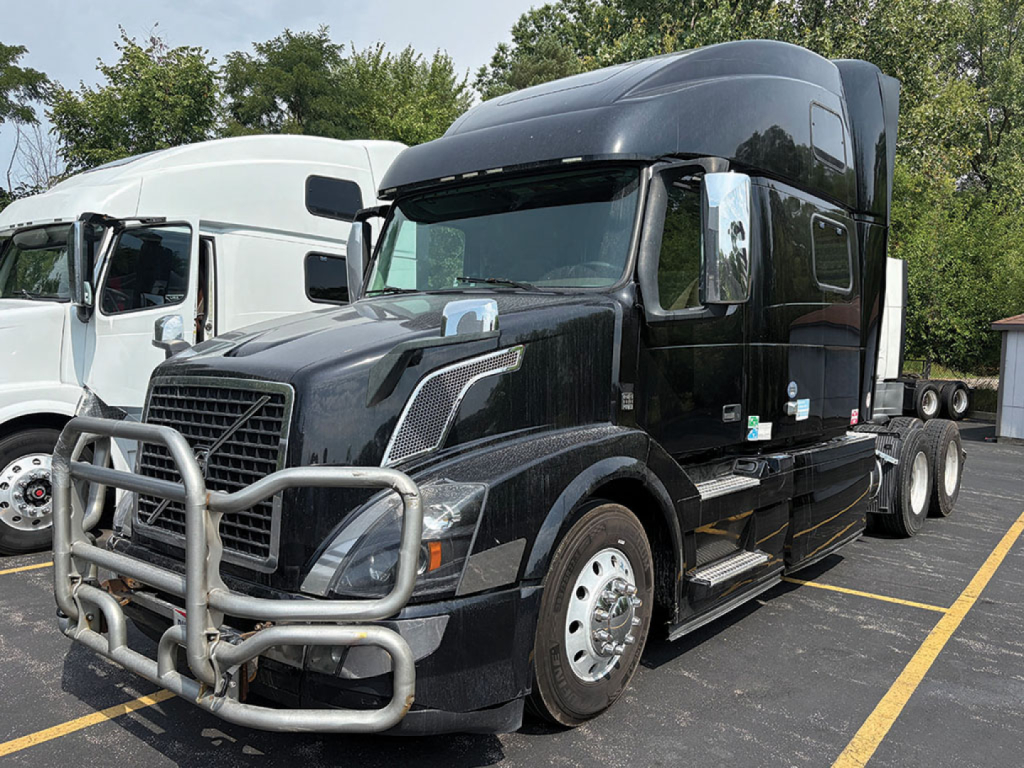
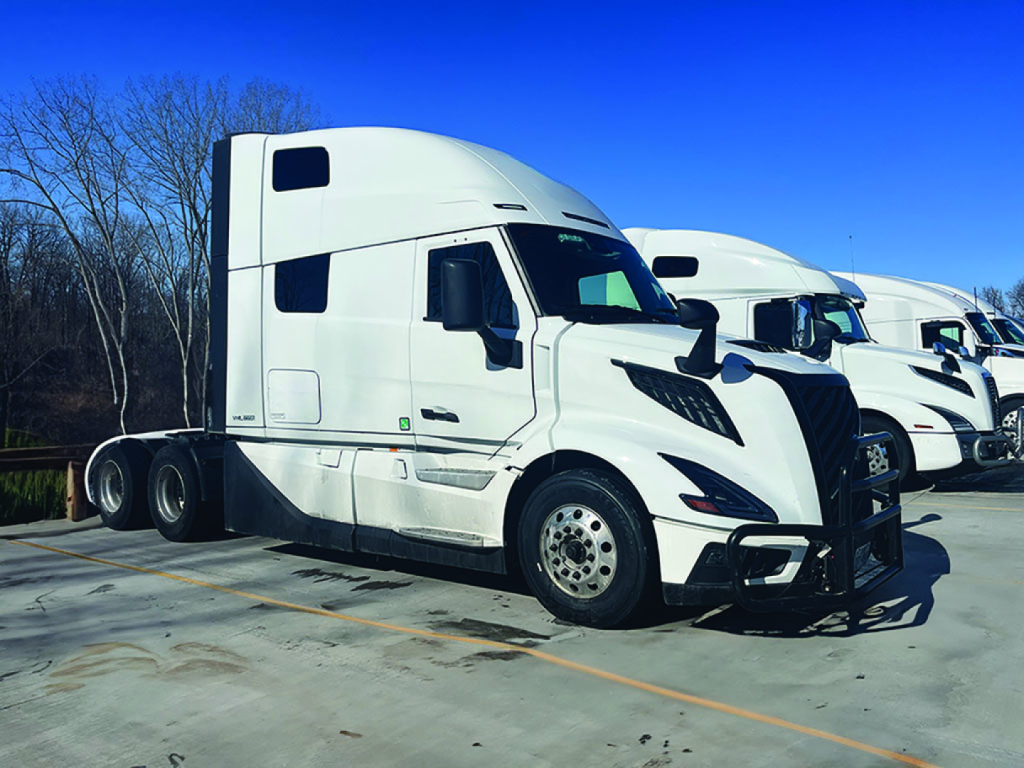
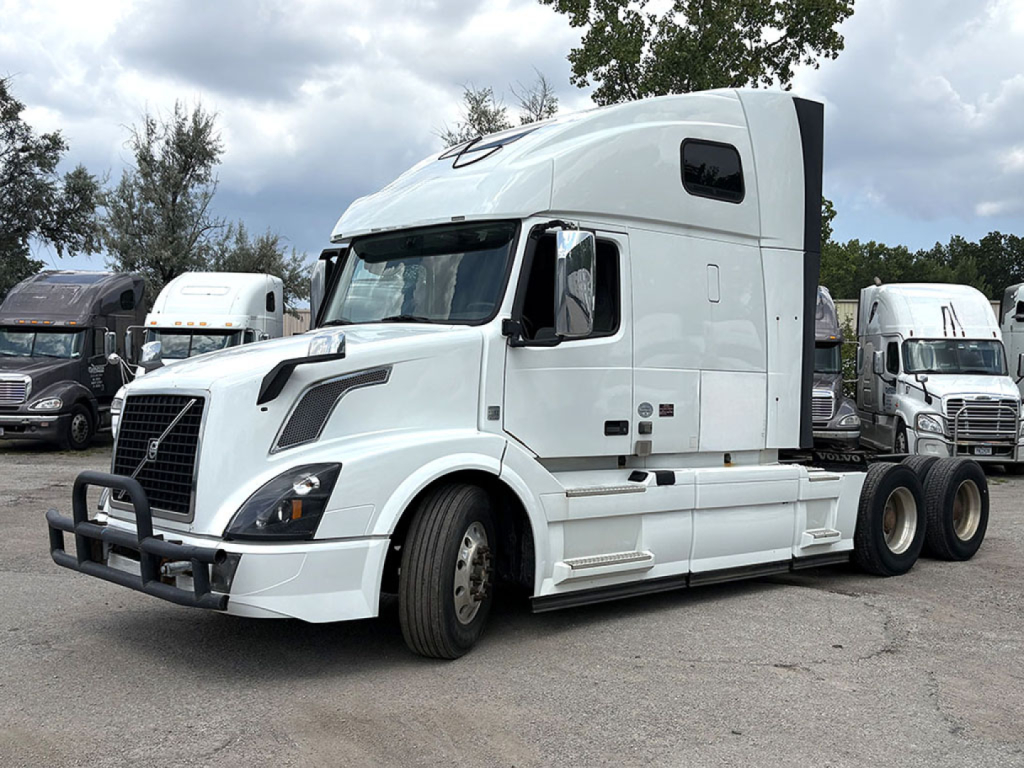

Have volvo conventional sleeper truck to sell? List it here to reach thousands of buyers.
Volvo Conventional Sleeper Trucks in Pennsylvania
A typical late-model Volvo conventional sleeper is powered by a Volvo D13 engine in the 425 to 455 horsepower range, often paired with the Volvo I-Shift automated manual transmission. That combination is popular because it delivers strong fuel economy, smooth shifting in stop-and-go traffic, and reduced driver fatigue on longer runs. Common rear axle setups include 40,000 lb rears with ratios like 3.08 for fuel-conscious over-the-road work. Air ride suspension, air slide fifth wheels, and aerodynamic fairings are also common in this class. Many buyers now prioritize collision mitigation, engine brakes, disc brakes, and other driver-assist and safety features, especially for fleets operating in hilly terrain and all-season conditions.
Sleeper configuration is a major dividing line in this category. The VNL 760 generally fits fleets that want a practical stand-up sleeper with efficient packaging, while the VNL 860 is aimed more at premium long-haul use with additional living space and storage. Upper bunks, APUs, climate control, and upgraded interior trim can make a meaningful difference for team operations or drivers staying out for extended periods. Fuel tank capacity, wheelbase, and fairing configuration should be matched to the trailer and freight profile, since these trucks are commonly used with dry vans, reefers, and general freight operations where maximizing range and minimizing drag both matter.
Condition and maintenance history are just as important as the cab spec. On a used Volvo conventional sleeper, buyers should pay close attention to emissions system service, D13 engine maintenance records, I-Shift calibration and clutch history, suspension wear, brake type, and any fault-code or telematics history available. It also helps to confirm the sleeper and chassis layout against the intended application, including kingpin setting, fifth wheel travel, and overall tractor wheelbase. A well-spec'd Volvo sleeper can be a strong fit for regional long-haul, dedicated contract freight, and true over-the-road service where comfort, efficiency, and modern safety systems carry real value.
Frequently Asked Questions about Volvo Conventional Sleeper Trucks in Pennsylvania
What is the difference between a Volvo VNL 760 and a Volvo VNL 860 sleeper truck?
The main difference is sleeper size and interior space. A Volvo VNL 760 is typically chosen for long-haul fleets that want a roomy stand-up sleeper without the larger footprint of the biggest cab. A Volvo VNL 860 adds more living space, storage, and premium driver accommodations, which can be important for extended over-the-road runs or teams. The right choice depends on how long the truck stays out, how much storage is needed, and whether maneuverability or maximum cab comfort is the higher priority.
Is the Volvo D13 and I-Shift combination a good spec for a used conventional sleeper truck?
Yes. The Volvo D13 and Volvo I-Shift are among the most common powertrain combinations in late-model Volvo sleeper tractors. They are widely used because they balance horsepower, fuel economy, and driver ease of use. On a used truck, the key is not just the engine and transmission model but the maintenance history behind them. Buyers should review service records for oil changes, emissions system work, transmission software updates, clutch and actuator service, and any recurring fault codes.
What axle ratio works best in a Volvo conventional sleeper for highway freight?
For highway-focused freight, ratios such as 3.08 are common because they help keep engine rpm lower at cruising speed and support fuel economy. That said, the best axle ratio depends on gross weight, trailer type, terrain, and average road speed. A truck running heavy freight through Pennsylvania grades may need a different balance than one pulling lighter dry van freight on flatter interstate lanes. The ratio should be evaluated together with tire size, horsepower, and transmission gearing.
What should I inspect first on a used Volvo sleeper truck in Pennsylvania?
Start with the powertrain, emissions system, and chassis condition. On a Pennsylvania truck, pay close attention to rust on the frame, crossmembers, brackets, and suspension components because road salt can accelerate corrosion. Then inspect DPF and SCR service history, engine brake operation, transmission behavior, tire wear, brake condition, and signs of air system leaks. Cab and sleeper items such as bunk condition, HVAC performance, APU operation, and electrical accessories also matter because repairs in the living area can add up quickly.
What freight applications are Volvo conventional sleeper trucks best suited for?
Volvo conventional sleeper trucks are best suited for over-the-road freight, regional long-haul work, dedicated contract freight, and team operations. They are commonly matched with dry vans and refrigerated trailers, but they also work well in many general freight applications where aerodynamics, driver retention, and fuel efficiency are priorities. The category is designed for operators who need a highway tractor with integrated sleeping quarters, modern safety systems, and a cab built for long stretches behind the wheel.